Cover Page
Celebrating fashion, culture, innovation, and lifestyle across Africa
Impilo Digital Magazine, powered by Impilo Digital Media Group (IDMG), is dedicated to bringing the latest in African fashion, technology, entertainment, and entrepreneurship to a global audience. Our mission is to inspire, educate, and connect the next generation of creatives and innovators.
Our editorial and creative team includes journalists, photographers, content creators, and designers passionate about telling authentic African stories. From live events to digital publications, every piece is crafted to showcase excellence, innovation, and creativity.
We encourage readers, creatives, and brands to engage with our content, collaborate, and share ideas. Follow us on social media at @impilomag or contact us directly for collaborations and features.
Want to subscribe for updates? Use our Contact page to sign up for newsletters and notifications.
Effective Date: 2 December 2025
Impilo Digital Magazine is operated by Impilo Digital Media Group (IDMG). We respect your privacy and are committed to responsible data use in line with POPIA, GDPR, and best practices.
We may collect non-sensitive user information including:
We use third-party advertising services such as Google AdSense. Cookies may be used to display relevant ads, measure ad performance, and analyze audience behavior. We do not store sensitive personal information, sell data, or track political/health/illegal activity.
You have the right to opt out of personalized ads using Google Ads settings or AdChoices.
With your consent, Impilo Digital Magazine may collect approximate geolocation information to enhance user experience, tailor content, and improve site functionality. We do not share precise addresses with advertisers.
We retain non-sensitive engagement data for as long as needed to provide services and analyze audience behavior. Data retention periods:
After retention periods, data is anonymized or securely deleted. No personal addresses, health, political, or illegal activity data is retained.
We use industry-standard measures to safeguard user data but cannot control third-party cookie behavior. Ads are served by trusted networks and comply with privacy standards.
For privacy inquiries or to request data clarification, contact us at:privacy@impilomag.co.za
Collaborations, features, media enquiries & partnerships
Or reach us via email at info@impilomag.co.za
Get updates, fashion stories, and cultural insights directly in your inbox.
Stay connected on social media: @impilomag

Impilo Magazine was created with a simple but powerful intention — to build a space where culture, fashion, creativity, and identity can be explored without rush.
In a digital world driven by speed and noise, Impilo exists as a pause. A place to slow down, absorb visual storytelling, and reconnect with meaningful narratives from Africa and the global creative community.
We believe a modern magazine should not only inform — it should restore. That is why Impilo is evolving beyond traditional editorial into a living content hub, blending storytelling with interactivity, experimentation, and moments of play.
Tommy Fihla
Editor-in-Chief
Impilo Magazine functions as more than a publication — it is a creative ecosystem. A hub where fashion editorials, digital storytelling, emerging talent, and branded experiences converge into a single platform.
Strong branding is not just visual — it is emotional. At Impilo, branding is treated as narrative architecture. Every color, layout, motion, and interaction is intentional, helping brands and creators communicate identity, confidence, and longevity.
Impilo introduces light interactive experiences and editorial mini-games designed for relaxation — not competition. These moments of play allow readers to unwind, explore, and engage with content in a softer, more mindful way.
By blending editorial authority with digital experimentation, Impilo Magazine creates a future-facing model — where readers are not just consumers, but participants in culture.
A mixed-media digital magazine, creative studio, and live broadcasting platform shaping modern culture.
Impilo Digital Magazine is more than content. We document culture, amplify voices, and transform real-world moments into digital experiences that live beyond the scroll.
Editorial features, interviews & culture pieces
Authentic sponsored storytelling
Fashion shows, panels & launches
Video, photography & podcasts
Targeted digital media exposure
Digital storytelling & brand visibility
From runway shows to roundtable discussions, we bring events to global audiences in real time.

We produce high-impact visuals, documentaries, podcasts, and editorial photography that communicate identity and purpose.

Designers, models, performers, and visual artists use Impilo as a platform to be seen and remembered.
We partner with events to create lasting digital narratives — before, during, and after the moment.
Shoppable editorials, gamified experiences, and future-facing digital storytelling — designed for participation.
Impilo supports workshops, mentorship, and storytelling that uplifts youth, creatives, and social initiatives.
Brands. Creatives. NGOs. Events. Let’s build stories that move culture.
My name is Tommy Fihla, I am Founder and Chief Editor of Impilo Digital Magazine. I am an innovative creative. I enjoy creative photography, cinematography and optical illusion. One thing I like about what I do is the ability to connect with the audience and tell stories in an engaging and captivating way.
How VFX, 3D Photography & Digital Illusions Are Redefining Brand Culture
Visual effects are no longer reserved for blockbuster cinema. Today, brands, digital magazines, and independent creators are leveraging cinematic VFX and 3D photography to craft immersive narratives that feel futuristic, emotional, and unforgettable.
From floating fashion silhouettes to hyper-real product illusions, VFX-driven advertising blurs the line between reality and digital imagination. These visuals don’t just sell products — they create culture.
At Impilo Digital Media Group, we see VFX as a storytelling language — one that allows African creativity to compete on a global cinematic stage while remaining rooted in local identity.
“The future of advertising isn’t louder — it’s more immersive.”
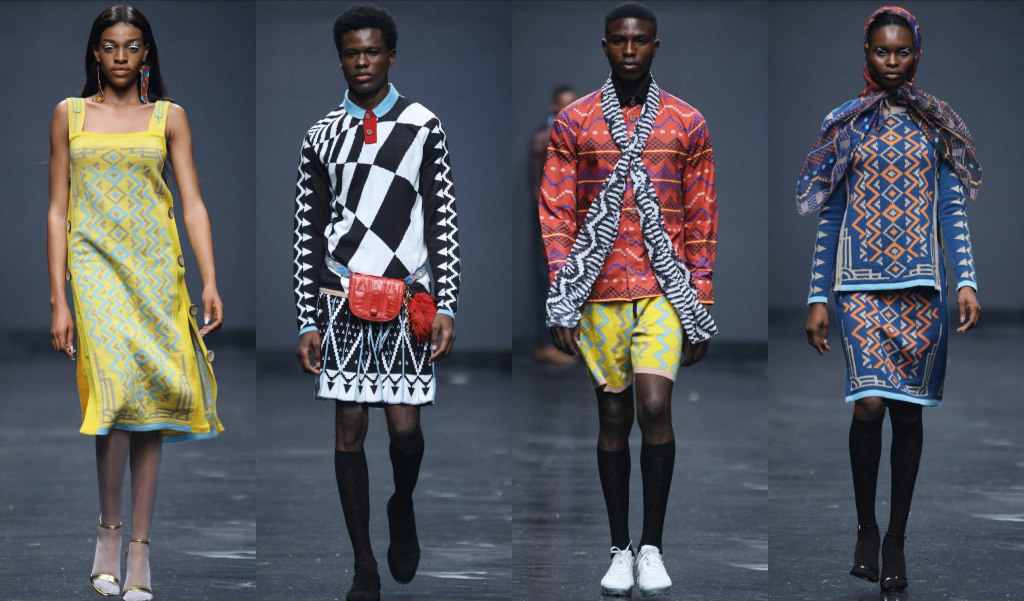
In 2025 and heading into 2026, African designers have expanded their footprint at Paris Fashion Week, transitioning from niche showcases to consistent fixtures within the global fashion calendar. Once positioned on the margins, African fashion is now shaping conversations around craftsmanship, narrative design, and cultural power in luxury fashion.
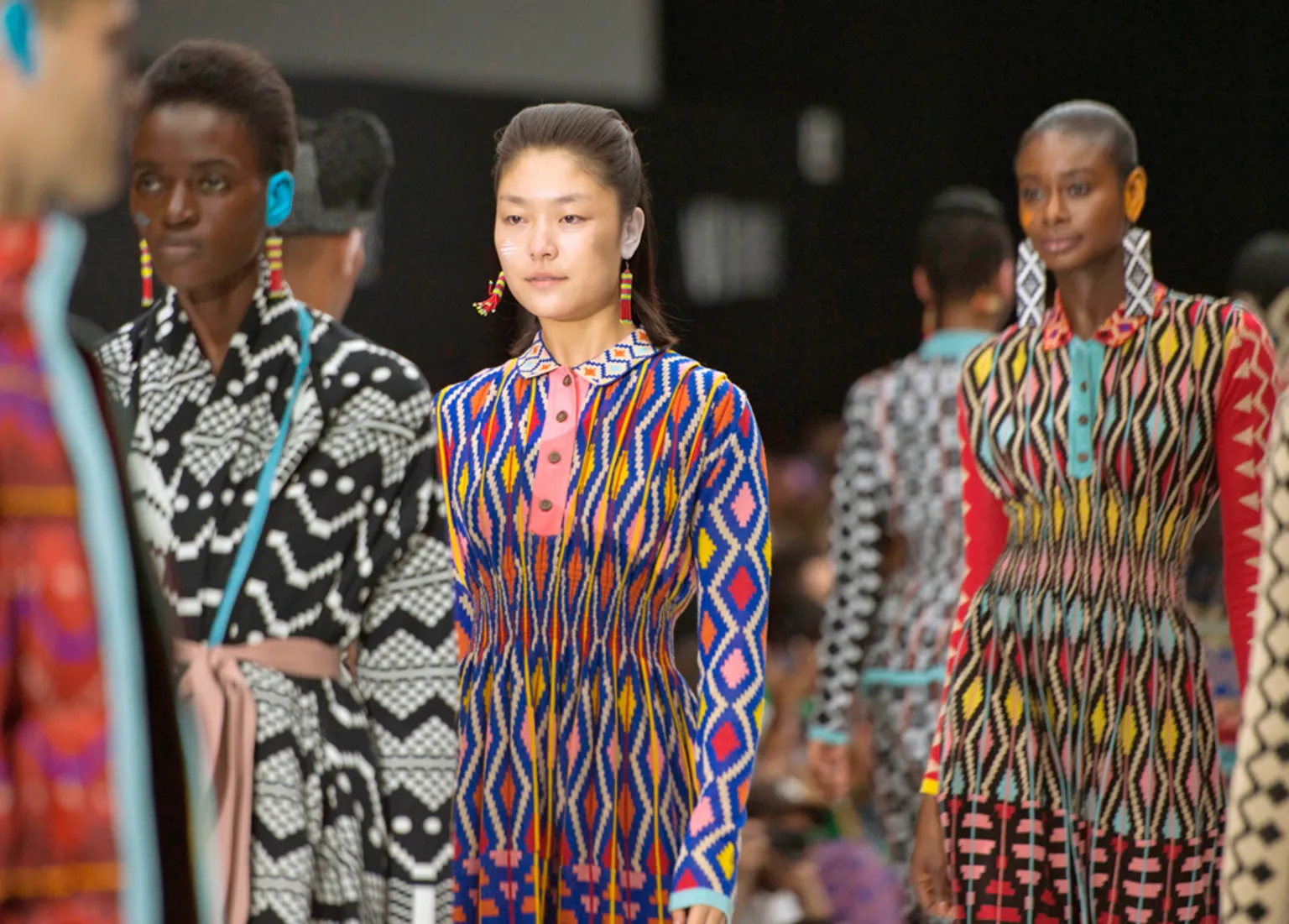
Maxhosa Africa (South Africa) — Founded by Laduma Ngxokolo, the brand continued its international momentum through 2025. Celebrated for knitwear inspired by Xhosa culture, Maxhosa Africa has emerged as a symbol of contemporary African luxury, blending heritage, pattern, and modern silhouette.
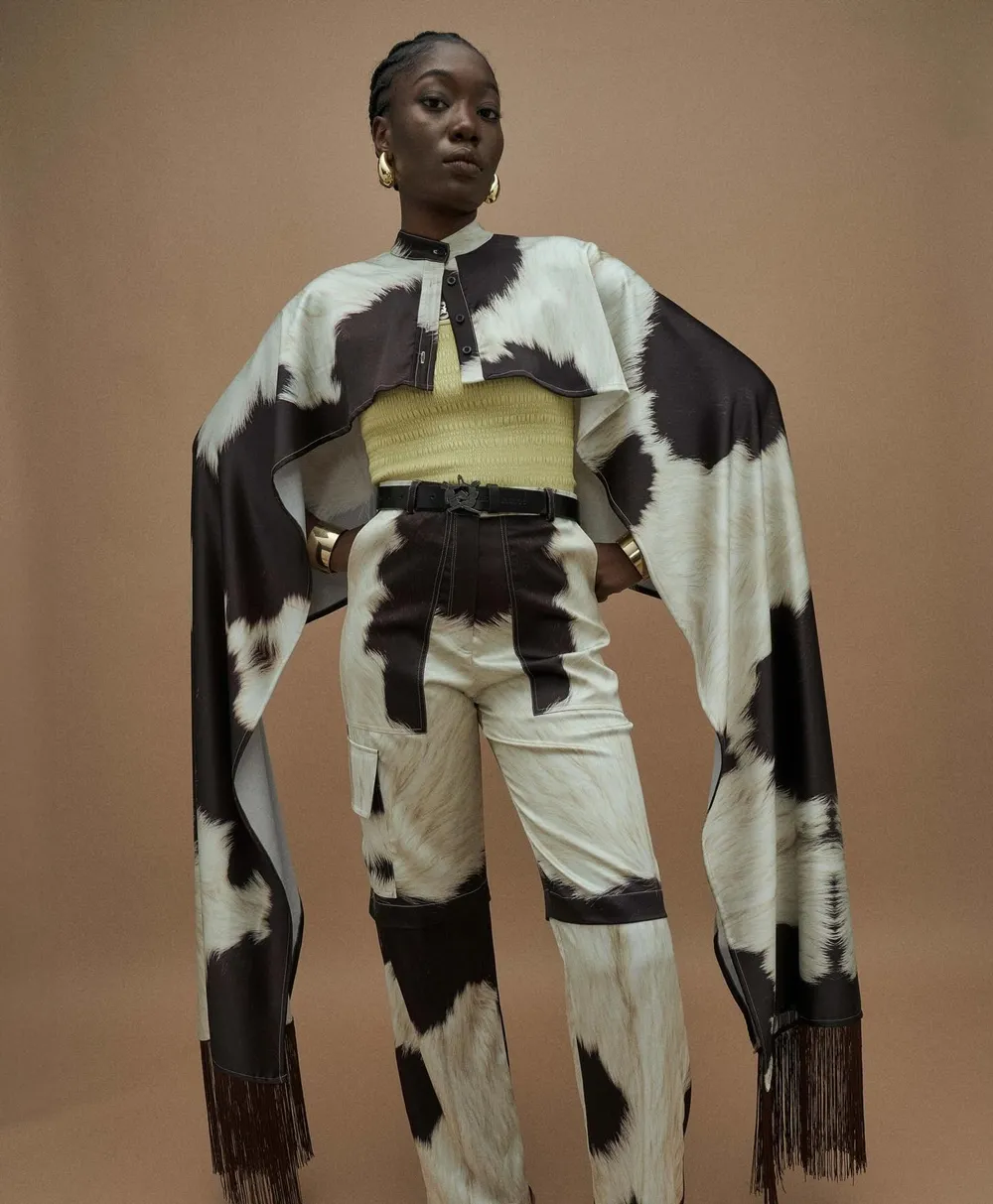
Thebe Magugu (South Africa) — A former LVMH Prize winner, Magugu’s work remains rooted in storytelling. His Paris Fashion Week presence reflects a commitment to personal and political narratives, using fashion as a medium for reflection on identity, memory, and reconciliation.
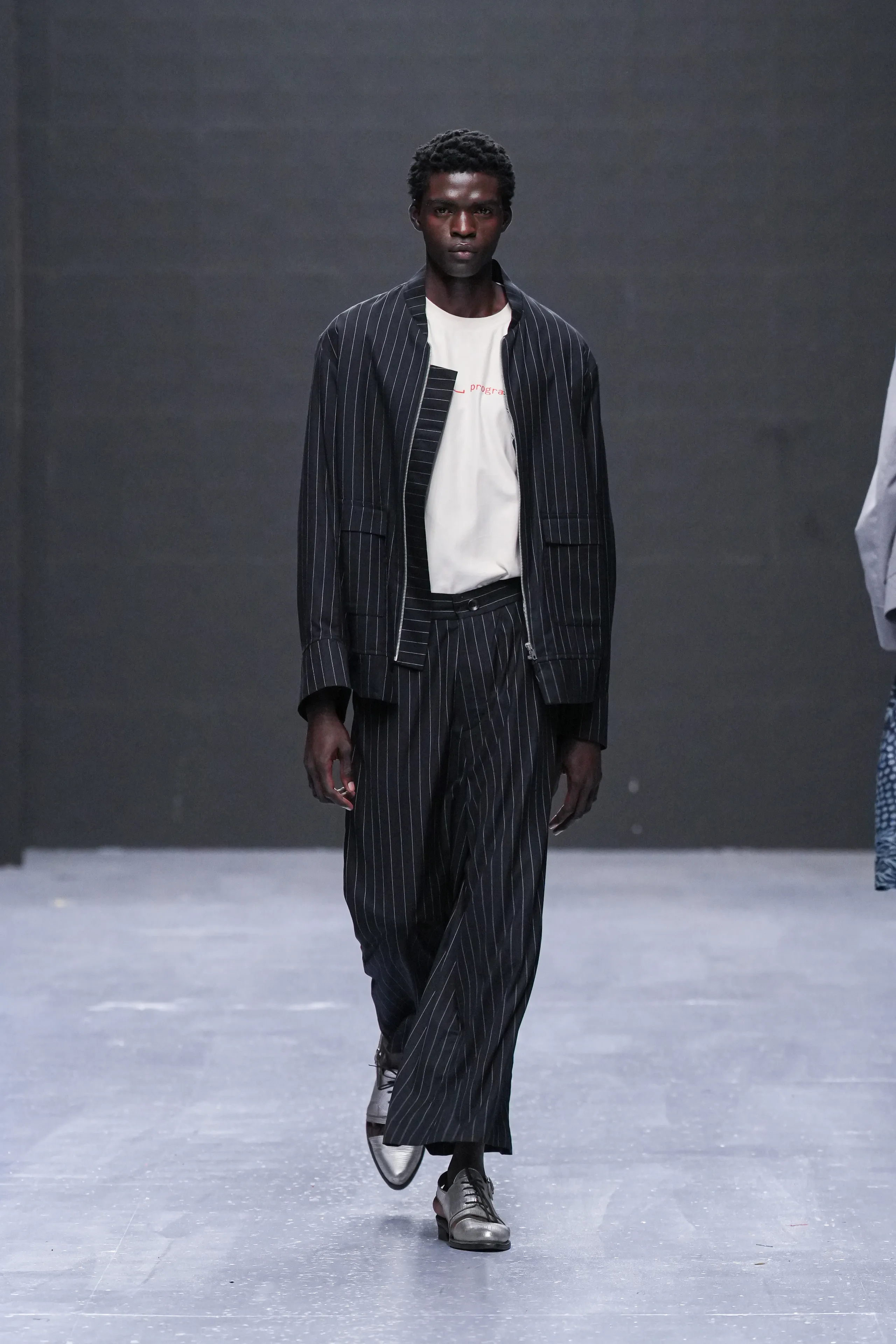
Lagos Space Programme (Nigeria) — Under the direction of Adeju Thompson, Lagos Space Programme has become a regular fixture within Paris fashion circles. Known for its gender-neutral designs, the label fuses Nigerian artisanal techniques with avant-garde tailoring and subversive silhouettes.
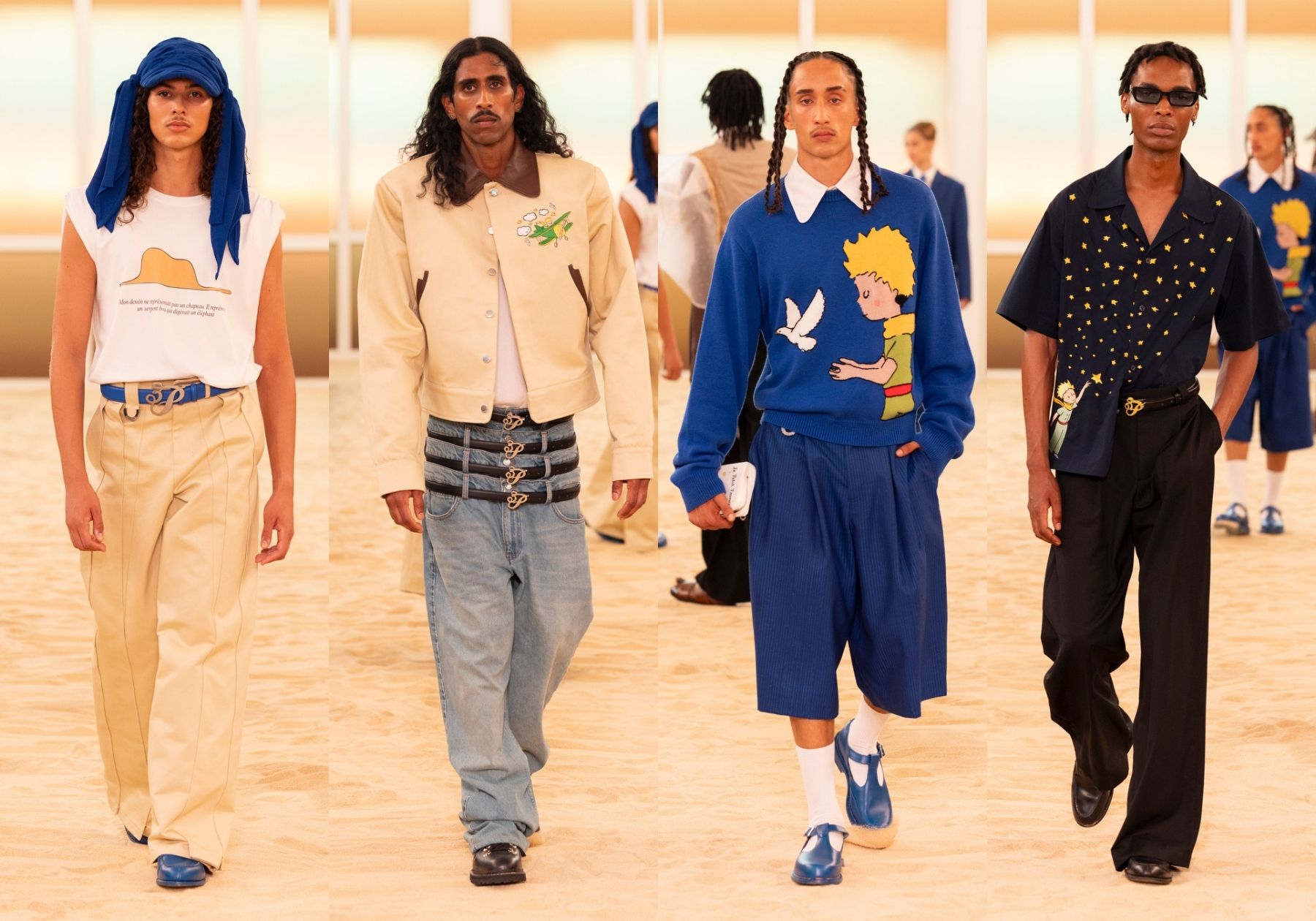
3.Paradis (Cameroon/Canada) — Designer Emeric Tchatchoua’s work continues to explore transcontinental identity. During the 2025 season, the brand presented collections infused with emotional storytelling and desert-inspired symbolism, reinforcing its poetic, conceptual approach.
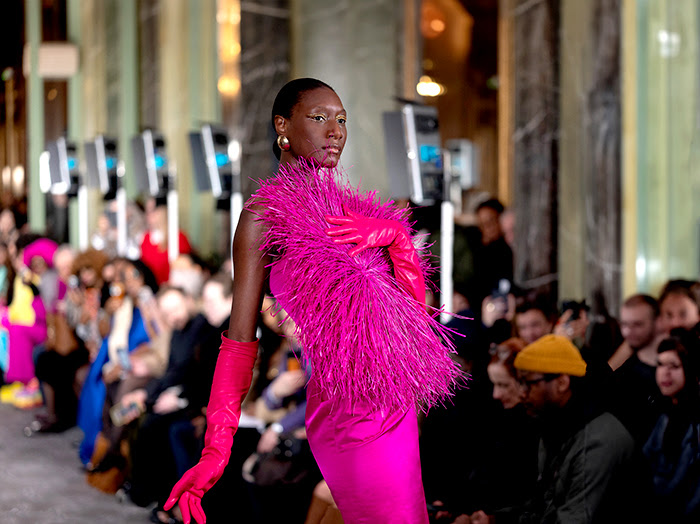
Imane Ayissi (Cameroon) — A pioneer of African haute couture in Paris, Ayissi has consistently used the runway to merge luxury fabrics with African textiles. His recent collections continue to incorporate materials such as kente from Ghana and handwoven fabrics sourced from across West and Central Africa.
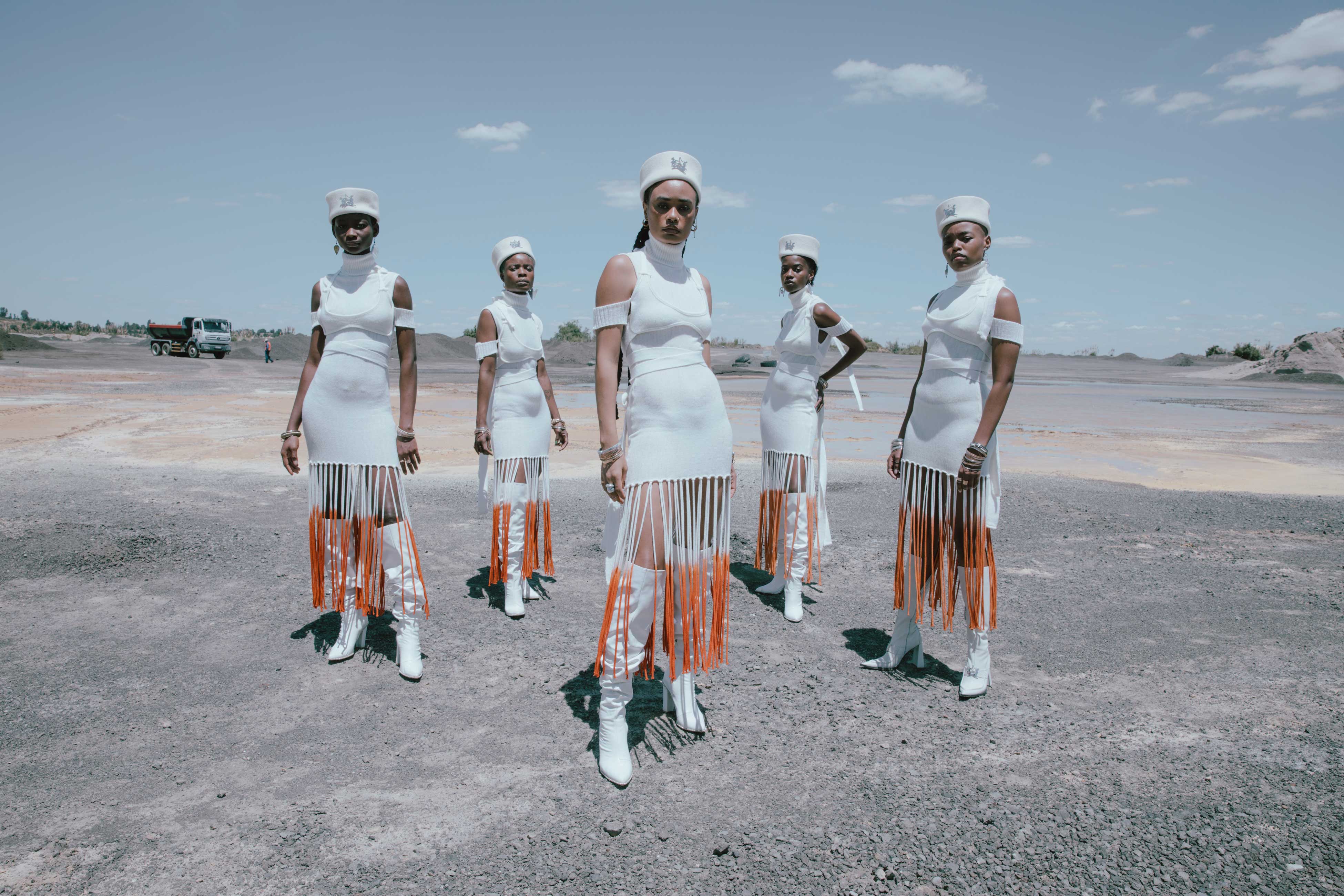
Africa Fashion Up marked its fifth edition in 2025, reinforcing its role as a vital gateway for African designers entering the Paris market.
Organisations such as the Ethical Fashion Initiative (EFI)continue to facilitate Paris presentations for designers including Lukhanyo Mdingi, Katush, and Kente Gentlemen.
Tranoï – Creative Africa Nexus has further strengthened visibility for African brands by providing a dedicated showroom during Paris Fashion Week.
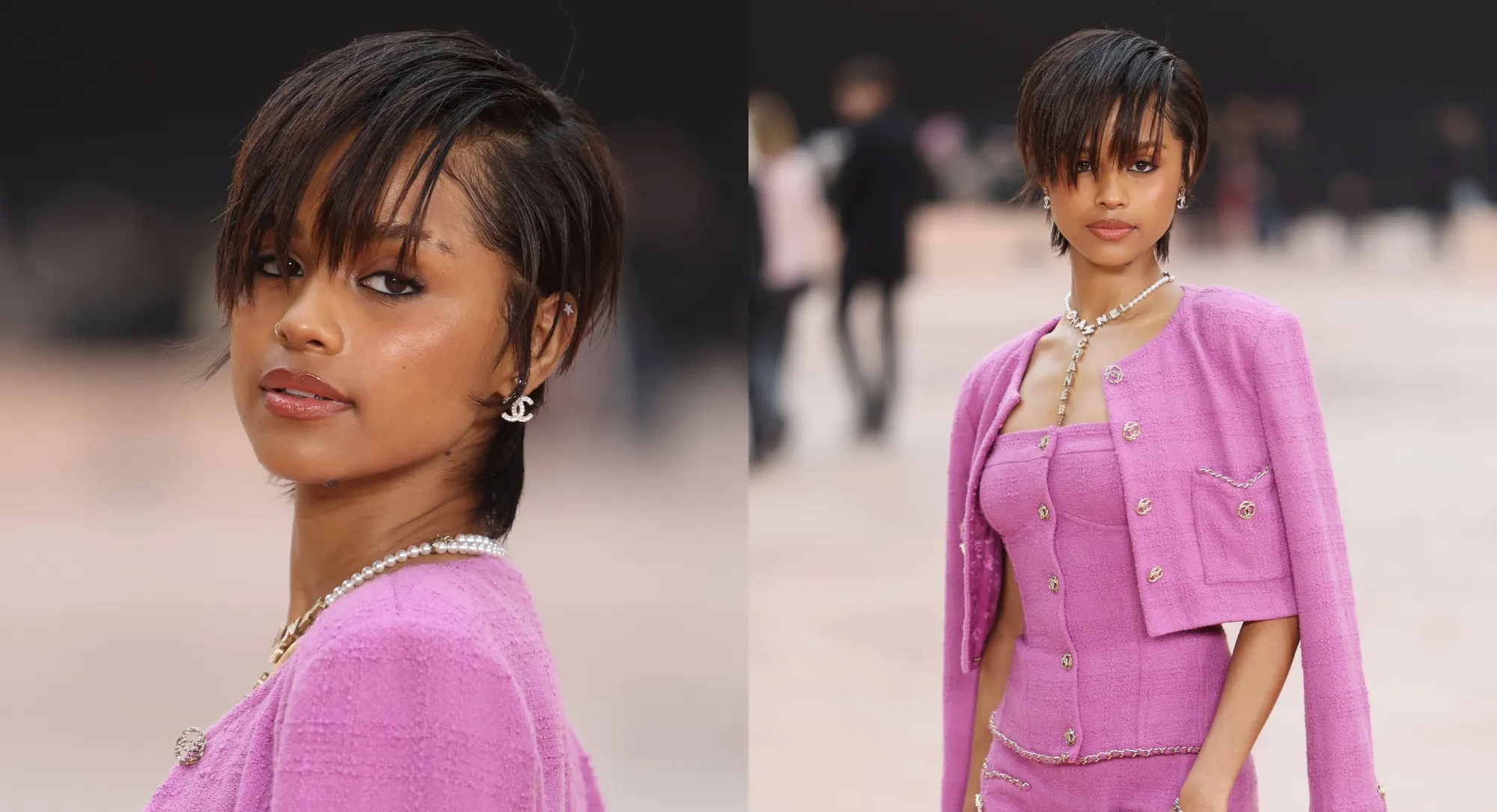
African influence at Paris Fashion Week extended beyond the runway. Musicians and cultural figures appeared prominently in front rows and fashion media coverage.
Artists such as Davido, Tyla, Uncle Waffles, and Burna Boy were among the notable figures spotted at Paris shows.
The momentum continues into 2026, with several Paris-based fashion events scheduled to spotlight both established and emerging designers:
African fashion is no longer an emerging voice — it is a defining force shaping the future of global luxury.
Reinventing yourself, cultivating influence, and making memorable impressions
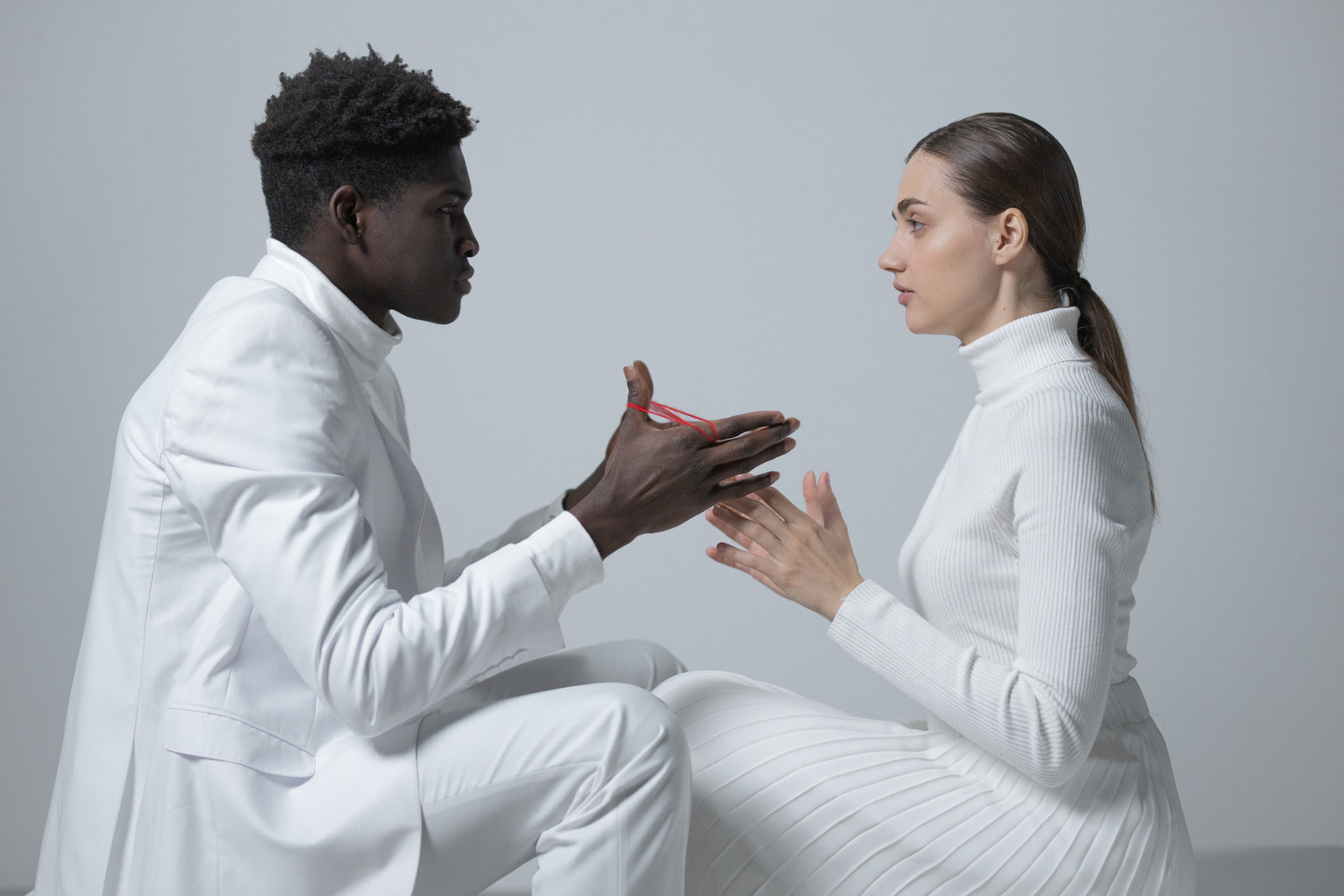
Personal branding is not a trend — it is a deliberate strategy. Every interaction, post, presentation, or creation builds a perception of who you are and what you stand for. In the modern professional landscape, branding yourself effectively can open doors, amplify credibility, and establish influence across industries.
“Your brand begins from within — mindset shapes reputation.”

Whether it’s your first presentation or the tenth, every impression matters. Treat each interaction as if it’s your only opportunity to showcase skill, character, and authenticity. This extends to job interviews, pitches, or social media presence.
Scenario: Delivering a pitch without preparation can overshadow your ideas. A polished, intentional approach demonstrates credibility, builds trust, and leaves a professional mark that outlasts a single encounter.
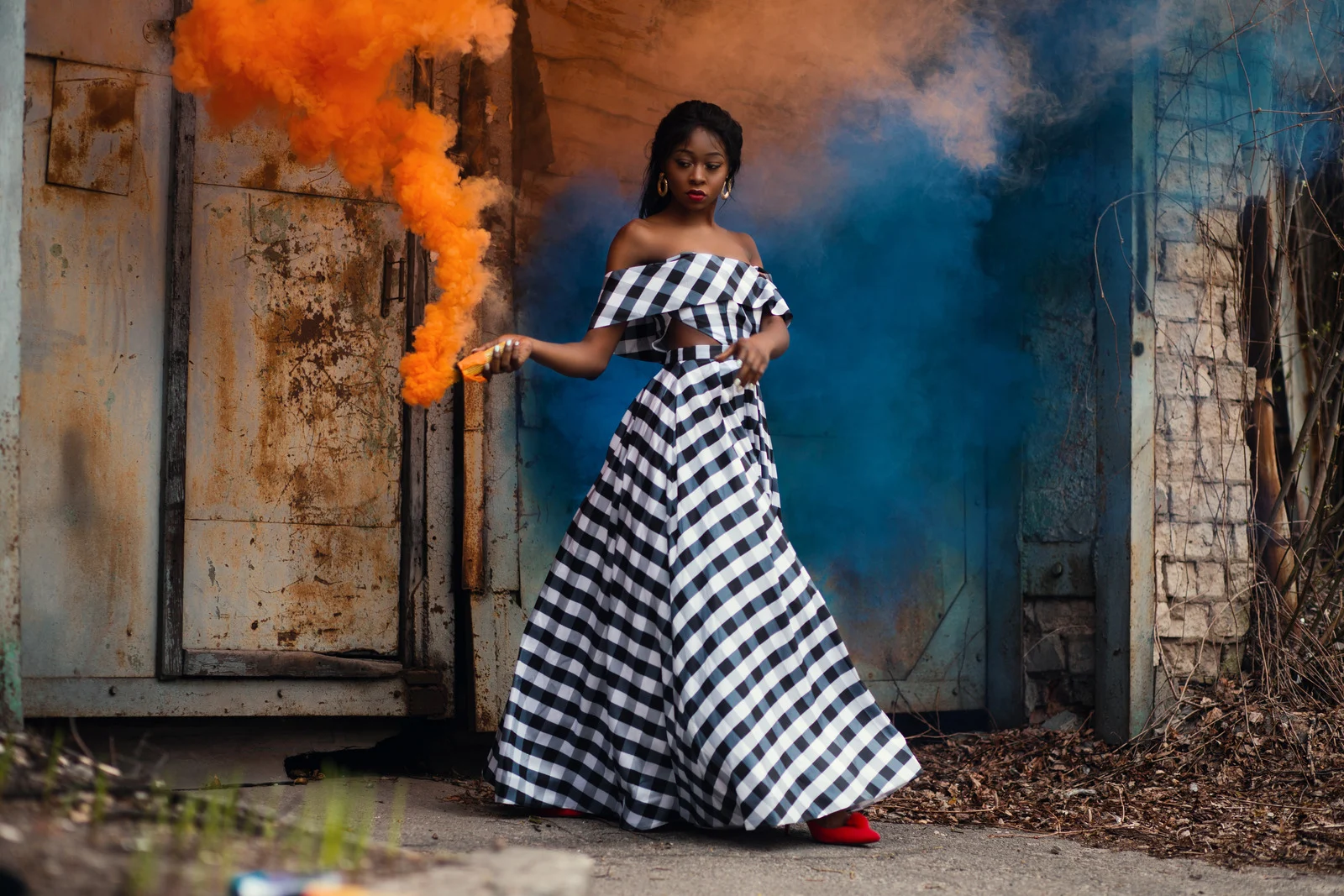
Innovation and success come from contributing solutions. Even when ideas exist, your unique approach can redefine impact. Historical example: Microsoft introduced tablets, but Apple perfected the user experience. Similarly, your version of a solution may resonate in ways predecessors could not.
“Be the instrument of change — your version matters.”
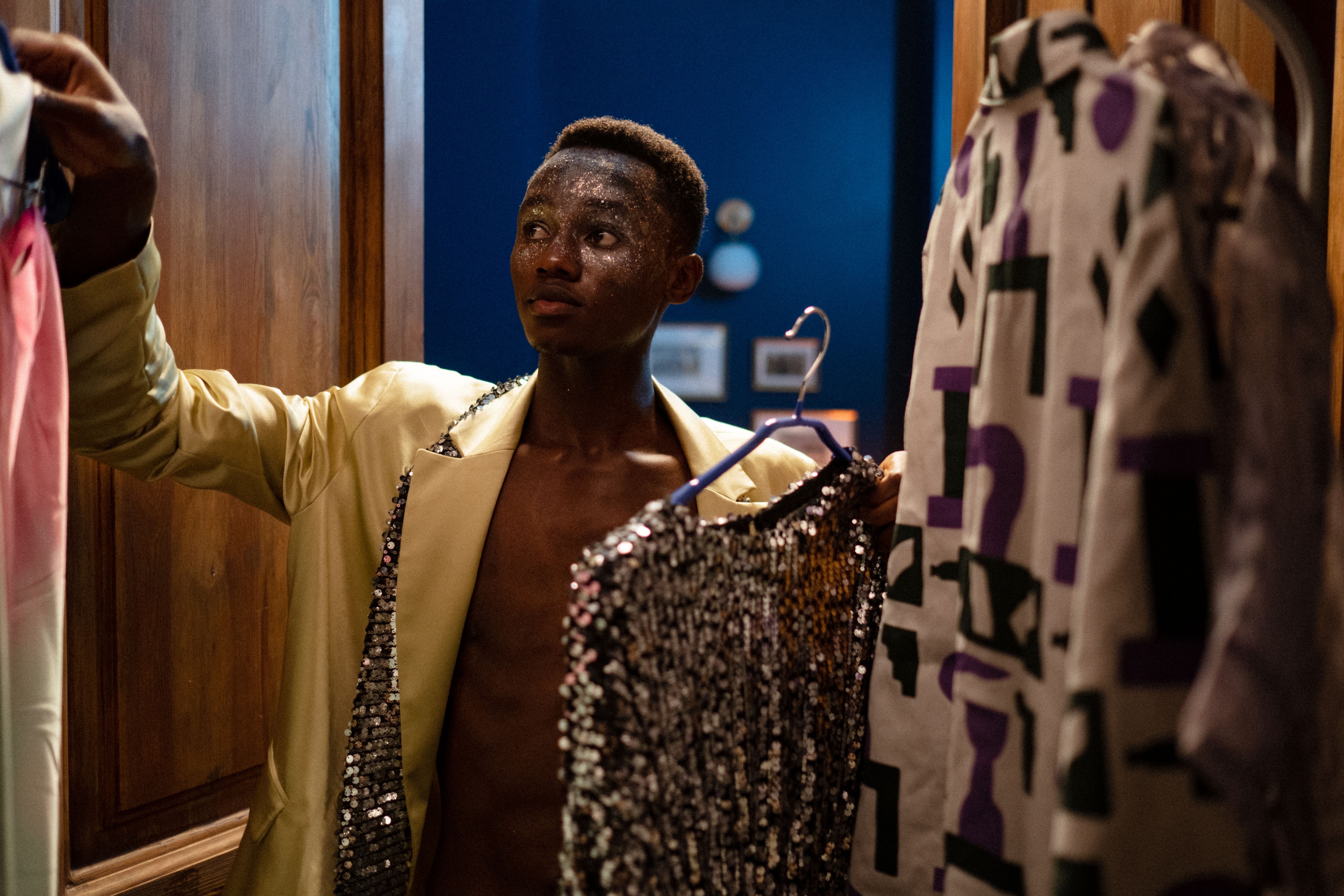
The world does not reward problems — it rewards solutions. Ask yourself the billion-dollar question: why should anyone listen to you?
Innovation is not always about being first — it is about being better. Microsoft introduced tablets. Apple perfected the experience. Many platforms existed before Facebook — only one defined a generation.
“Visibility without substance fades. Excellence compounds.”
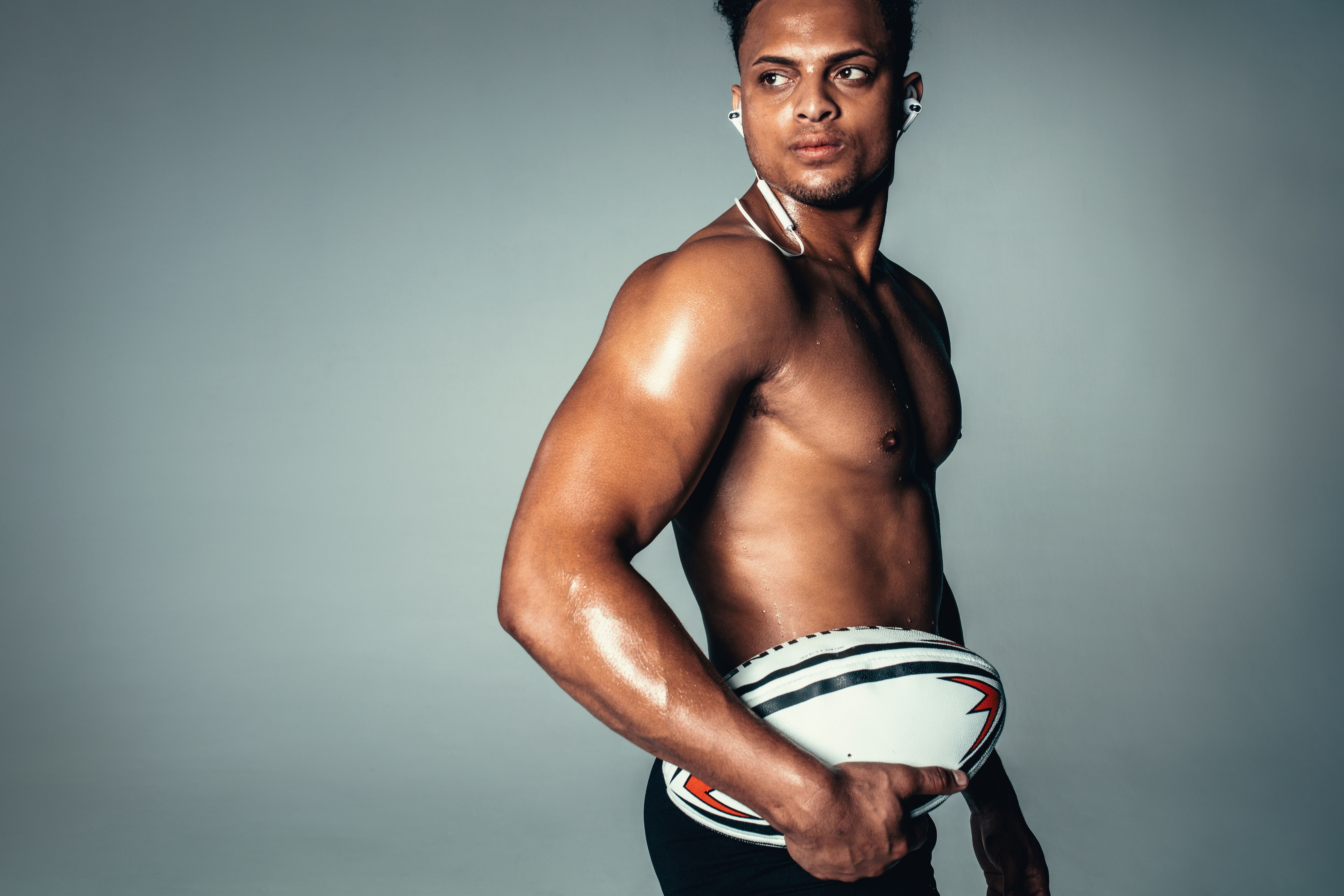
Failure is not the opposite of success — it is part of the process. Rejection sharpens resilience. Silence tests belief.
Strong brands do not disappear under pressure — they adapt, refine, and return with clarity.
“You are always marketing something — whether intentional or not.”
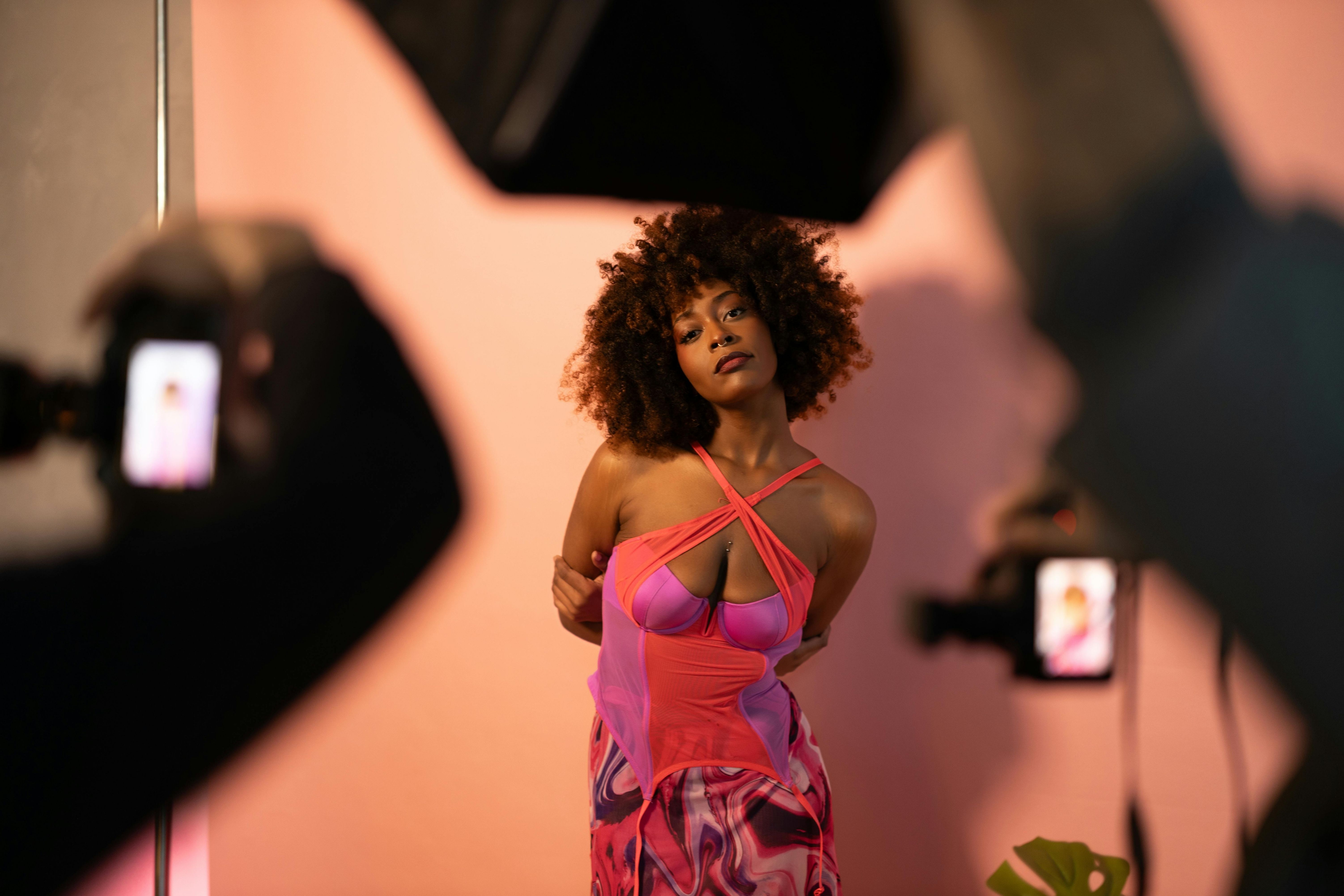
There is no perfect time. There is only preparation and execution. Momentum is built through movement.
Even when everything collapses, continuation becomes rebellion. Start moving. The right time is when you decide.
Why consistency outlives motivation.
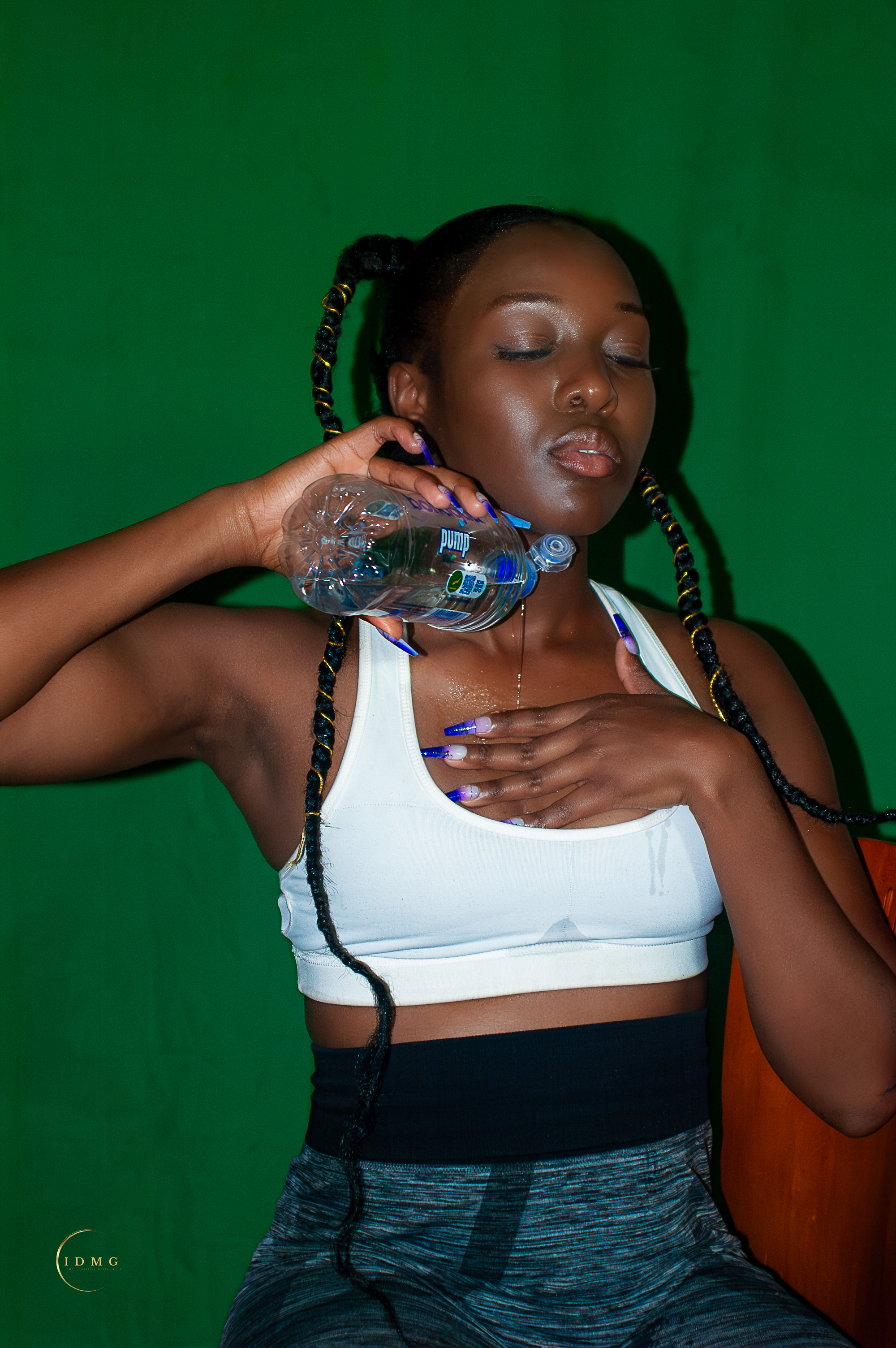
Motivation is emotional. Discipline is structural. Brands built on emotion fluctuate. Brands built on systems endure.
“Discipline is doing what needs to be done long after excitement disappears.”
The strongest brands are not exciting every day — they are reliable every day. They show up even when no one is watching.
“Consistency is the most underrated form of influence.”
Perception, positioning, and influence in the creative industries
Brand power does not begin with exposure — it begins with perception. In fashion, acting, modelling, and visual performance, value is rarely judged purely by skill. It is interpreted through context, presentation, and positioning. The ability to shape that interpretation is what separates visibility from influence.
The Pellesi experiment demonstrates this power clearly. Ordinary products were placed within a luxury setting, and instantly, perception shifted. Customers attributed higher value, quality, and desirability to items that had not physically changed. The transformation was psychological, not material.
The lesson is profound for creatives. Talent alone does not determine opportunity. Framing determines opportunity. How you present your portfolio, how your social presence is structured, how your aesthetic is curated — these are not superficial decisions. They construct perceived value.
The second video expands this further by illustrating how brands enter competitive markets not by imitating leaders, but by defining a distinct position. Strategic timing, cultural awareness, and clarity of message allow smaller players to compete with giants.
Competing in creative industries is not about volume — it is about clarity. Perspective allows you to identify what space you occupy. Are you commercial or artistic? Minimalist or expressive? Contemporary or classic? Brands — and individuals — win when they understand themselves before attempting to compete.
For actors, this means knowing your casting lane. For models, it means understanding your market positioning. For visual artists, it means clarity in visual language. Without perspective, exposure becomes noise.
Brand power compounds over time. It is reinforced by consistency, strengthened by discipline, and validated by audience trust. Short-term hype may create spikes in attention, but long-term influence is built through coherence.
Ultimately, perspective transforms effort into authority. It shifts you from participant to position-holder. It turns visibility into value.
Breaking into the creative industry is not about being discovered — it is about being positioned. Talent opens the door, but preparation, perspective and brand control determine whether you remain relevant.
In the interview below, Anthony Mackie speaks candidly about his journey to Hollywood — not as overnight success, but as disciplined progression. He emphasises training, patience and understanding the business side of performance. His message is clear: longevity beats hype.
Mackie reflects on studying theatre seriously before chasing visibility. He focused on craft, structure and understanding how the industry operates. The takeaway for emerging creatives is simple: train before you trend.
Whether you are an actor, model or multidisciplinary artist, clarity reduces friction. Casting directors and agencies do not search for “talent” — they search for fit. Are you commercial or theatrical? Editorial or runway? Cinematic or stage-driven? Define your lane early and refine it strategically.
Your portfolio is not decoration — it is positioning. Actors require strong reels showing emotional depth. Models need clean digitals, sharp headshots and range. Visual artists must present cohesive bodies of work. Scattered identity weakens brand authority.
Mackie did not leap into blockbuster films. He built stage credibility. Independent projects. Relationships. The same applies across the UK industry landscape. Student films, local designers, fringe theatre, independent galleries — these are leverage points. They compound into credibility.
In modelling and acting, reliability builds brand equity. Arriving prepared. Knowing your lines. Respecting call times. Maintaining health, presentation and professionalism. The industry remembers behaviour long after social media forgets trends.
Early exposure creates noise. Long-term relevance creates legacy. Sustainable careers are built on:
Mackie highlights perspective — understanding where you stand in the industry ecosystem. Not every opportunity aligns with long-term architecture. Your name becomes your brand. Guard it strategically.
Cutting into the industry is not about forcing entry. It is about entering prepared — with craft, discipline and strategic awareness.
Master the craft. Control the narrative. Build for longevity.
How New Balance grew without chasing attention.
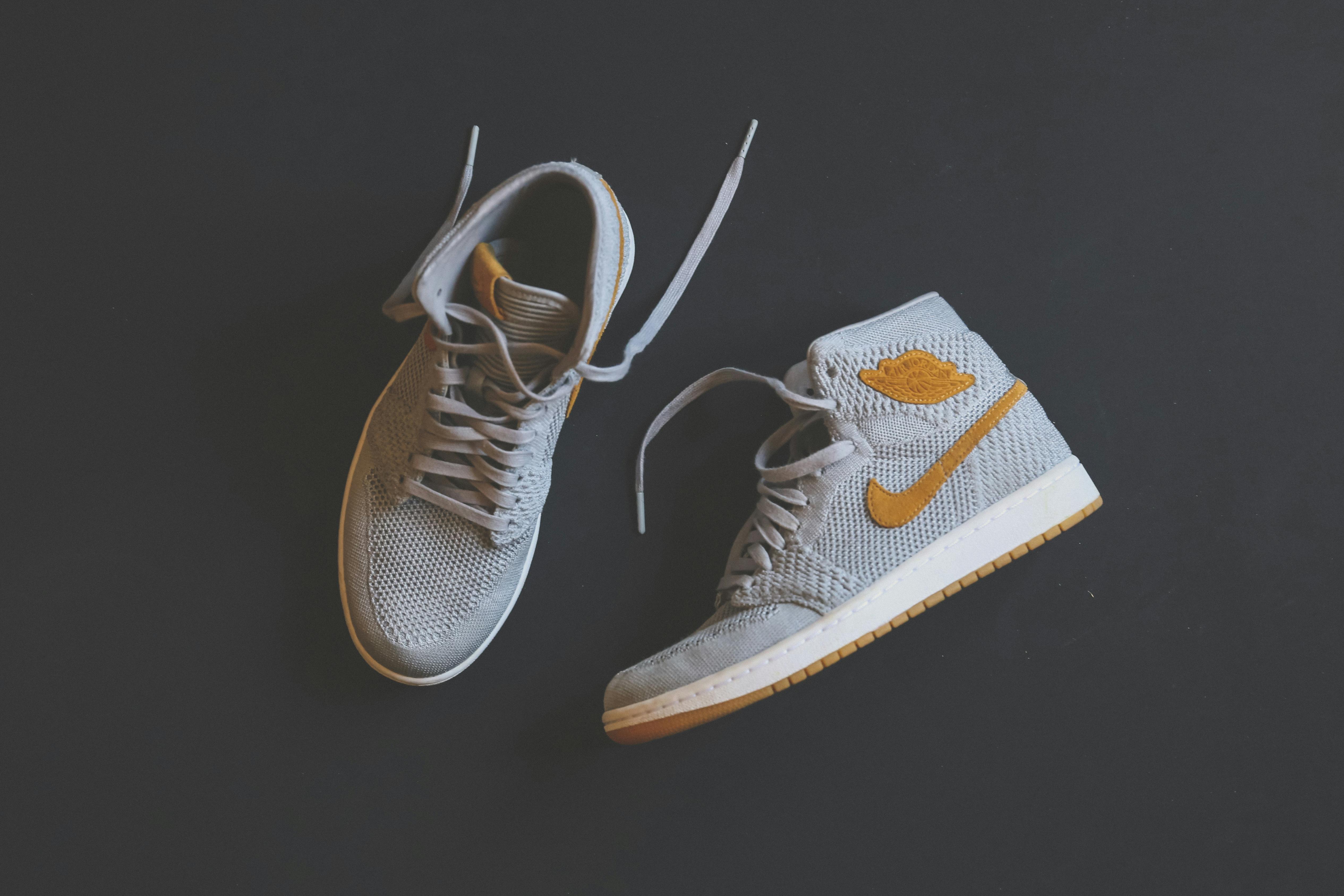
New Balance began in 1906 with no ambition to dominate culture. No celebrity deals. No global hype. No trend forecasting.
The brand focused on one principle only: balance. Originally producing orthopedic arch supports, New Balance built credibility through function — not image.
This early restraint shaped a rare brand identity: a company comfortable growing quietly while others chased noise.
New Balance was not endorsed by stars — it was worn by people who valued substance. That distinction would later become its power.
Why imitation was never part of the strategy.

While Nike built aspiration and Adidas built global dominance, New Balance built trust.
Manufacturing locally. Designing for fit. Refusing shortcuts. These choices slowed scale but strengthened integrity.
When fashion later embraced authenticity, New Balance did not rebrand — it was already there.
The brand’s so-called “dad shoe” became a cultural signal: confidence without validation, identity without performance.
New Balance didn’t follow culture. Culture eventually found it.
How New Balance quietly challenged Nike and redefined brand relevance
New Balance’s rise into the same conversation as Nike is not a story of hype or celebrity endorsement — it is a story of strategy, identity, and selective positioning. Trust was built quietly, value was delivered consistently, and relevance emerged organically.
In contrast to Nike’s global celebrity-backed campaigns and cultural spectacle, New Balance focused on function, craftsmanship, and partnerships that aligned with its own heritage. The result? A brand that became respected for its authenticity rather than its noise — a brand that was once “endorsed by no one” and “followed by no one,” and yet now stands in dialogue with the biggest players in the industry.
This strategic posture is reflected in how New Balance chose collaborators: rather than pursuing every star available, it invested in those whose values mirrored its own — from heritage running communities to designers and icons in sport. These choices did not bring instantaneous ubiquity, but they built sustainable cultural relevance.
Competing with Nike does not mean copying Nike. True competition means understanding what makes your own brand unique and emphasising that uniqueness in every decision — from product design to partnerships to audience engagement.
New Balance proved that authority is earned over time, not granted at launch. When a brand remains true to its values and its audience, relevance follows — even in markets dominated by spectacle and sponsorship.

In the age of followers and filters, the runway still demands something algorithms can’t teach: discipline, structure, and industrial validation.
Social media blurred many lines: celebrity and creator, consumer and critic, model and influencer. To the outside world, they often look the same — same poses, same brands, same timelines. But within the fashion industry, the distinction is sharp.
Models are trained to disappear into the garment. The brief is the star — silhouette, fabric, cut, movement. The model’s job is to become a living canvas, translating a designer’s idea into a moving image without overshadowing it.
Influencers, by contrast, are built to be seen. Their value lies in visibility, personality, and audience engagement. They aren’t asked to disappear — they are hired precisely because they do not.


Followers can be earned quickly. Modeling skills cannot. Years of repetition sit behind every “effortless” pose that lands in a campaign.
Professional models train in posture, walk, body awareness, and emotional control. They learn how fabric falls, how light shapes a body, how a tiny shift of the chin can change the entire mood of an image. Their task is to carry the designer’s vision with precision and restraint.
Influencers, on the other hand, excel in communication, relatability, and digital marketing. They build communities, decode analytics, and turn everyday moments into content loops. They are storytellers of their own lives first, and brand extension second.
Both roles are valuable. But they are not interchangeable. A large following cannot replace the craft of runway work, just as a flawless walk cannot substitute for the parasocial connection influencers build with their audience.
In fashion, not all visibility is equal. A viral video can get you noticed. Industrial validation gets you remembered.
For models, validation comes when:
For influencers, industrial validation happens when:
Anyone can build a following. Not everyone earns sustained respect. That respect is built on consistency, discipline, and a clear professional standard, whether you’re standing in front of a runway backdrop or a ring light.
Passion is the spark; structure is the engine. Most careers in fashion begin with a feeling — the thrill of a camera flash, the excitement of posting a look, the joy of being seen. But careers only last when that emotion is anchored in a plan.
For models, structure looks like:
For influencers and digital creators, structure looks like:
The industry doesn’t reward chaos; it rewards clarity. You can’t rely on being “discovered” in a random scroll. You build your own discovery by investing in skills, systems, and self-knowledge.
In a world of heavy filters and trend templates, visual identity becomes more than aesthetics. It’s a language — a way of saying, “This is me,” even when the industry tries to push you into a template.
Your visual identity sits at the intersection of:
For models, that might mean embracing features once labelled “commercially difficult” and watching them become your signature. For influencers, it might mean resisting algorithm pressure to copy everyone else’s aesthetic just to chase reach.
Ultimately, the strongest careers are not built on looking like everyone else. They’re built on being recognisably, consistently yourself.
Influencers and models both shape how we see fashion — but they do it through different crafts, different structures, and different expectations. The future of the industry doesn’t erase either role; it asks them to be clearer, more intentional, and more professional than ever.
“Your visual identity is not just how the world sees you — it’s how you see yourself when no one is watching.”


Confidence in motion. Storytelling through fashion.

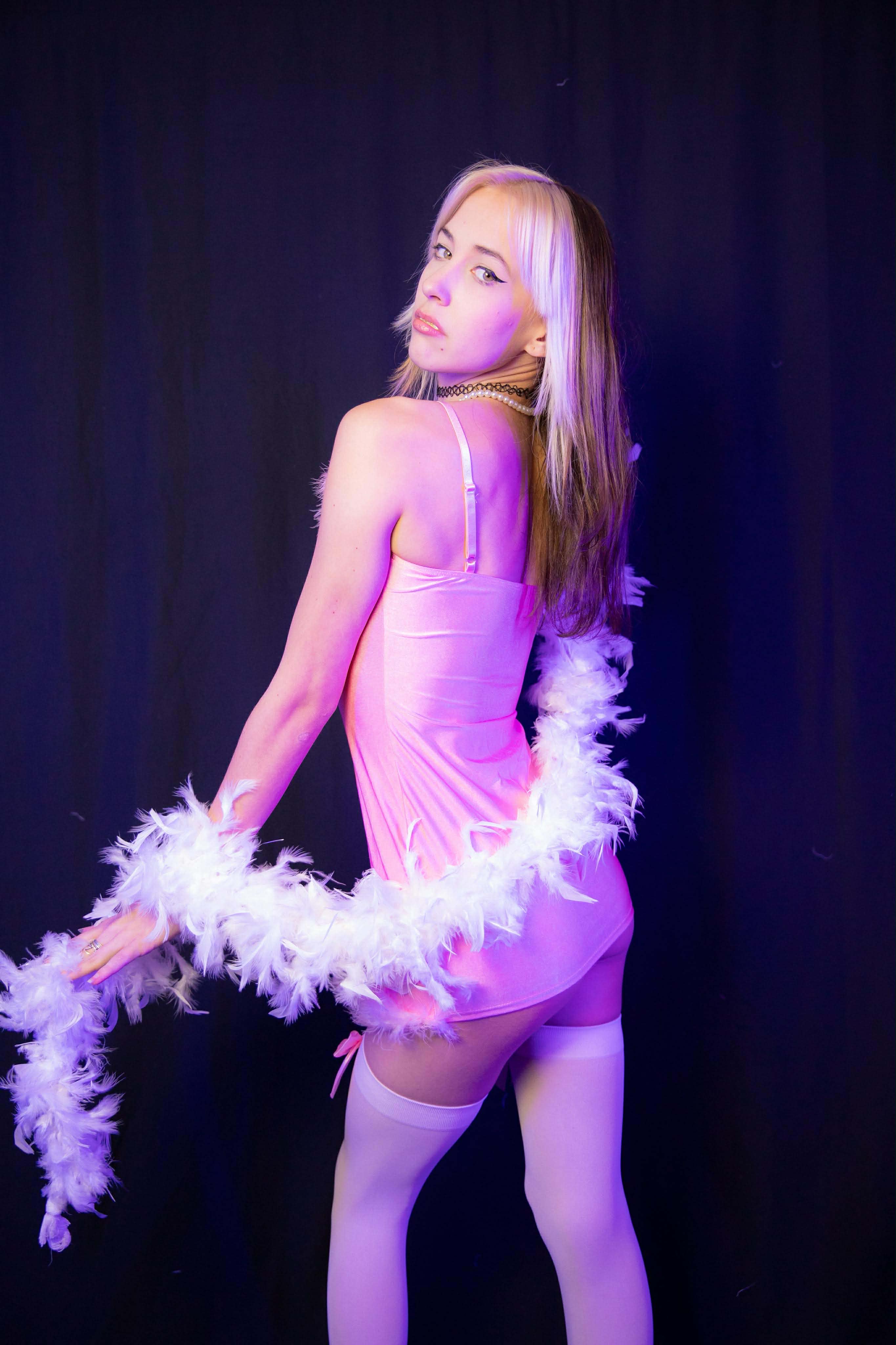
I am a Florida-based fashion model with hands-on experience in photoshoots, promotional modeling, brand representation, and creative-led events. I approach every project with intention, confidence, and professionalism, using fashion as a medium for storytelling and visual impact.
My presence in front of the camera is grounded in adaptability and emotional range. Whether working on editorial concepts or brand activations, I focus on delivering imagery that feels authentic, expressive, and aligned with the narrative of each collaboration.
I am the founder of Booked & Busy, a creative platform designed to connect models, photographers, and brands to produce high-impact visuals and meaningful collaborations.
Building creative ecosystems is a core part of my work. I believe fashion is strongest when it is collaborative, inclusive, and driven by shared vision.
My long-term goals include representing iconic global brands, walking and modeling for Victoria’s Secret, and appearing on the cover of Sports Illustrated.
As I grow, my focus remains on elevating both my personal career and the creatives I work alongside — creating opportunities, visibility, and lasting impact through fashion.
Based in Ponte Vedra Beach, FL



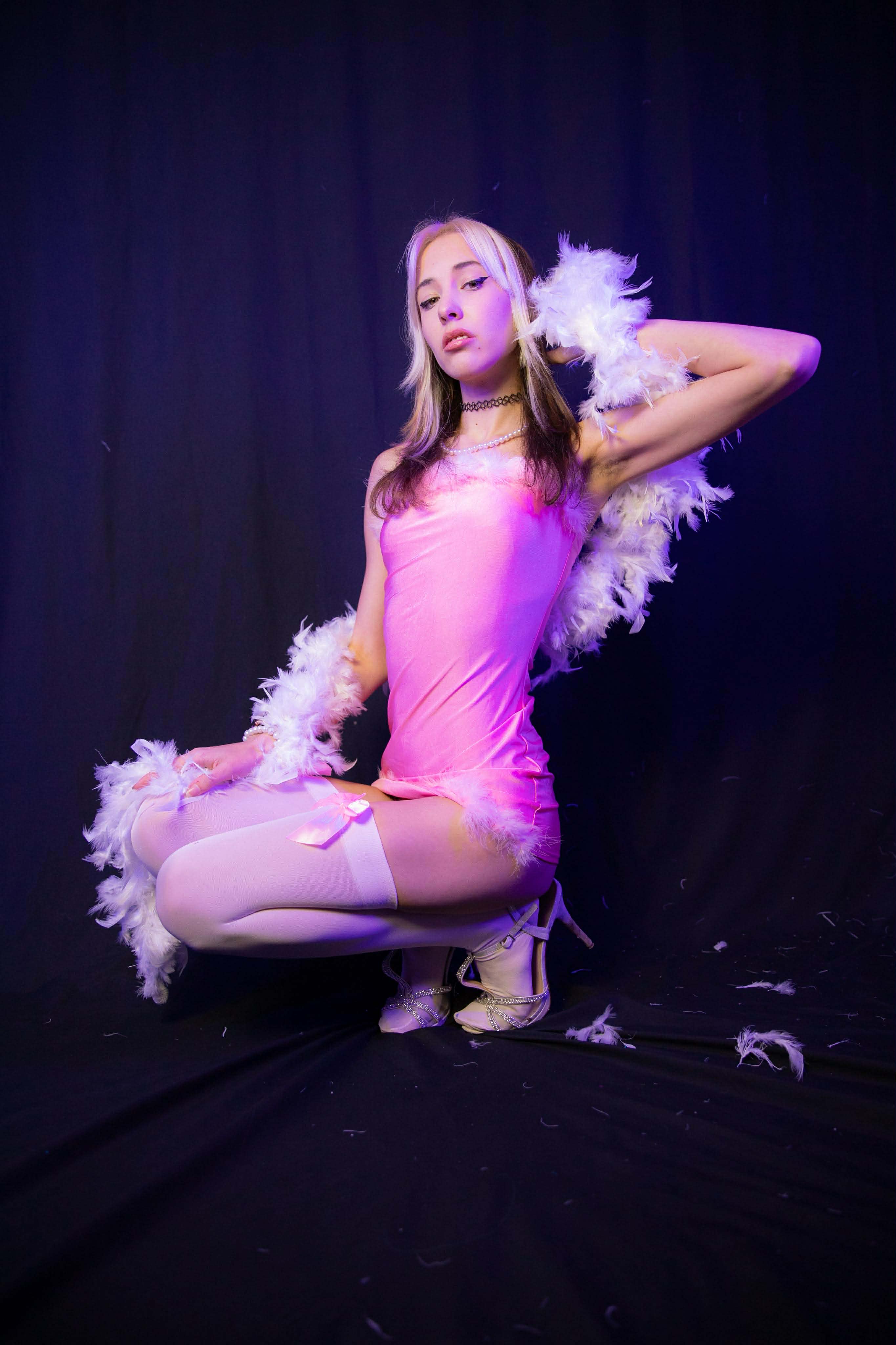



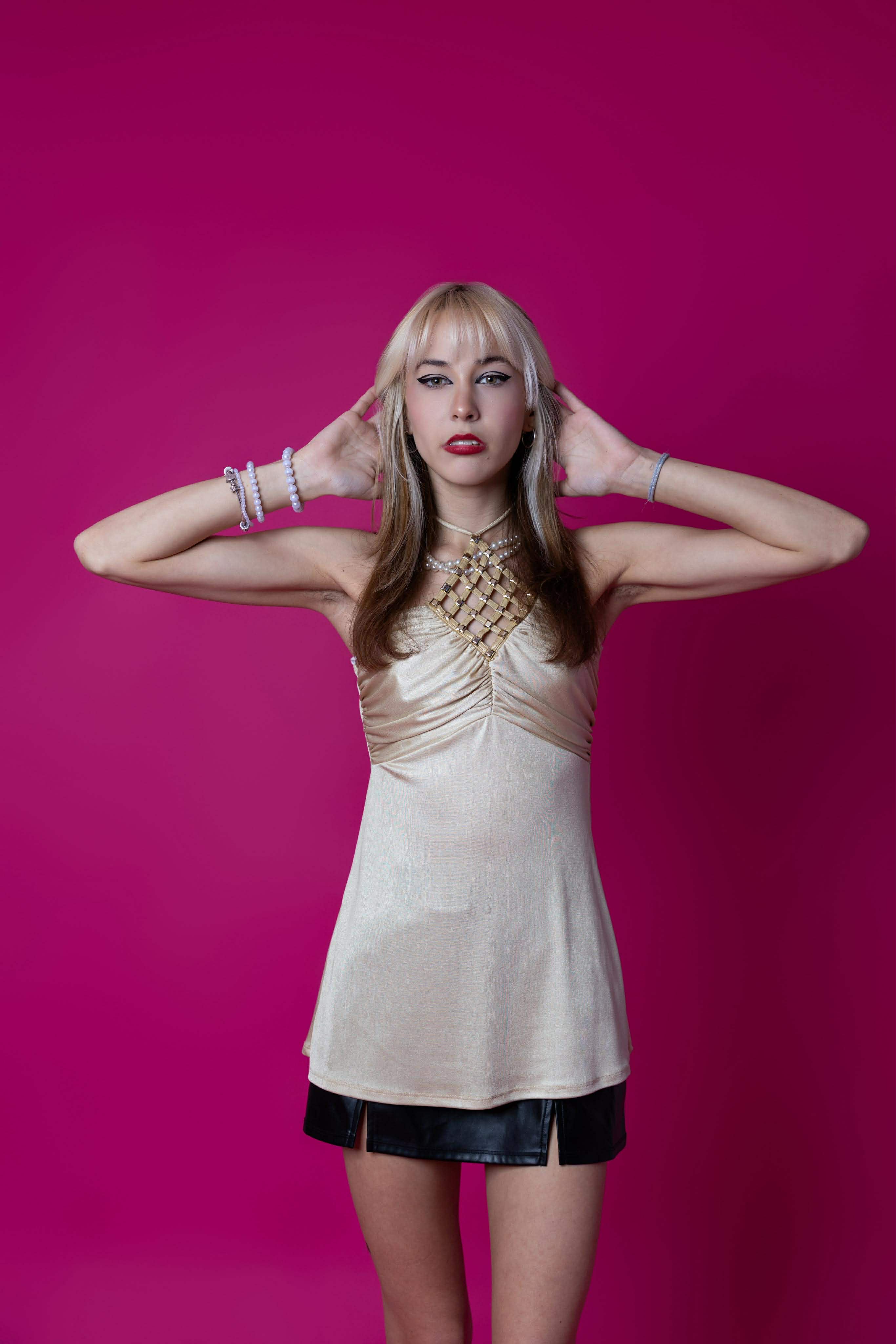

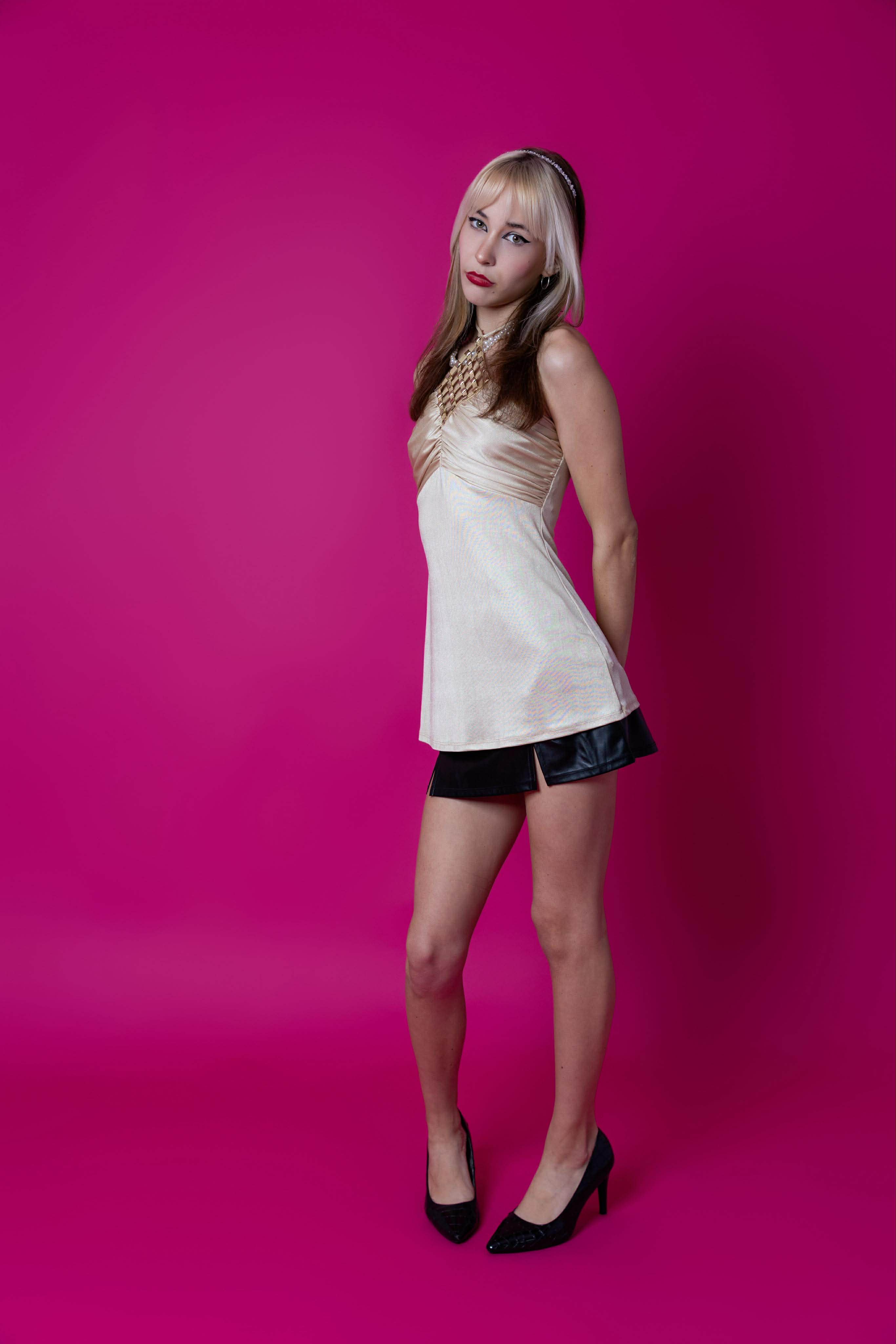
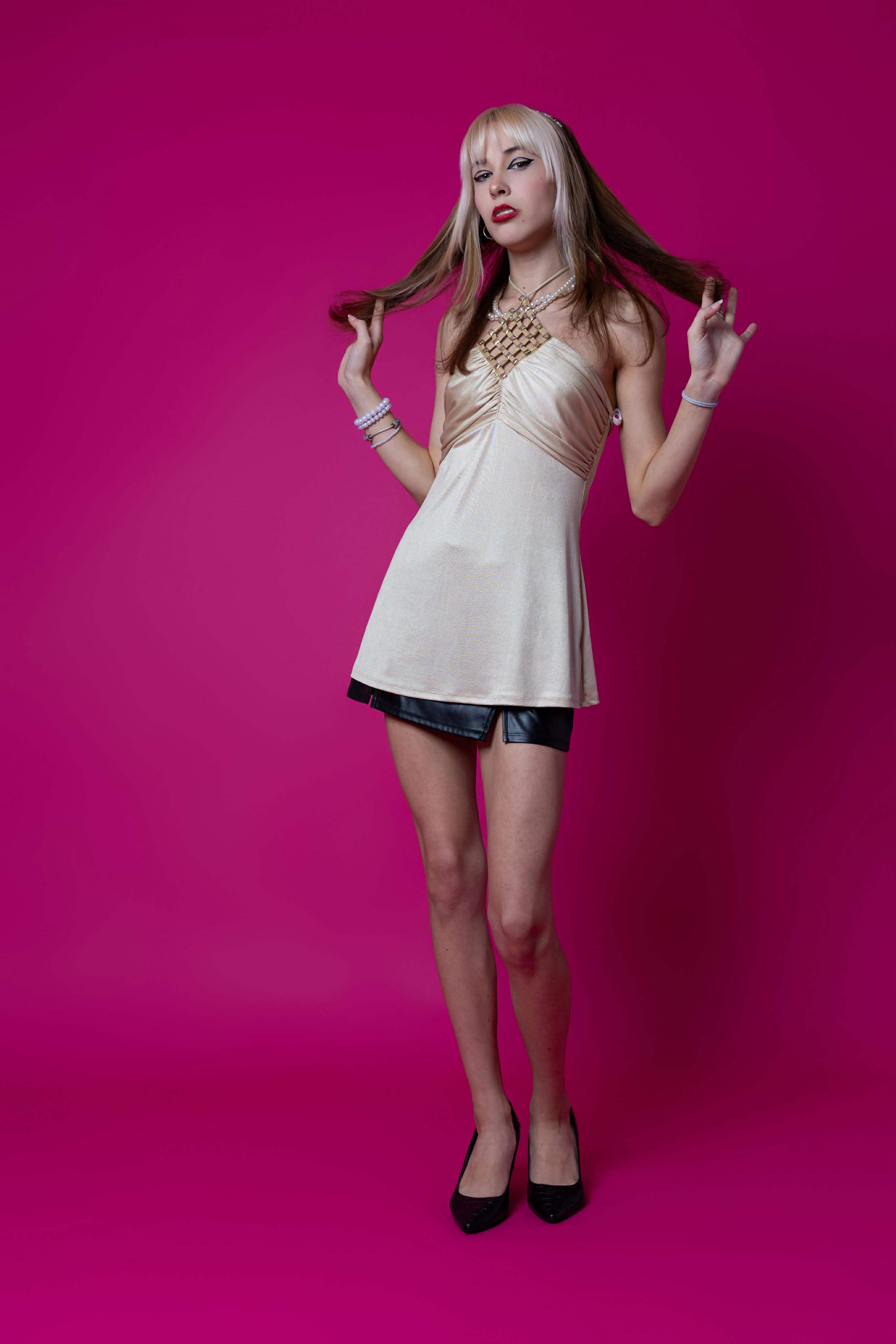
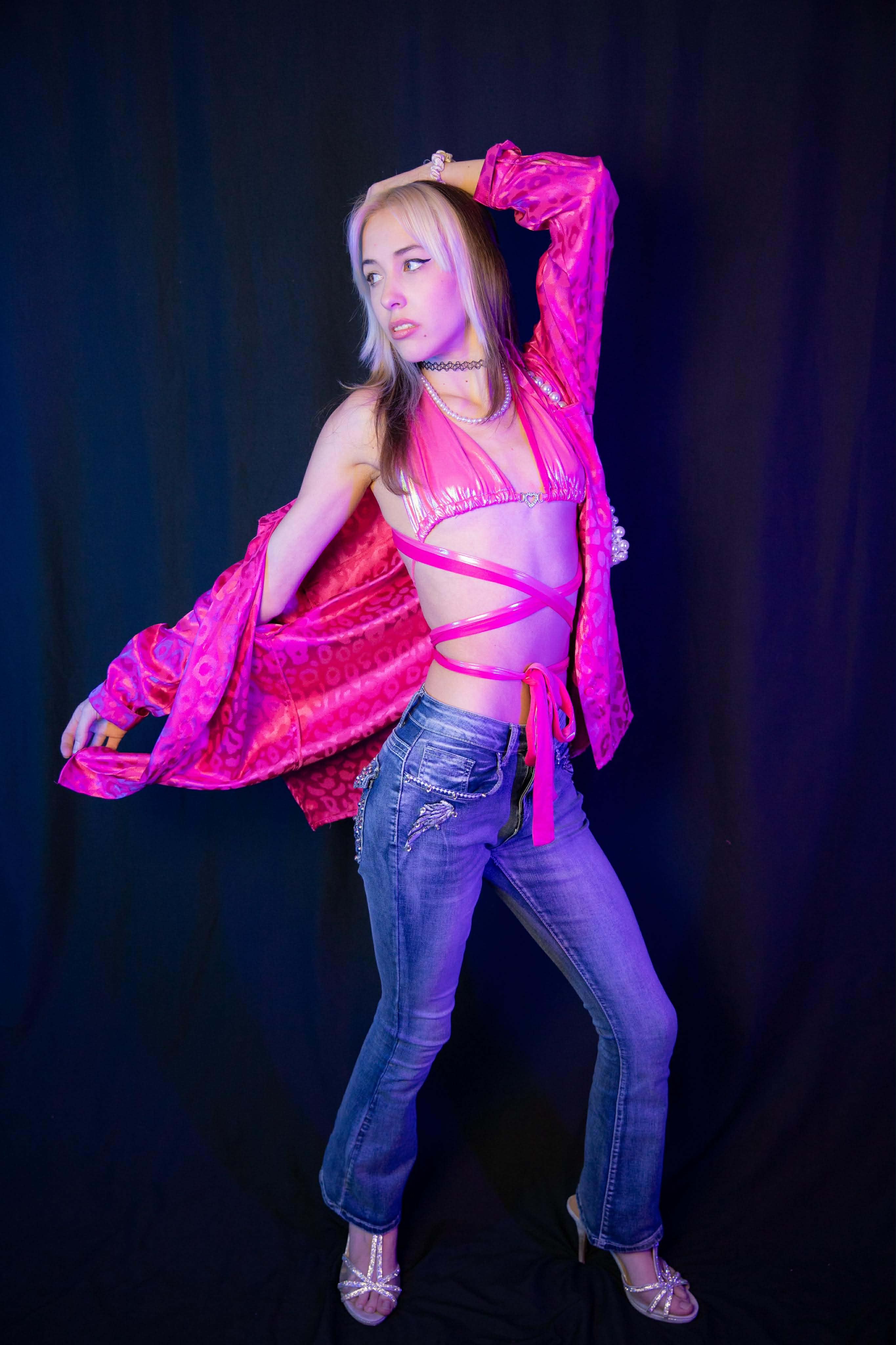
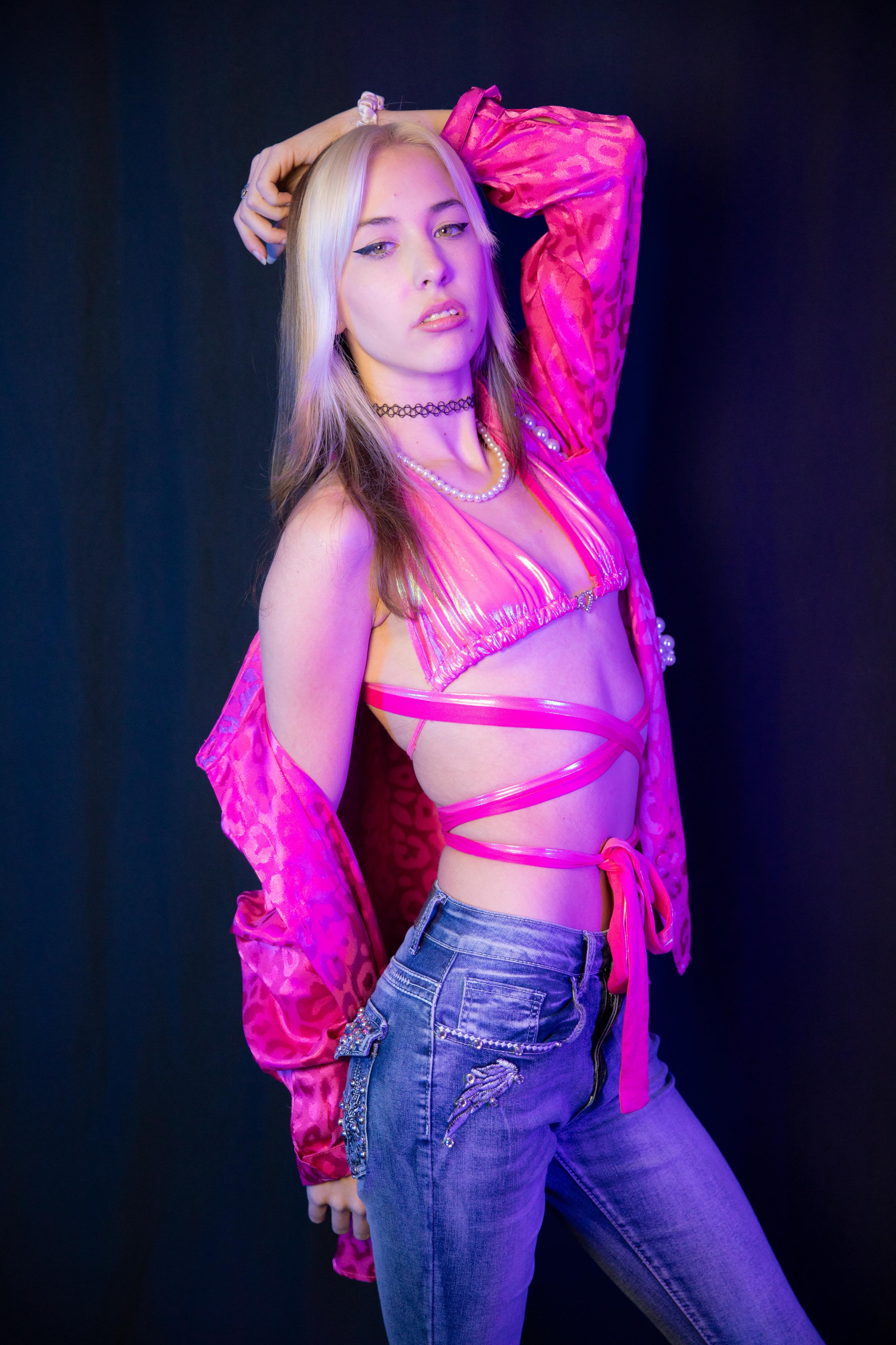
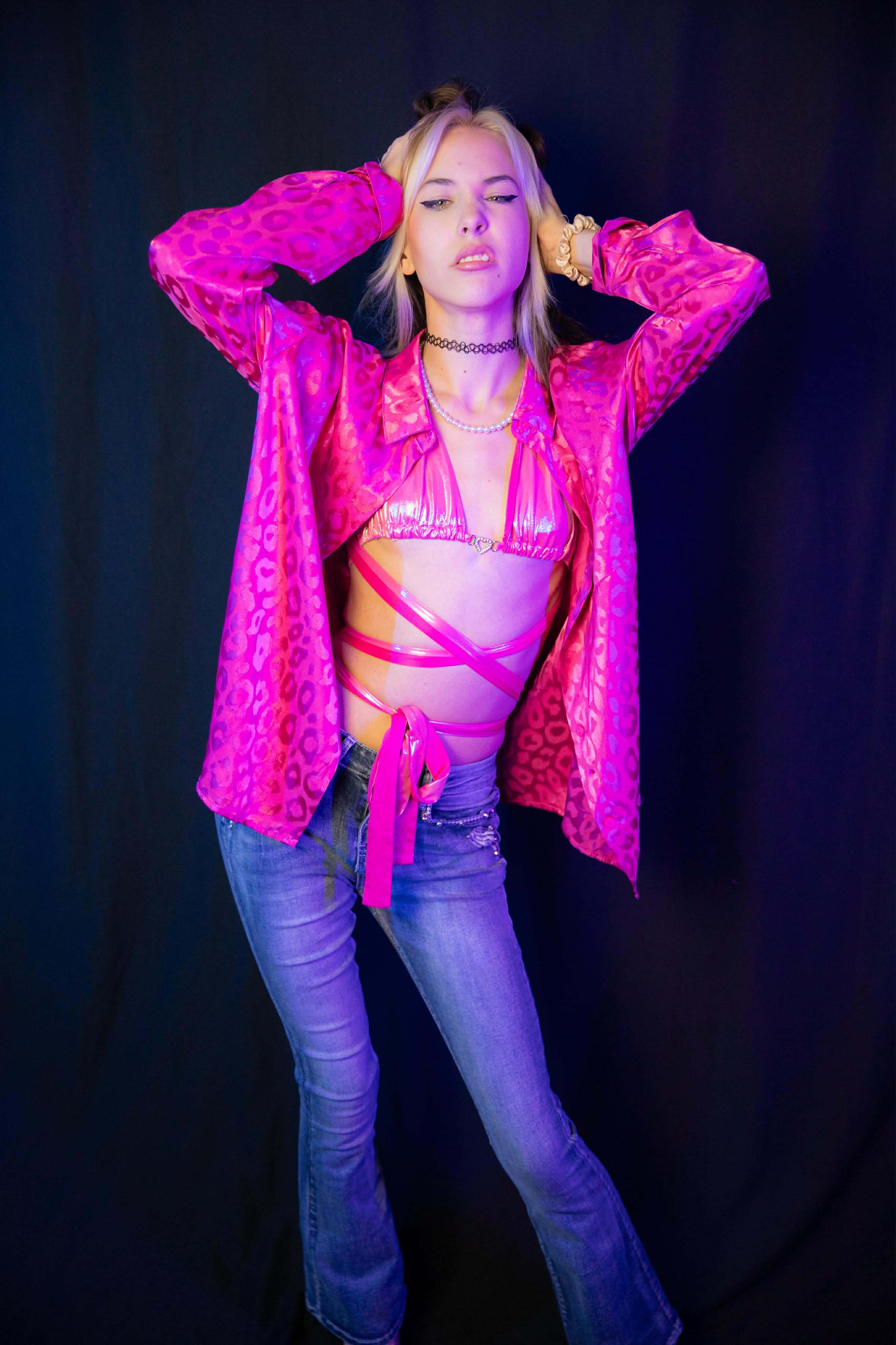








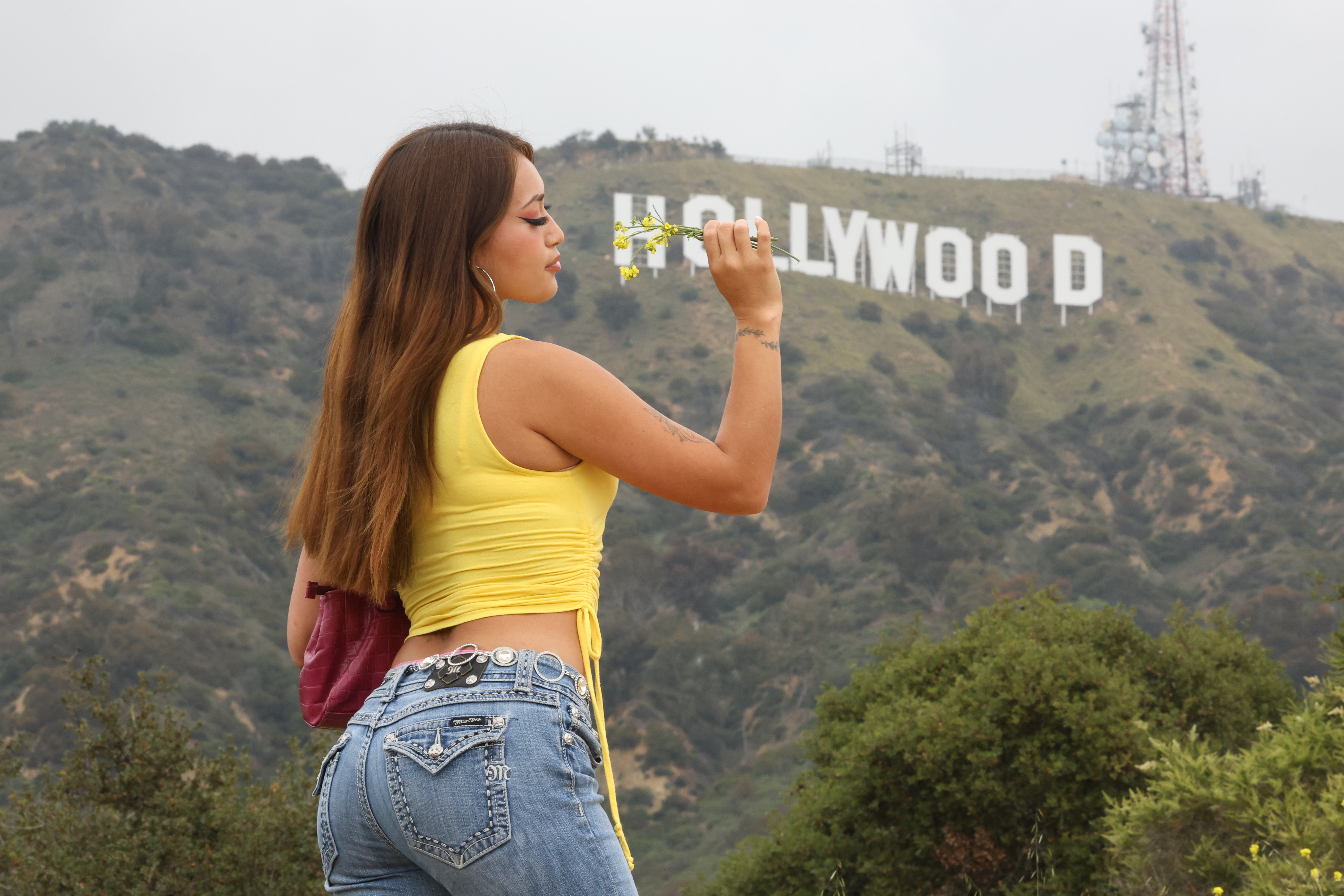
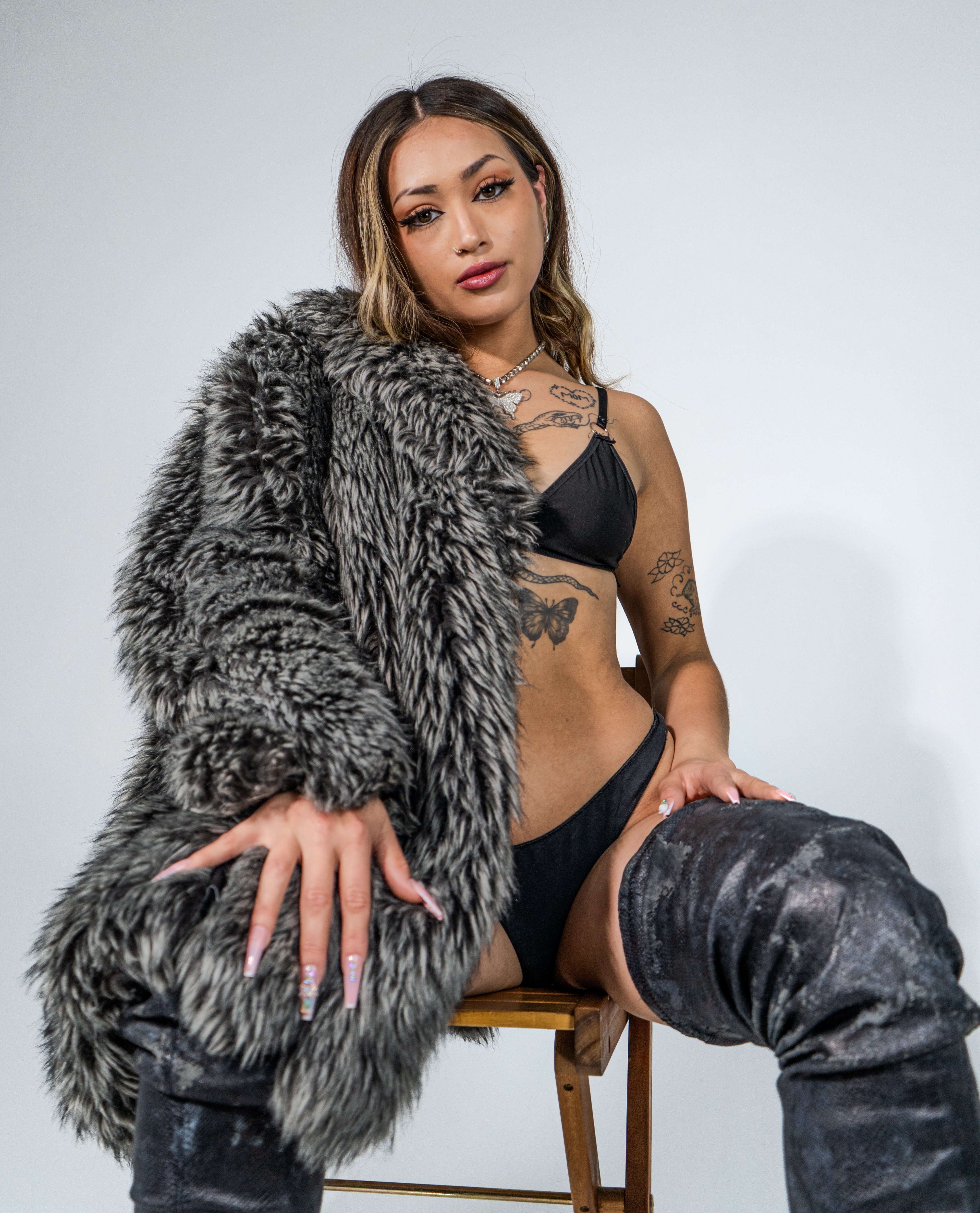
Sagery Brunetti, a Chilean-born fashion model, makeup artist, and hair stylist based in Los Angeles, California. My professional focus is within the fashion industry, working primarily in editorial photoshoots and music video productions.
I approach modeling as a creative and evolving discipline. Each project is an opportunity to learn, refine skills, and contribute meaningfully to the visual narrative of fashion and music.
My journey into modeling developed organically from my background in beauty and styling. Working closely with creative teams allowed me to understand the construction of fashion imagery from both a technical and artistic perspective.
I feel especially connected to editorial photoshoots and music productions, where collaboration, experimentation, and storytelling are essential. I am deeply committed to continuous growth, seeking to expand versatility and strengthen presence with every project.
I am an editorial-focused fashion model with experience in music video productions and beauty-driven fashion content. My work is defined by professionalism, adaptability, and strong visual awareness.
Based in Los Angeles, CA
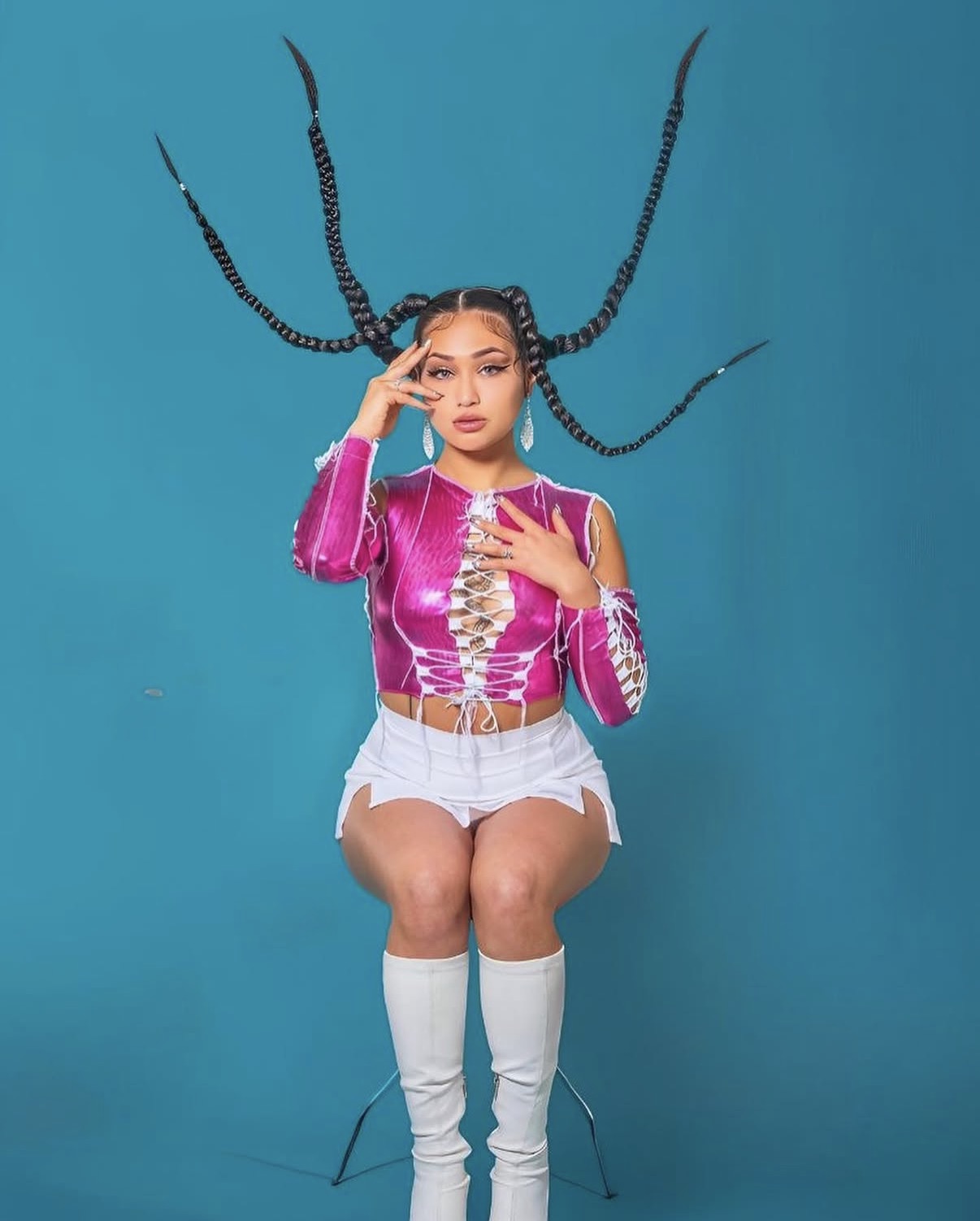
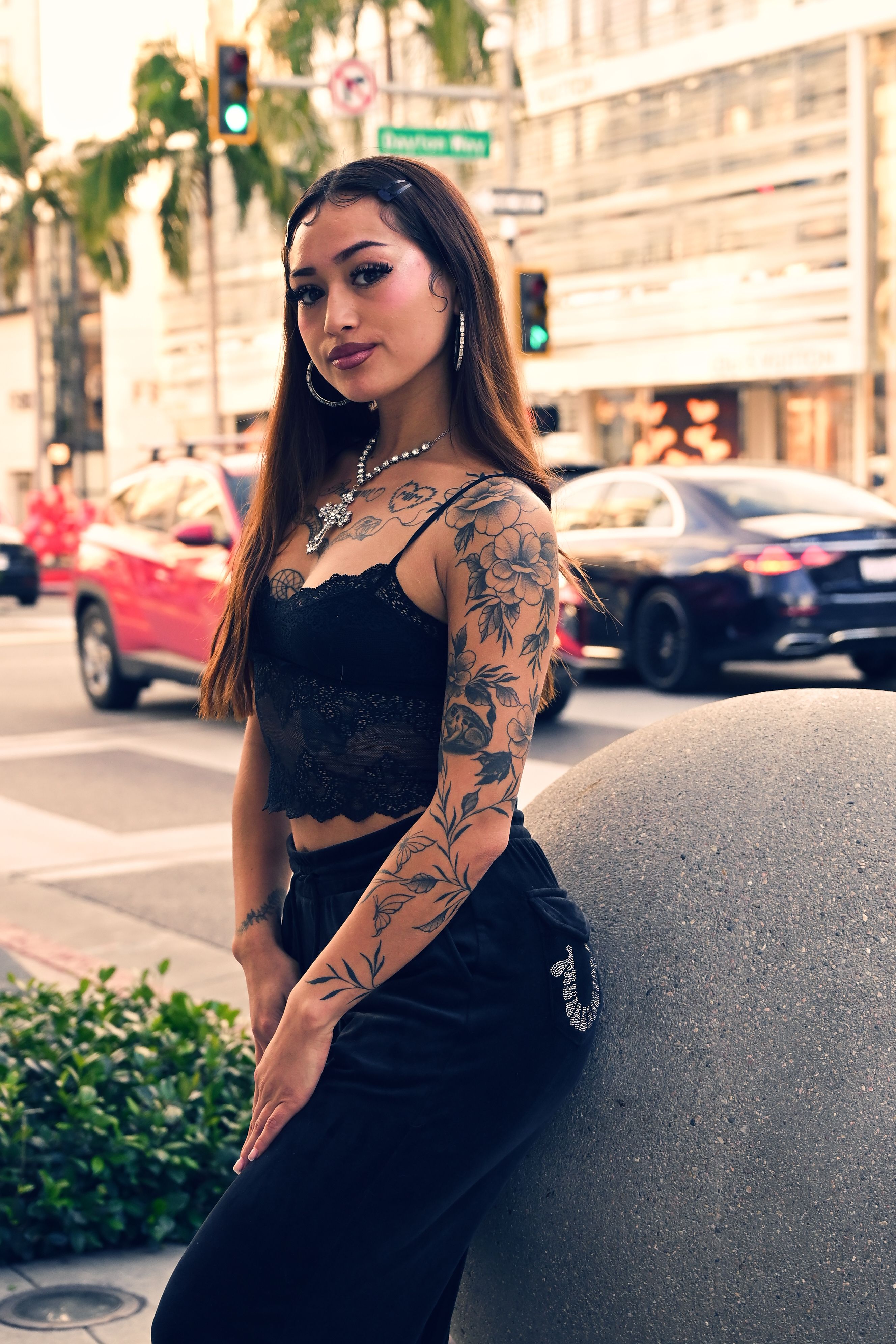

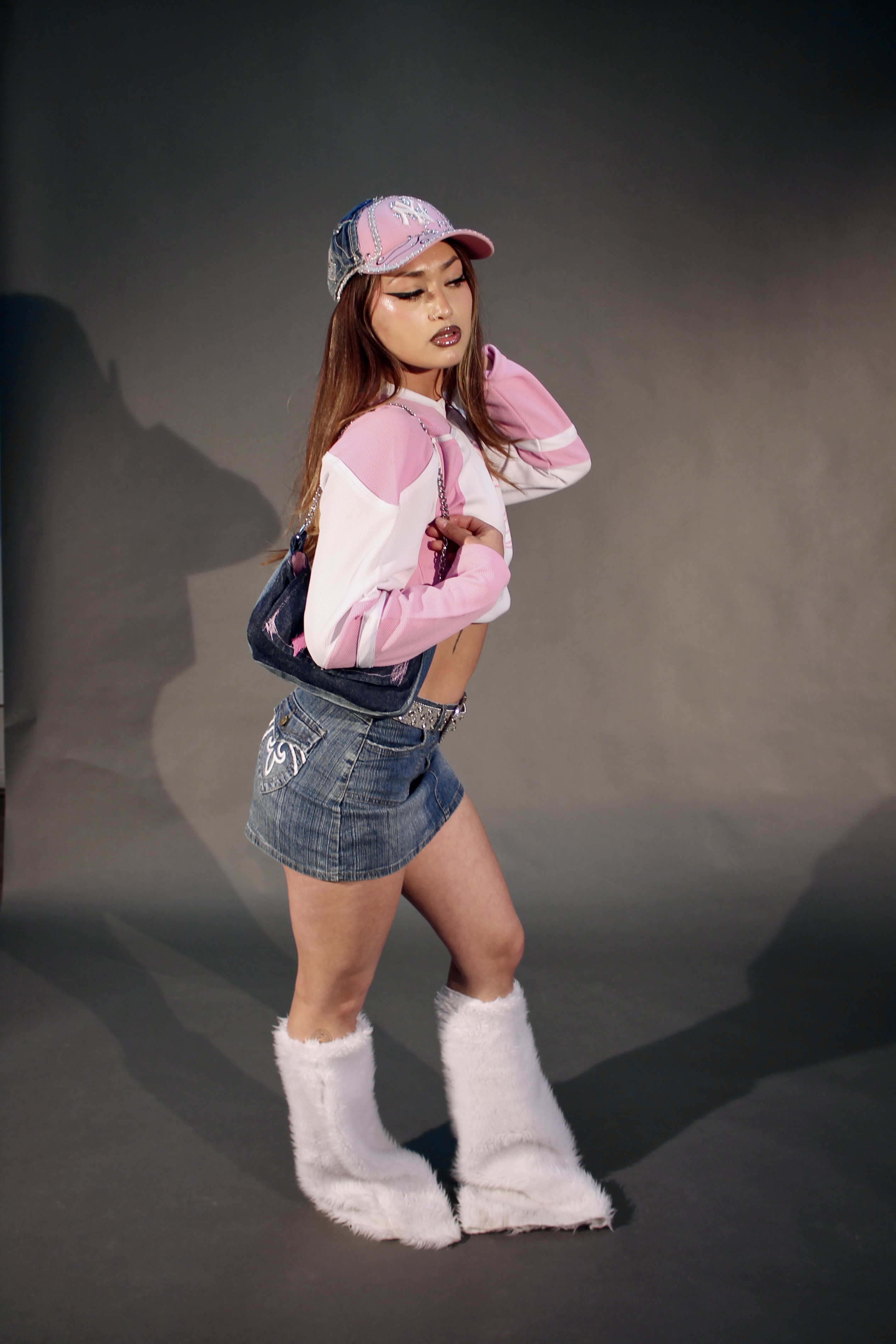



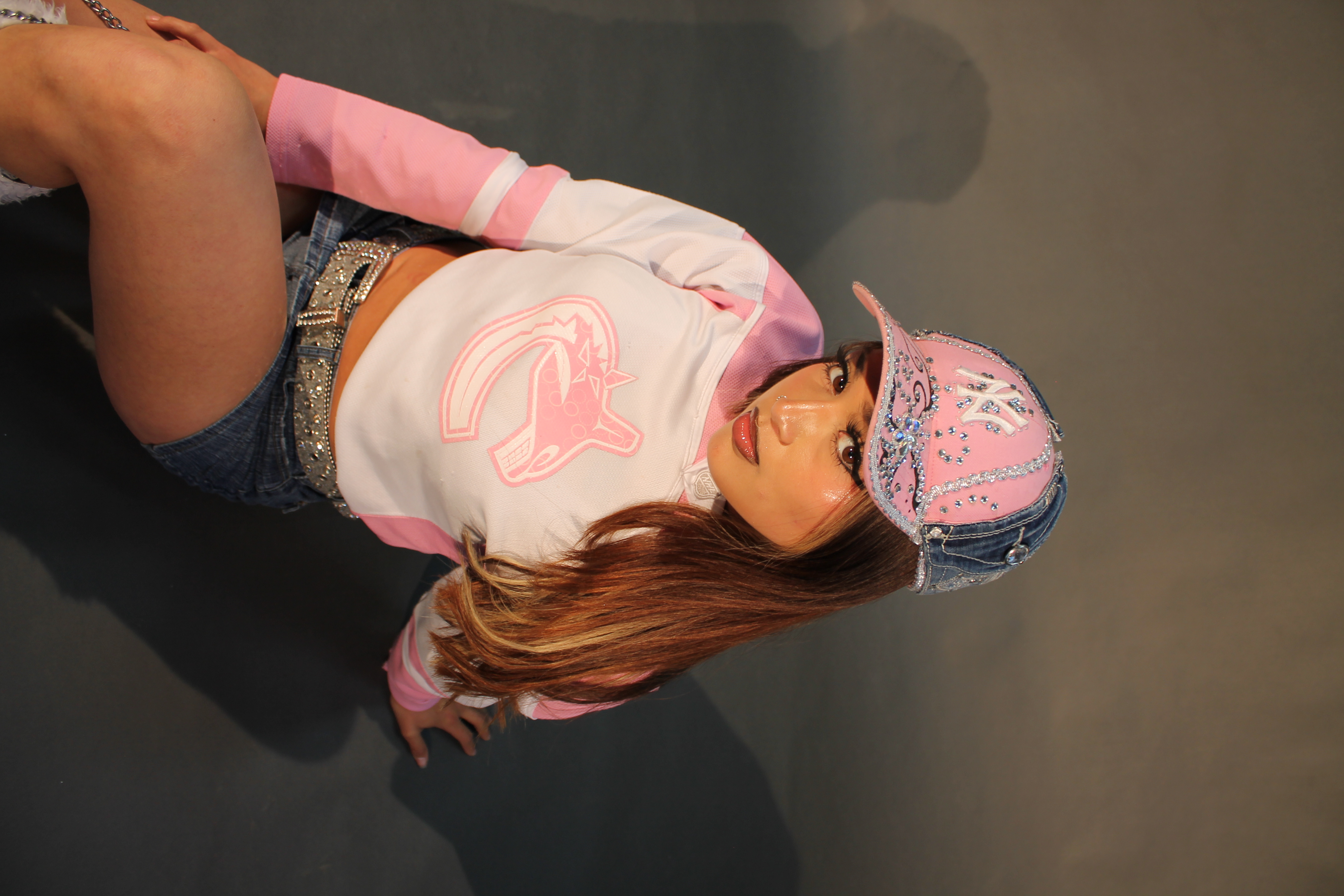
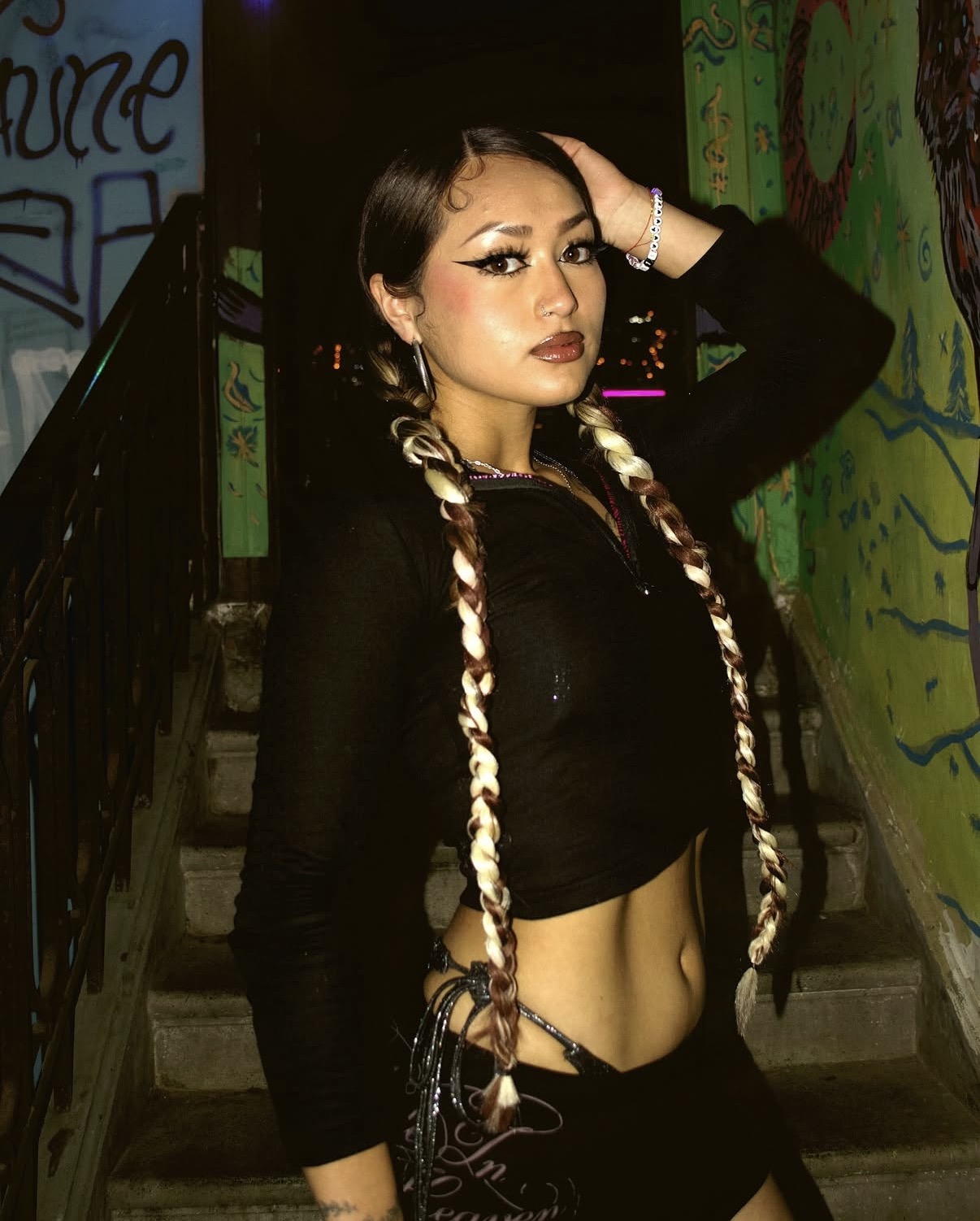
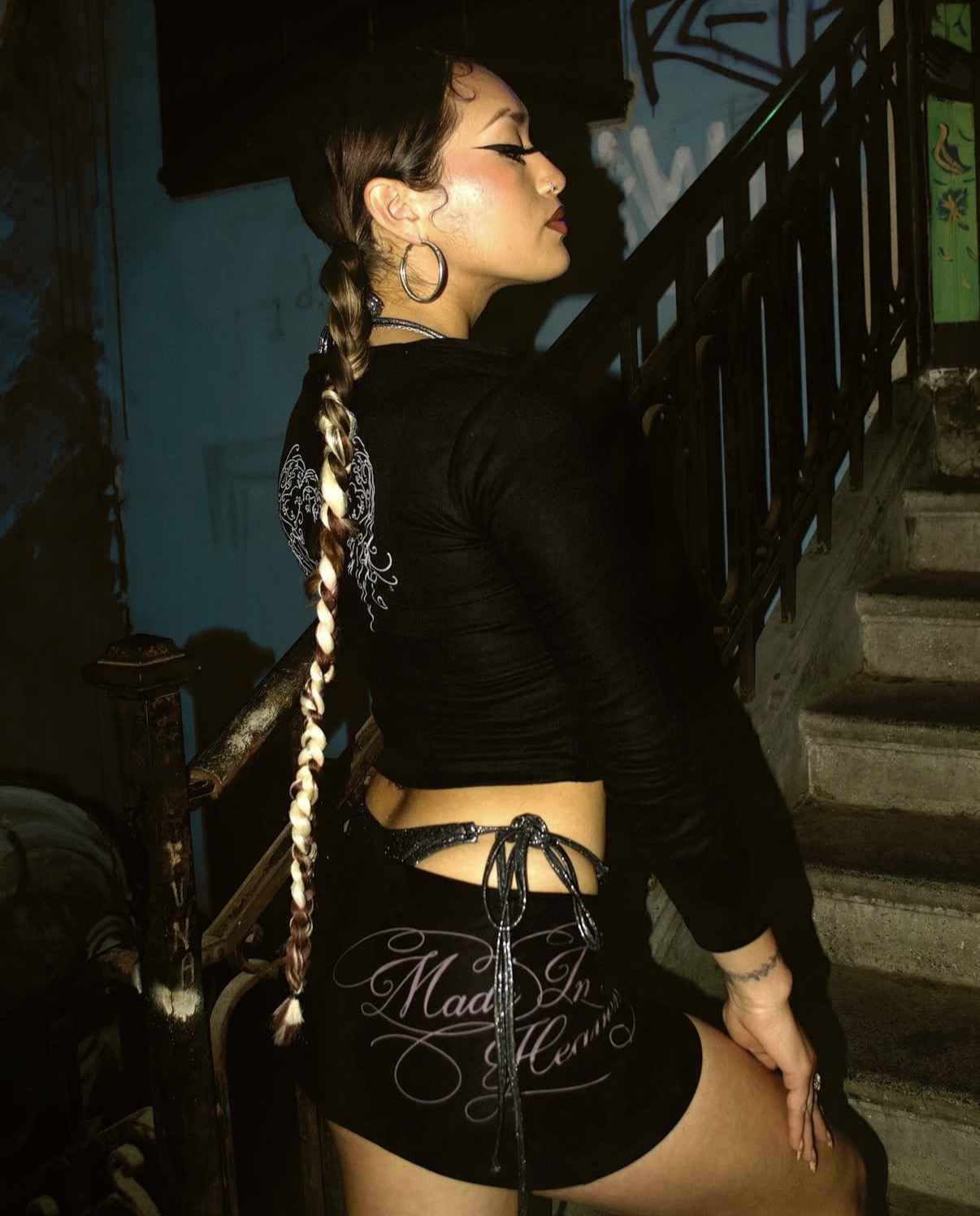

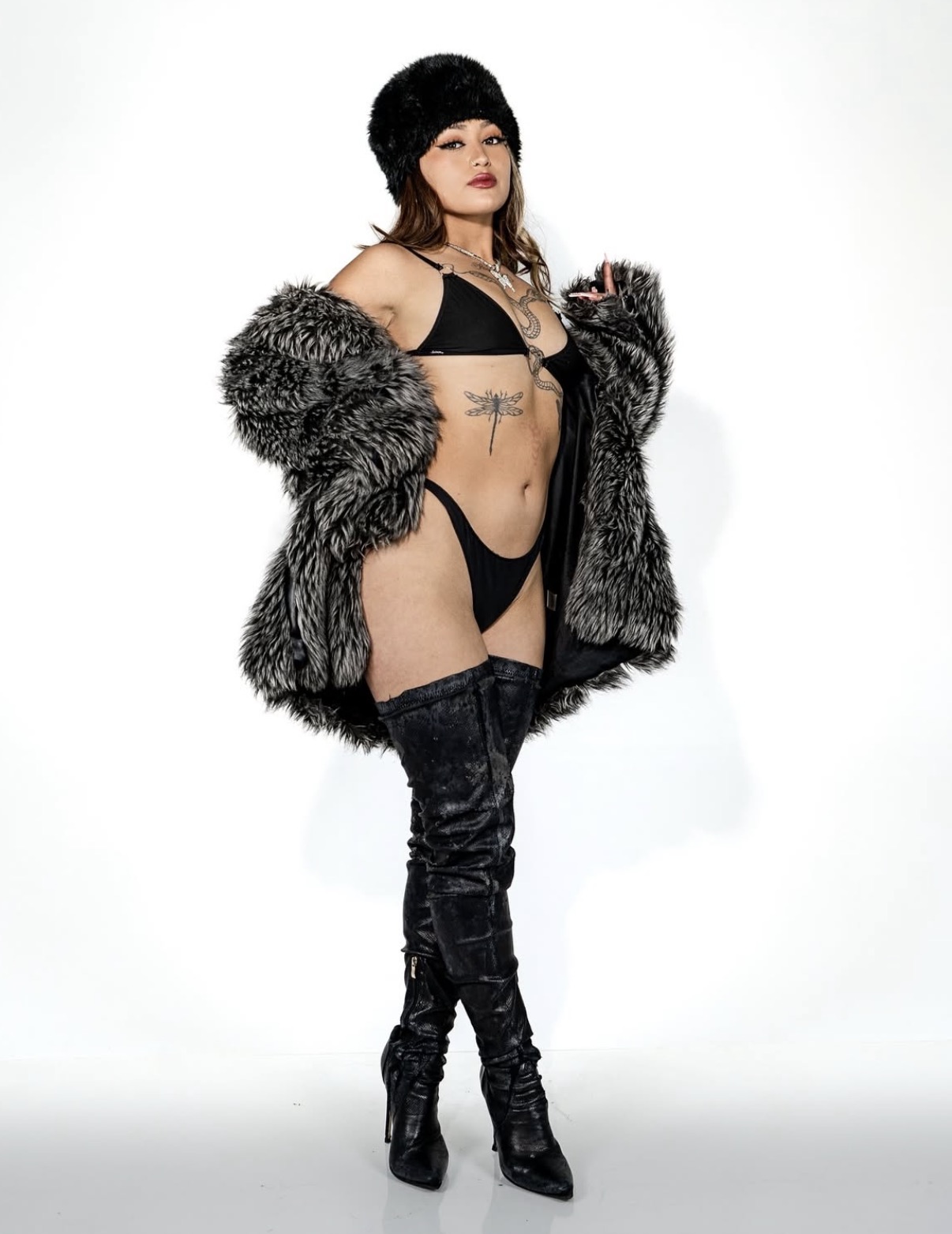
How drone cinematography is redefining fashion, film, and modern showbiz
Drone cinematography has evolved from a niche filming technique into a powerful visual language. In fashion, film, and entertainment, aerial footage is no longer just an aesthetic choice — it is a storytelling tool that reshapes perspective, scale, and emotion.
Traditional runway coverage focuses on frontal angles and static camera positions. Drone shoots disrupt this limitation by introducing motion, depth, and spatial awareness. From above, garments are seen in context — how they move, flow, and interact with space.
Designers benefit from a cinematic presentation that enhances silhouettes, textures, and choreography. For models, drone footage captures confidence, stride, and rhythm in a way that feels immersive rather than observational.
“Aerial footage doesn’t just document fashion — it amplifies presence.”
In film and showbiz, drones have become essential for dynamic scene transitions, crowd movement, and atmosphere. Whether opening a music video, framing a live performance, or introducing a cinematic moment, drones create visual continuity that handheld cameras cannot replicate.
For performers and creatives, this means stronger branding. Aerial visuals immediately elevate production value, making content competitive on global platforms where attention is won in seconds.
Beyond artistry, drone shoots are a strategic investment. Brands, fashion houses, and media platforms use aerial footage to communicate scale, ambition, and professionalism. In a digital-first era, these signals directly influence perception, engagement, and market reach.
“In modern media, perspective is power — and drones deliver it.”
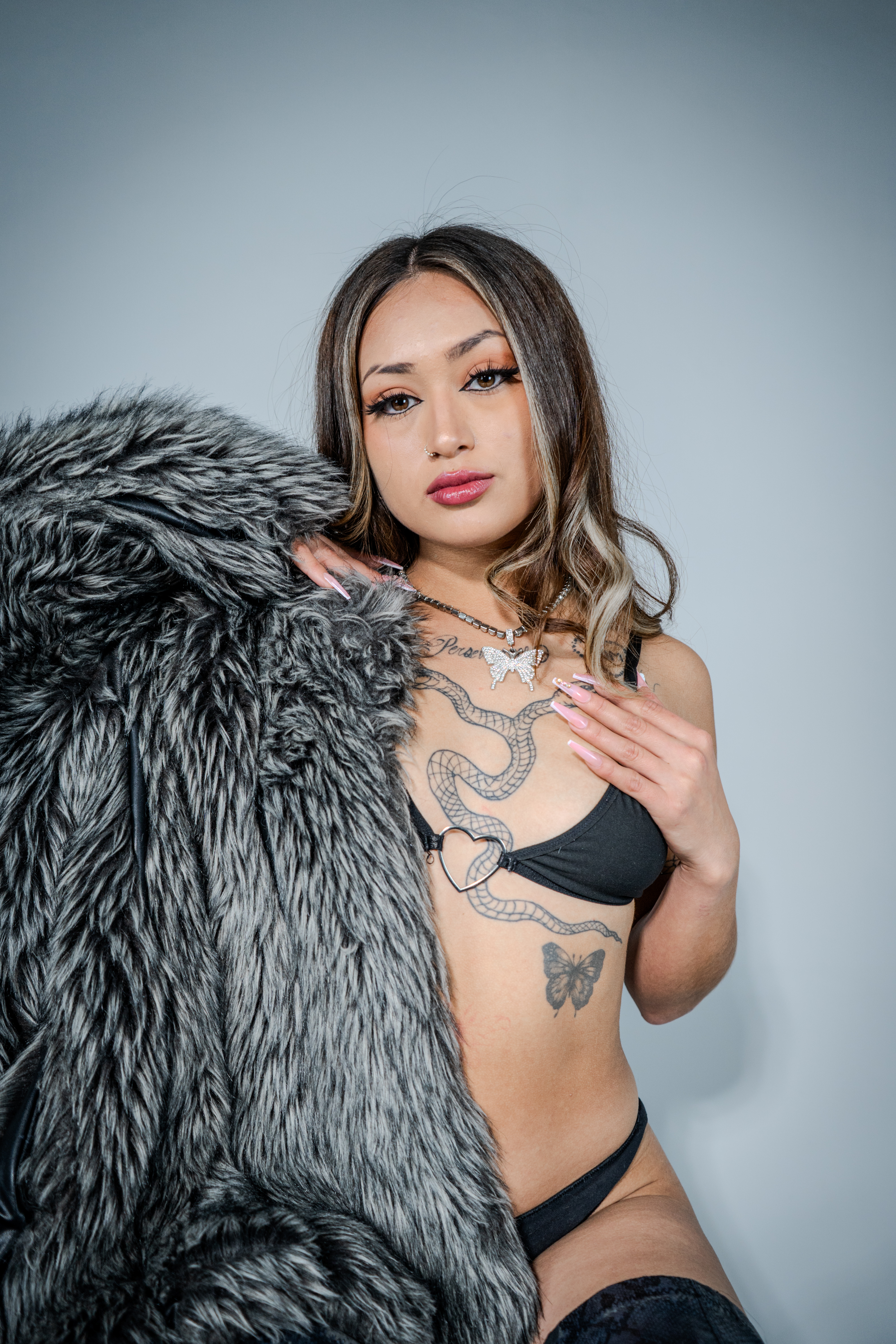
As demonstrated in this runway shoot featuring Sagery, drone cinematography transforms fashion from a static presentation into a moving experience. It bridges technology, art, and storytelling — setting a new standard for how fashion and entertainment are captured and consumed.
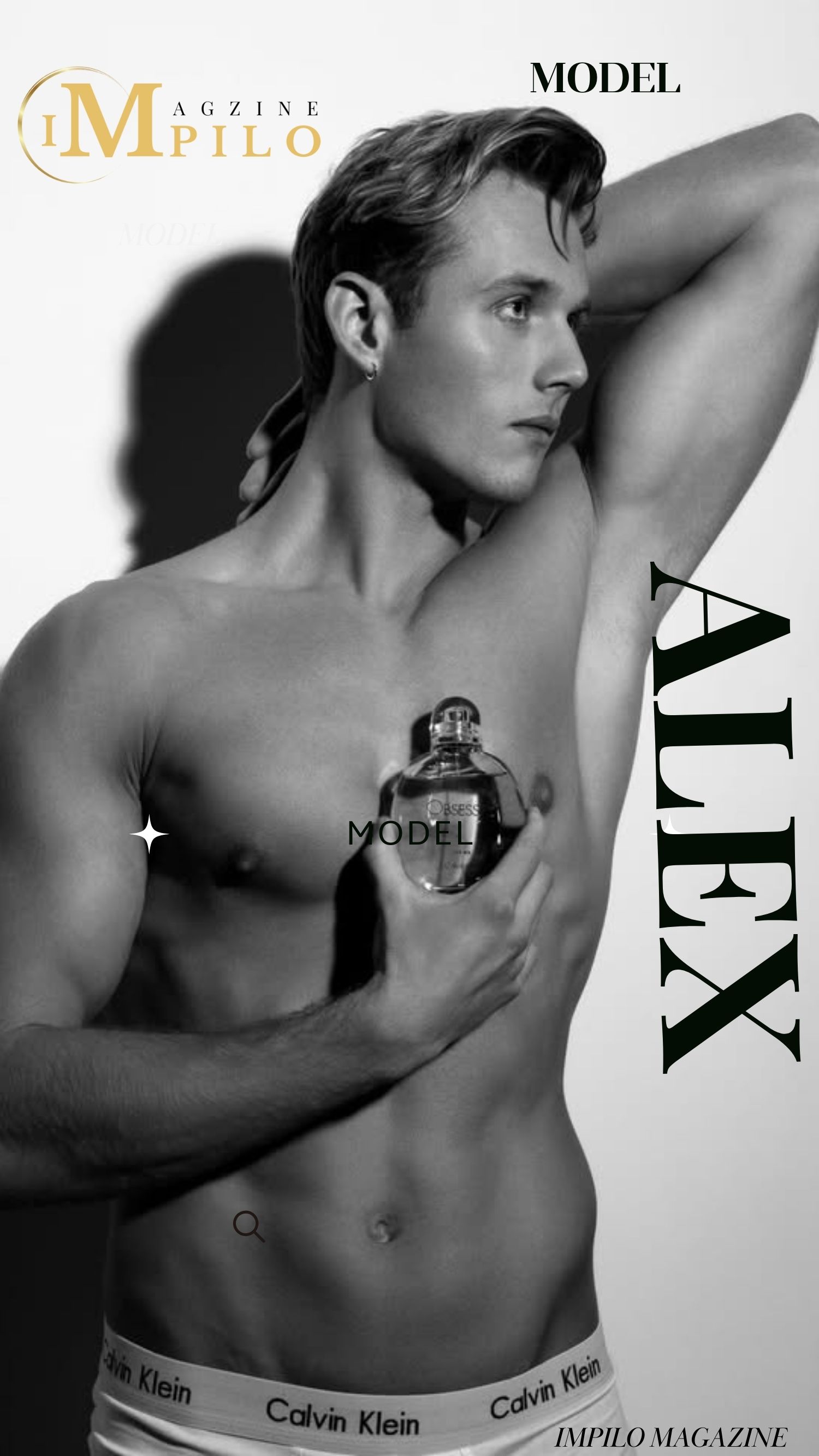
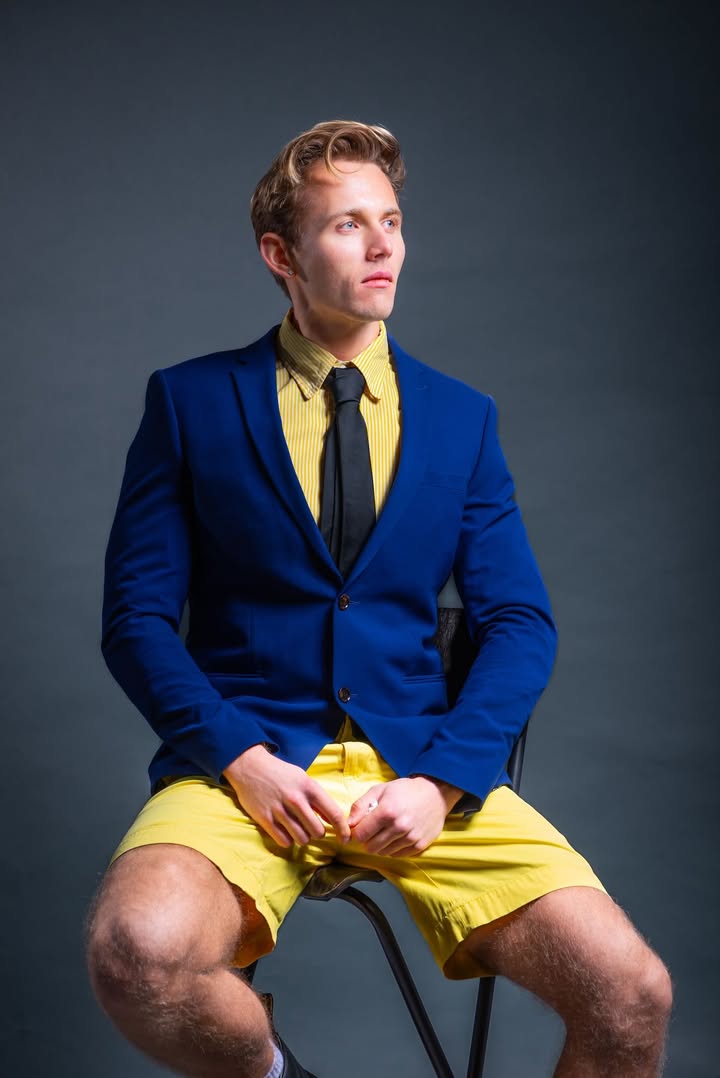
For years, I lived inside a body that felt like it was working against me. Severe acne covered my face, and with it came a level of broken confidence that made even eye contact feel impossible.
When I walked down the street, my head was always down — my focus fixed on my feet, hoping to go unnoticed, hoping to disappear into the background.
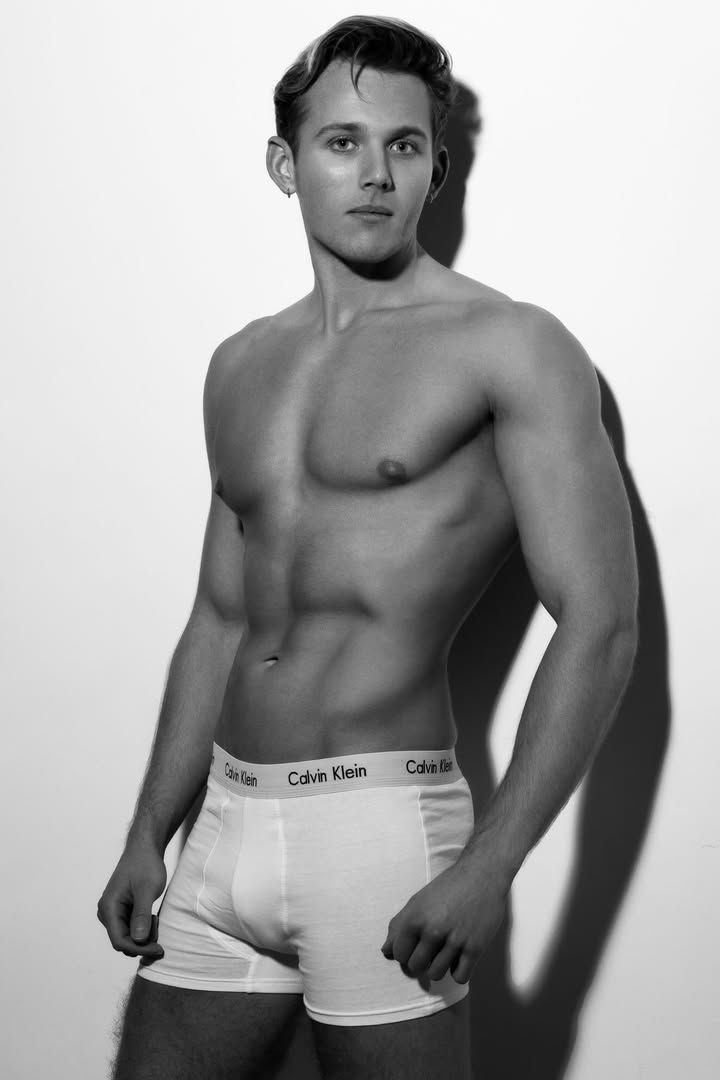
At the same time, my weight was quietly controlling my life. I reached 25 stone (125 kilograms) and felt trapped in a constant cycle of eating. I would eat up to fifteen times a day — never feeling full, never feeling satisfied.
Food became a way to fill something much deeper than hunger. It was a coping mechanism, a temporary comfort in a body and mind that felt disconnected.
Everything began to change the day I saw images of models who looked confident, strong, and free in their own skin. Instead of feeling discouraged, something unexpected happened — I felt inspired.
For the first time, I allowed myself to imagine a different future. One where I didn’t hide. One where I was proud of who I was becoming.
That moment became a turning point. I made a decision to change my life — not just physically, but mentally and emotionally.
I began working towards my dreams with discipline, patience, and self-belief. The journey wasn’t easy — it demanded consistency, resilience, and uncomfortable self-reflection.
But it was worth every step. Each day became a choice to show up for myself, even when doubt was loud.
Today, my goal is clear: to become a known model and to prove that your past does not define your future.
My story is not about perfection. It is about resilience, self-growth, and the courage to choose yourself — even when it feels impossible.
“Transformation begins the moment you believe you deserve more.”
Based in Manchester, UK
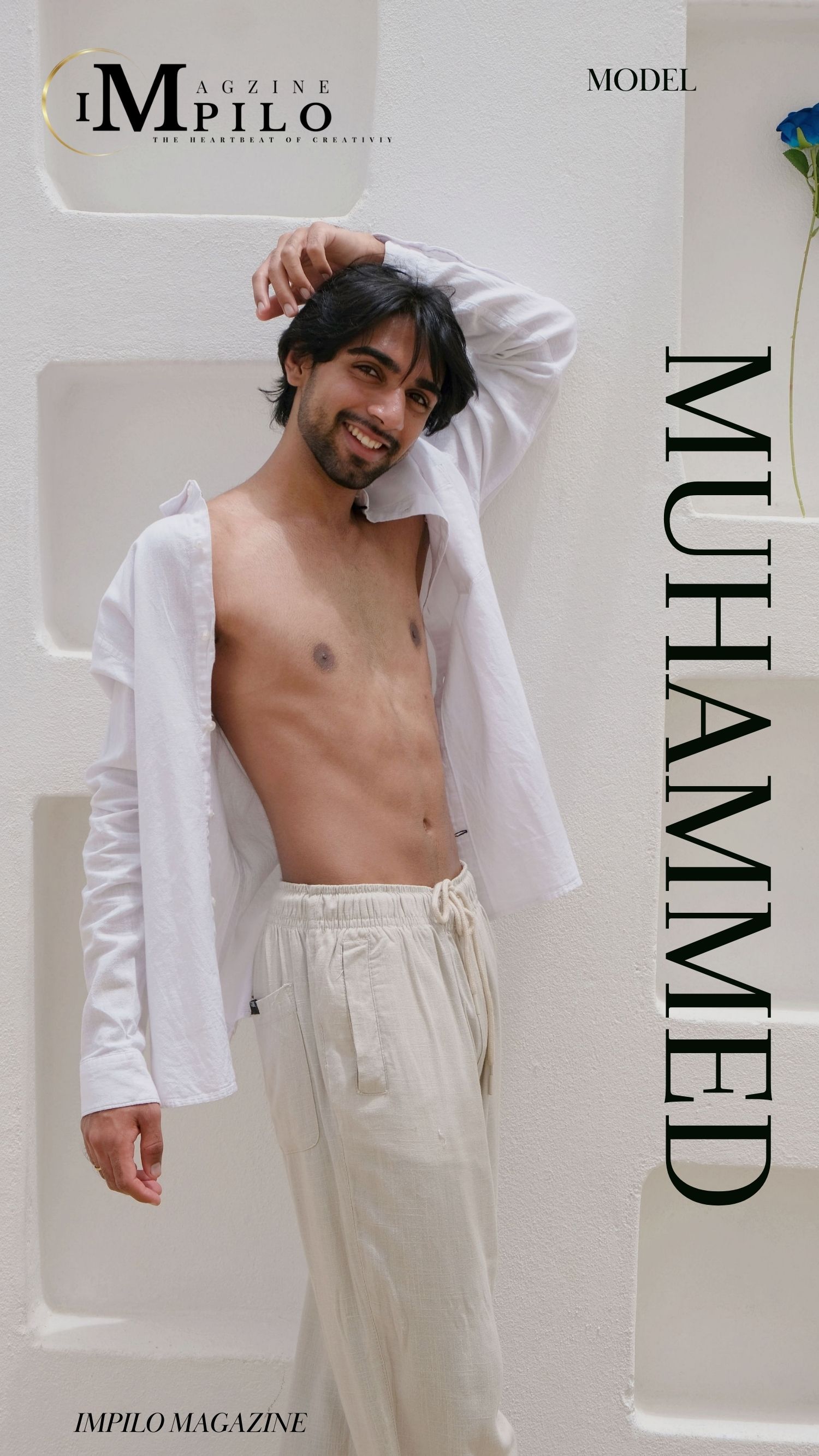
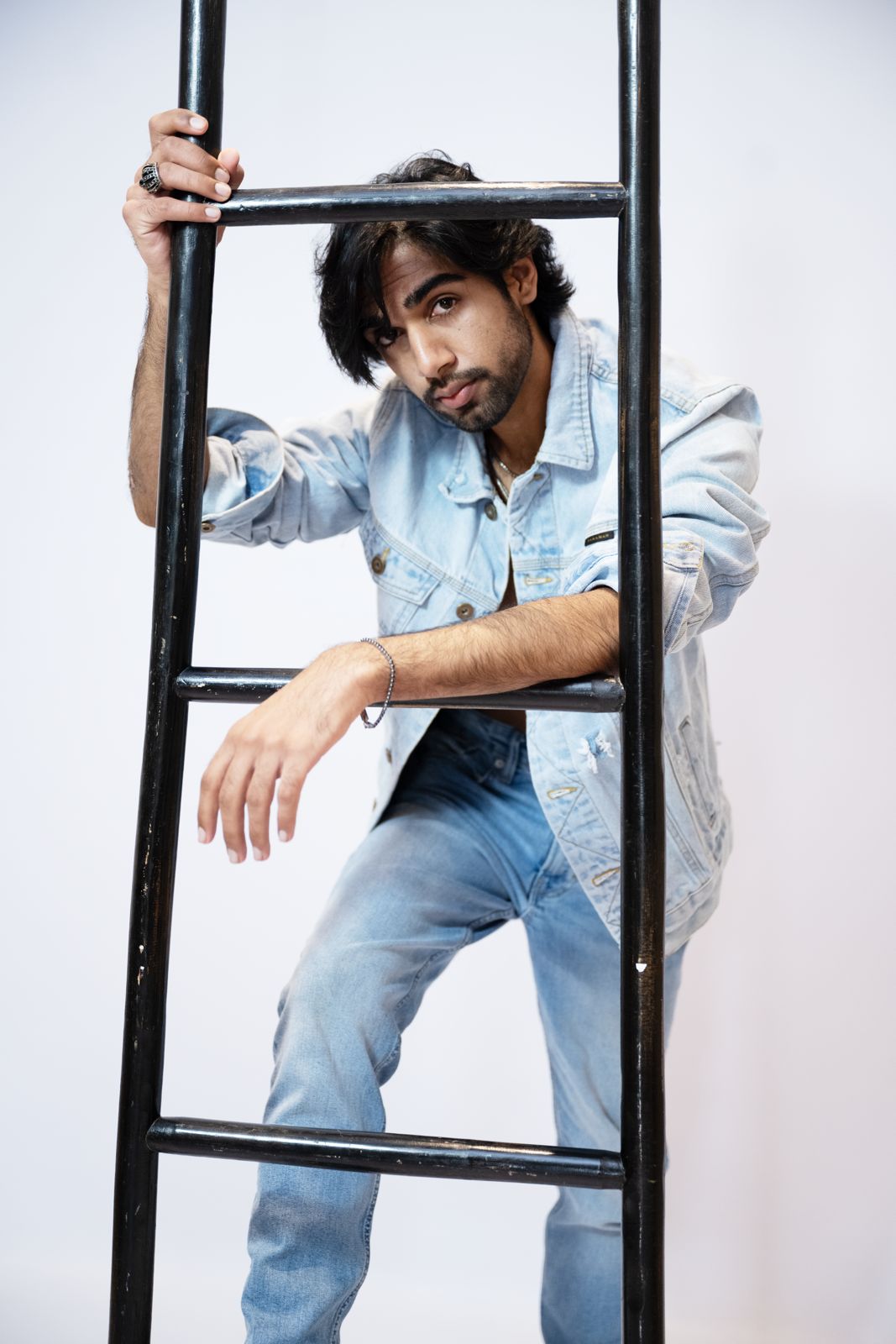
My name is Muhammed Anver Allie. Modelling has always been more than an interest to me — it is a passion rooted in my love for art and self-expression. I am inspired by the power models hold to influence perception, tell stories, and create meaningful change.
What drew me to this industry, and what continues to motivate me, is the ability to exist as both a canvas and a voice. Modelling allows me to communicate emotion, narrative, and identity without saying a word.
“Modelling is like painting. It isn’t only about how the final piece looks — it’s about how it makes people feel.”
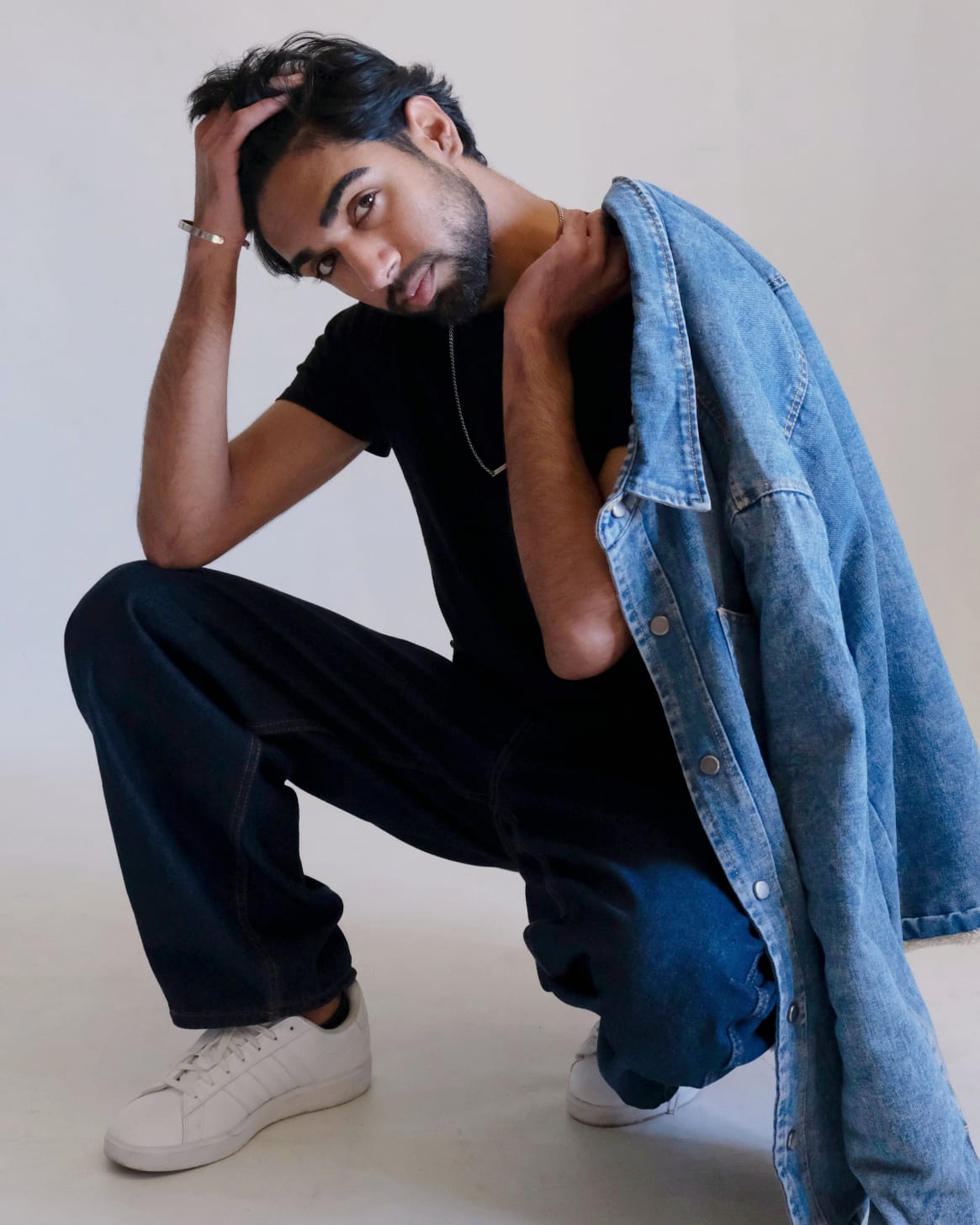
To me, modelling matters because it is art. It is a space where I get to express myself simply by being myself — fully and unapologetically. I show up with my uniqueness, my strengths, and even my insecurities, because I believe authenticity is what gives art its impact.
Every frame becomes a moment of honesty. Every project becomes a reflection of growth, intention, and emotional truth.
My journey has been shaped by consistent growth through portfolio shoots with Mrs. Tyla Smith, editorial work, and performance-based experiences. I am currently represented by 33andMe Talent Agency and have been cast as a background actor in a Betway commercial.
I attended the International Arts Talent Showcase, where I performed in a TV commercial and participated in a commercial runway. I was honoured to place in the Top 10 Best Commercial Runway, and to receive a callback from New York — a moment that affirmed my direction and discipline.
Additional editorial work, including a styled shoot with Tweak and Style, has further strengthened my understanding of collaboration, styling, and visual storytelling.
Like many in this industry, I’ve had to learn how to navigate rejection. Modelling requires thick skin — not every casting is meant for you, and not every client is looking for your specific look.
I’ve learned that rejection is not a reflection of worth, but simply a matter of fit. The right opportunities will always find you when the timing aligns.
Modelling is a slow-burn journey that demands patience, consistency, and trust in the process. My look continues to evolve, shaped by experience, confidence, and self-assurance.
I would not be where I am today without the encouragement of my mother, my family, my friends, and the community I’ve built along the way. Their belief in me, alongside the support of fellow models, actors, and my agency, has been instrumental in strengthening my confidence.
Their support reminds me why I started — and why I continue.
Based in Manchester, UK
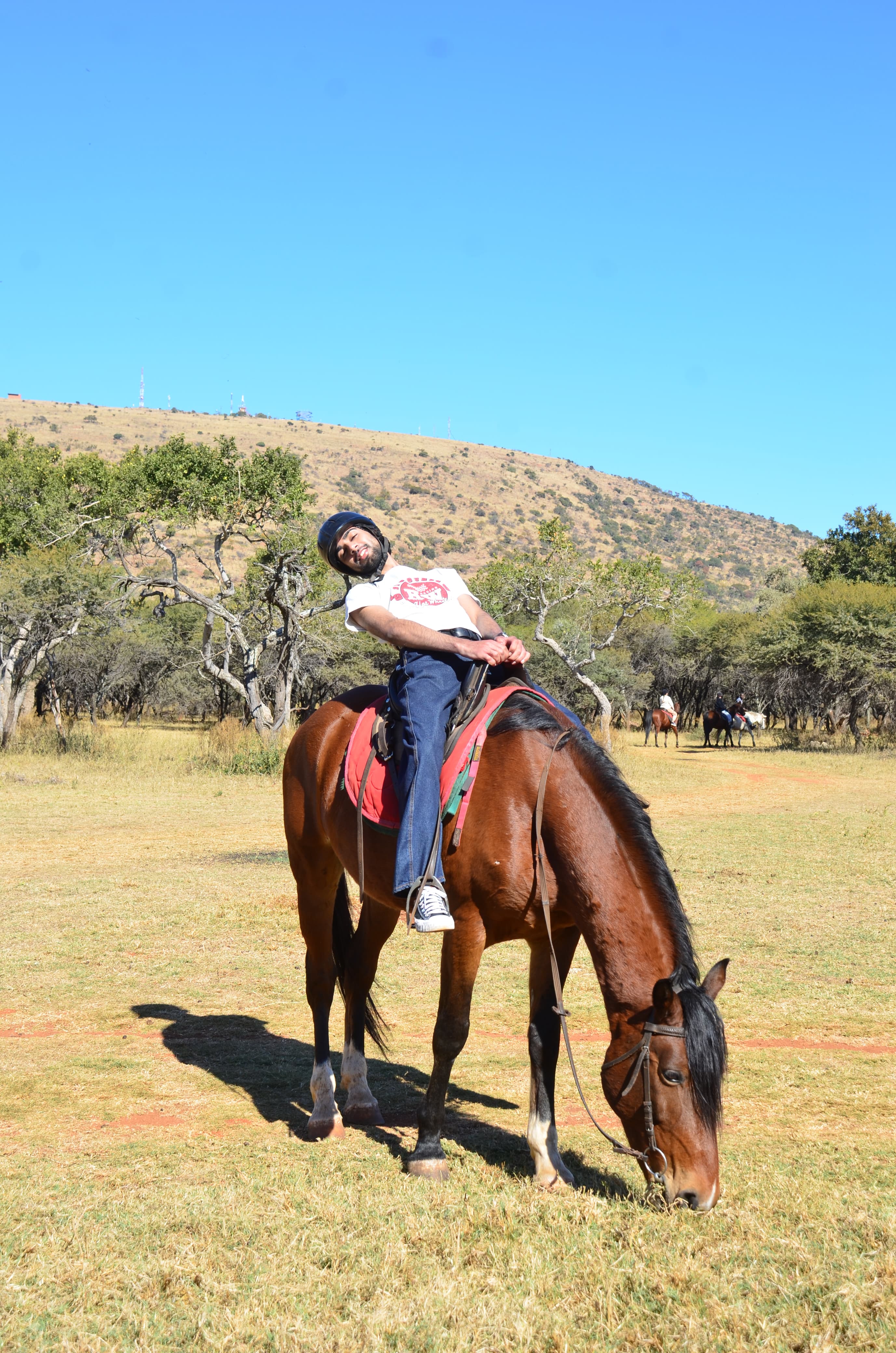
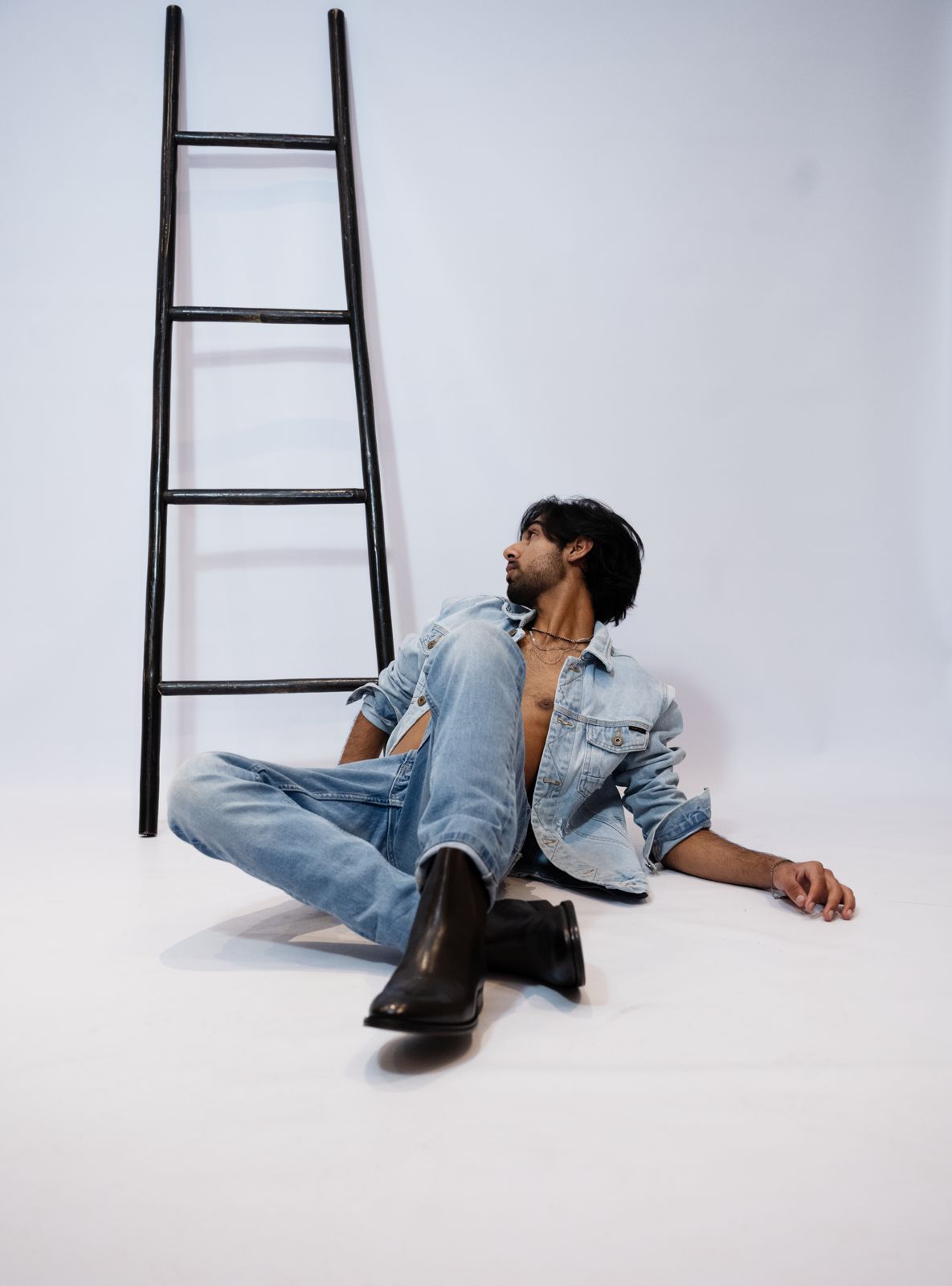
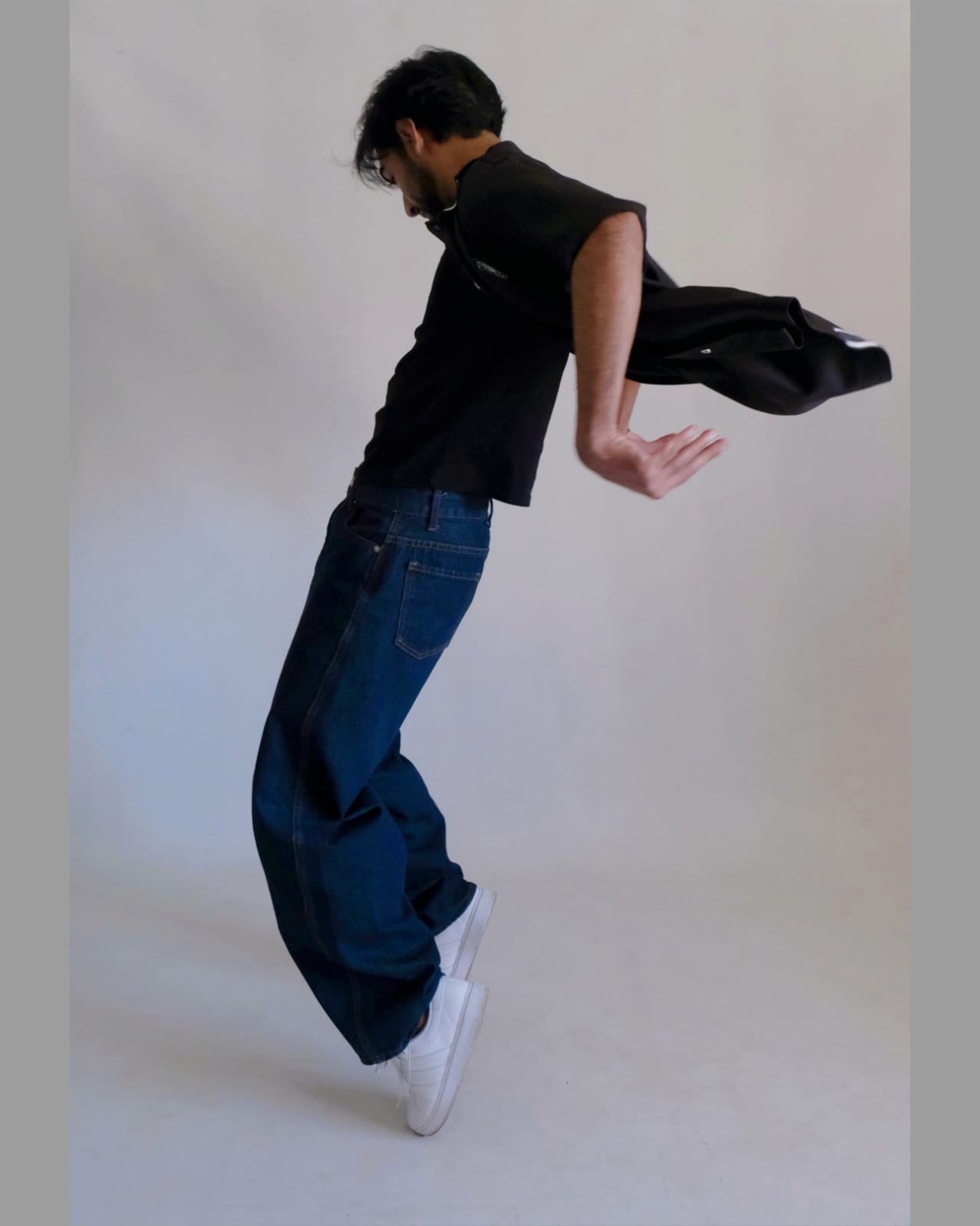
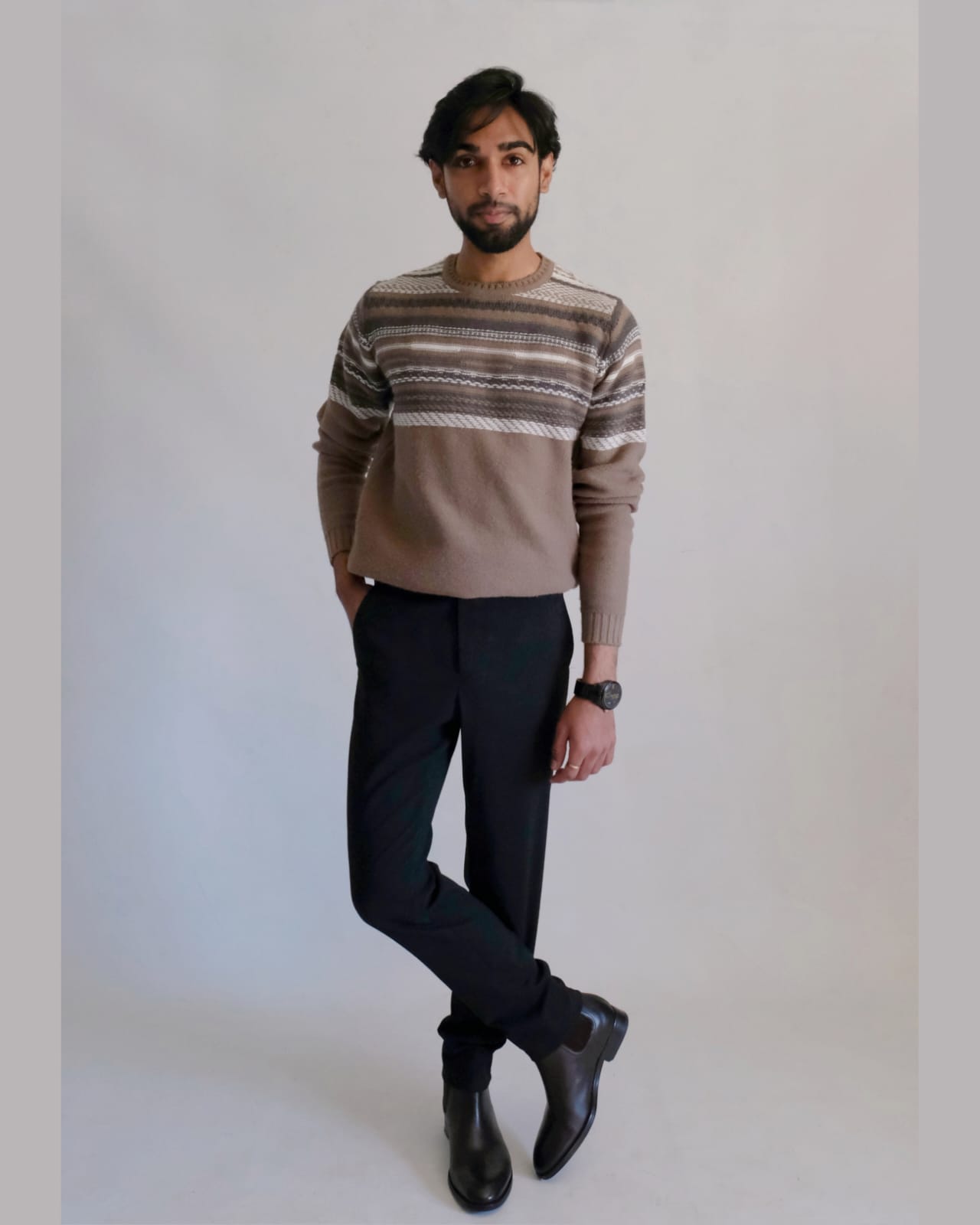
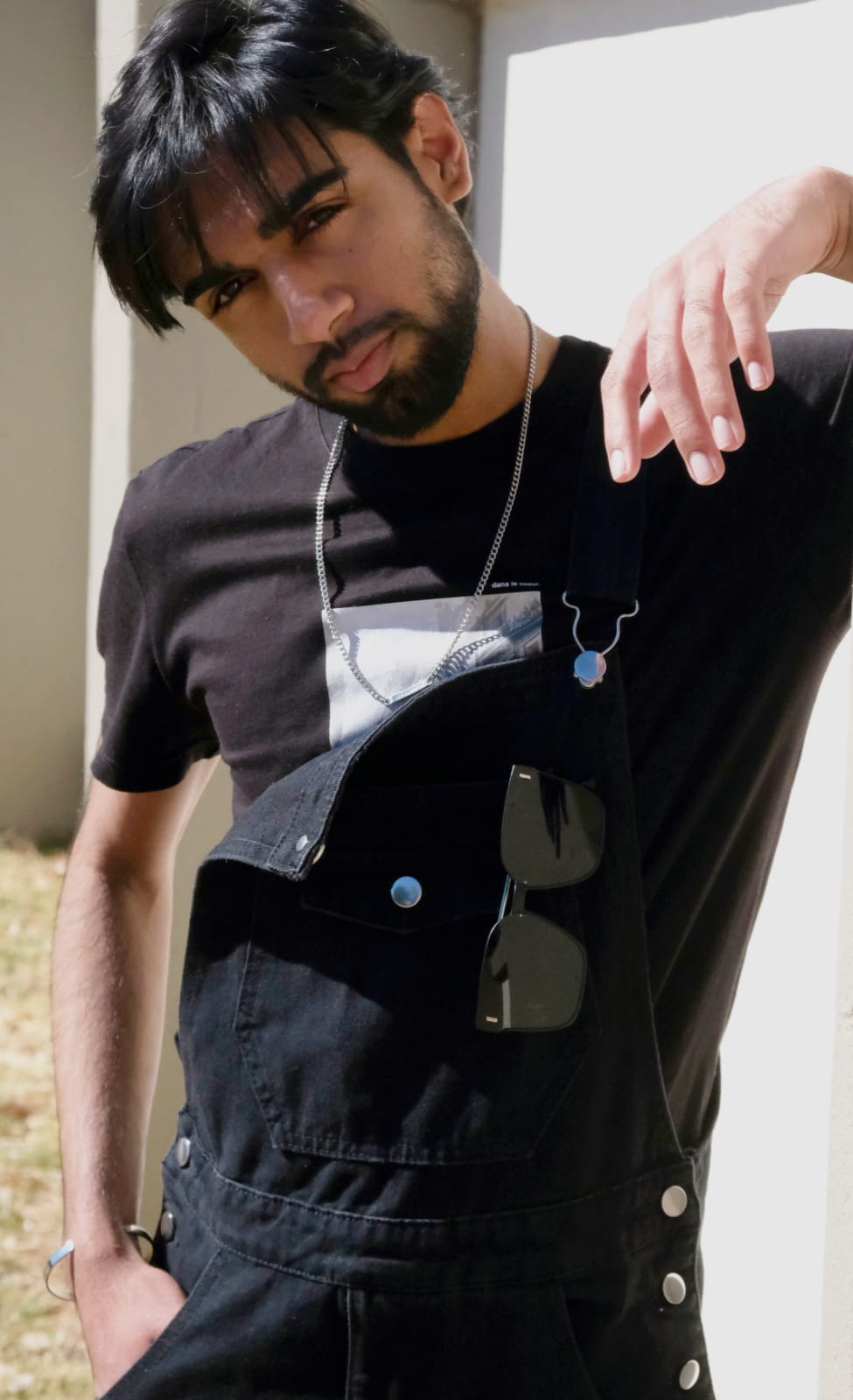
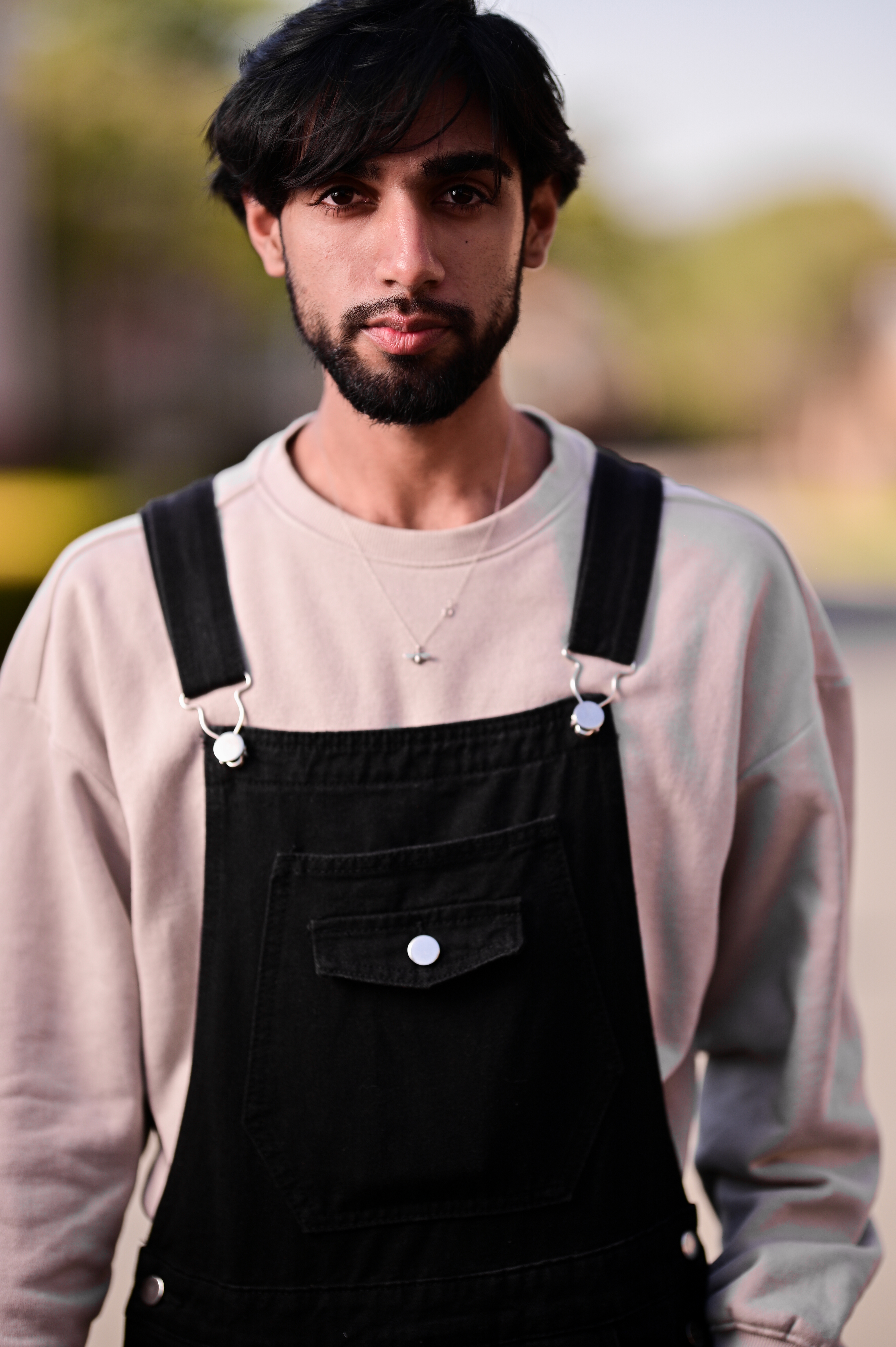
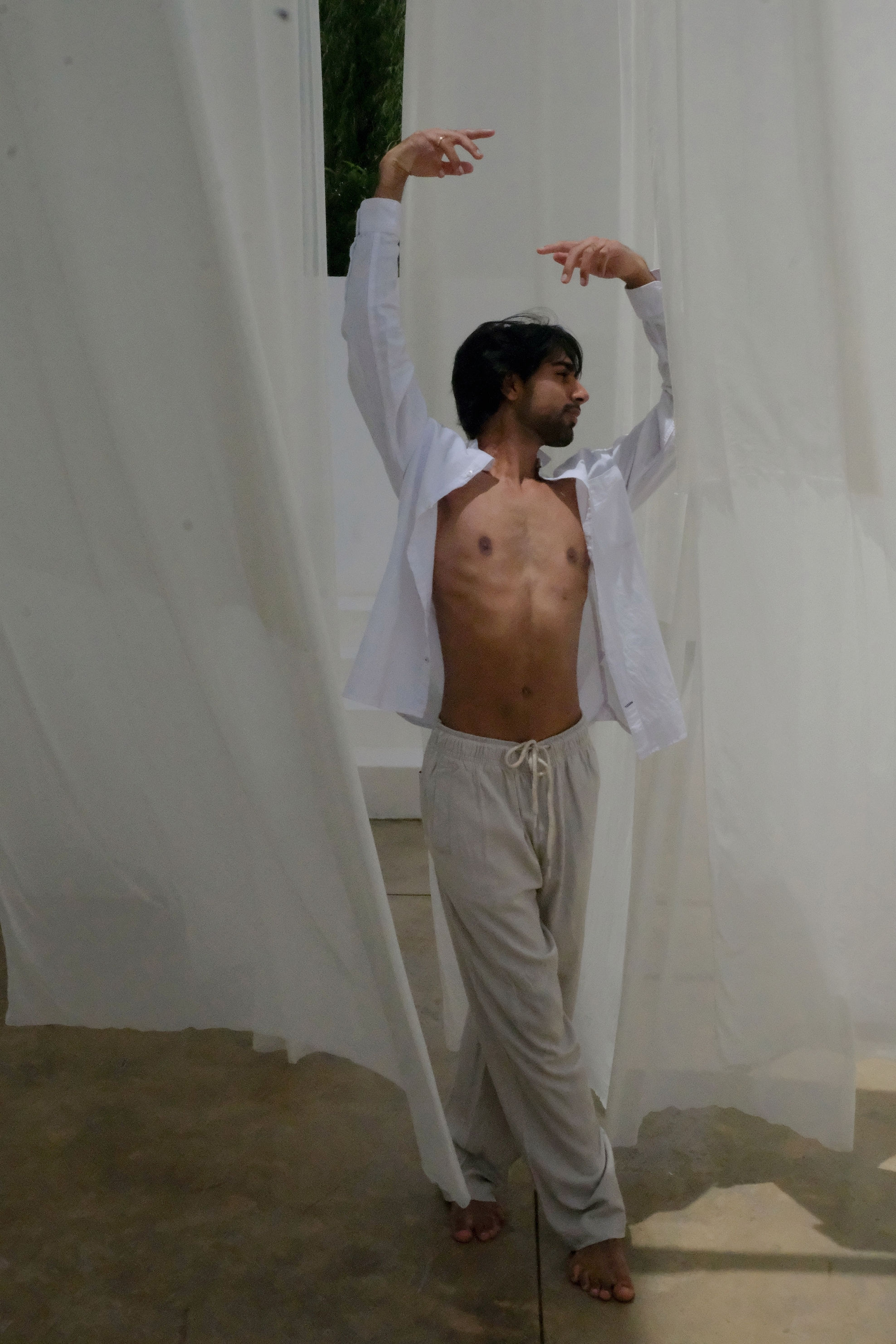
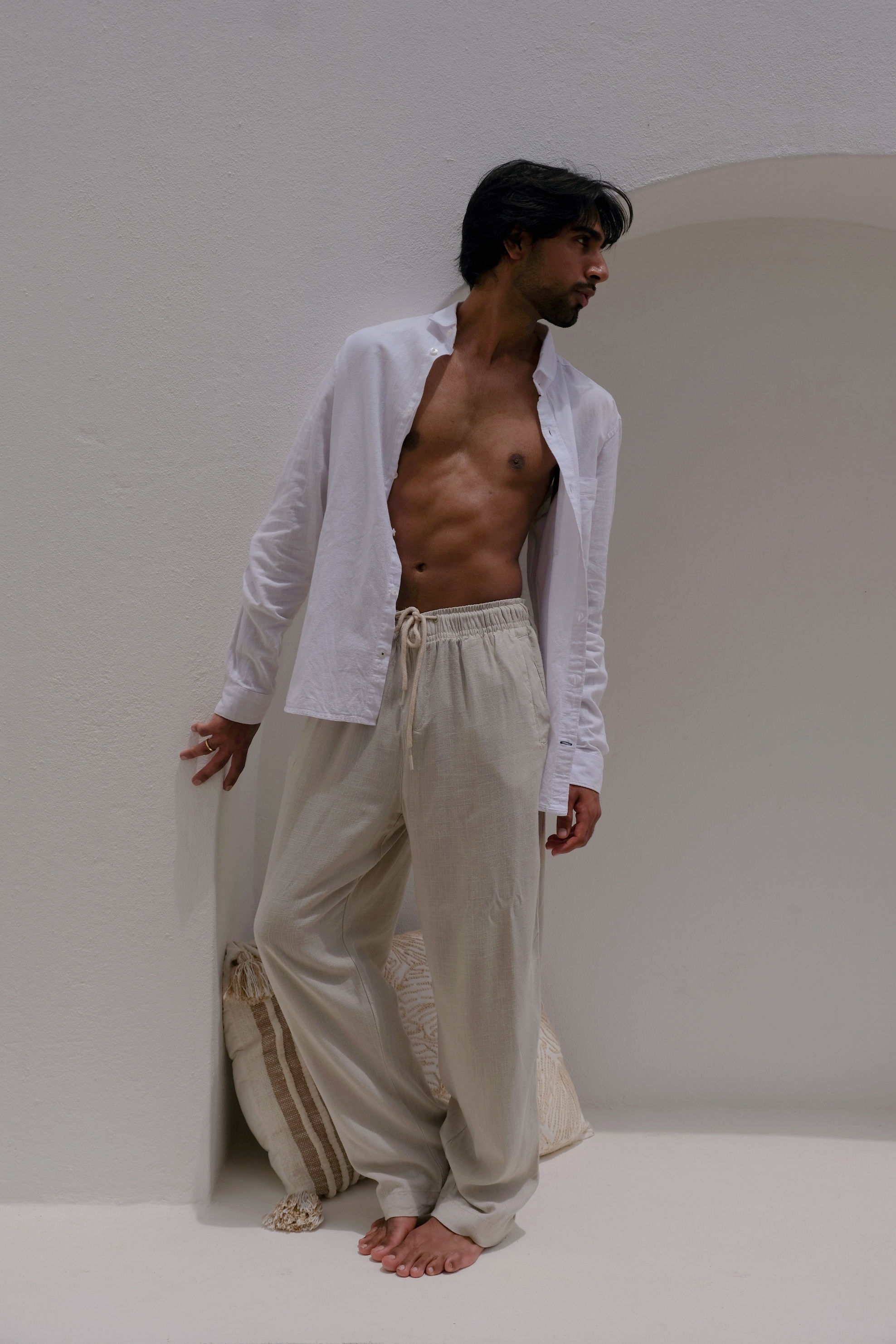
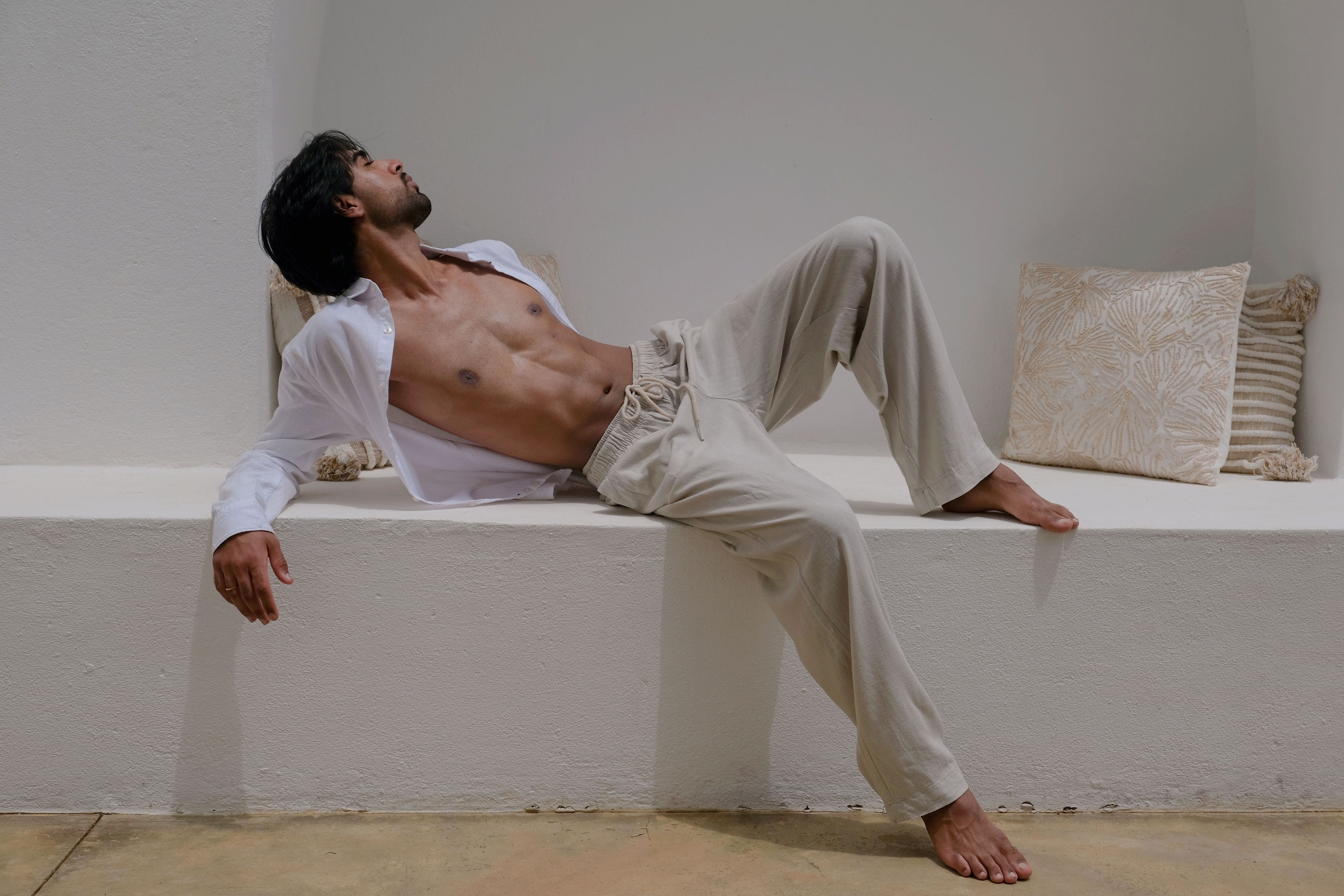
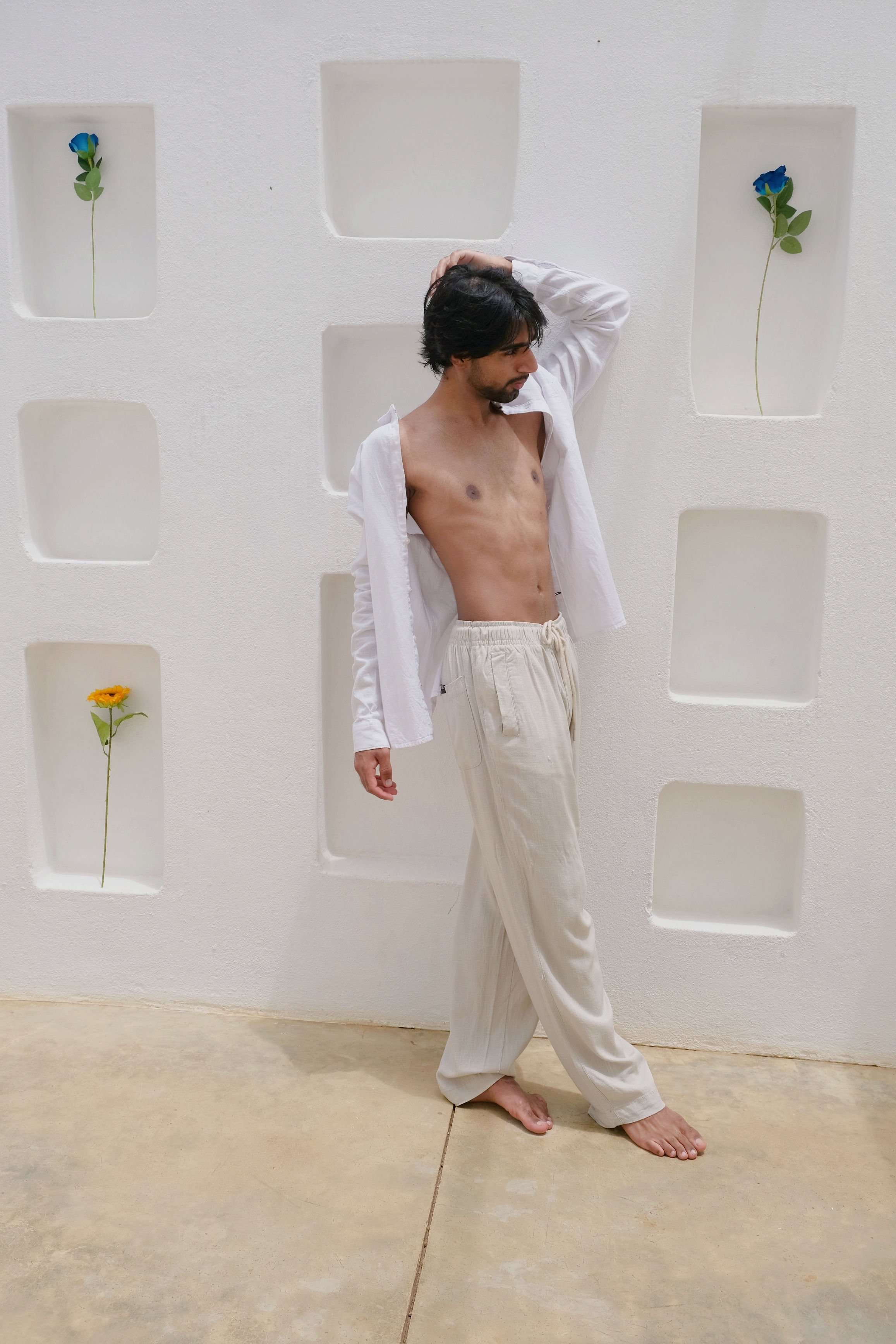
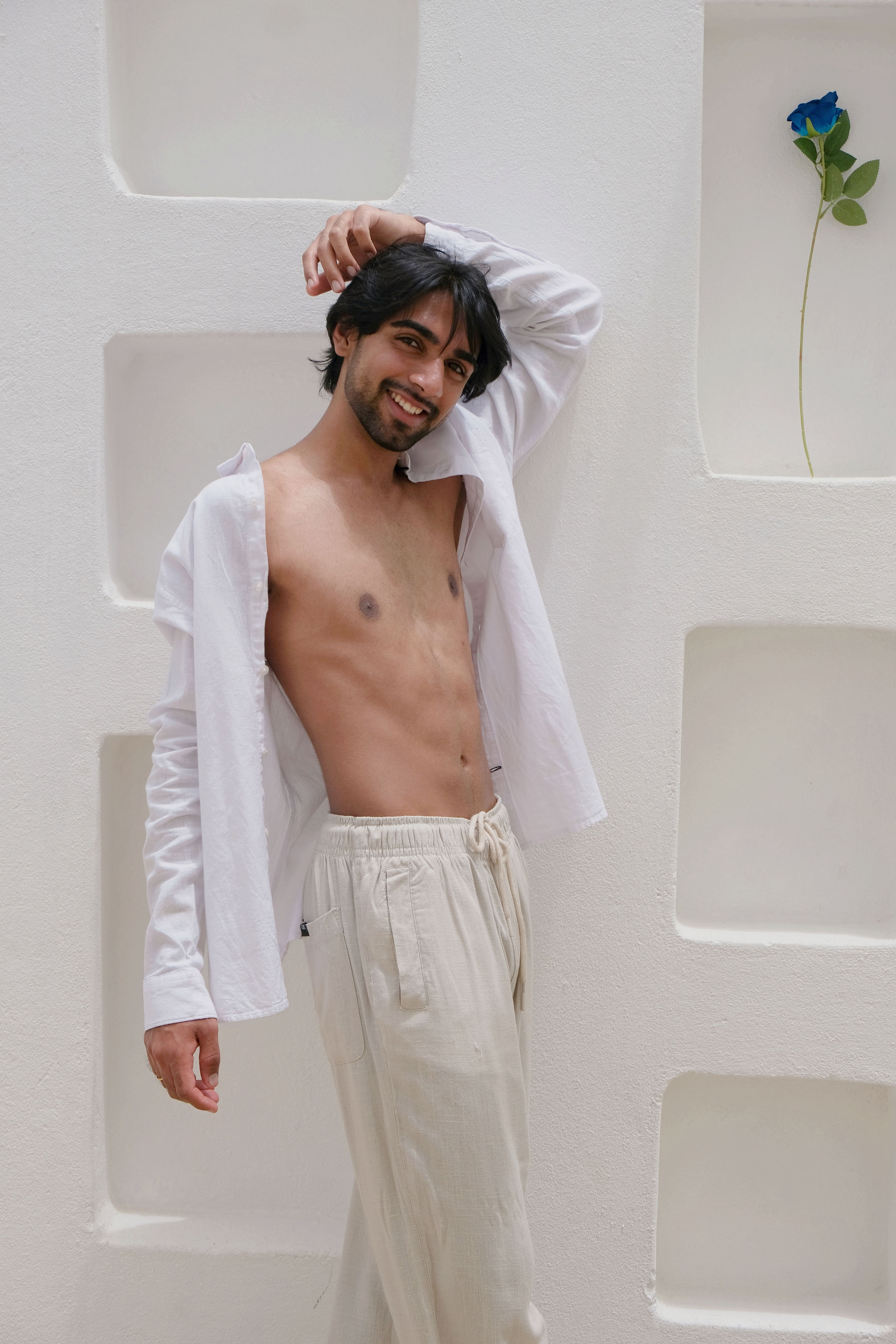
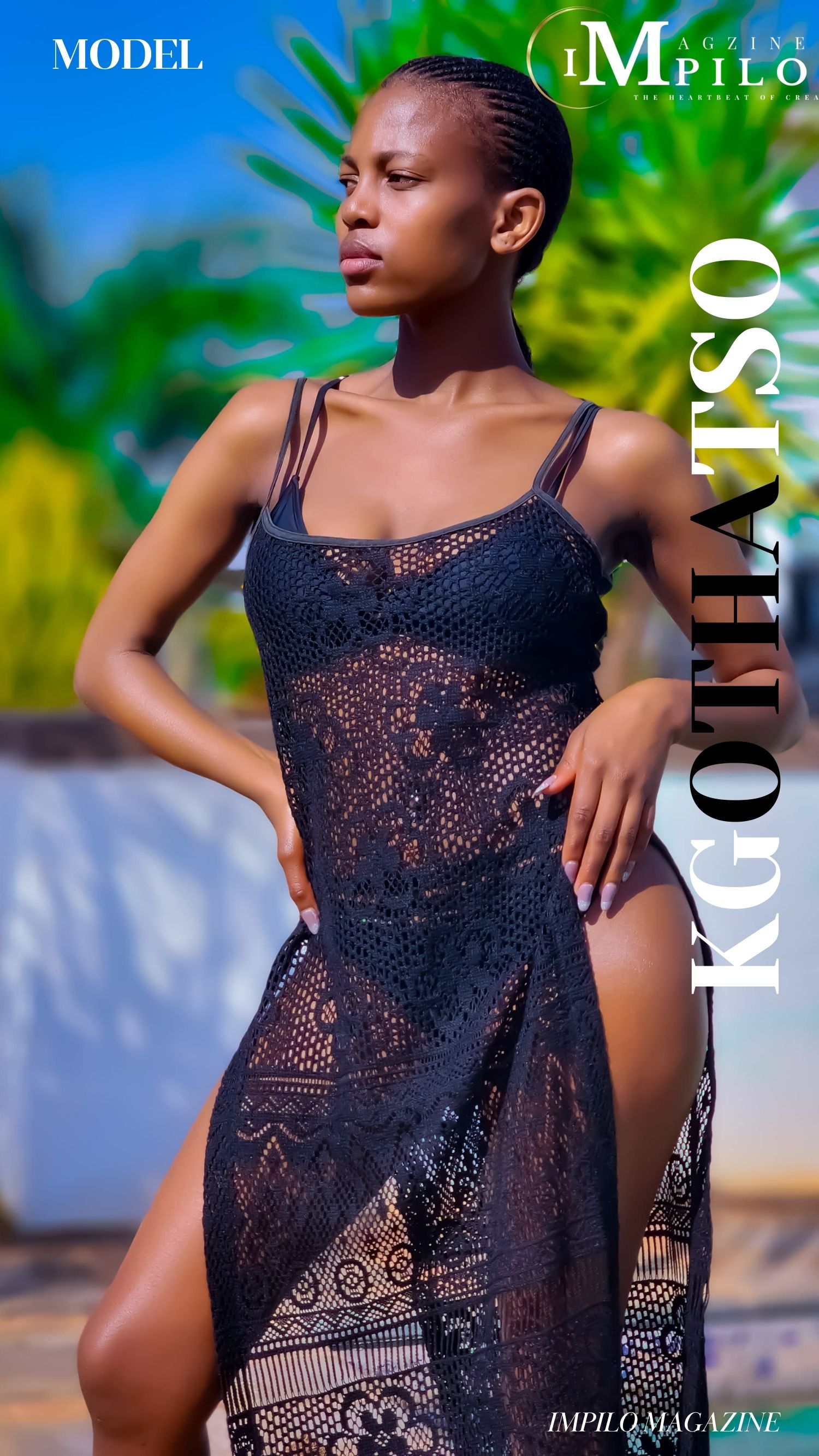

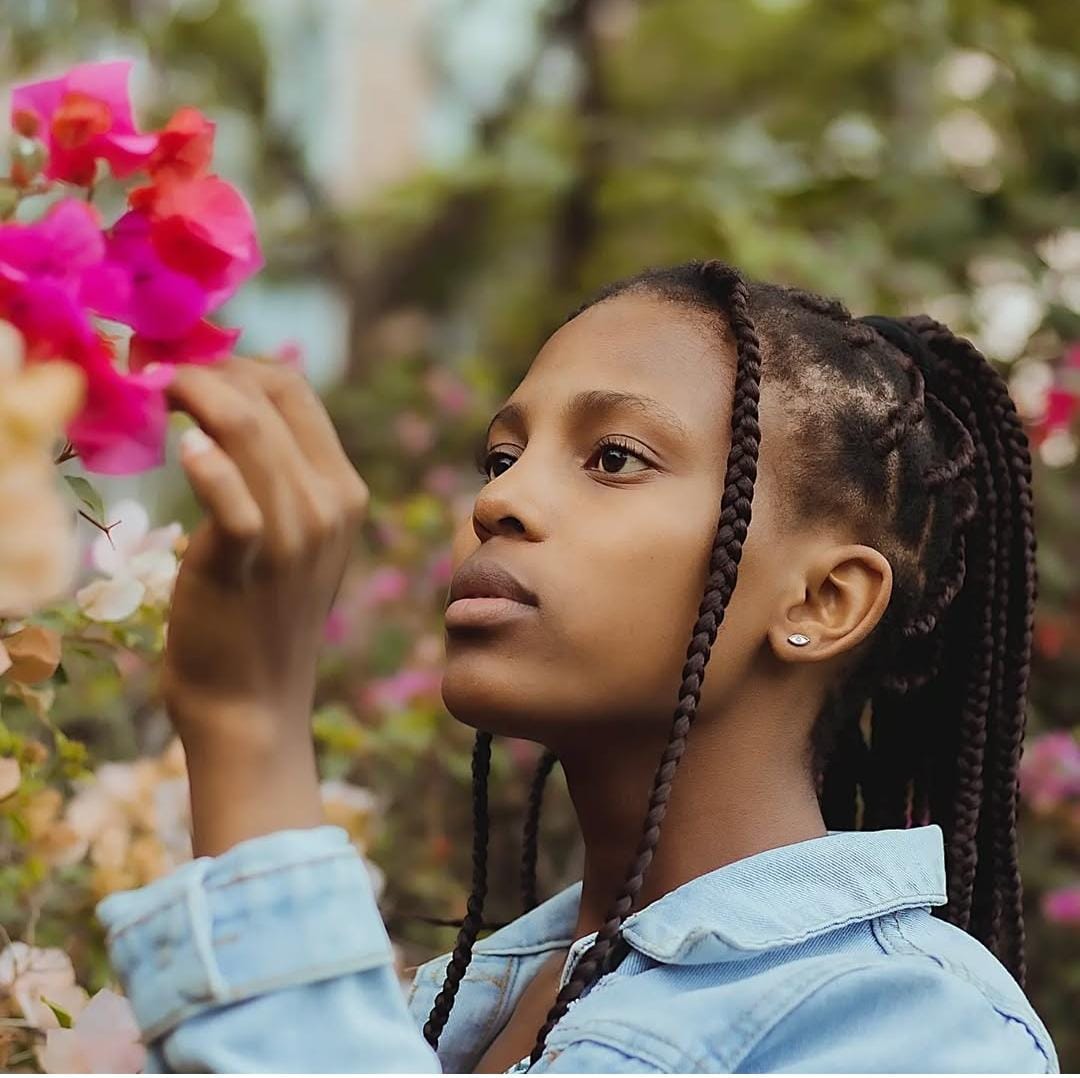
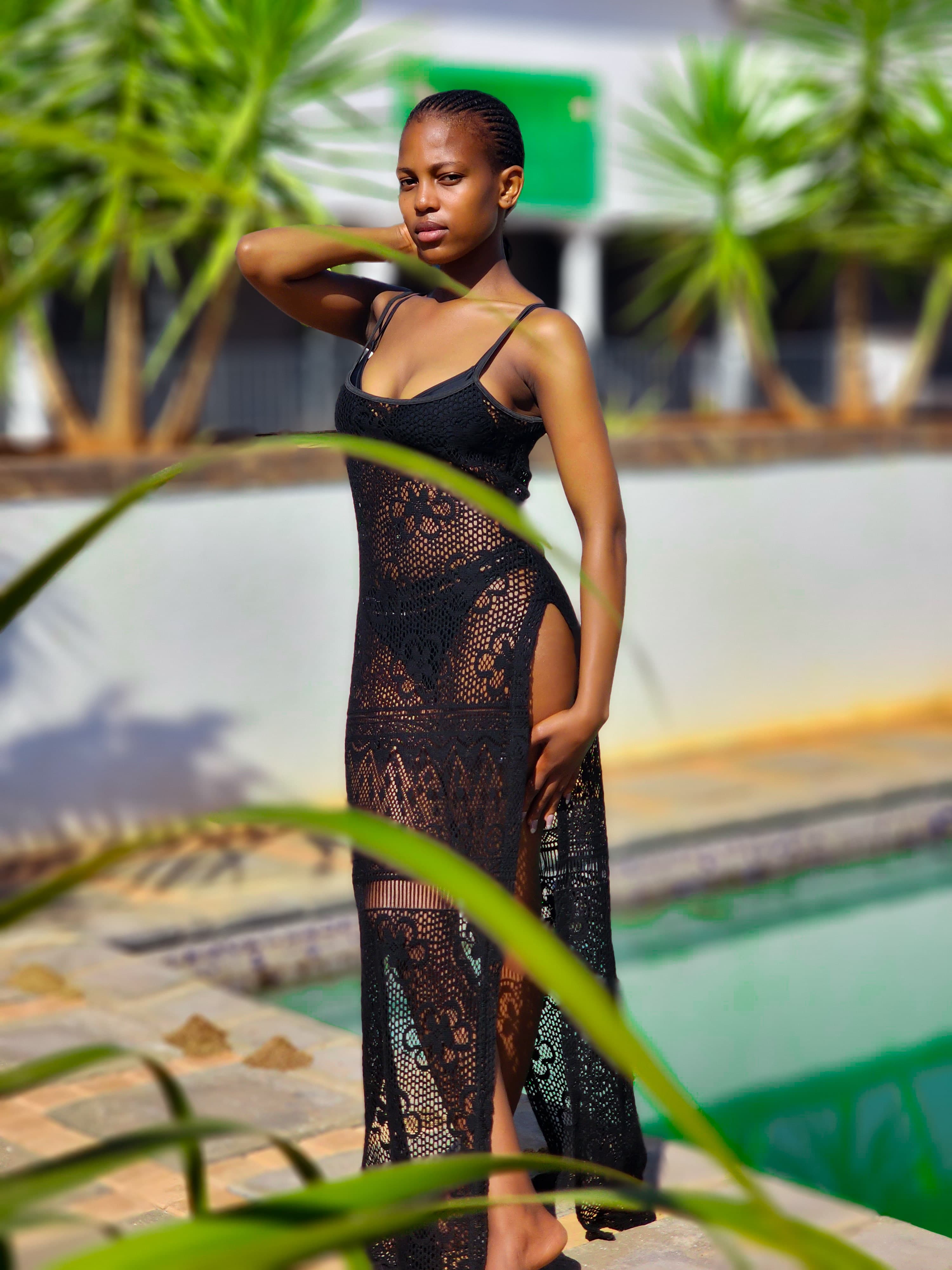
Kgothatso Mantsho, a 21-year-old model and singer from Polokwane, South Africa. From a young age, I have been passionate about fashion, music, and self-expression. My work is driven by a desire to inspire others and make a meaningful impact in the creative industry.
Beyond my artistic pursuits, I am a dedicated advocate for mental health awareness and physical wellness. I believe taking care of one’s mind and body is essential for personal growth and creative excellence.
My vision is to inspire young people to prioritize their mental and physical wellbeing while embracing their unique talents. Through modeling, music, and advocacy, I aim to empower others to take control of their health and pursue their dreams.
Based in Polokwane, South Africa



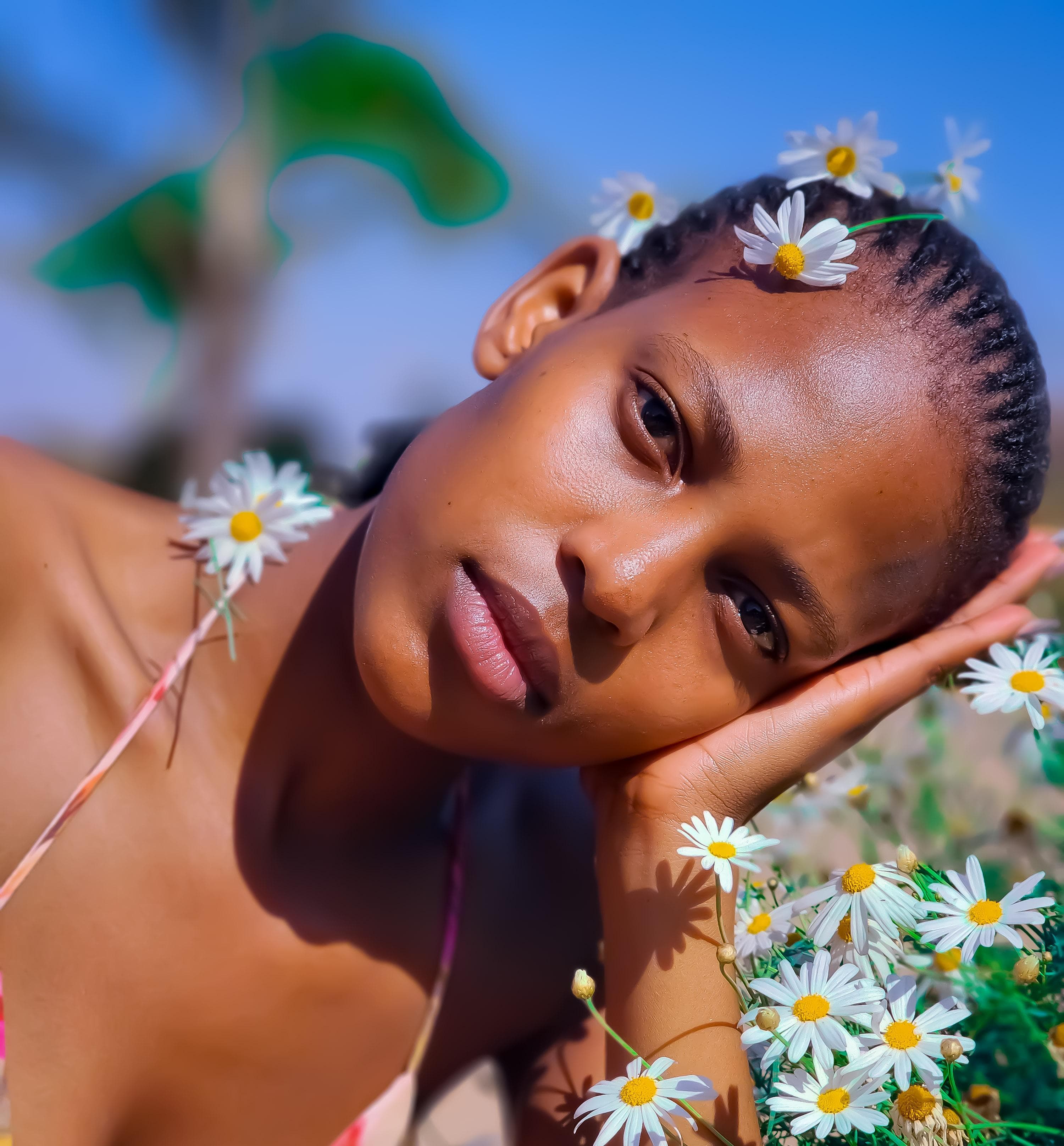
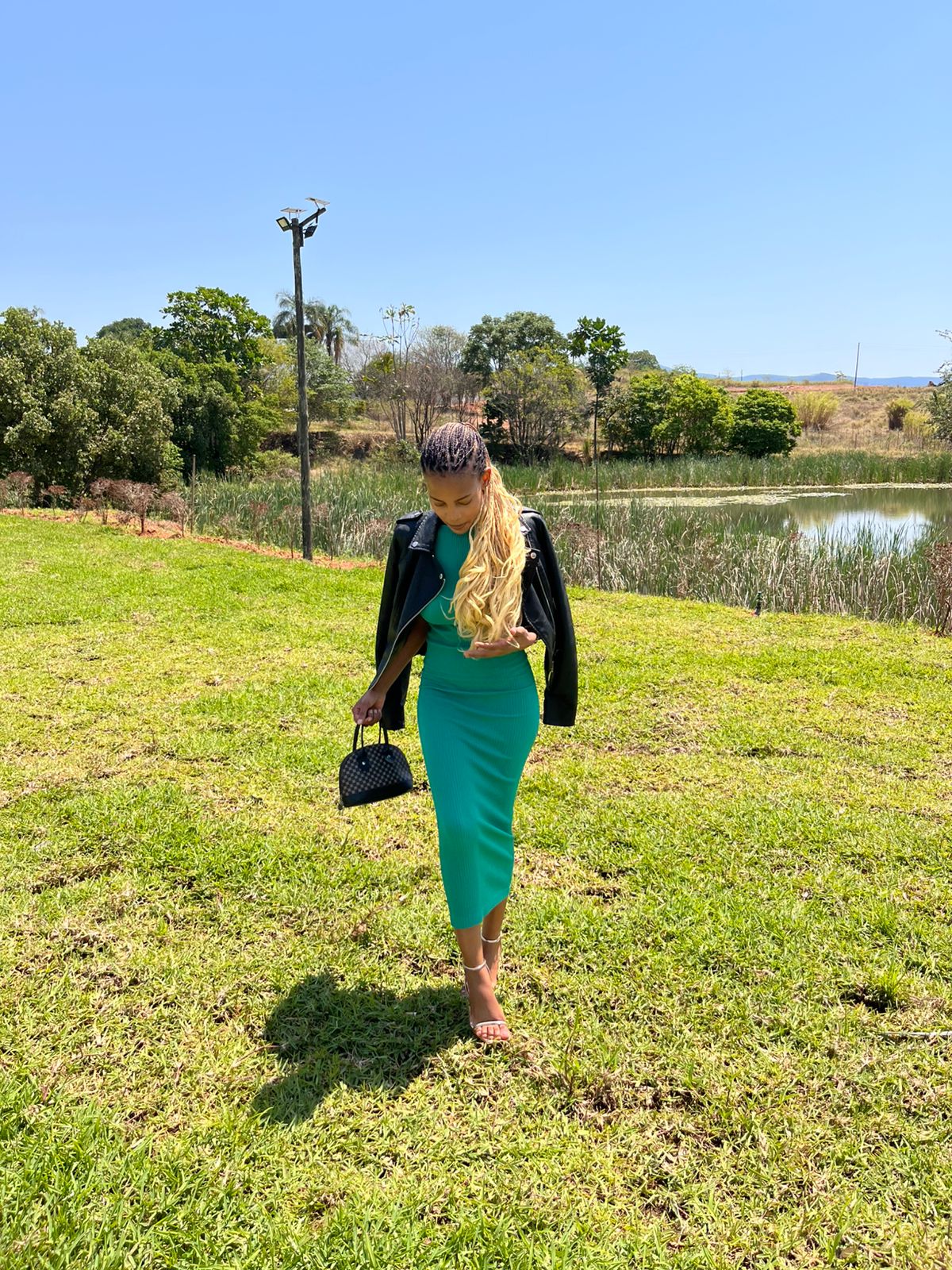
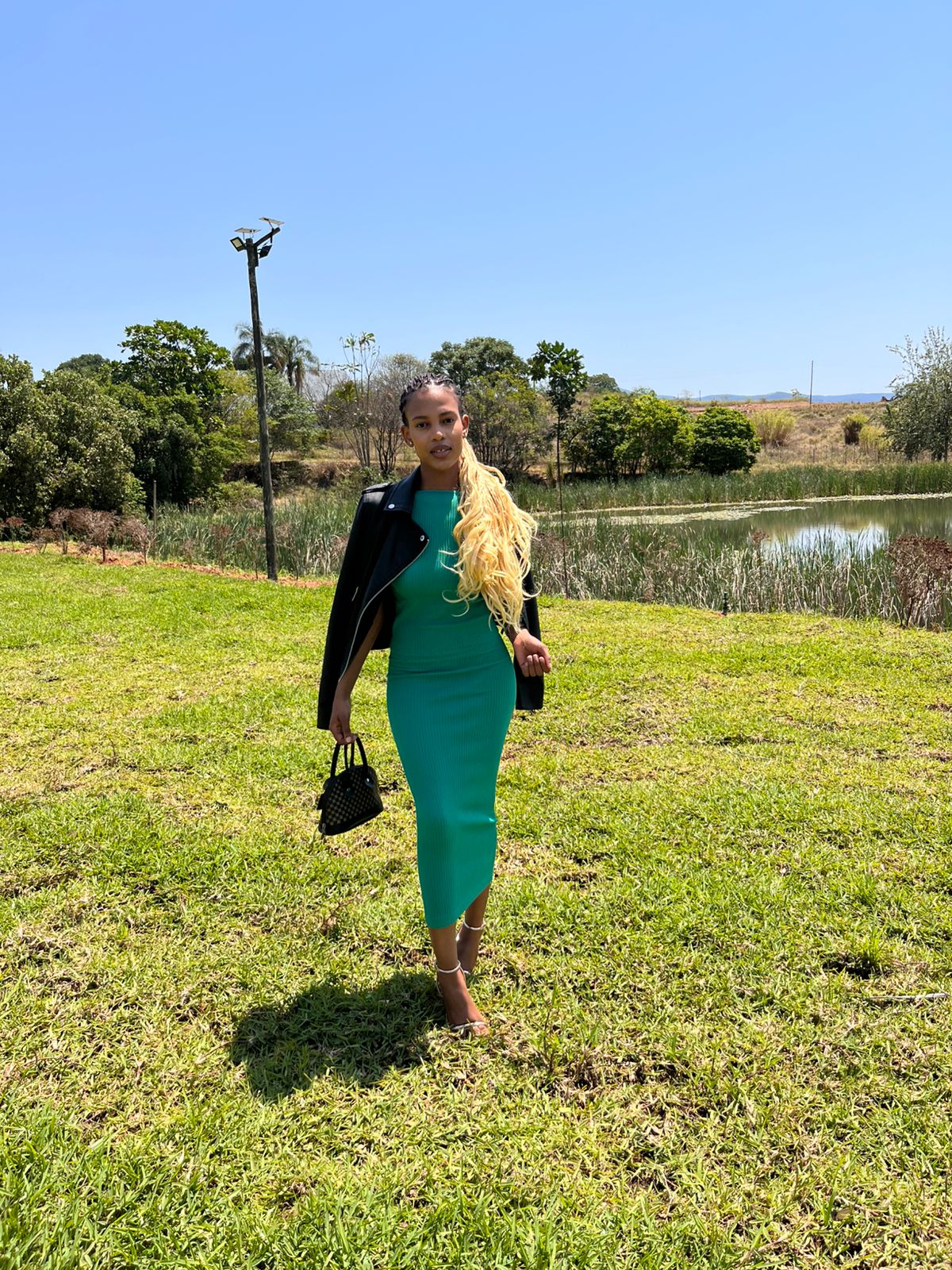
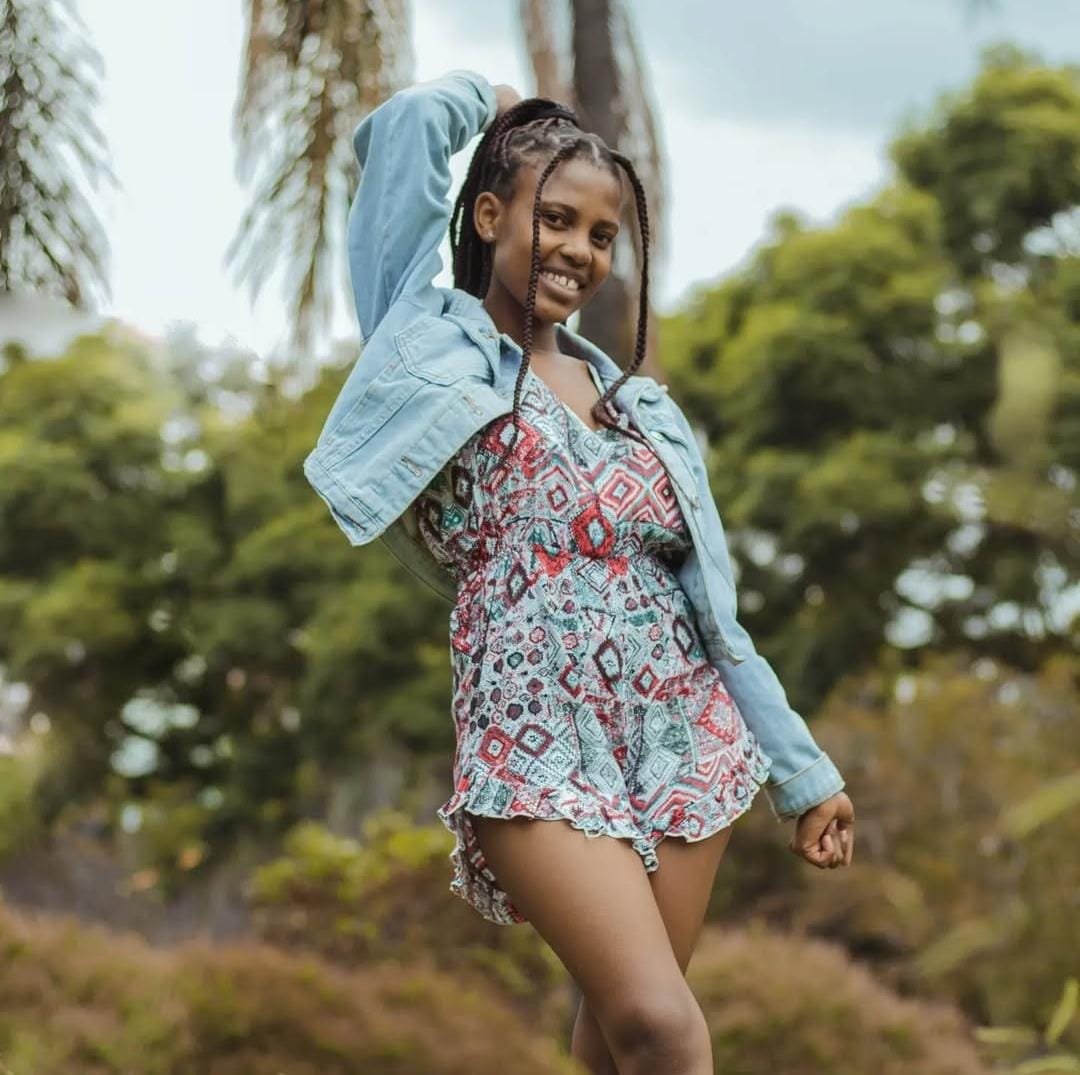
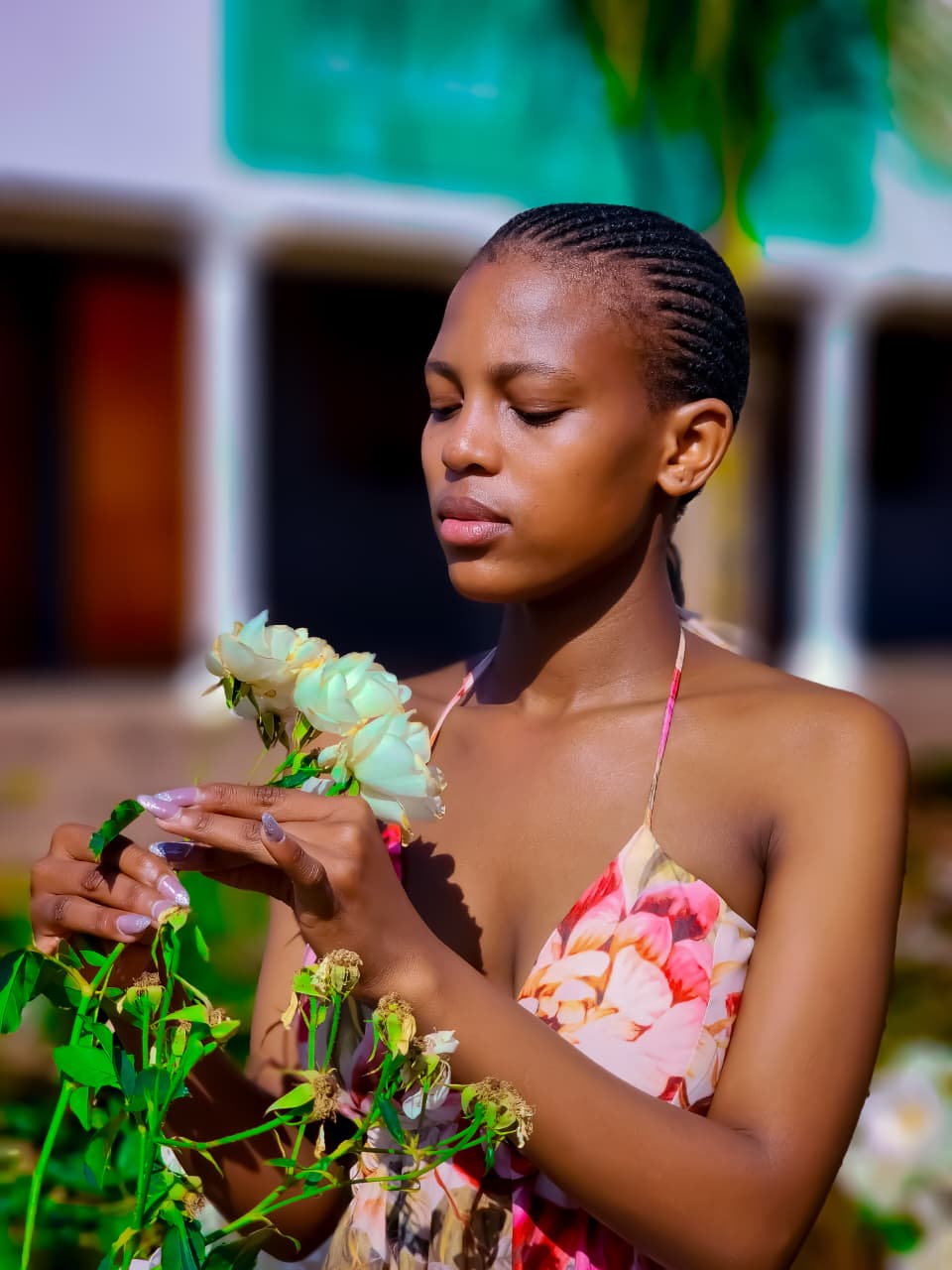
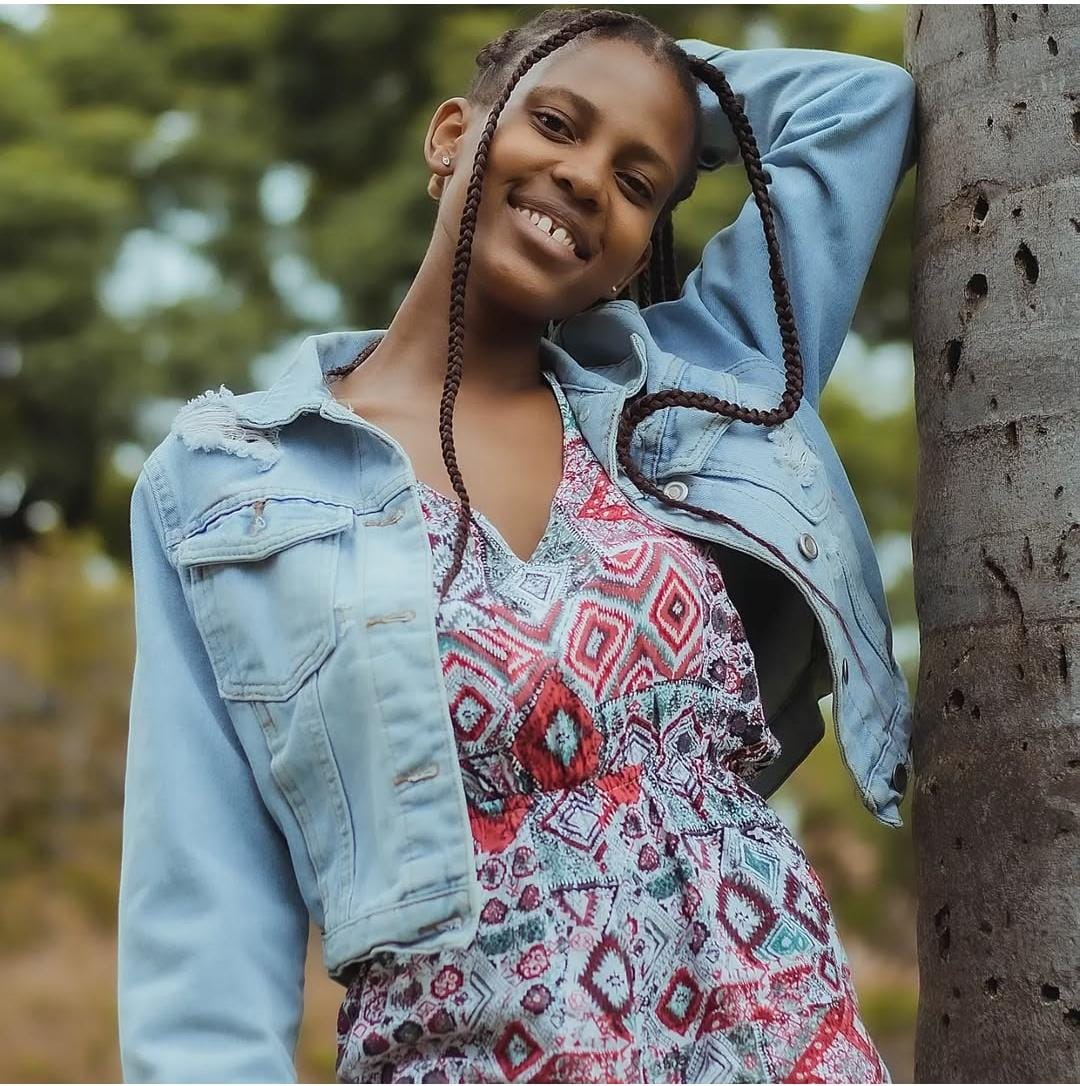
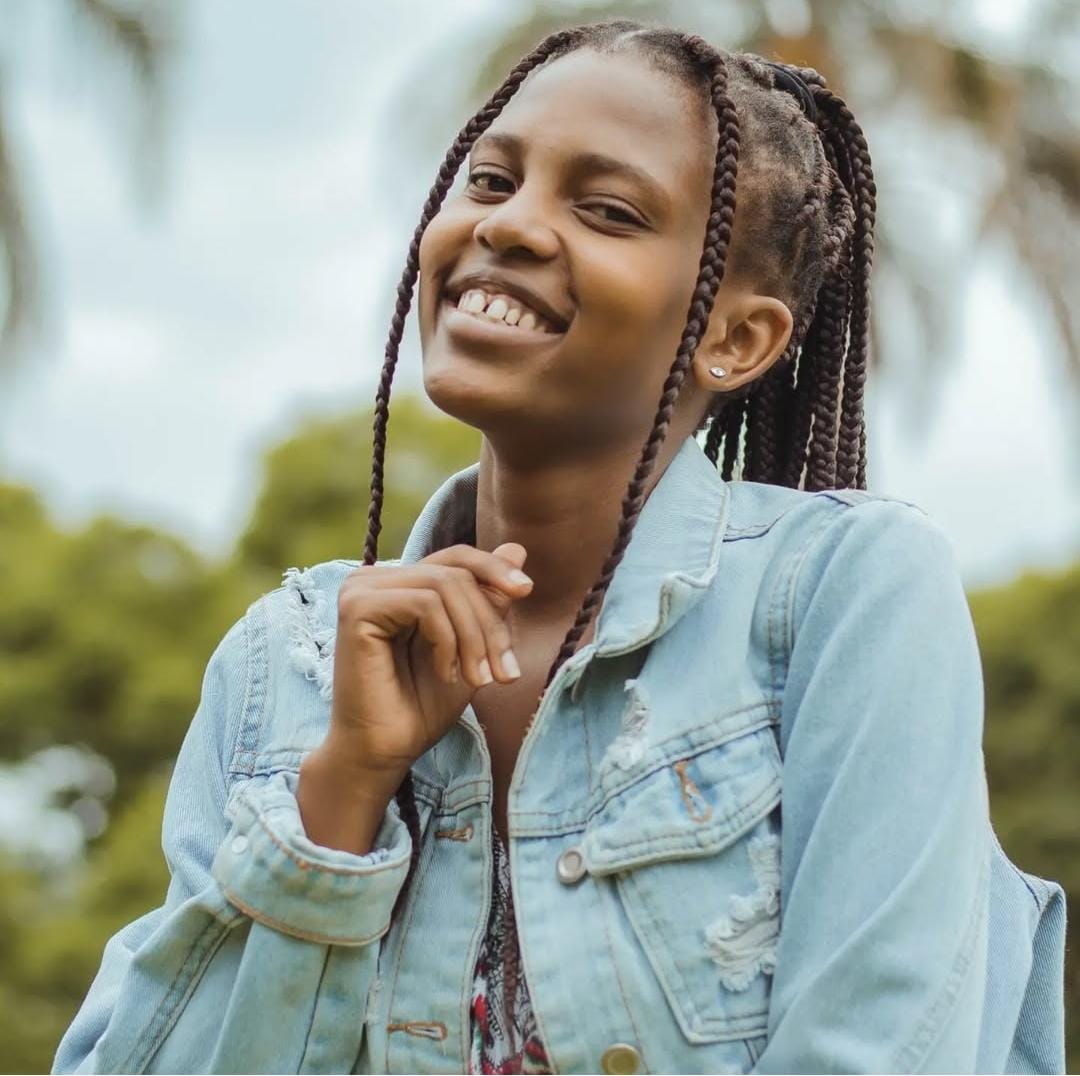
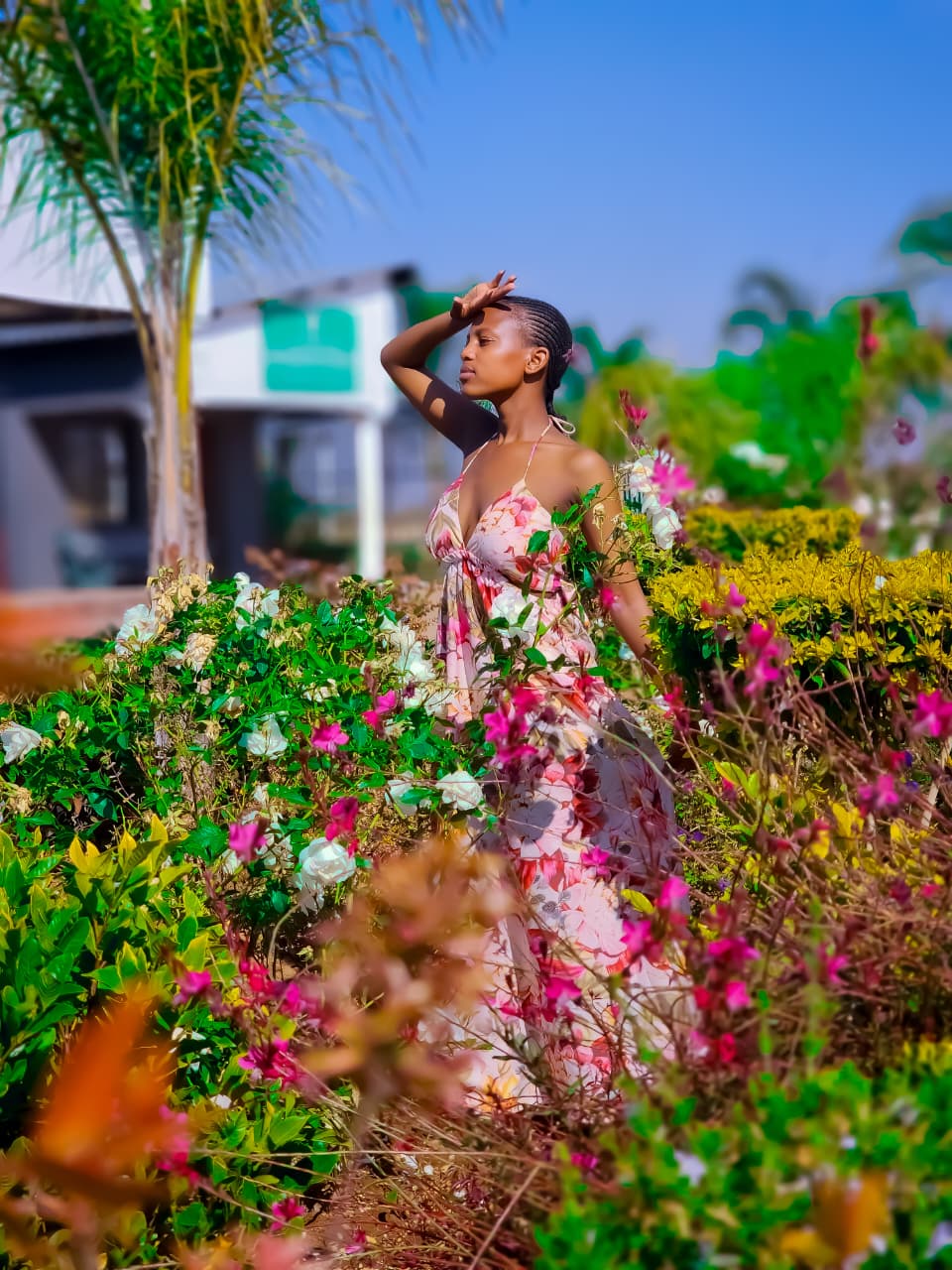

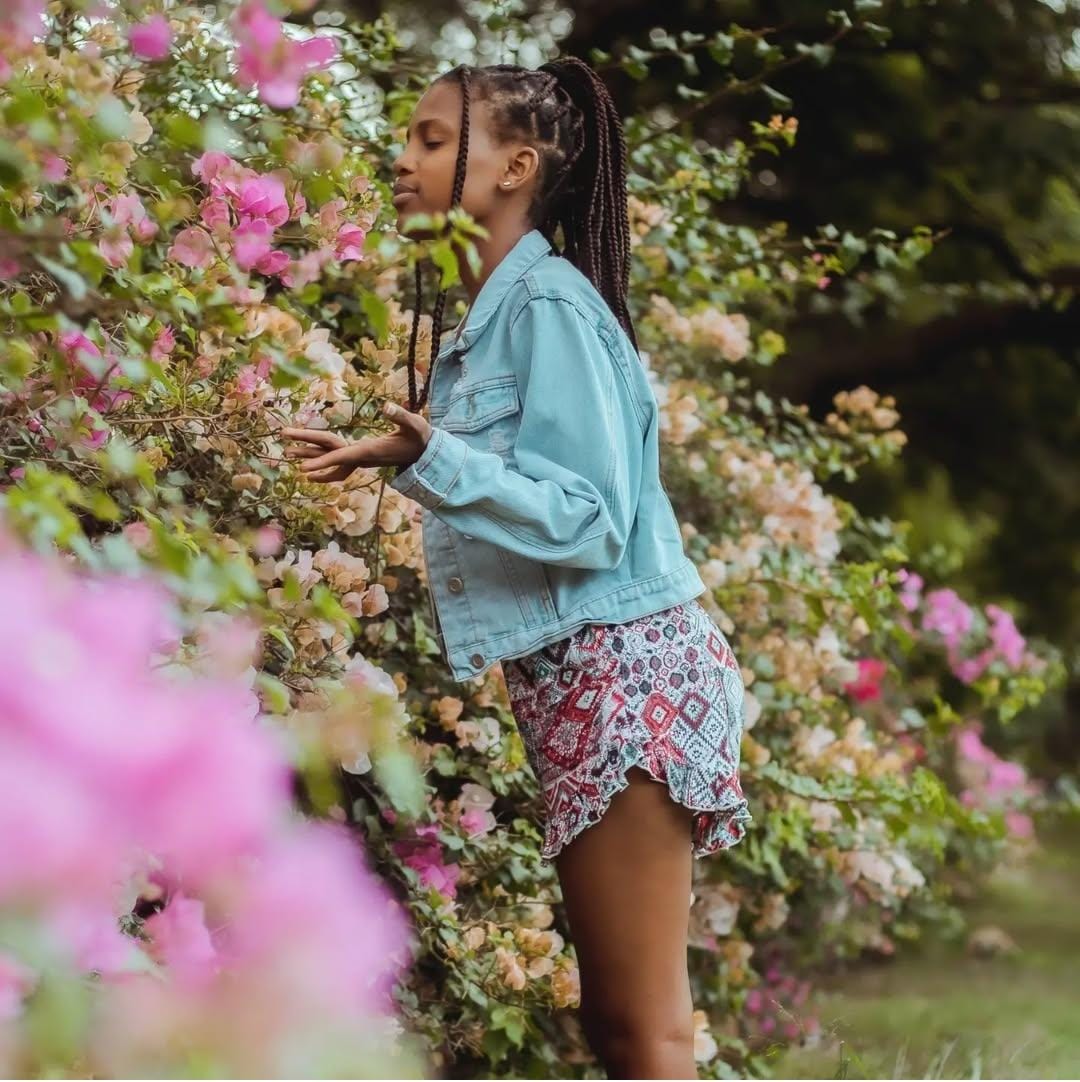
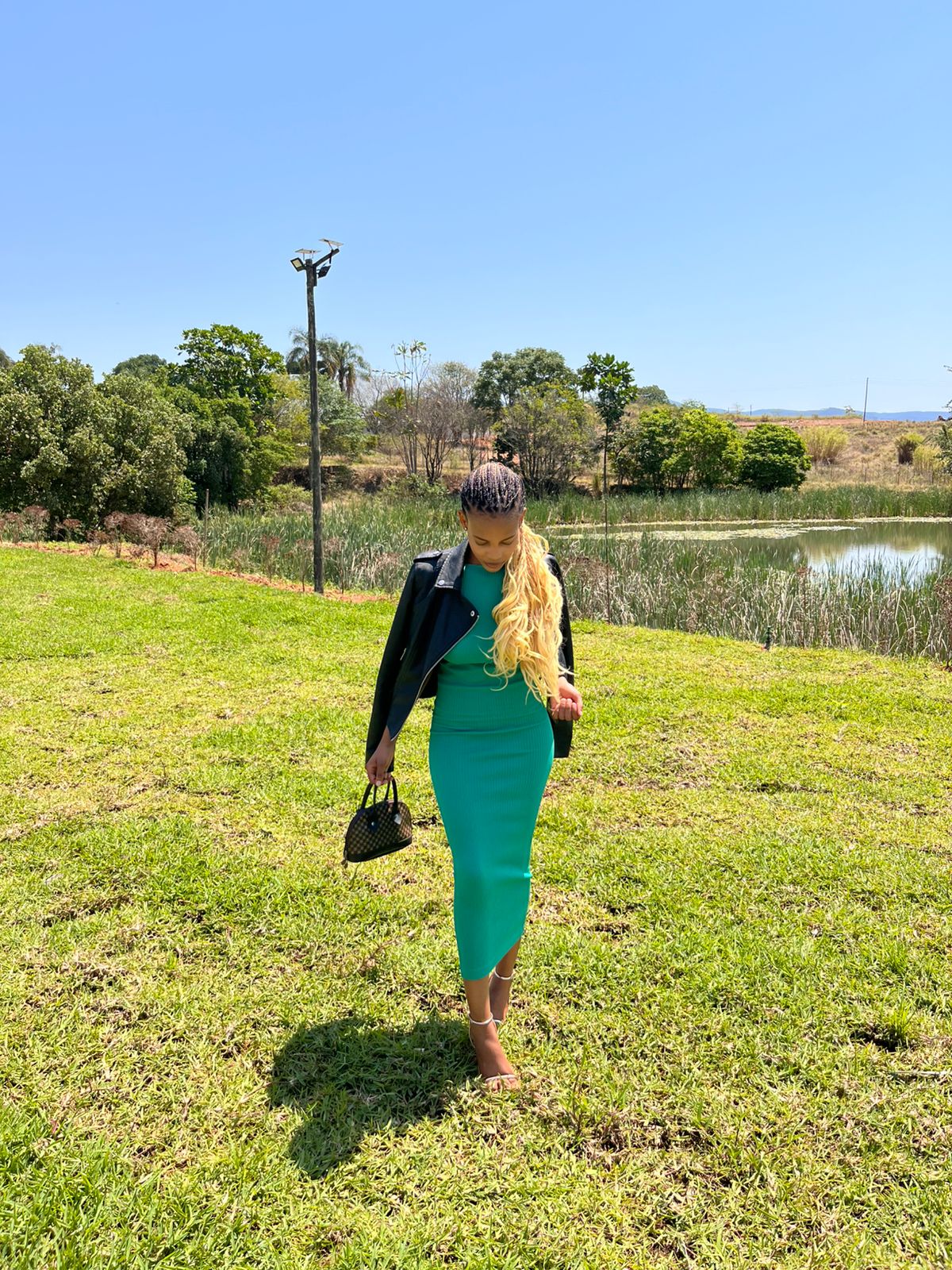
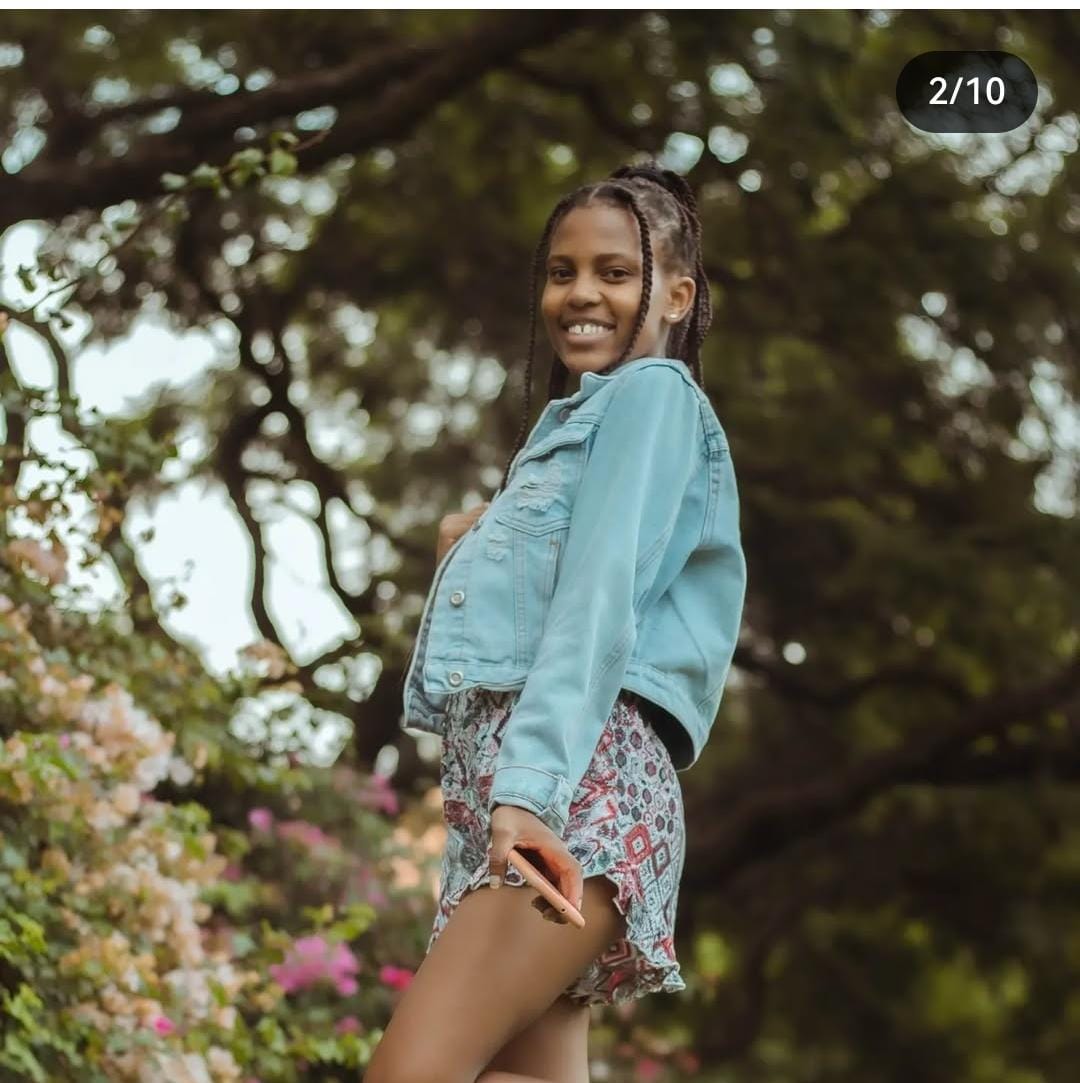
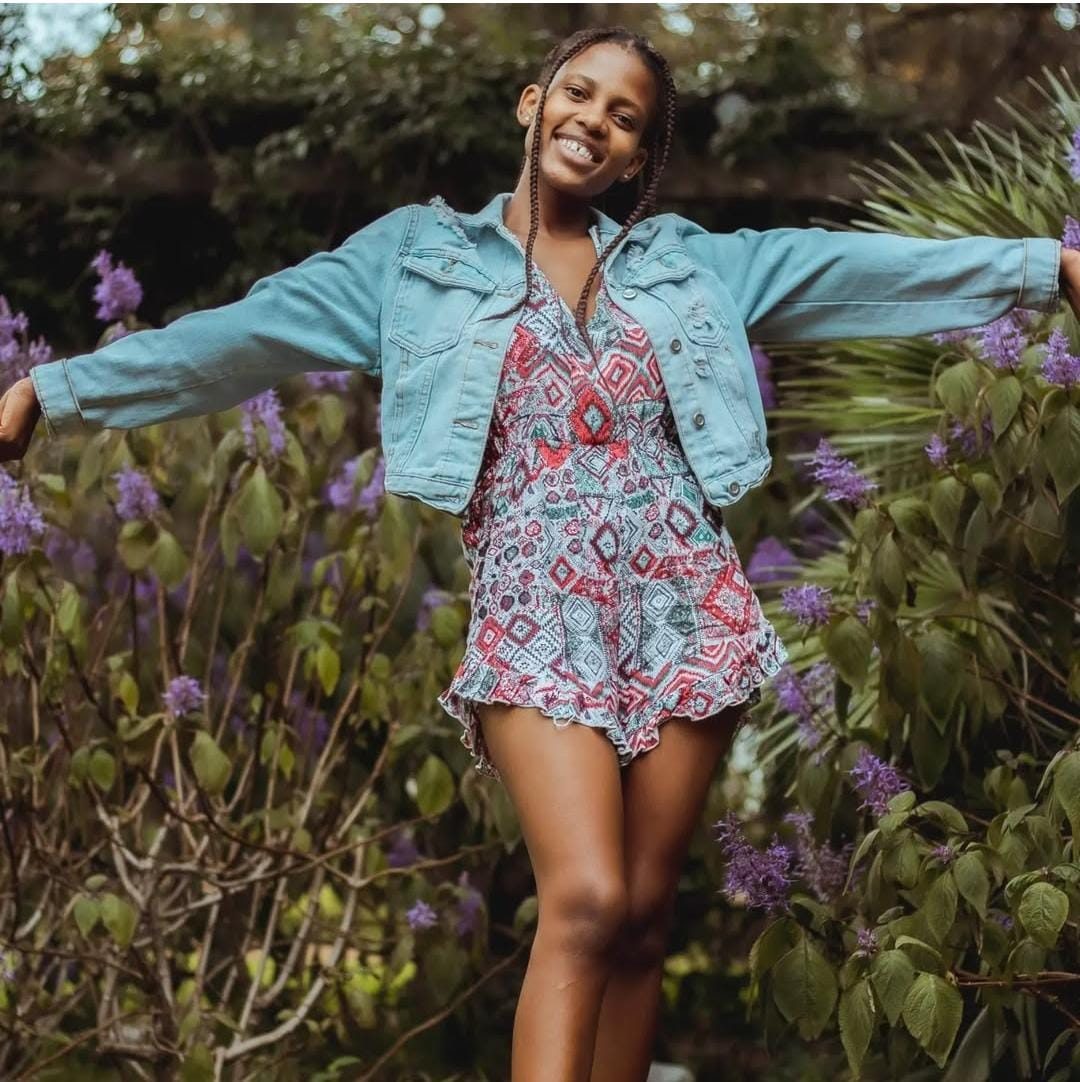

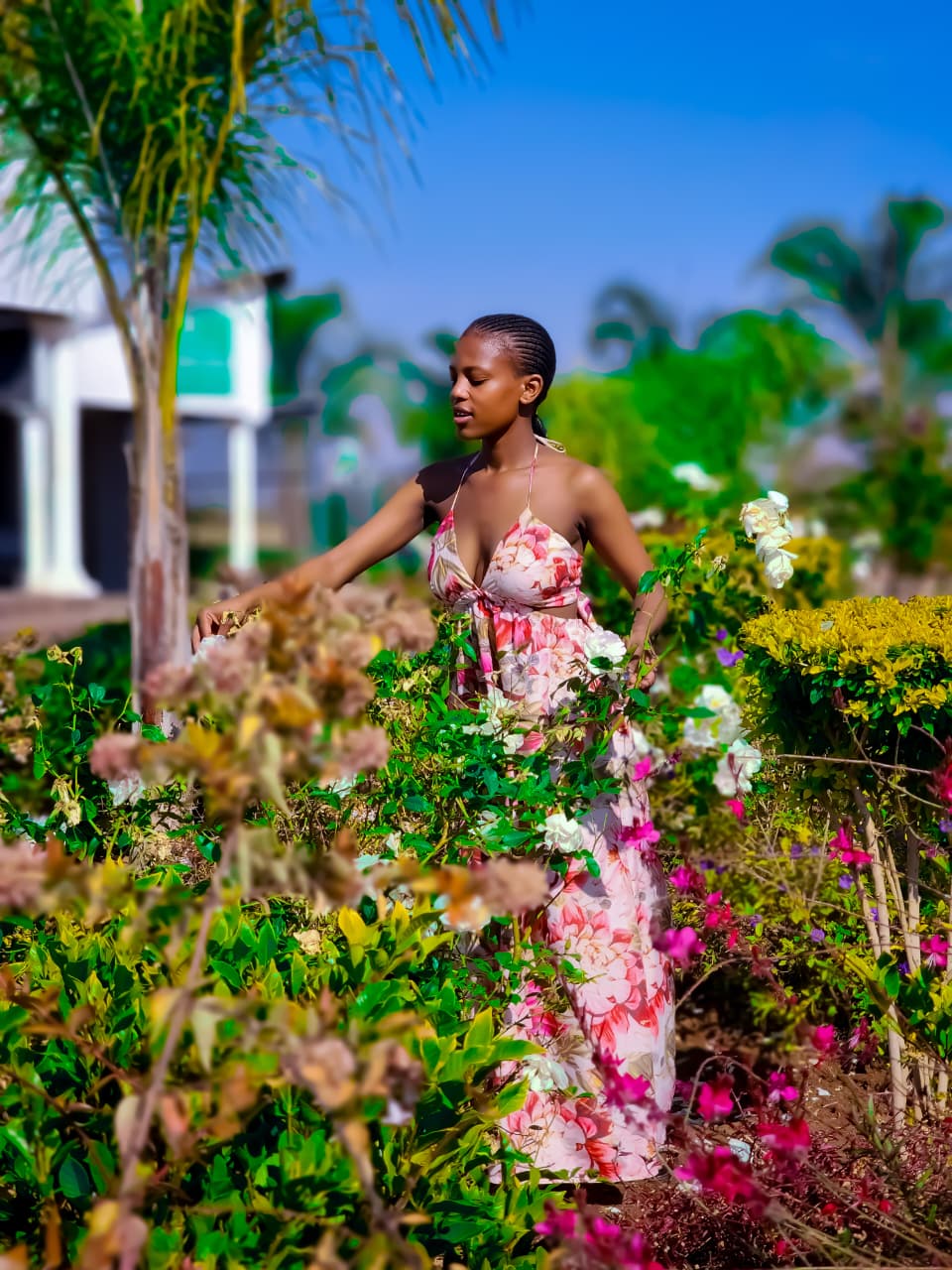
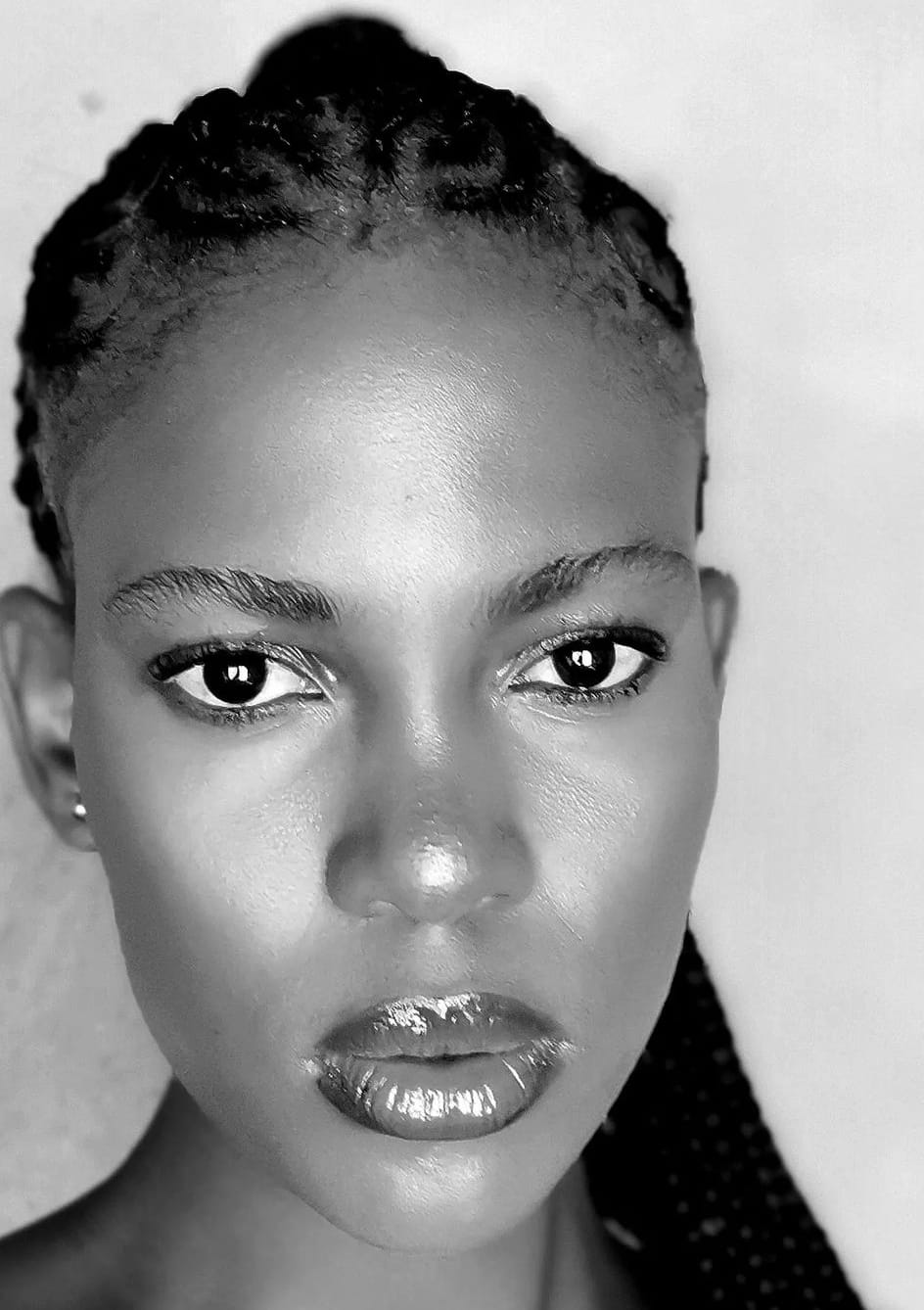
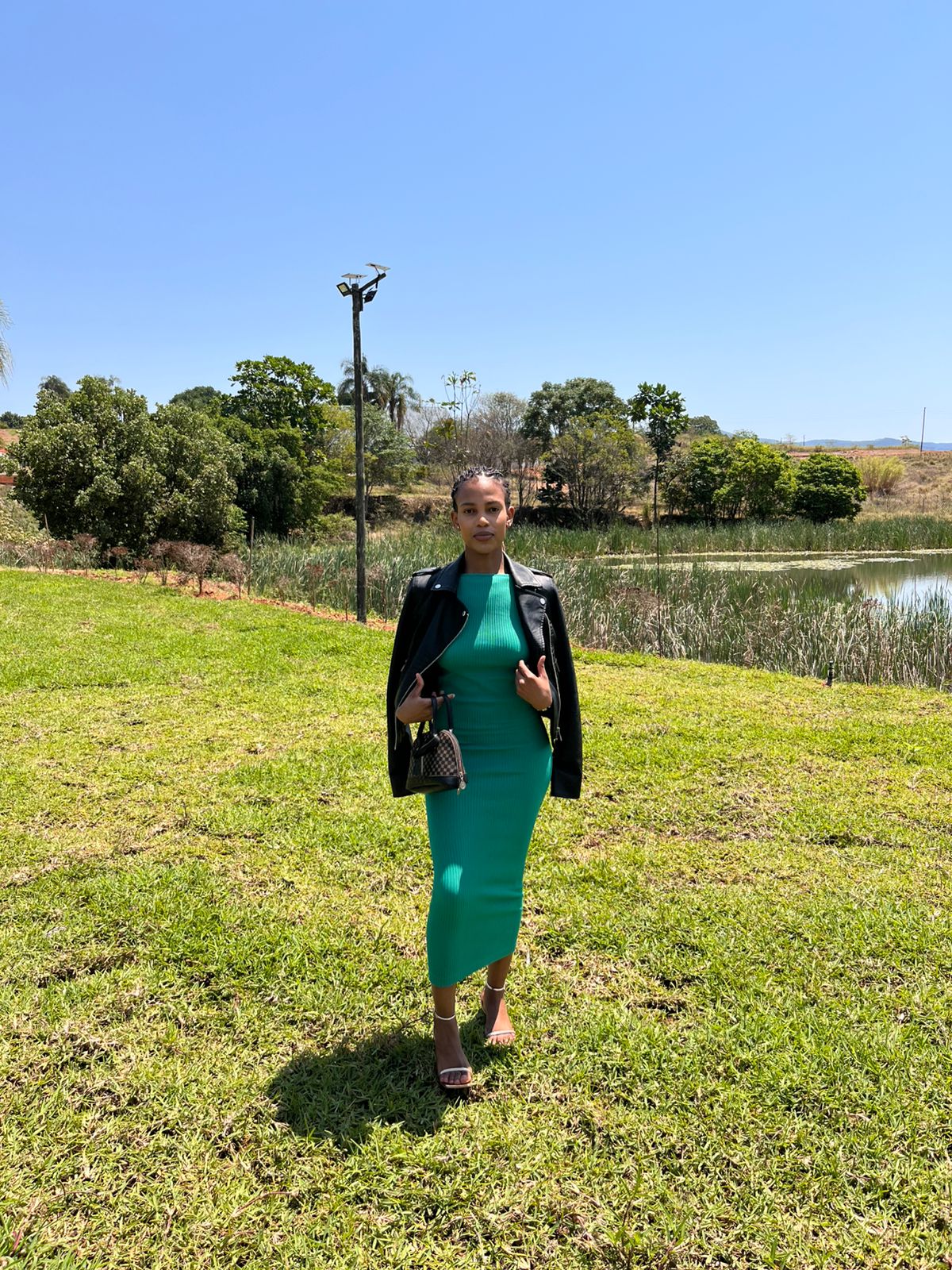
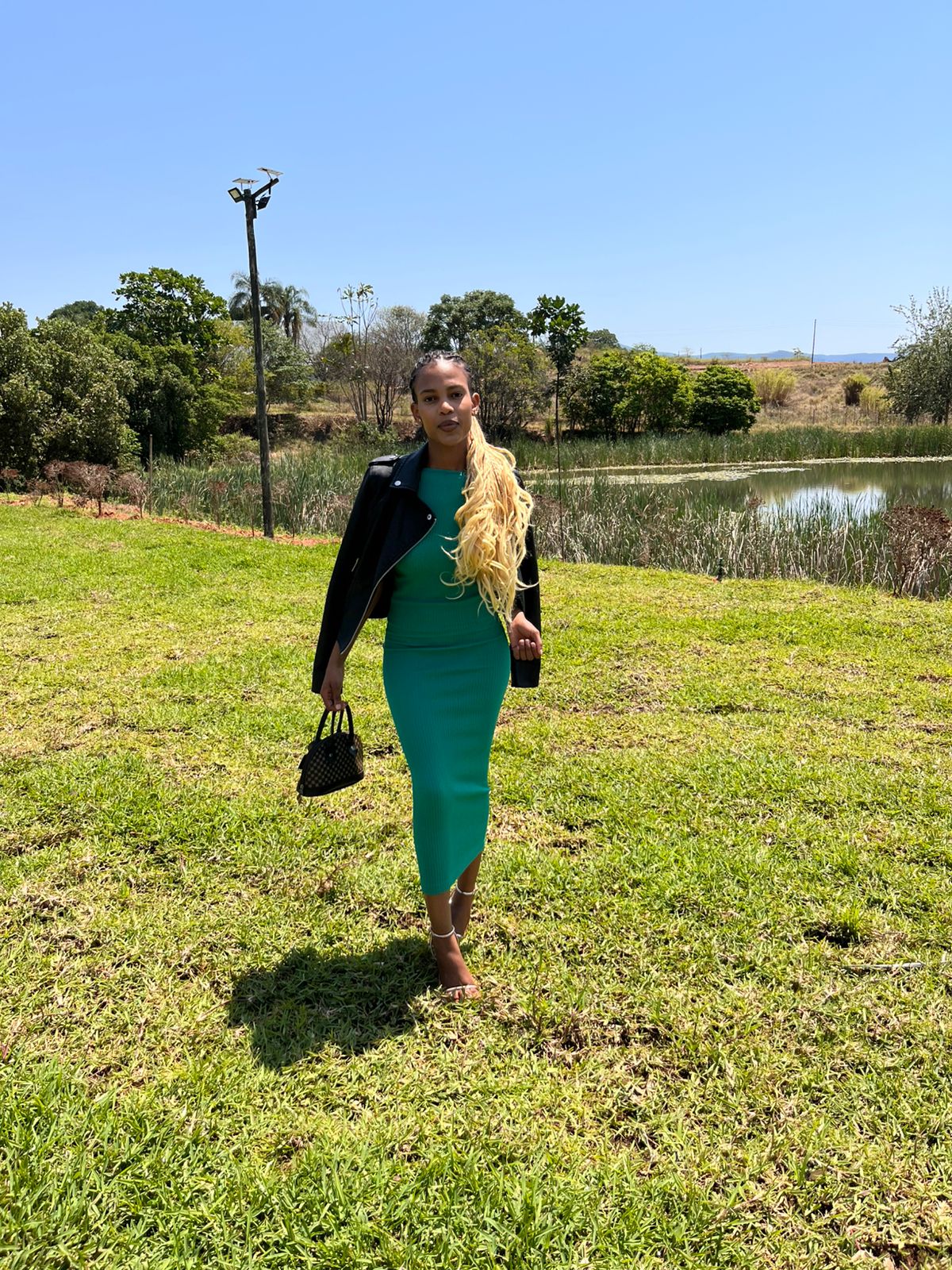
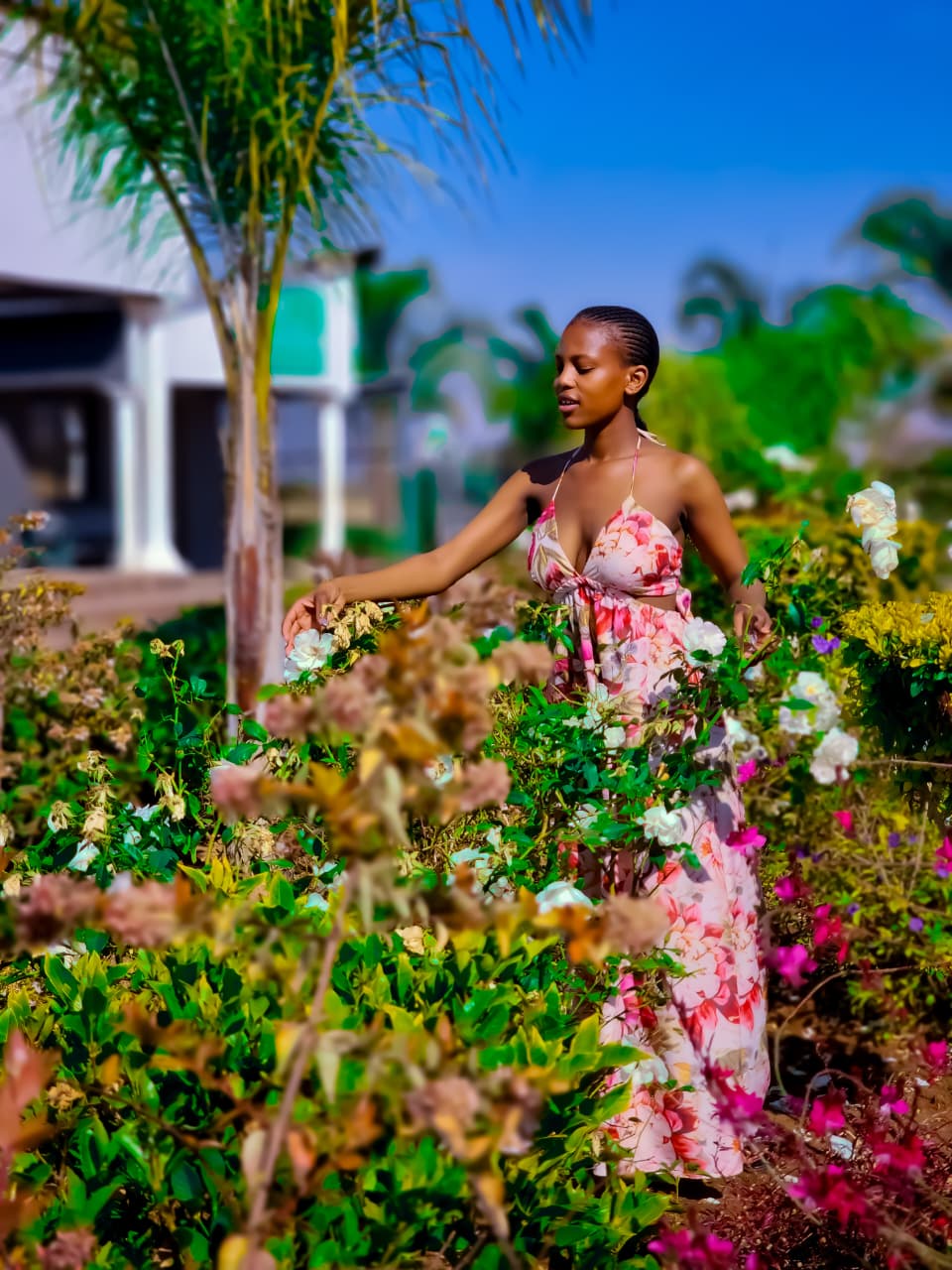


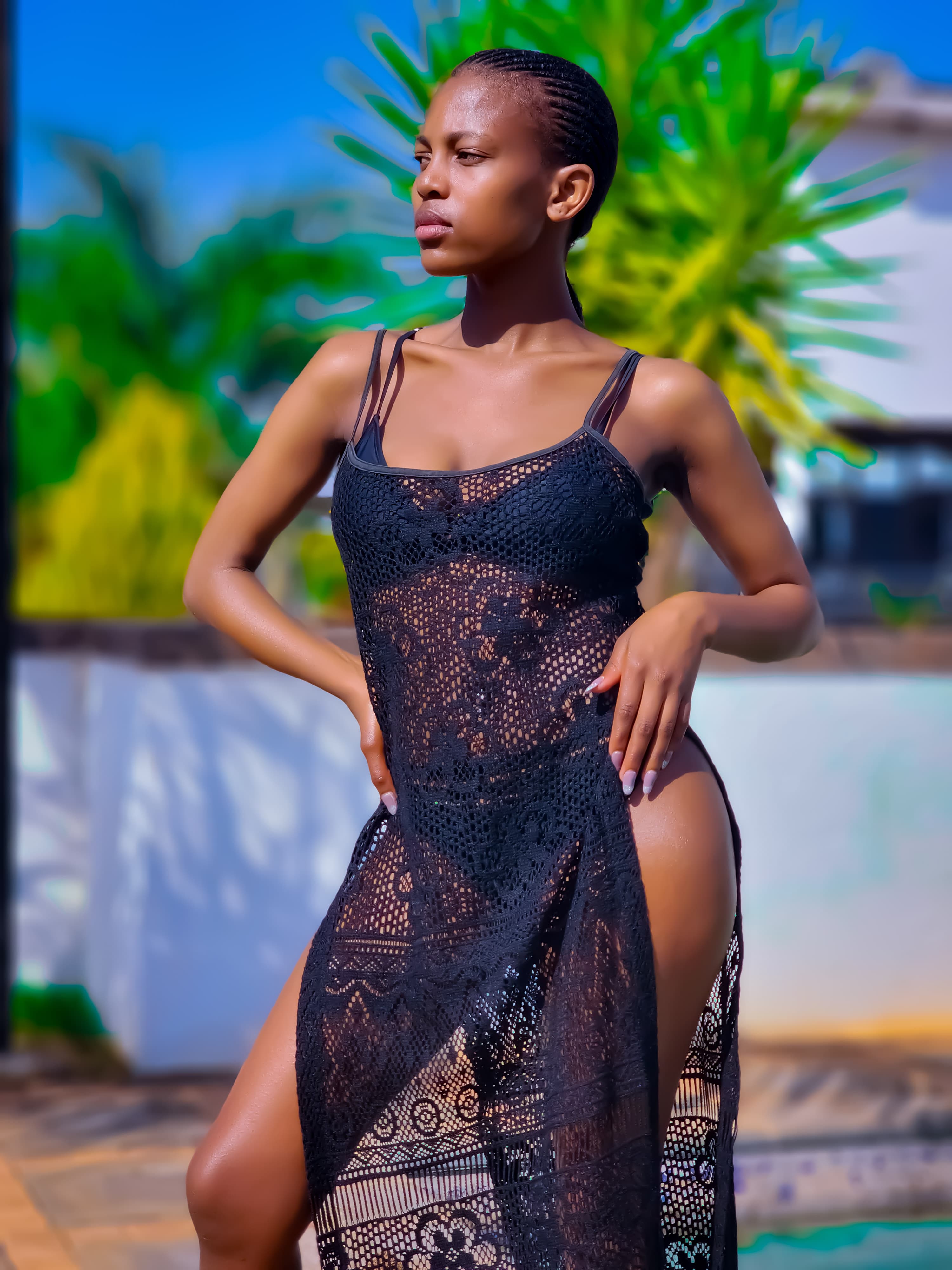

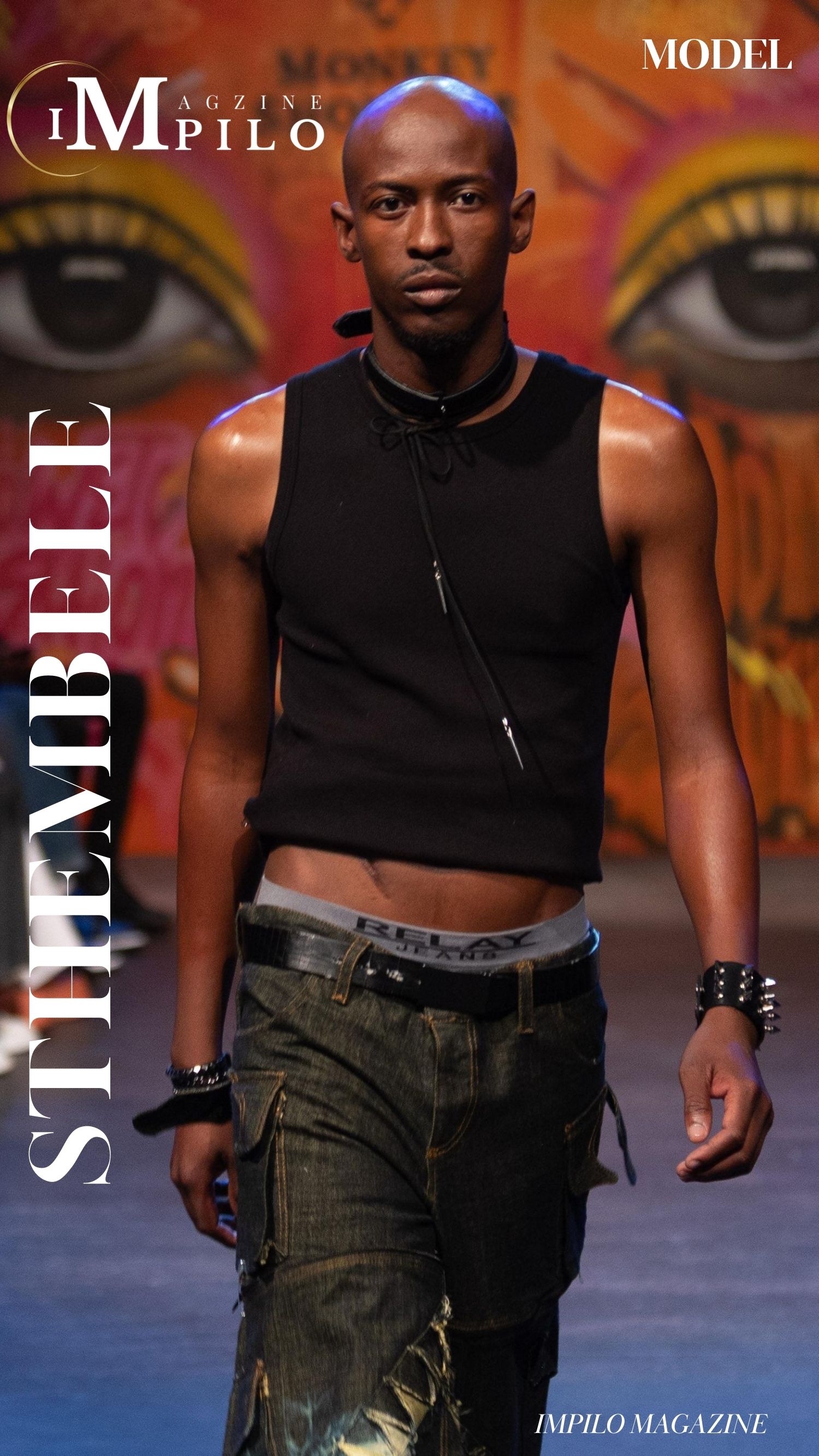
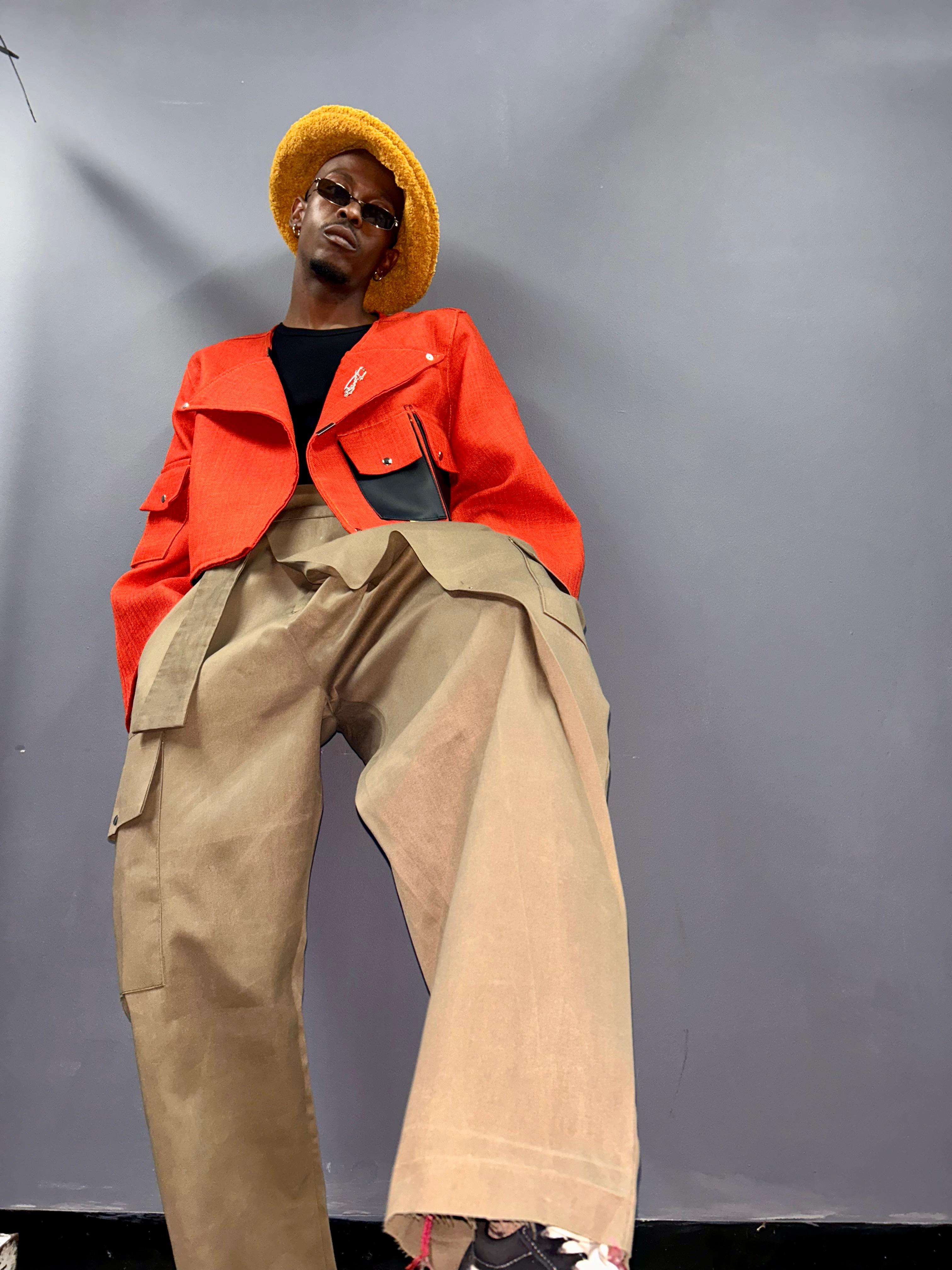
Sthembele Mathebula is a Pennyville, Soweto–based creative whose work is rooted in quiet confidence, intention, and evolving personal style within the fashion and modelling space.
Soft-spoken yet purposeful, Sthembele approaches creativity as a form of self-expression rather than performance. Their aesthetic reflects lived experience, cultural awareness, and a deep respect for the process of becoming.
Sthembele’s approach to fashion is guided by refinement and restraint. Each look is curated with purpose, allowing detail, texture, and form to speak without excess.
Rather than chasing trends, they focus on authenticity — building a visual language that evolves naturally with time, growth, and lived experience.
With a natural presence and an intuitive understanding of visual storytelling, Sthembele brings depth and calm to every frame. Their work reflects discipline, patience, and a belief in consistency over visibility.
Each project contributes to a growing body of work rooted in authenticity, proving that impact does not require noise.
Beyond modelling, Sthembele is committed to personal growth and creative development. Their journey reflects discipline, intention, and alignment with purpose — values that extend beyond the industry.
Creativity is treated not as a destination, but as an evolving practice rooted in self-awareness and growth.
Sthembele envisions a career built steadily and authentically — one that honours patience, consistency, and creative alignment.
Their story is a reminder that becoming is a process, and intention is the foundation of lasting impact.
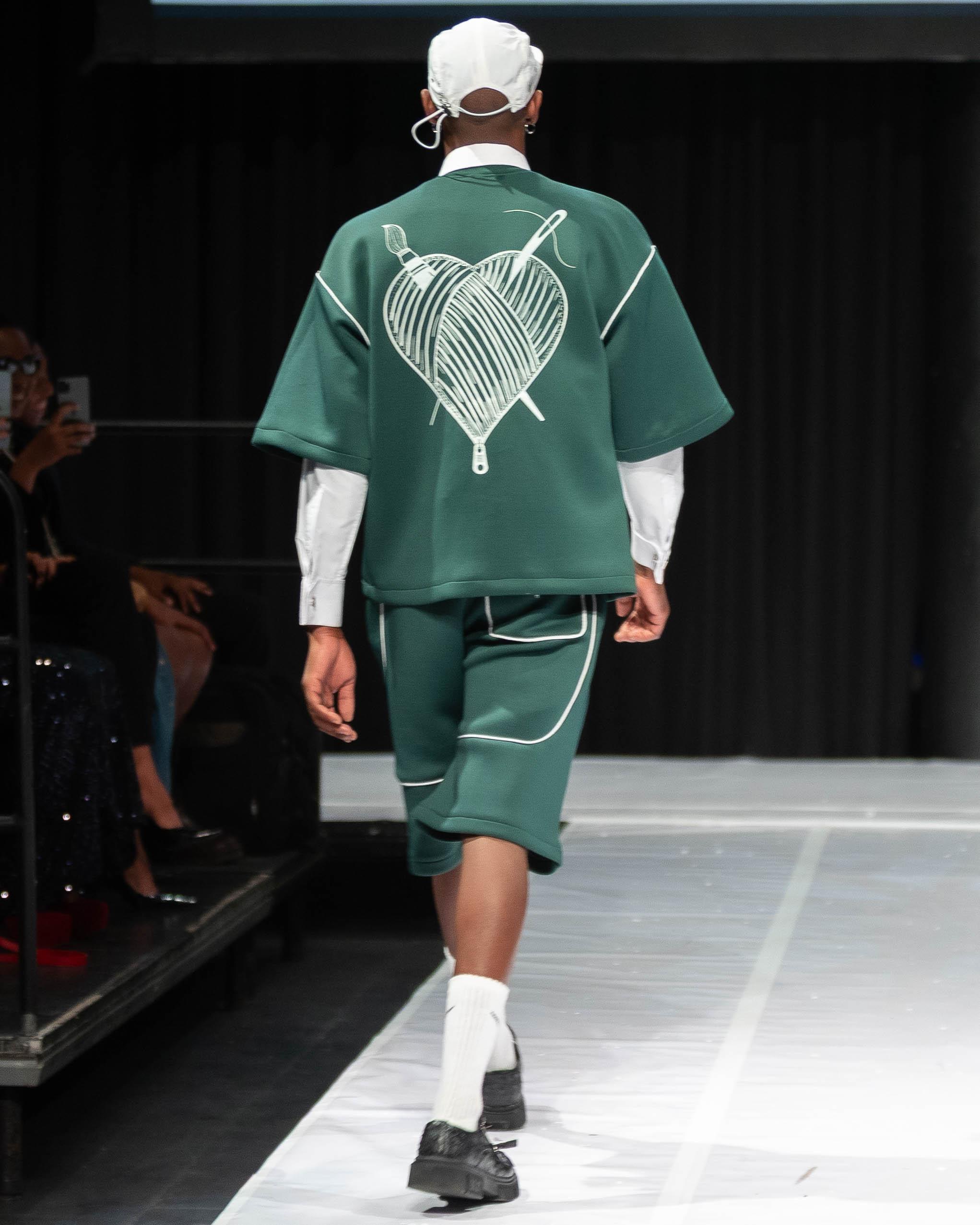
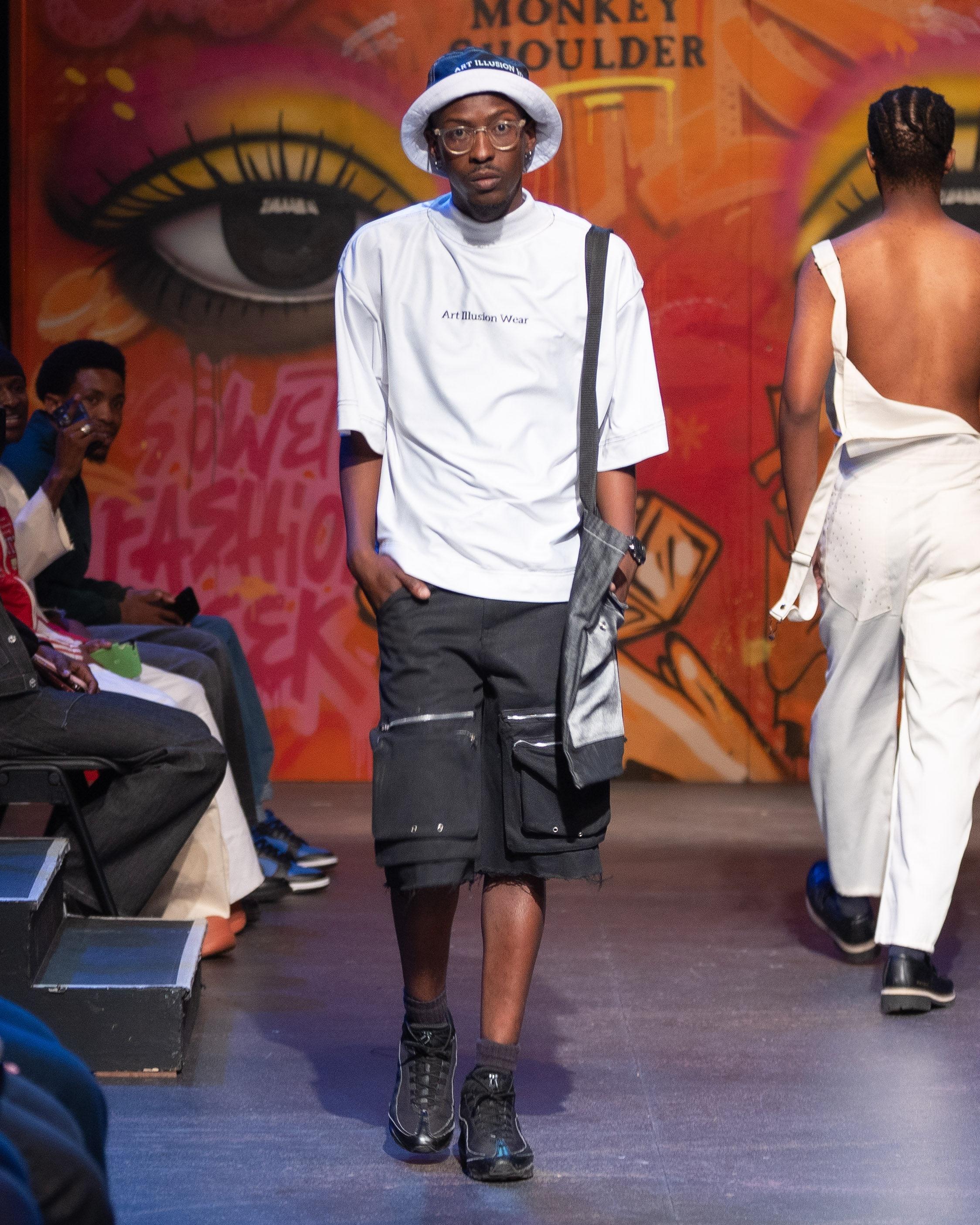
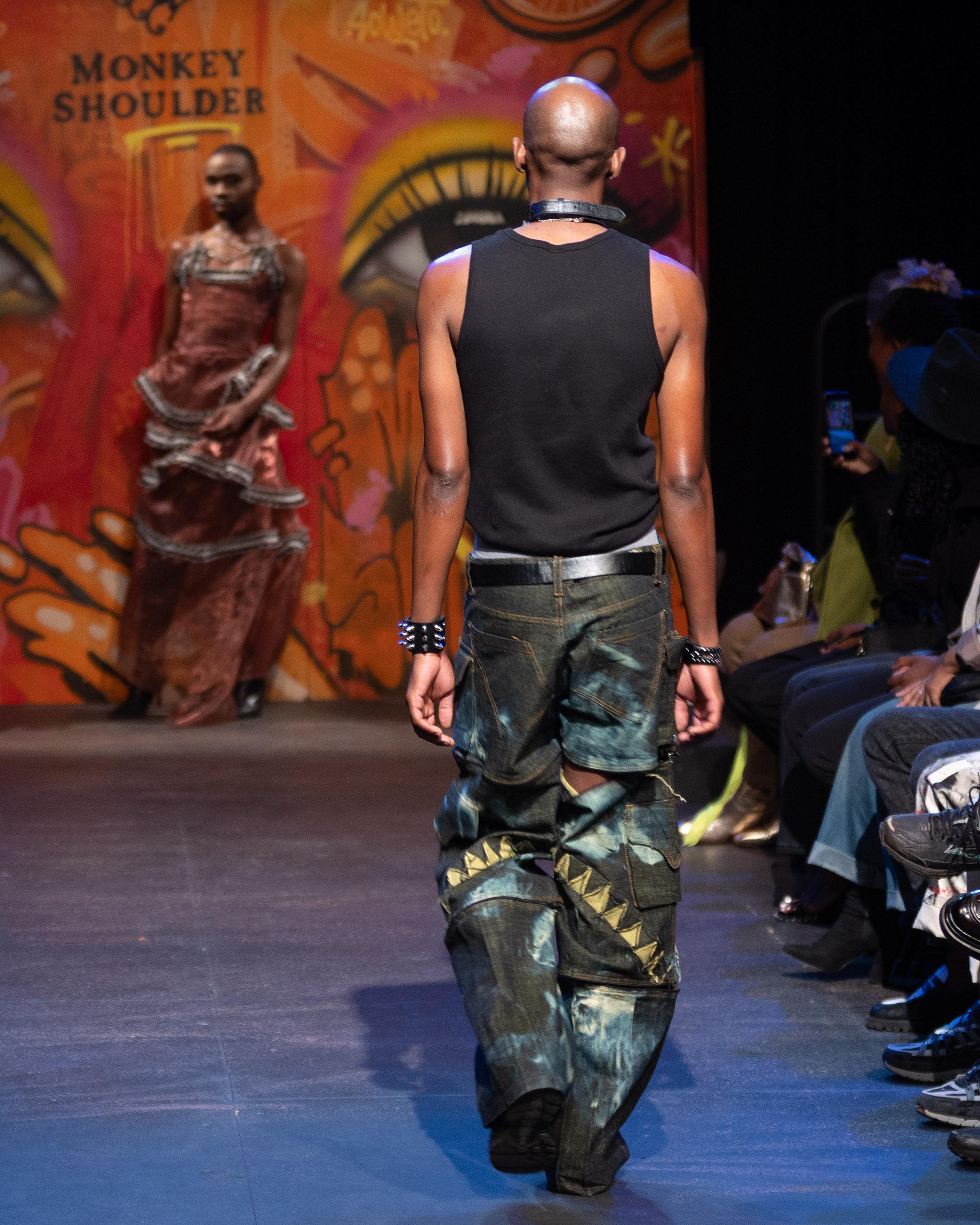
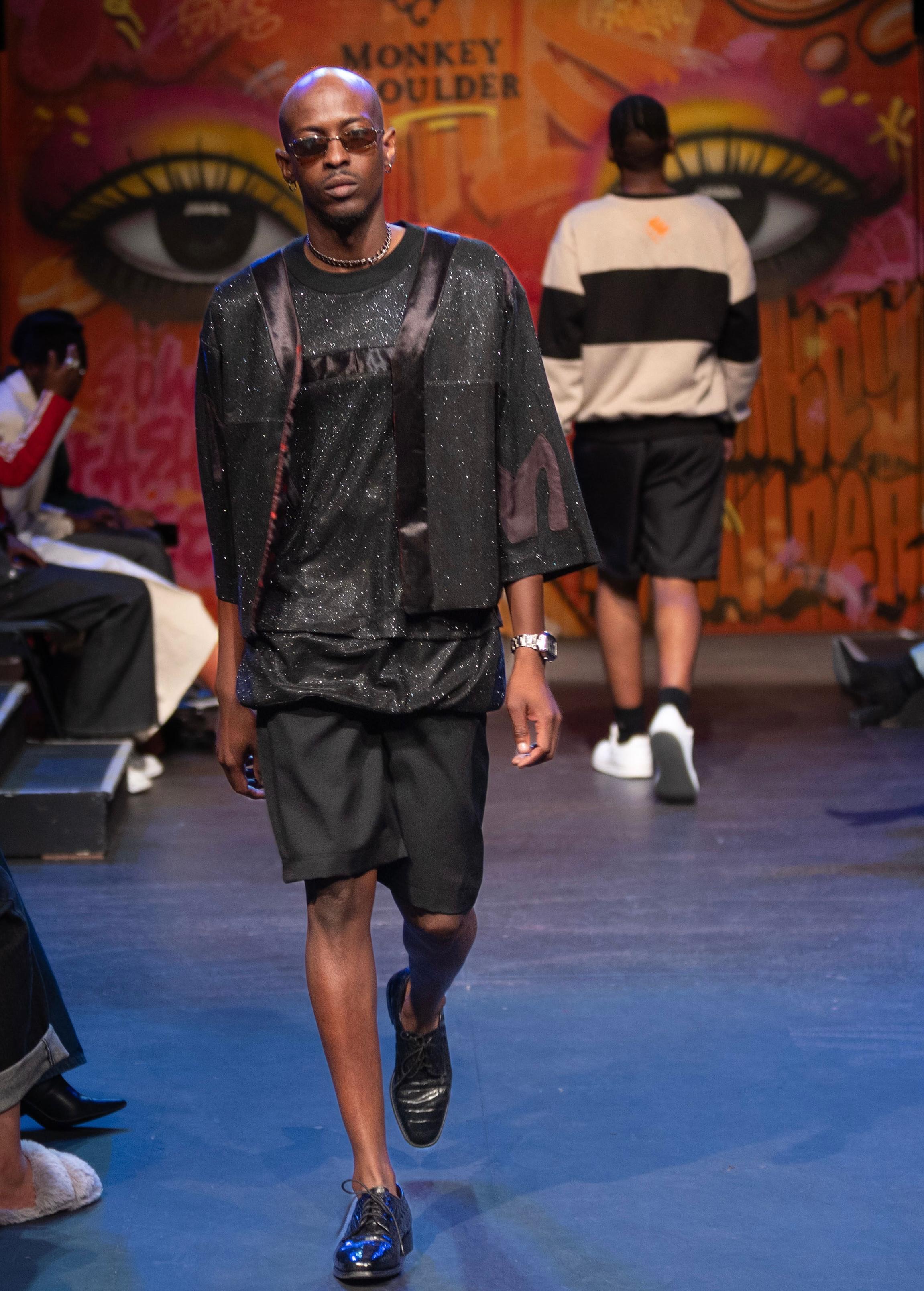
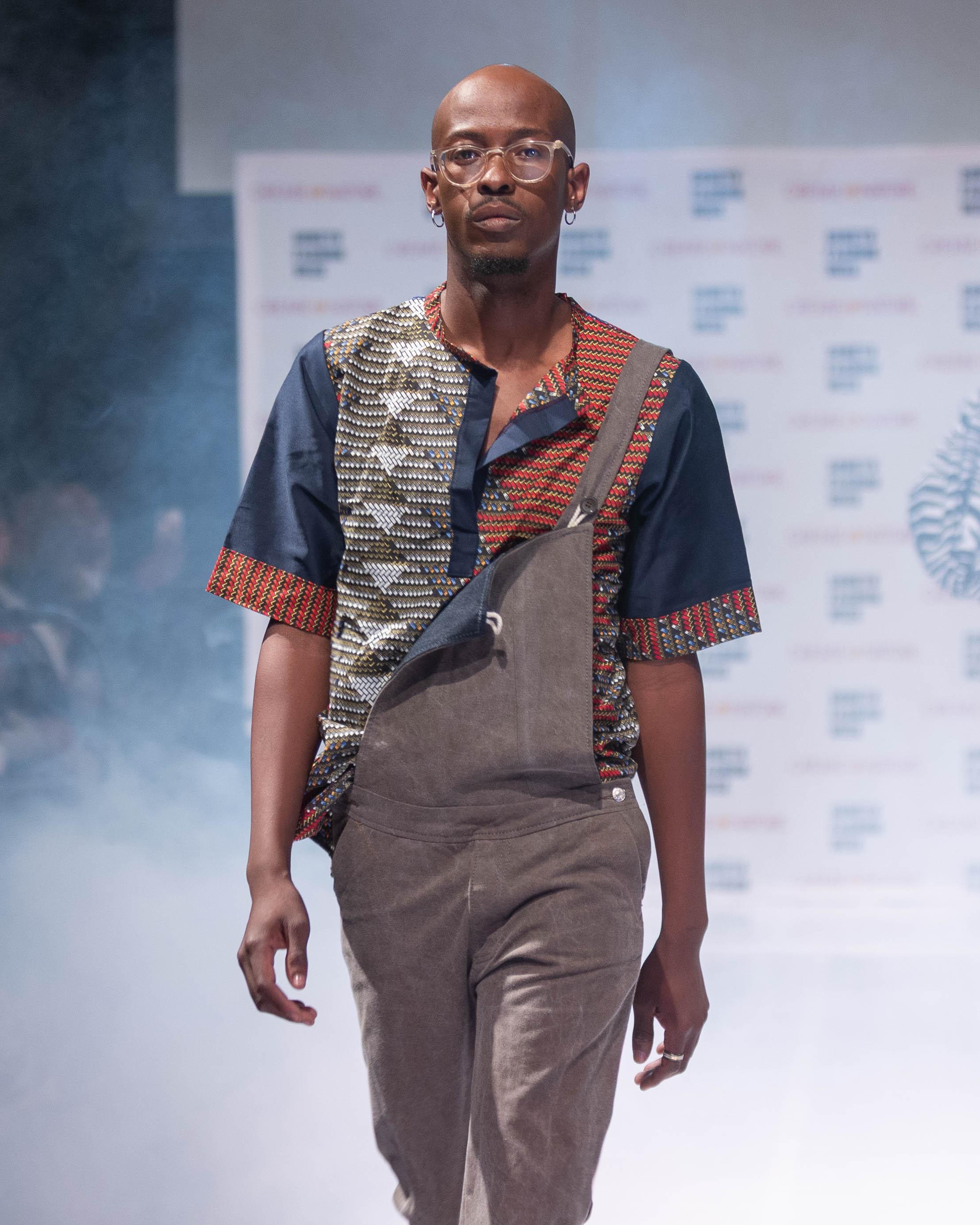
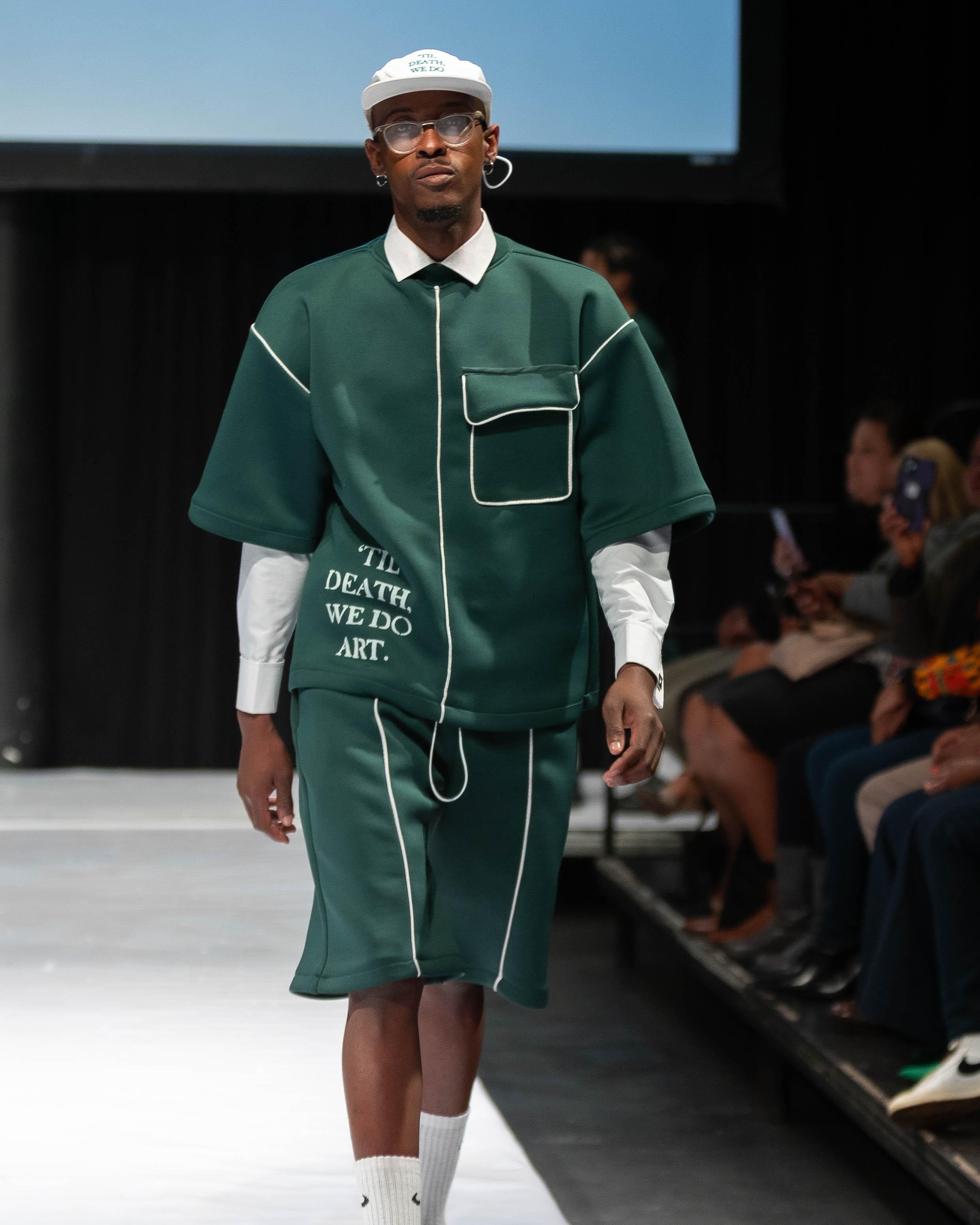
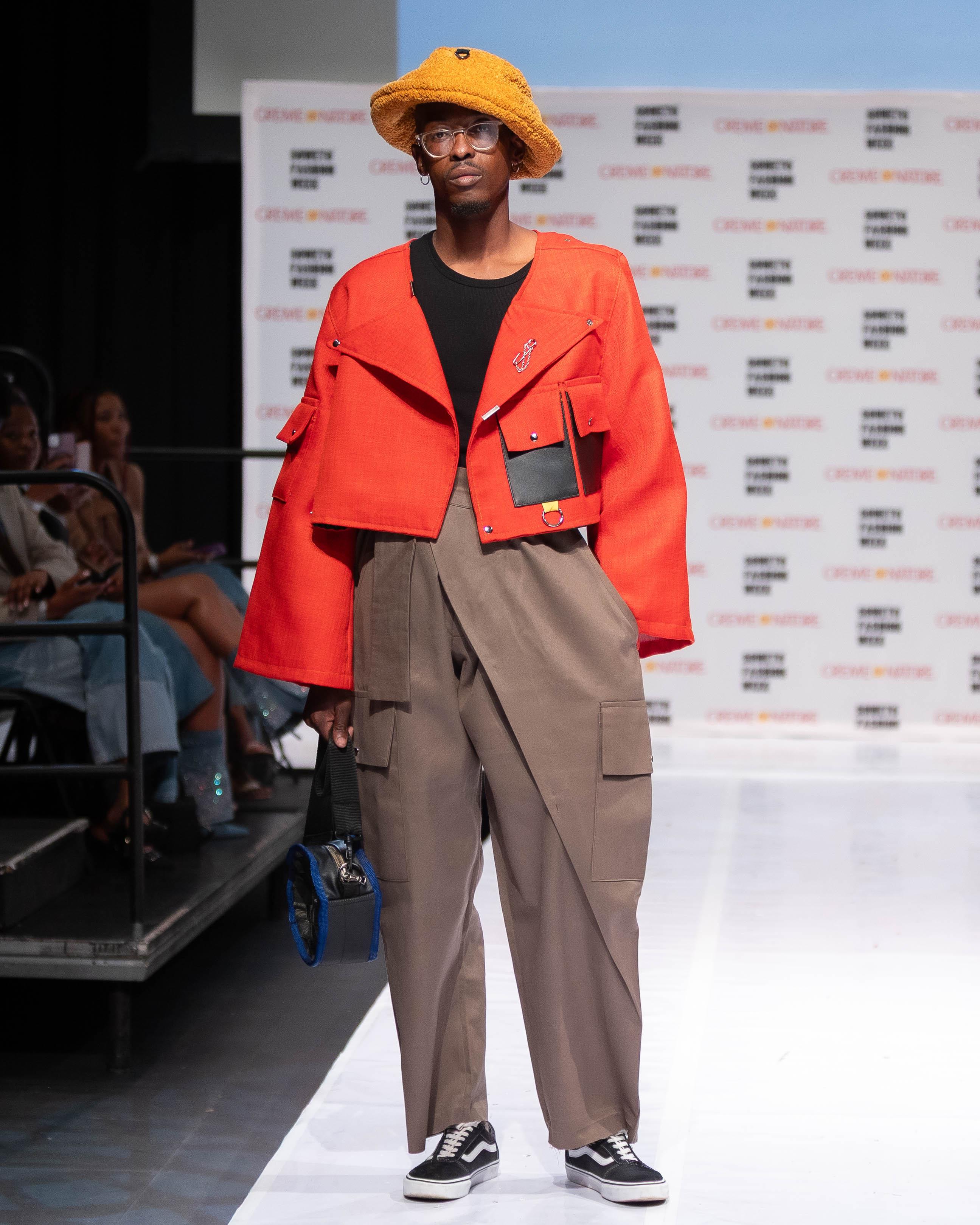
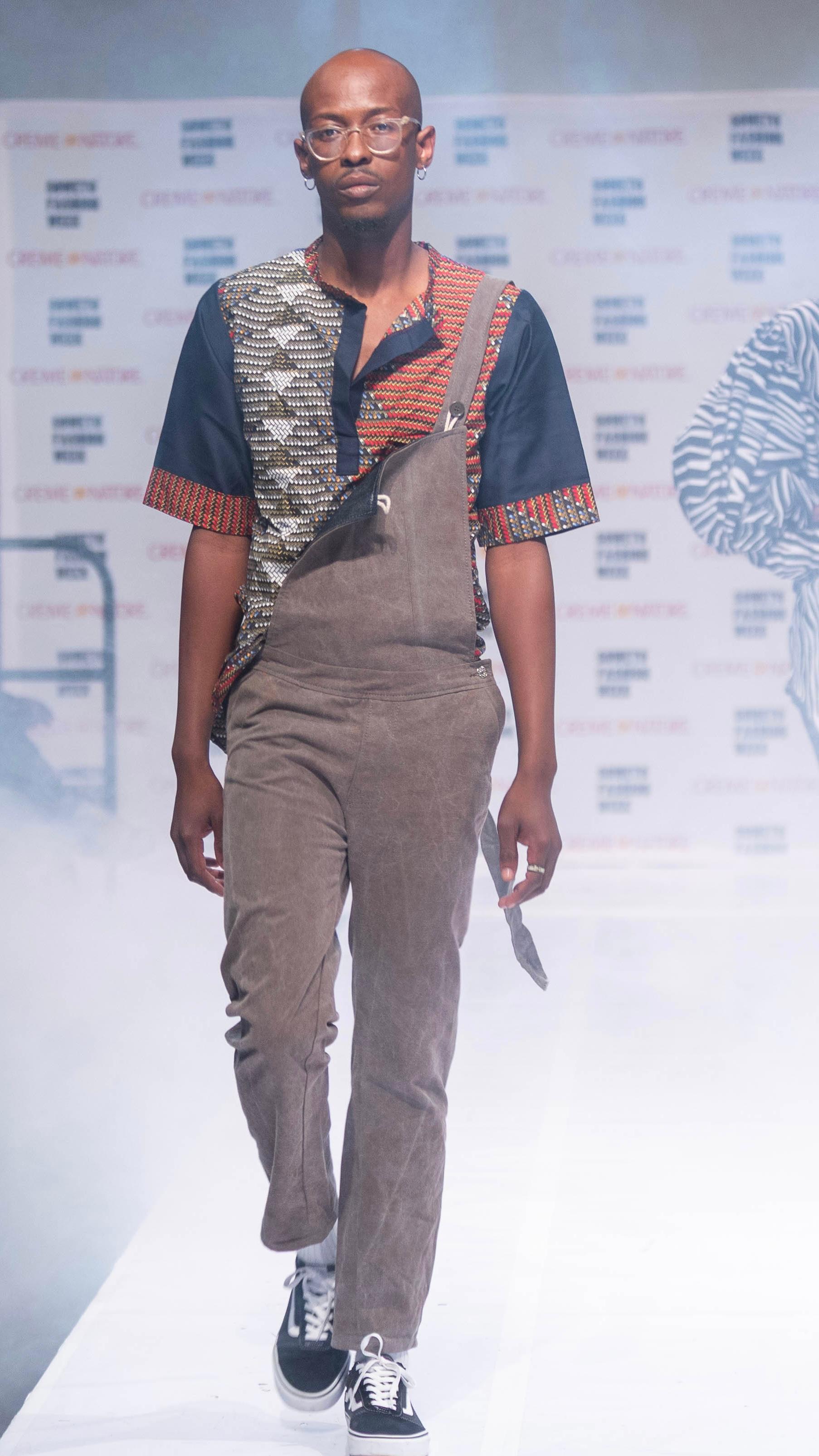
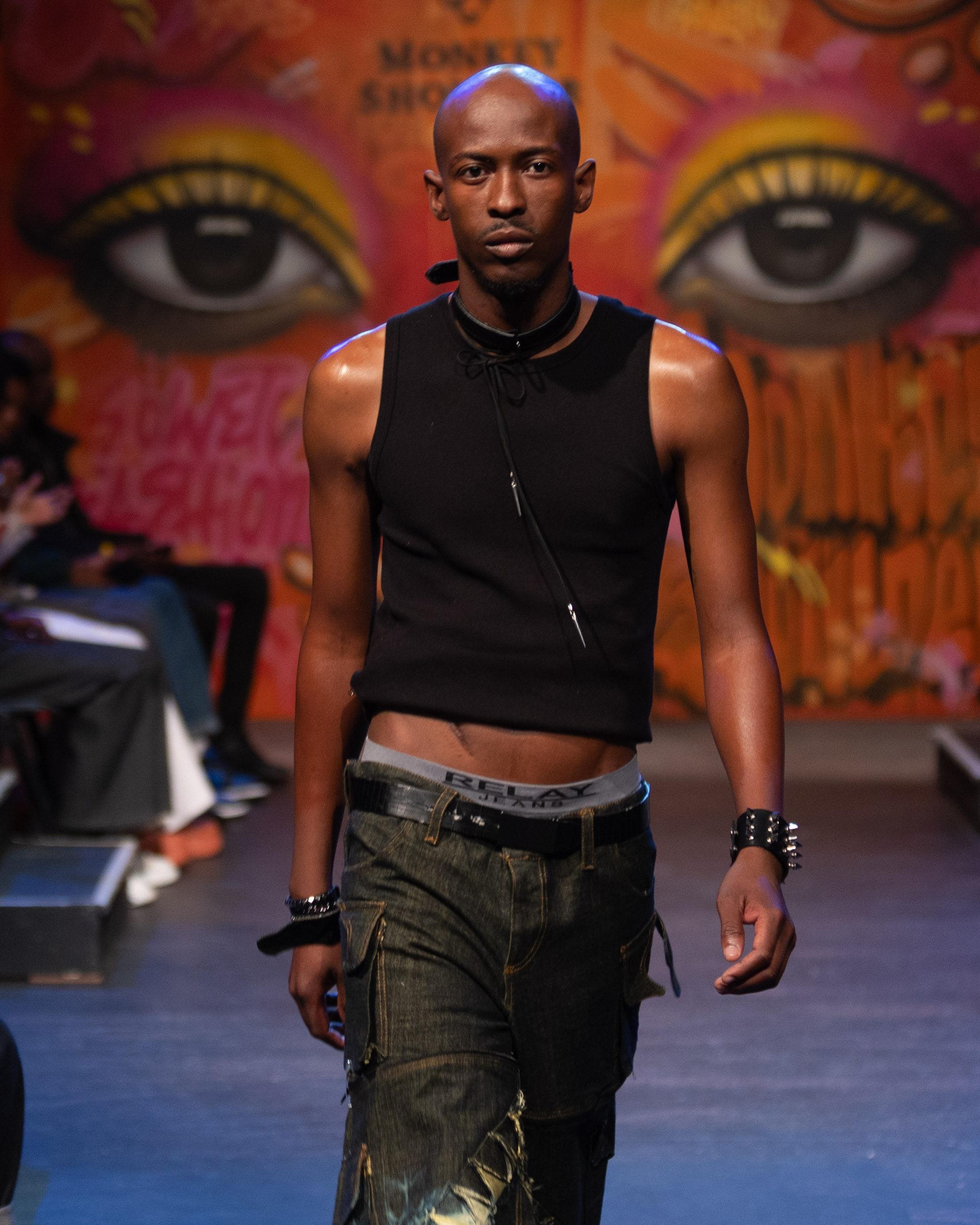
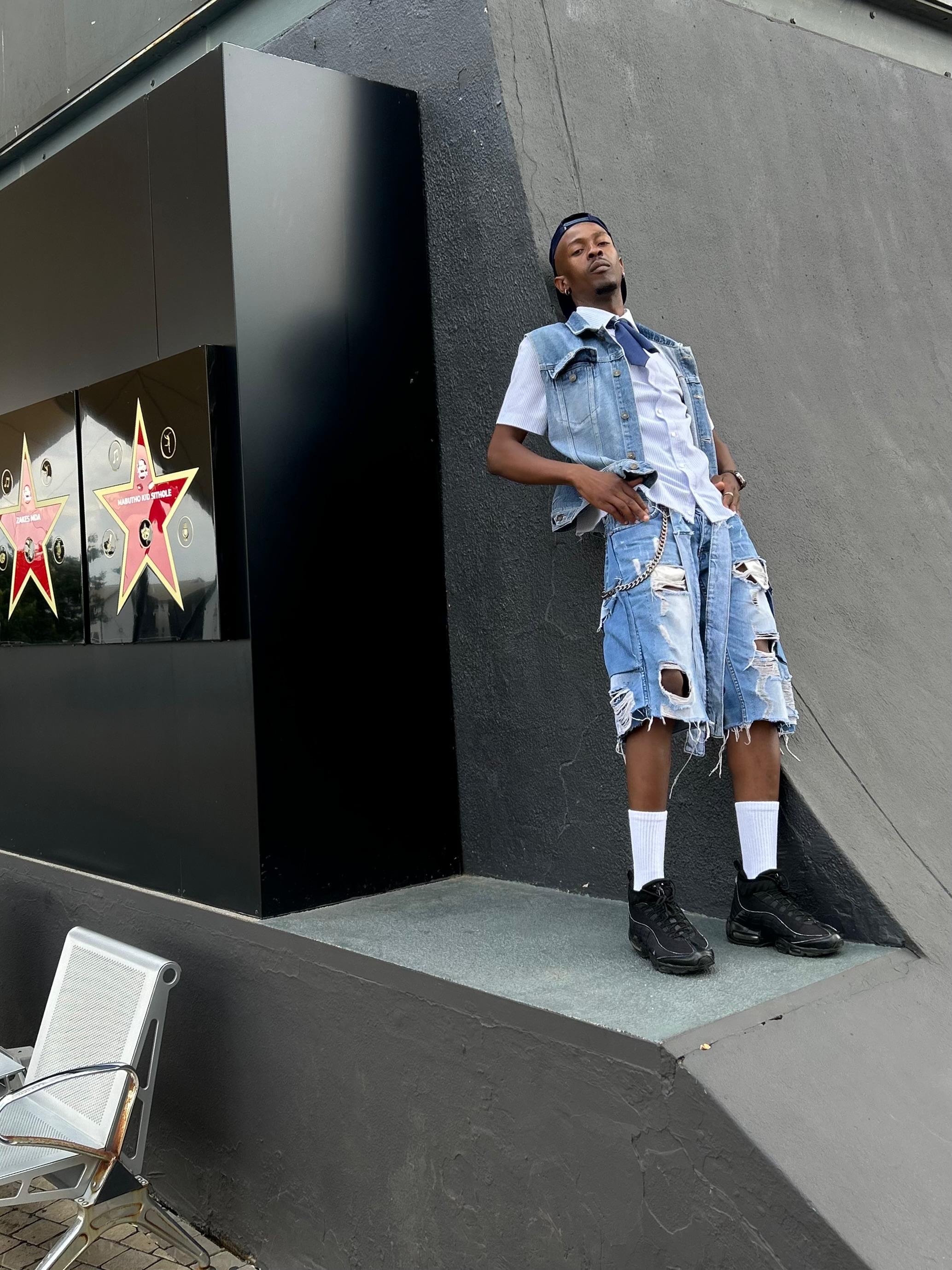
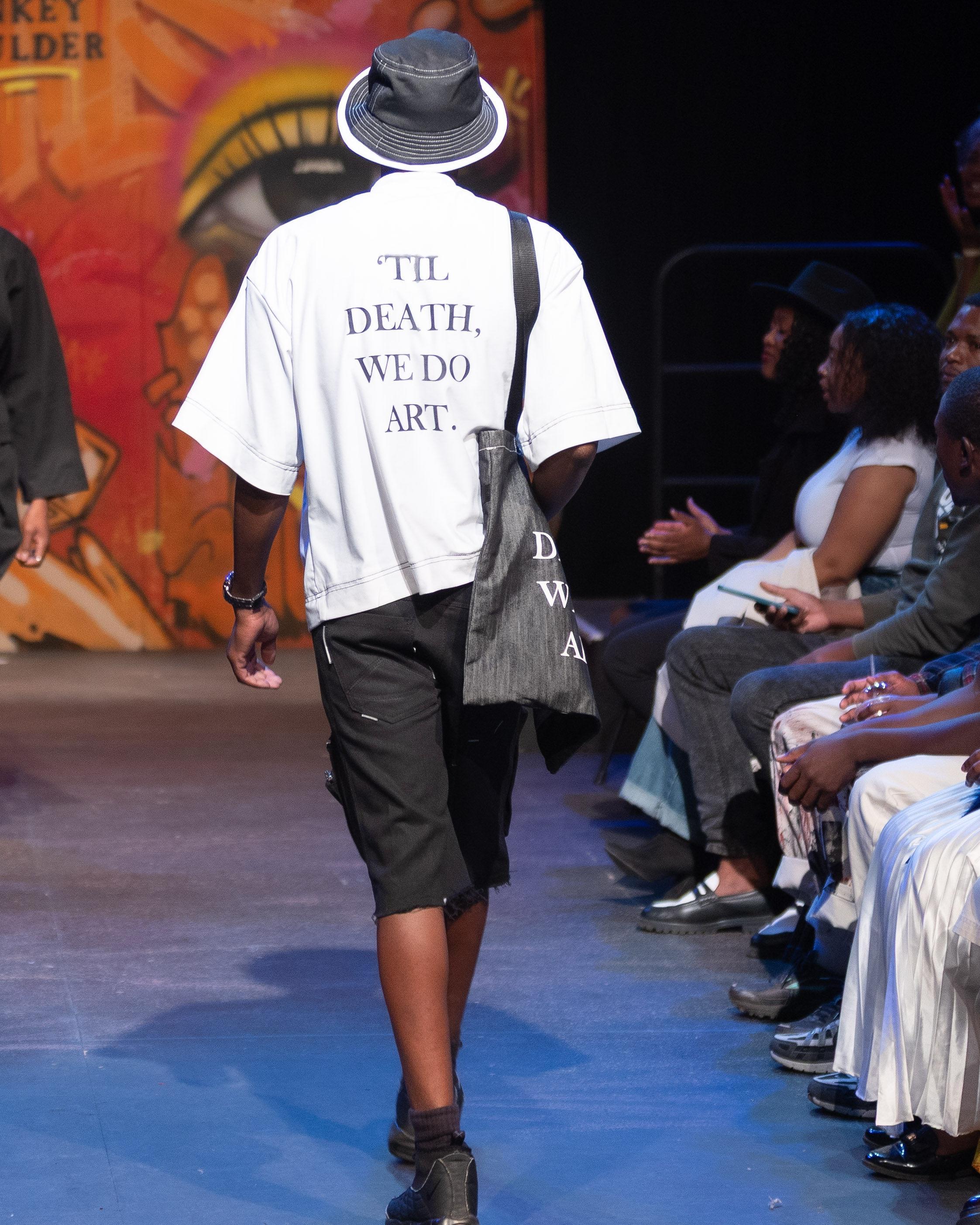
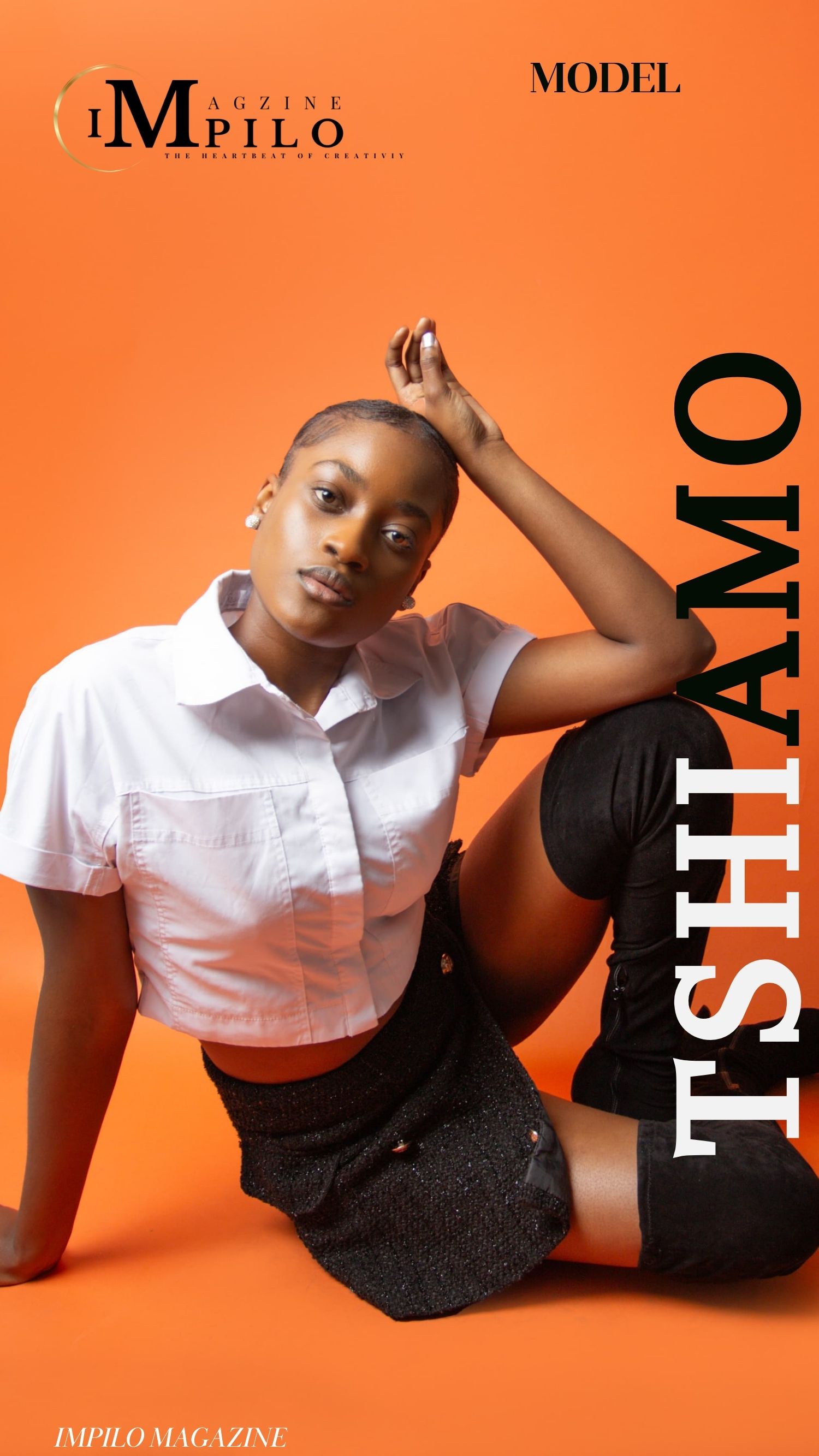
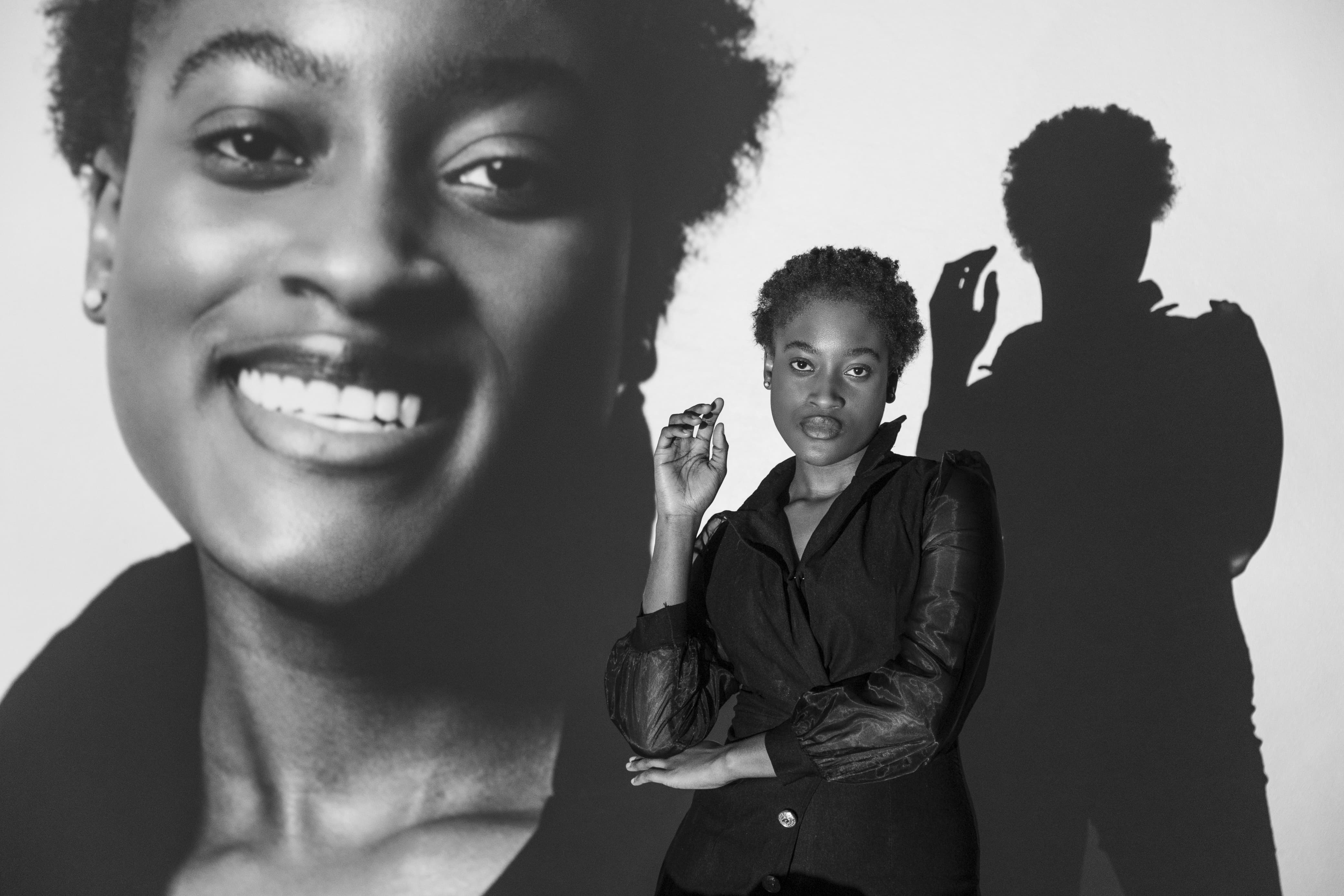

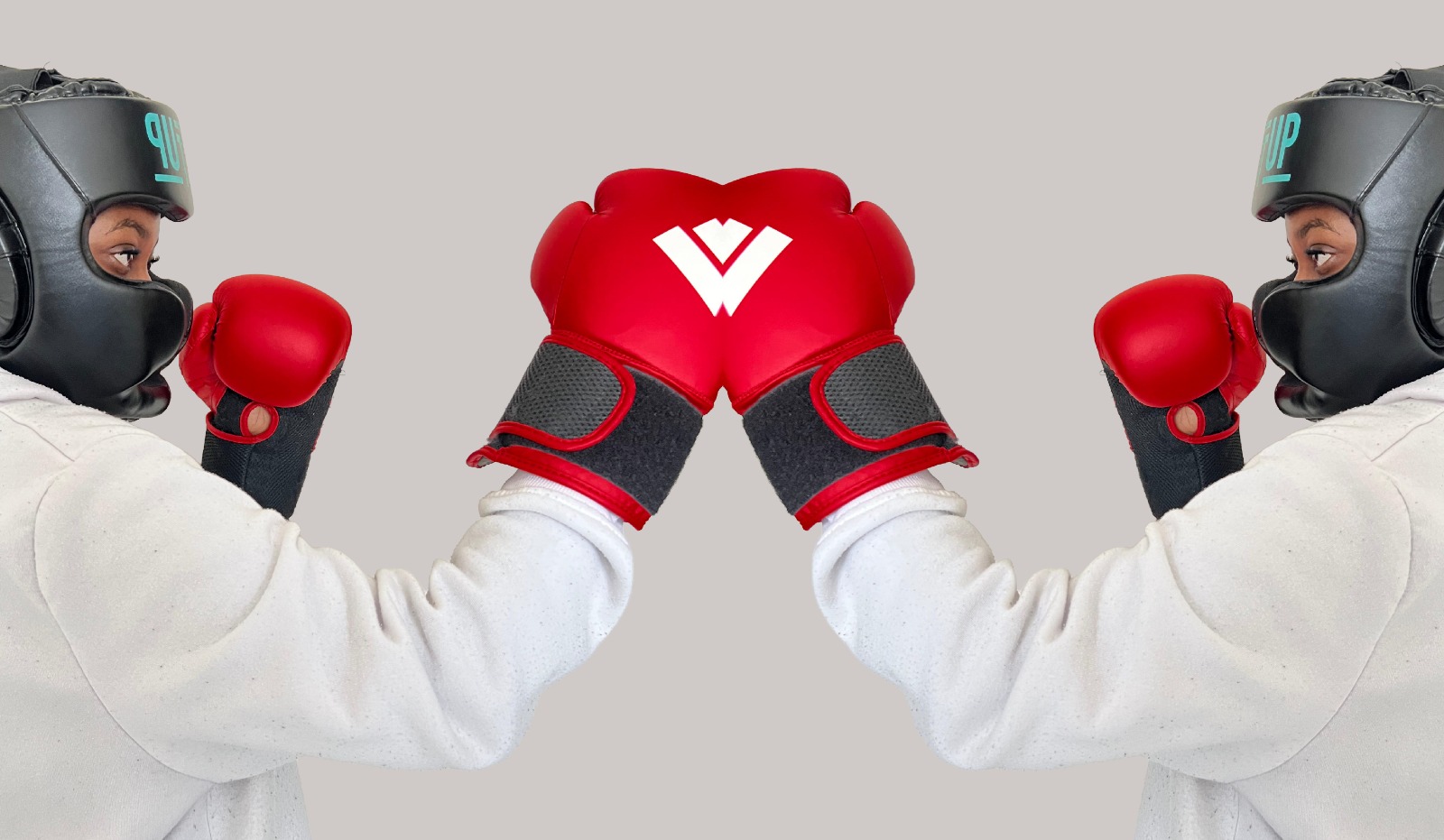
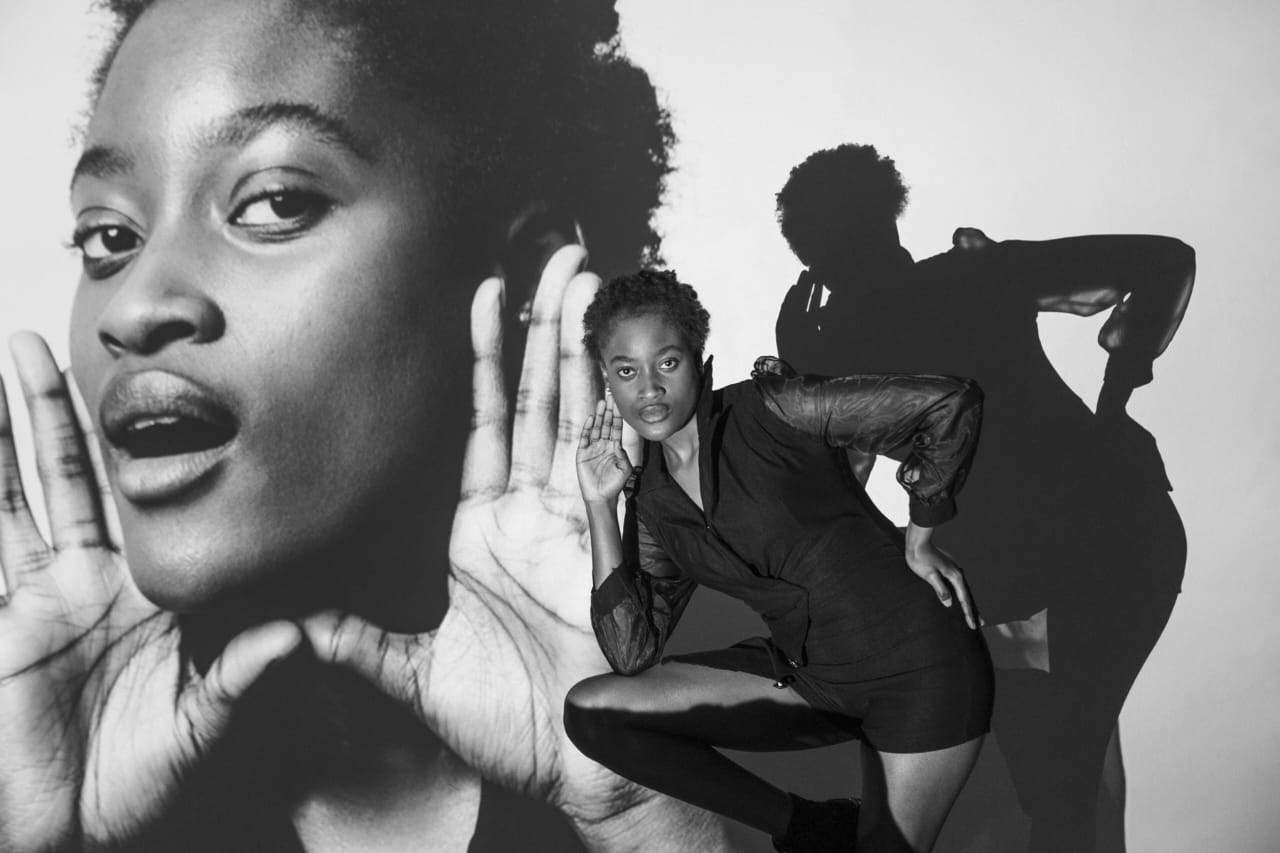
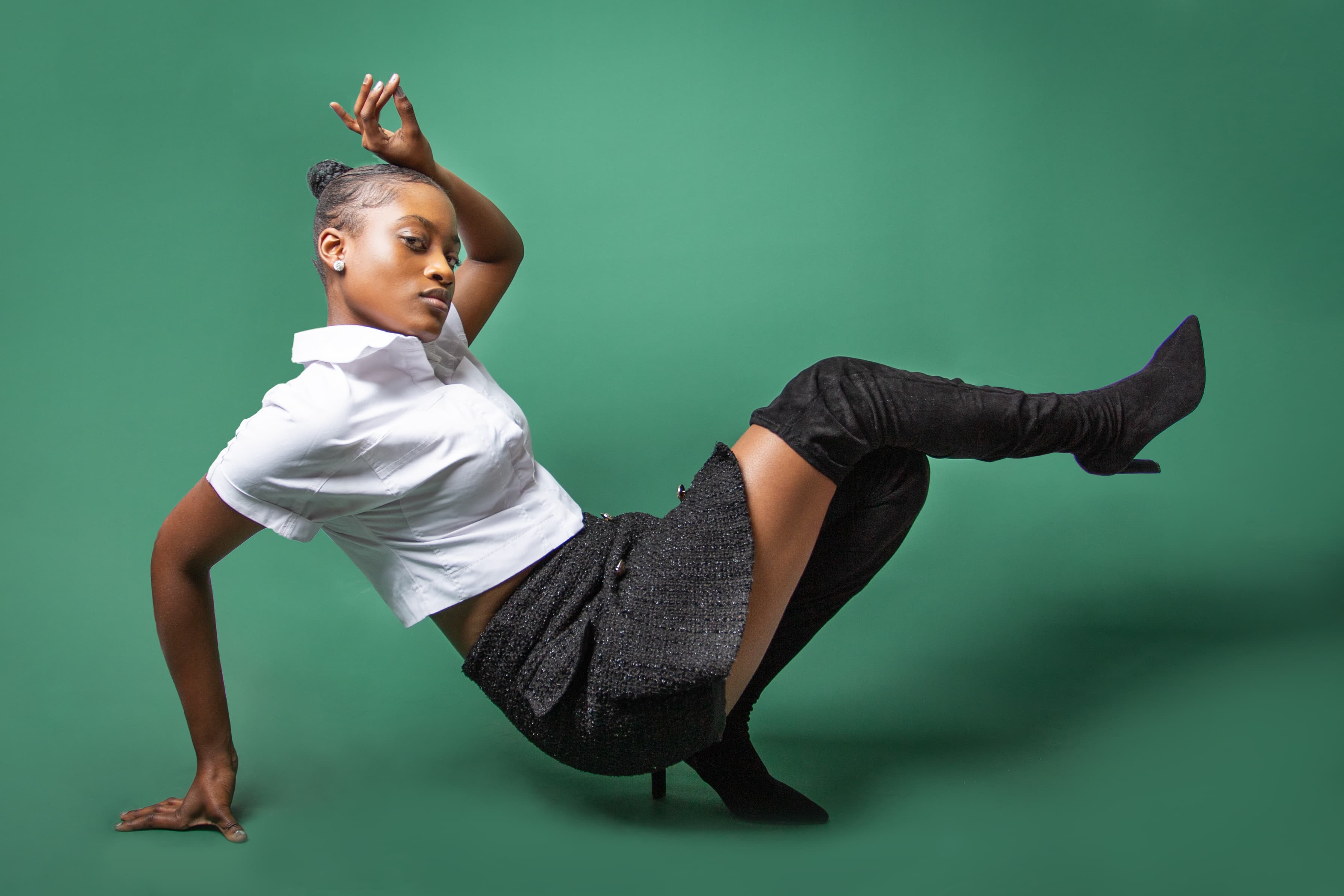
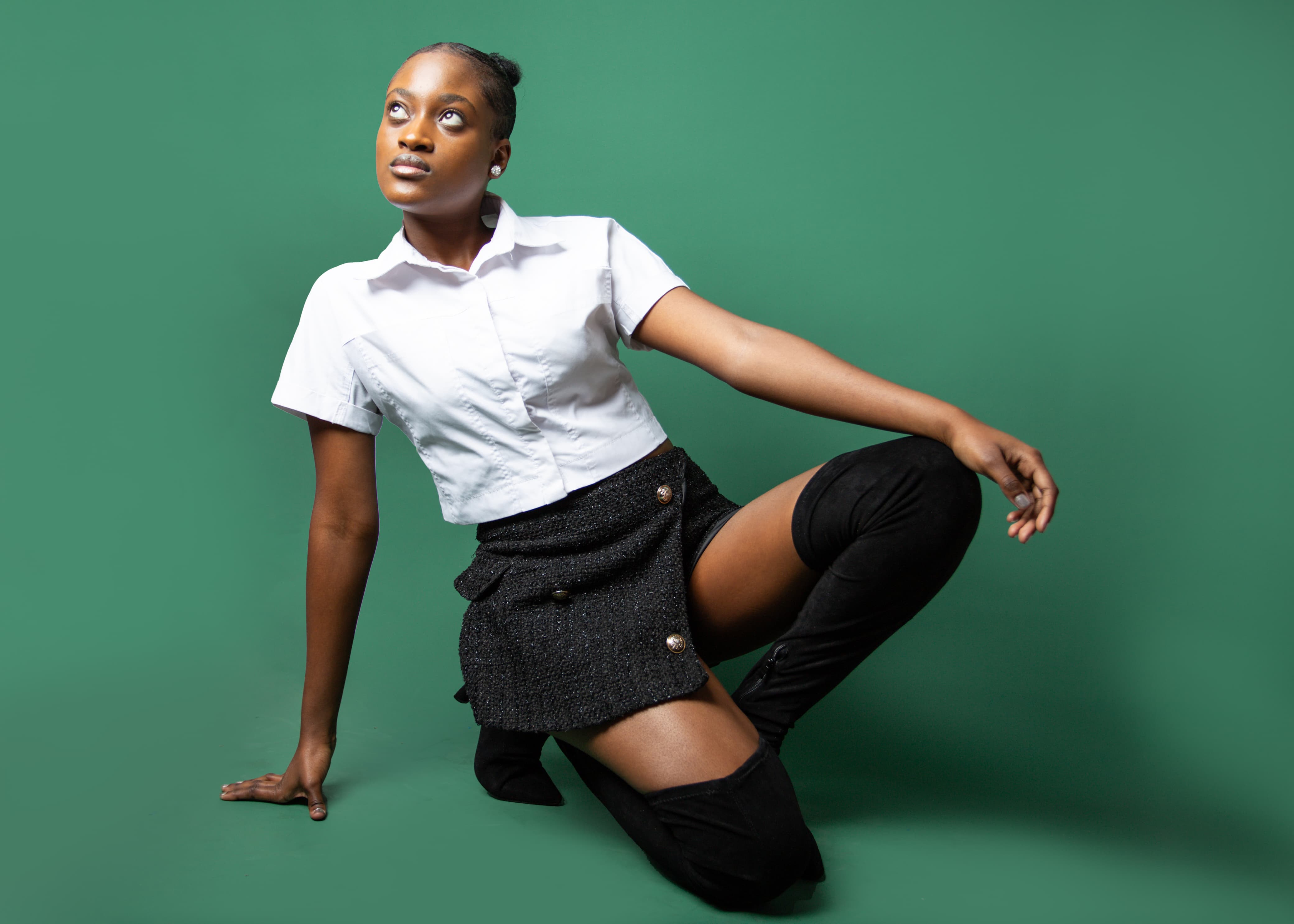
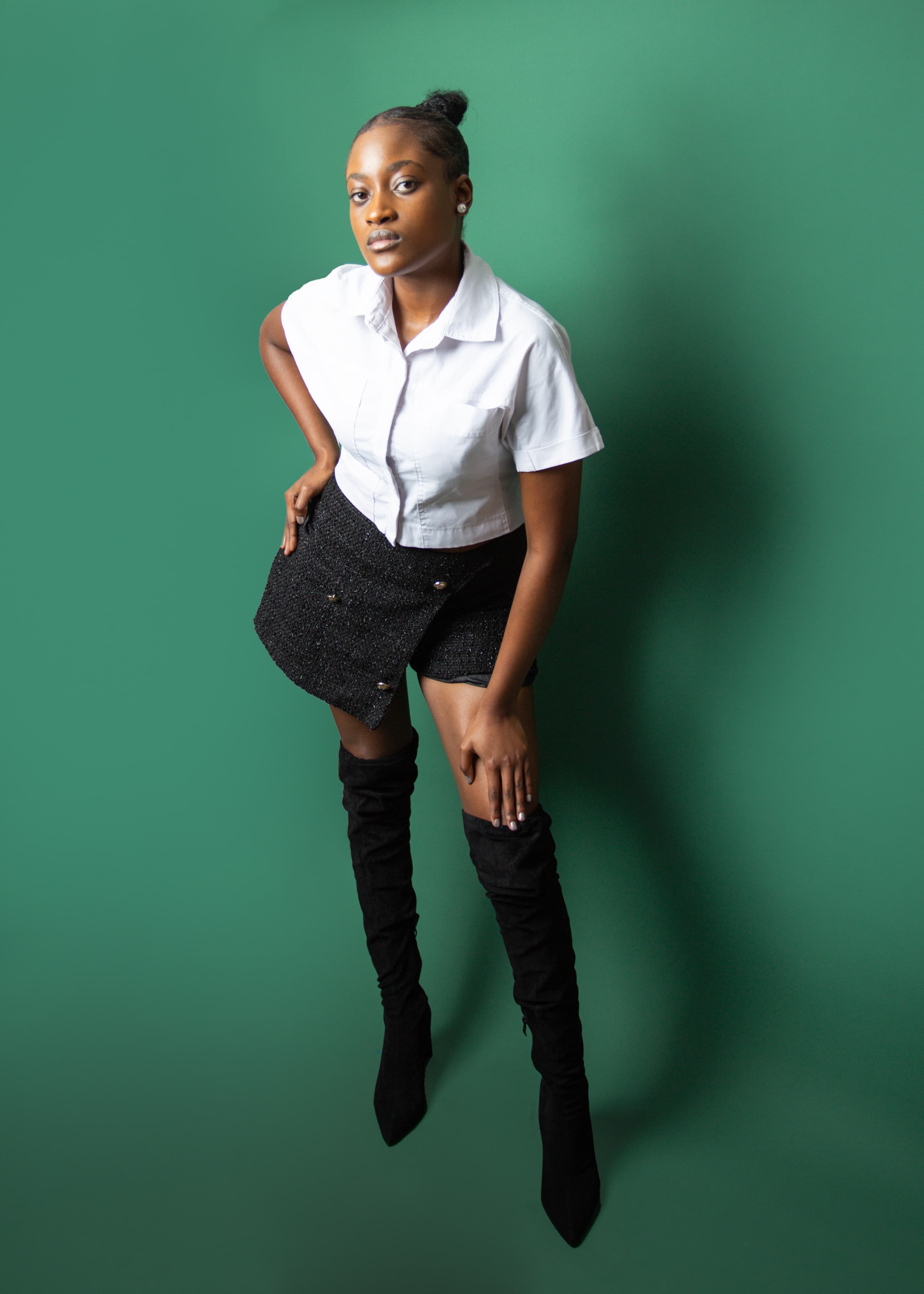

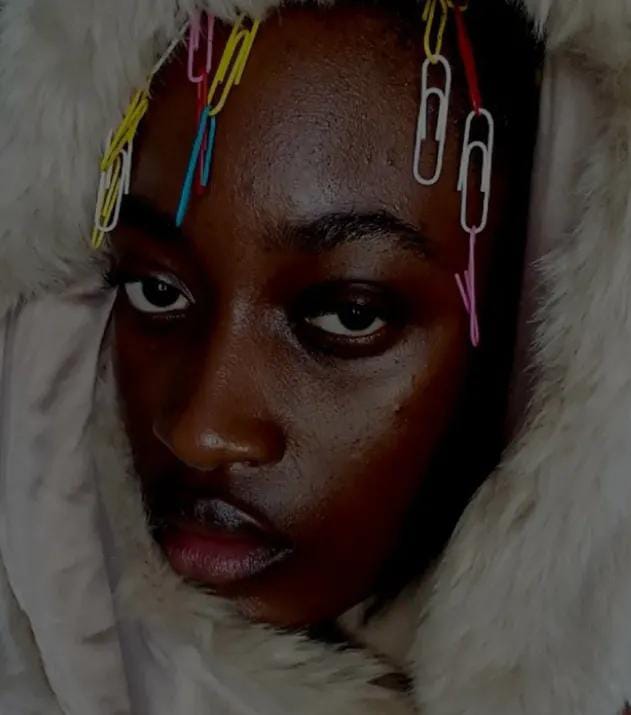
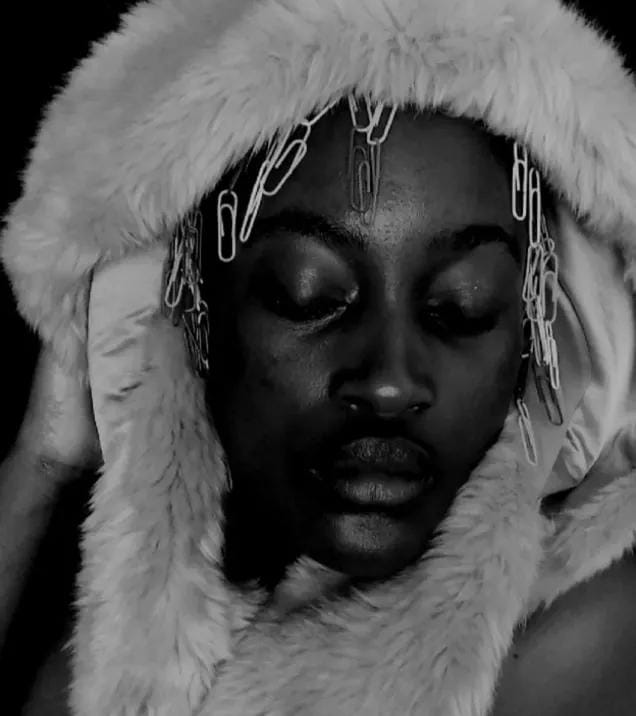
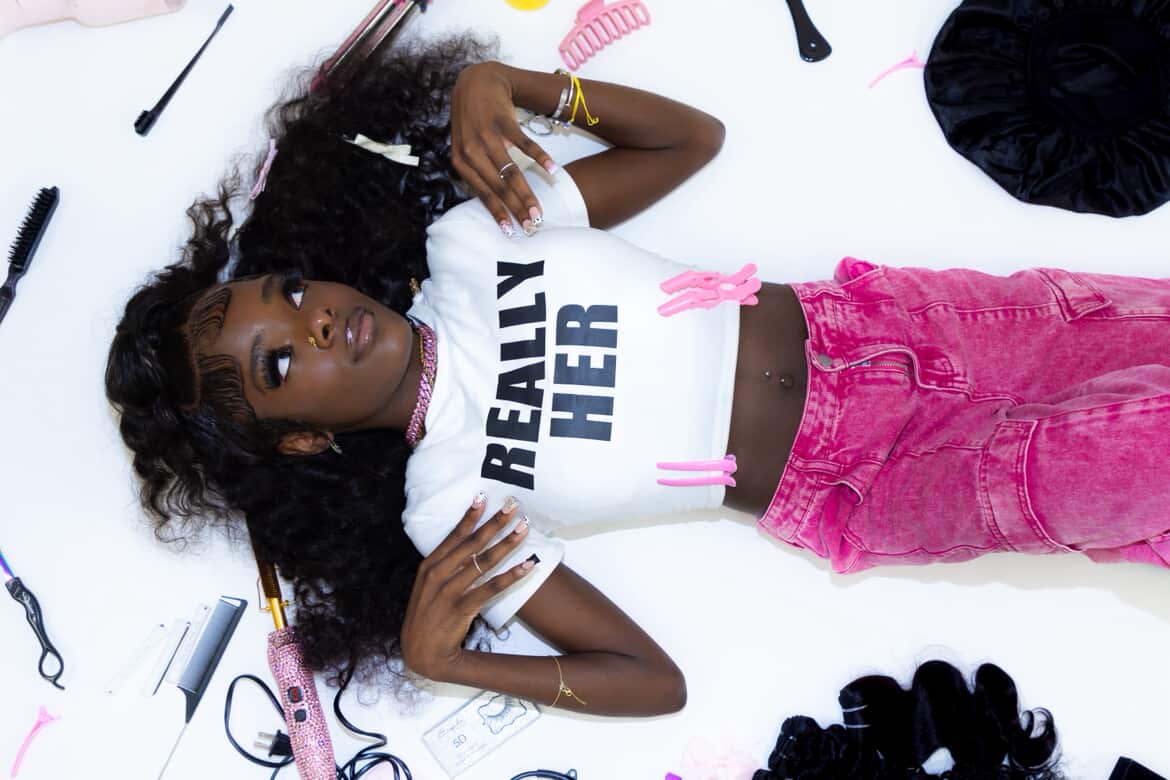
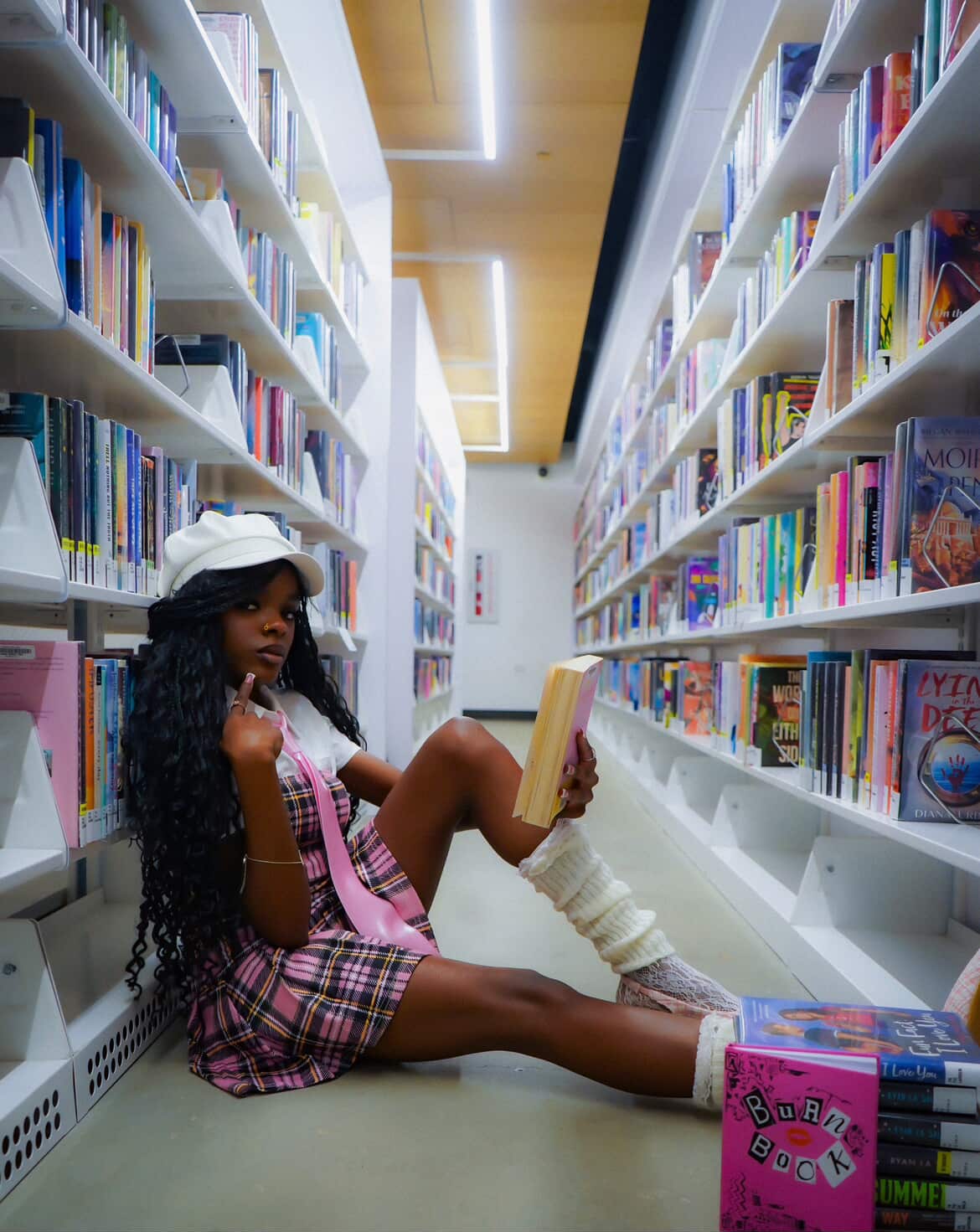
La’Niya, is an aspiring model and professional hairstylist based in the vibrant heart of New York City.
I specialize in commercial and print modeling, bringing energy, creativity, and professionalism to every shoot I participate in. Combining my modeling experience with hairstyling, I offer a unique perspective to every creative project.
Having completed cosmetology school, I am passionate about hair, beauty, and personal styling. I am eager to continue building my portfolio, collaborating with photographers, stylists, and brands, and exploring new opportunities in the NYC fashion scene.
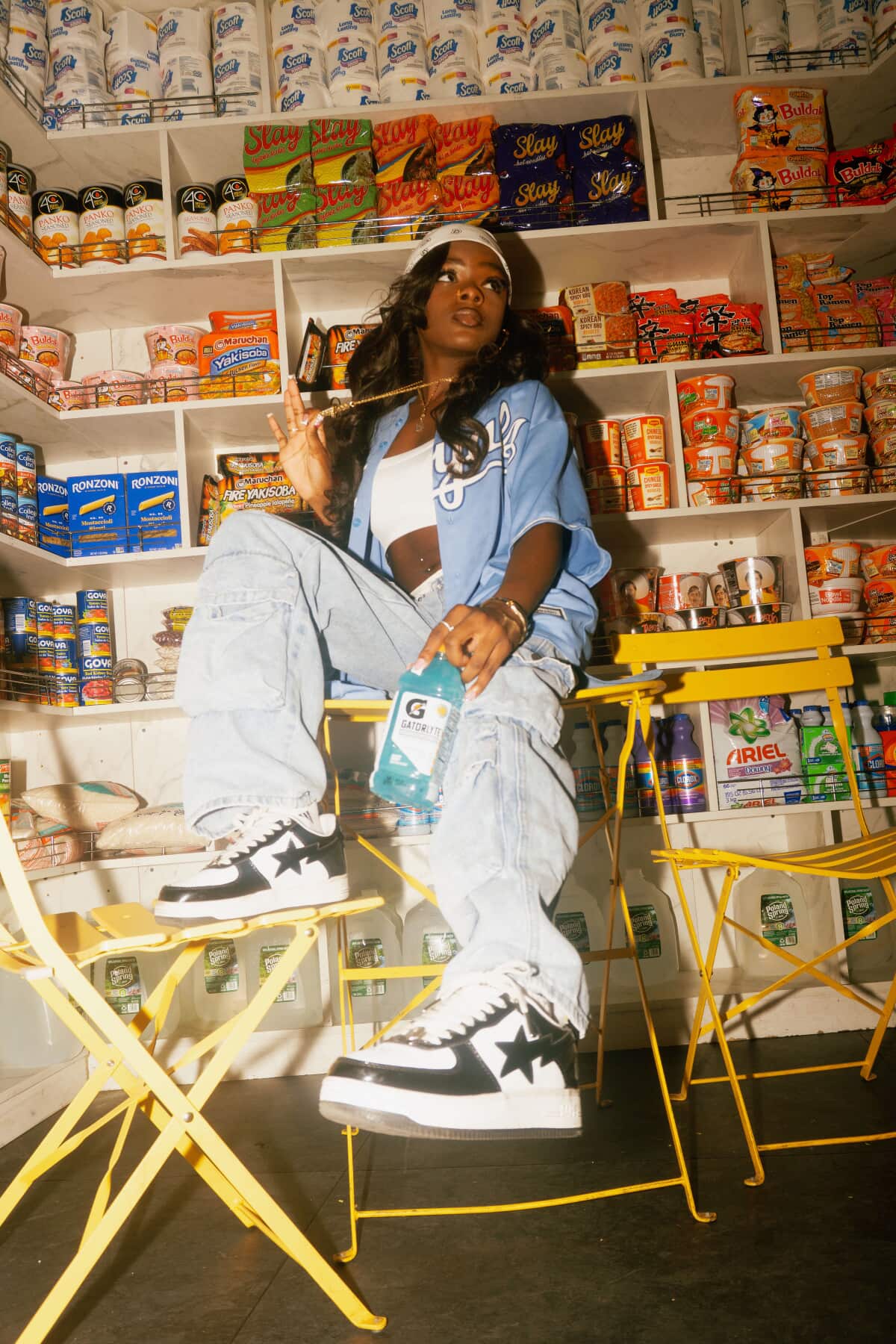
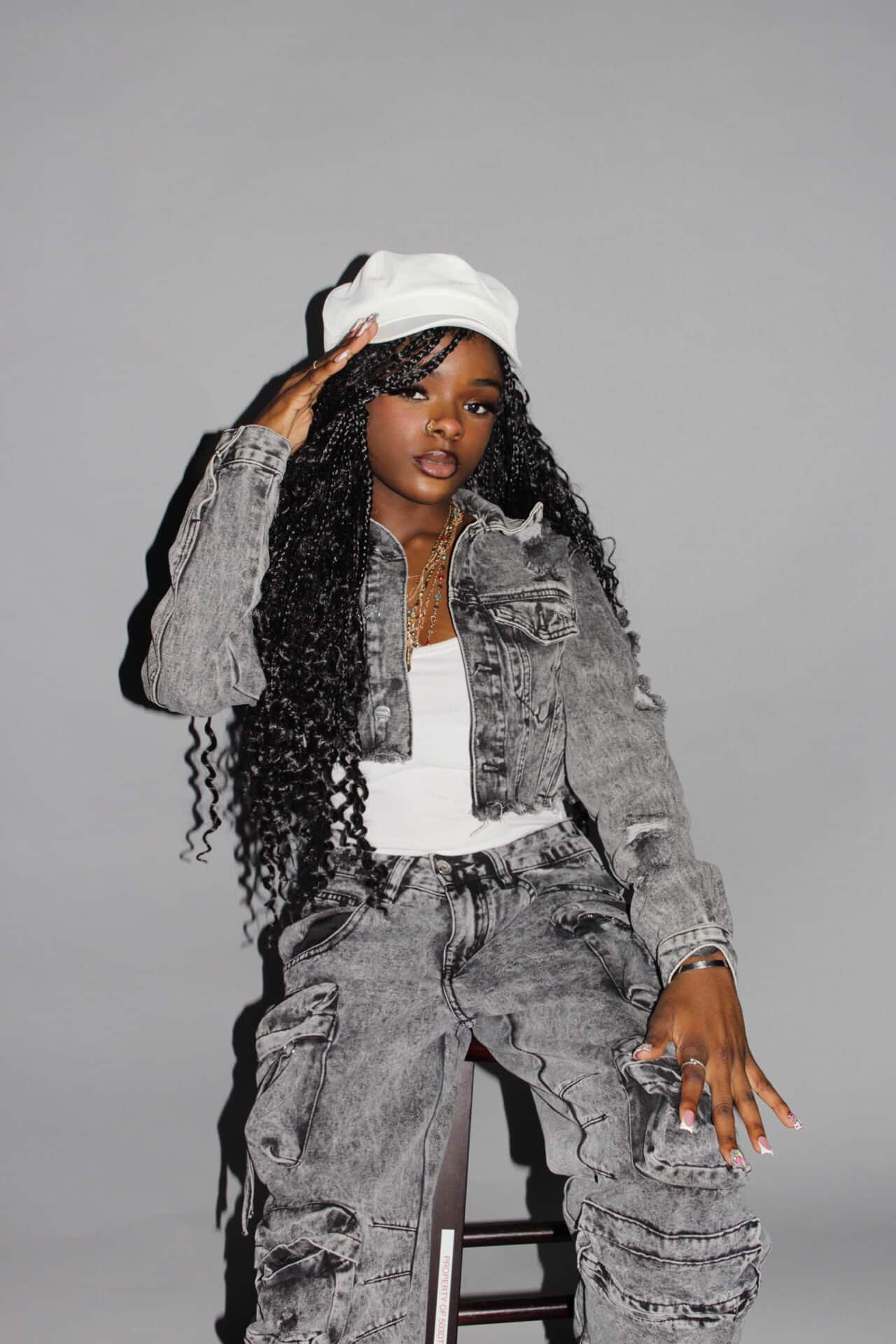
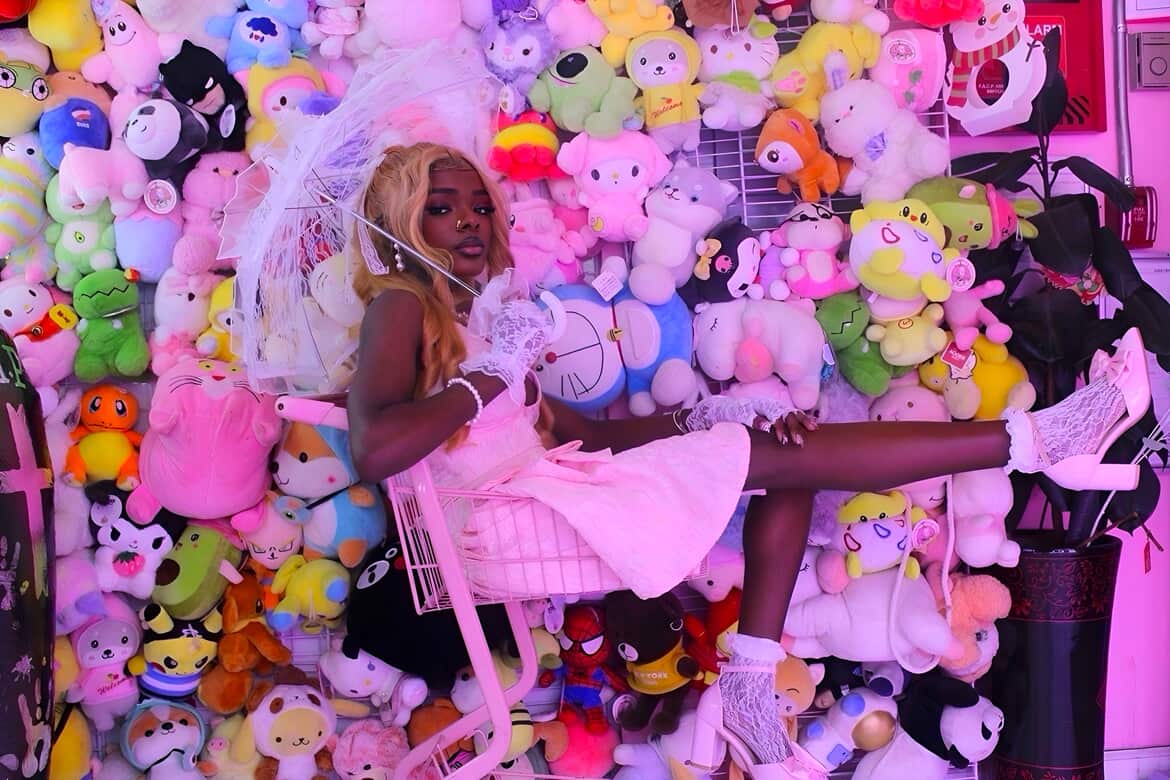
“The way you stand out is definitely by your personality, your work ethic, and your drive.”
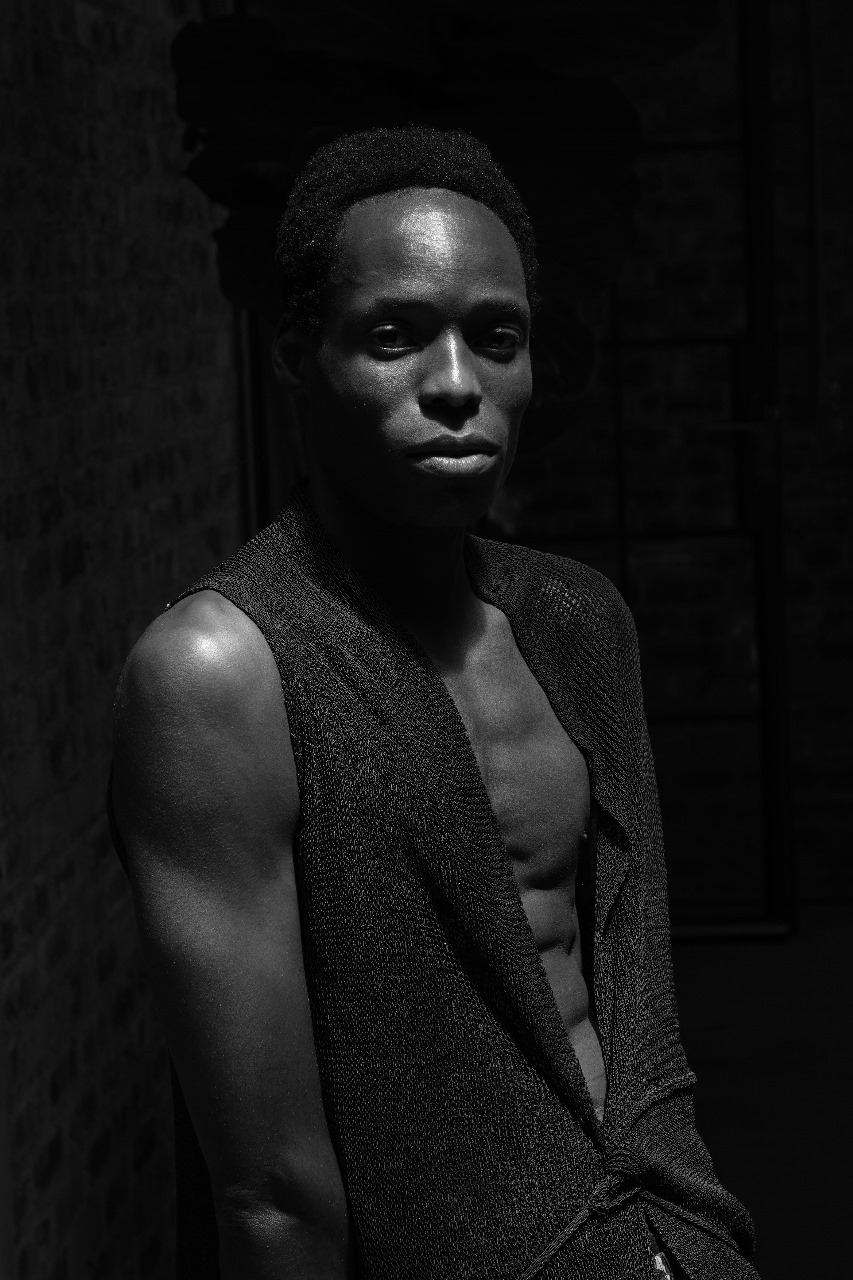
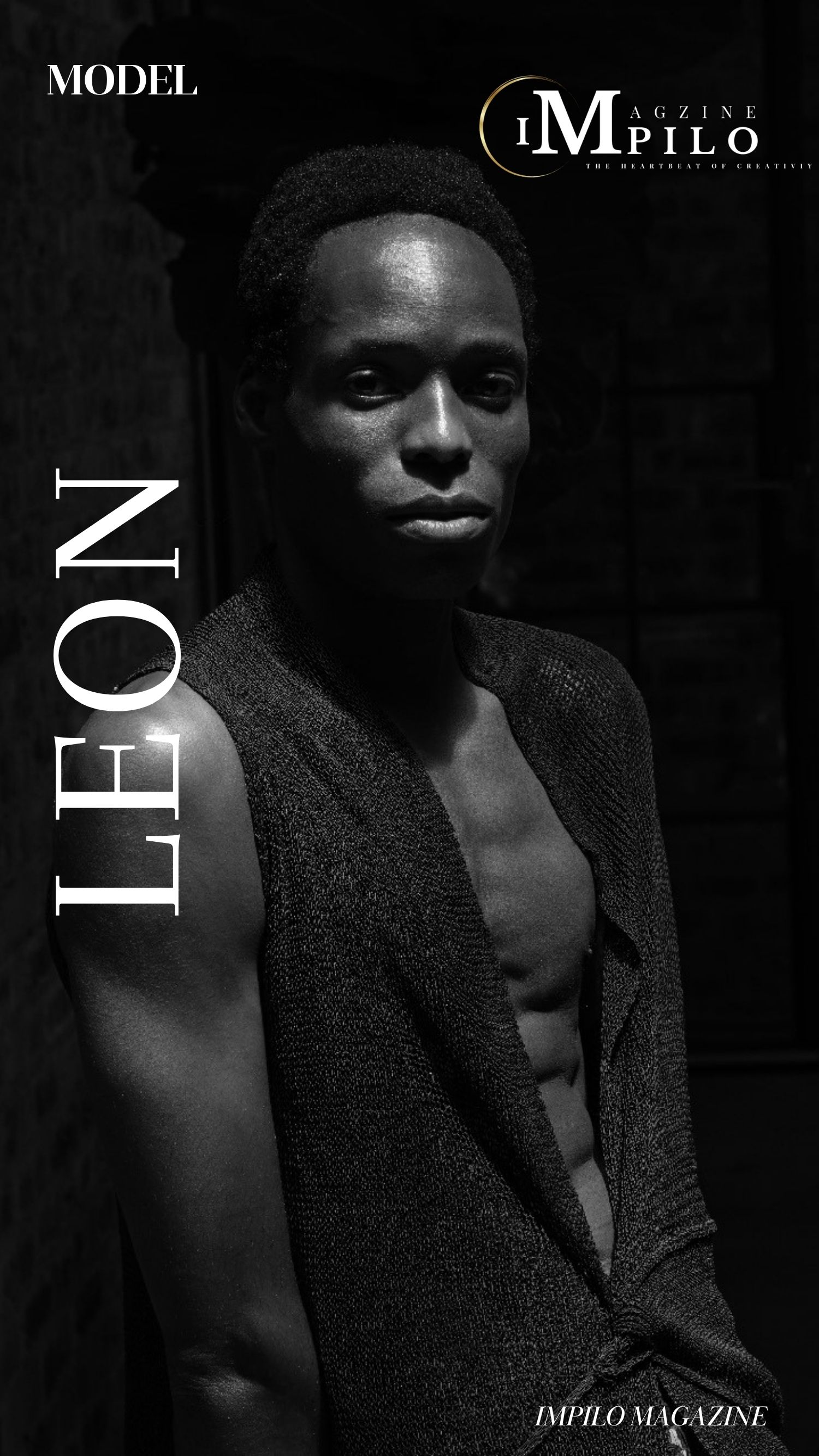
Leon Nzouk's perspective- "fashion has never been a trend — it has always been a calling".
From a young age, Leon carried a deep passion for fashion and a strong desire to inspire others. As the years passed, that passion only grew stronger, shaping not just his creative vision but his purpose. Today, he stands as a symbol of perseverance, ambition, and belief in one’s own journey.
Stepping into 2025 feels surreal for Leon. What once felt like a distant dream has become reality — a year where opportunities aligned and doors opened across the global fashion industry. Recently, he received callbacks from Paris and London, milestones that marked a turning point in his career.
Adding to this remarkable moment, Leon’s images were selected for fashion advertising in Japan, further expanding his international presence. These achievements represent not just personal success, but proof that dedication and consistency truly pay off.
Leon describes his 2025 modelling journey as one of growth and development. While he remains humble about his highlights, his accomplishments speak volumes. He proudly featured in one of Europe’s major fashion magazine brands — a significant step onto the global editorial stage.
On home soil, Leon made his mark at one of Africa’s most celebrated fashion events, the Johannesburg Pride Fashion Show, recognised as one of the continent’s leading pride platforms. There, he collaborated with designers from both Africa and Europe, including Amen Design, Eagle Gloves, and The Gold Mother Design.
His journey also led him to feature in Paris, and in a defining career move, Leon was officially signed in Brazil, opening yet another chapter in his international modelling story.
Through it all, Leon Nzouk remains grounded and focused. His message to fellow sisters and brothers is clear: keep going, stay driven, and never give up — because dreams are valid, and persistence turns them into reality.
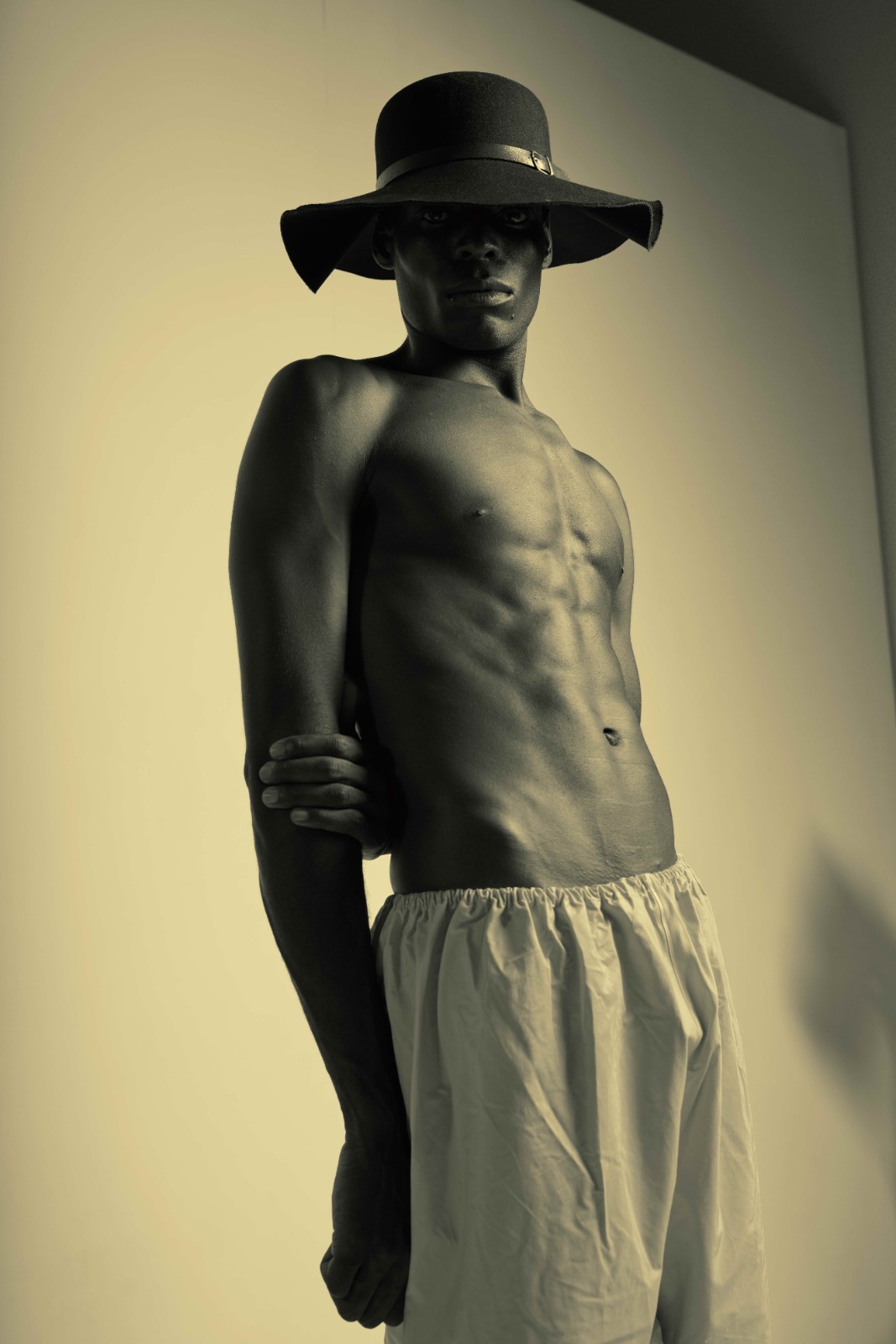
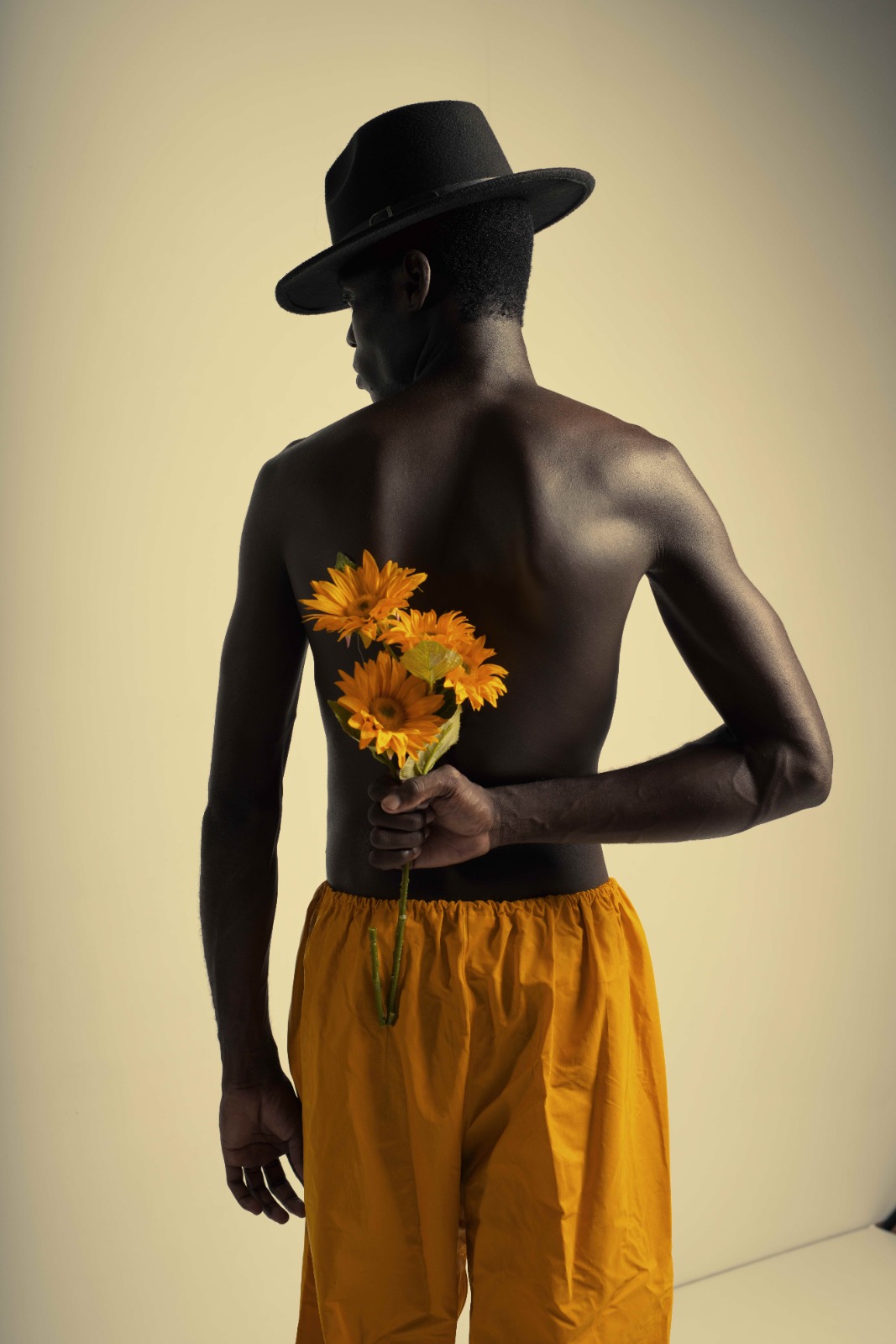
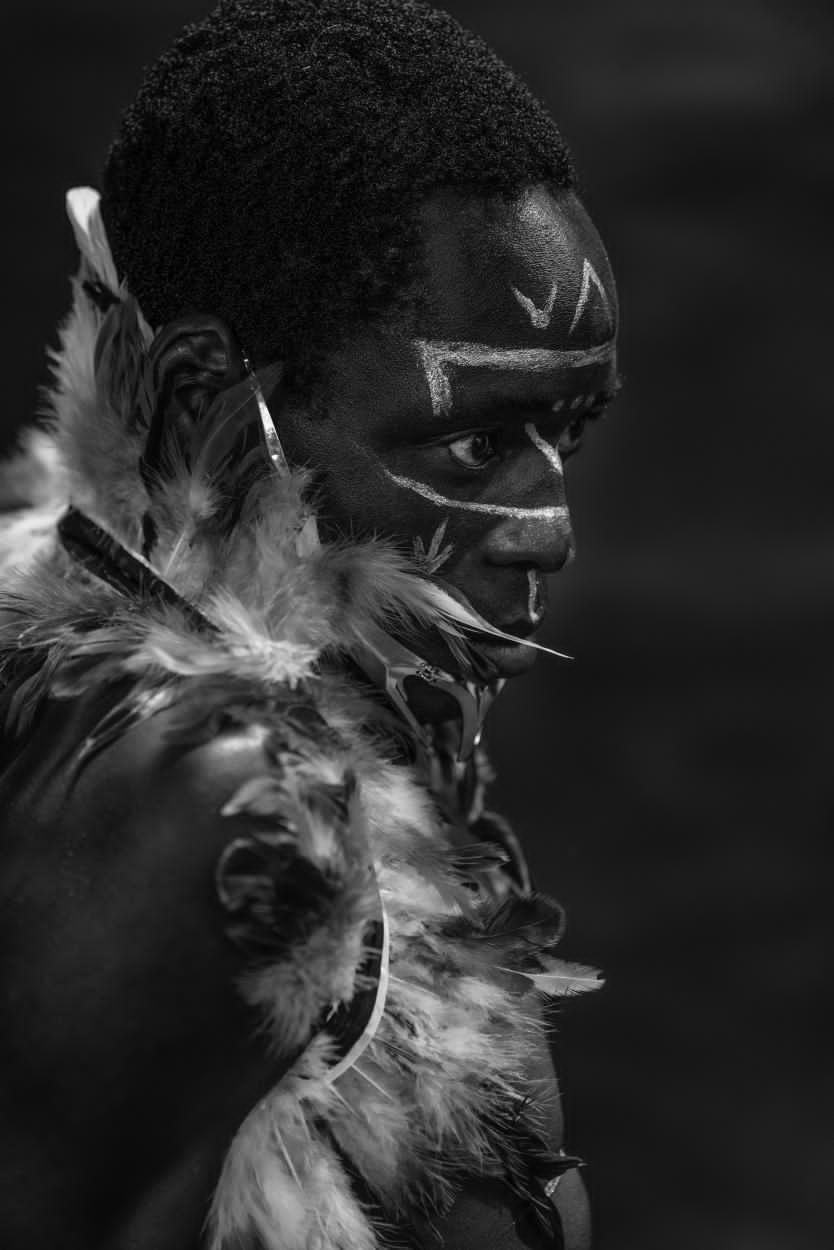
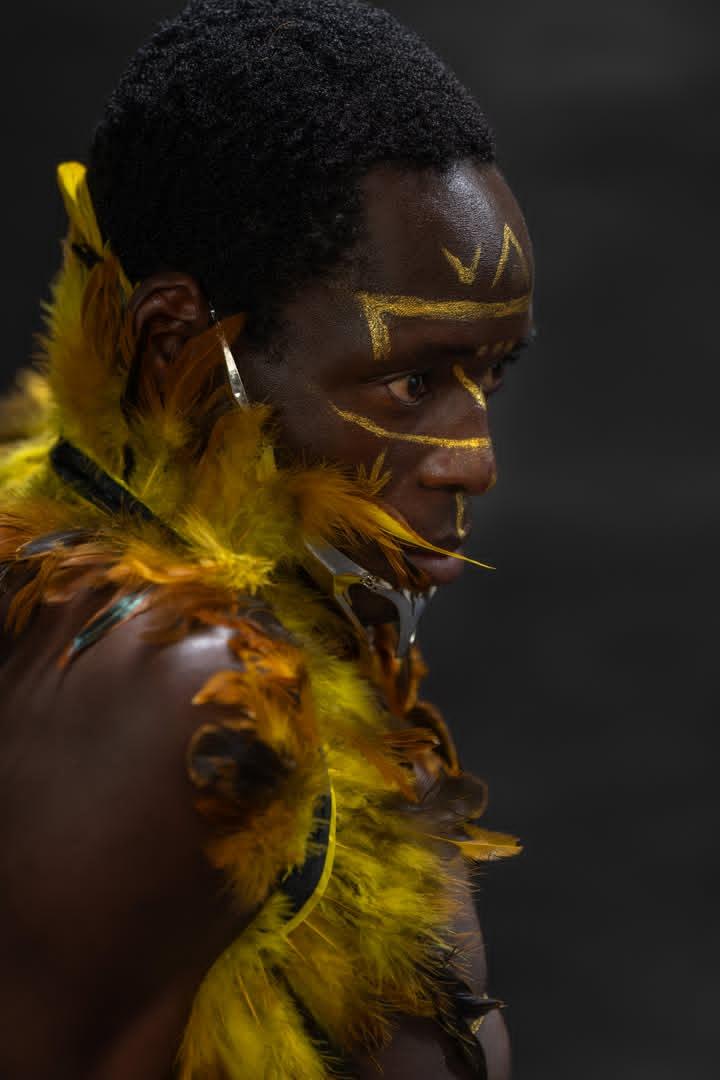
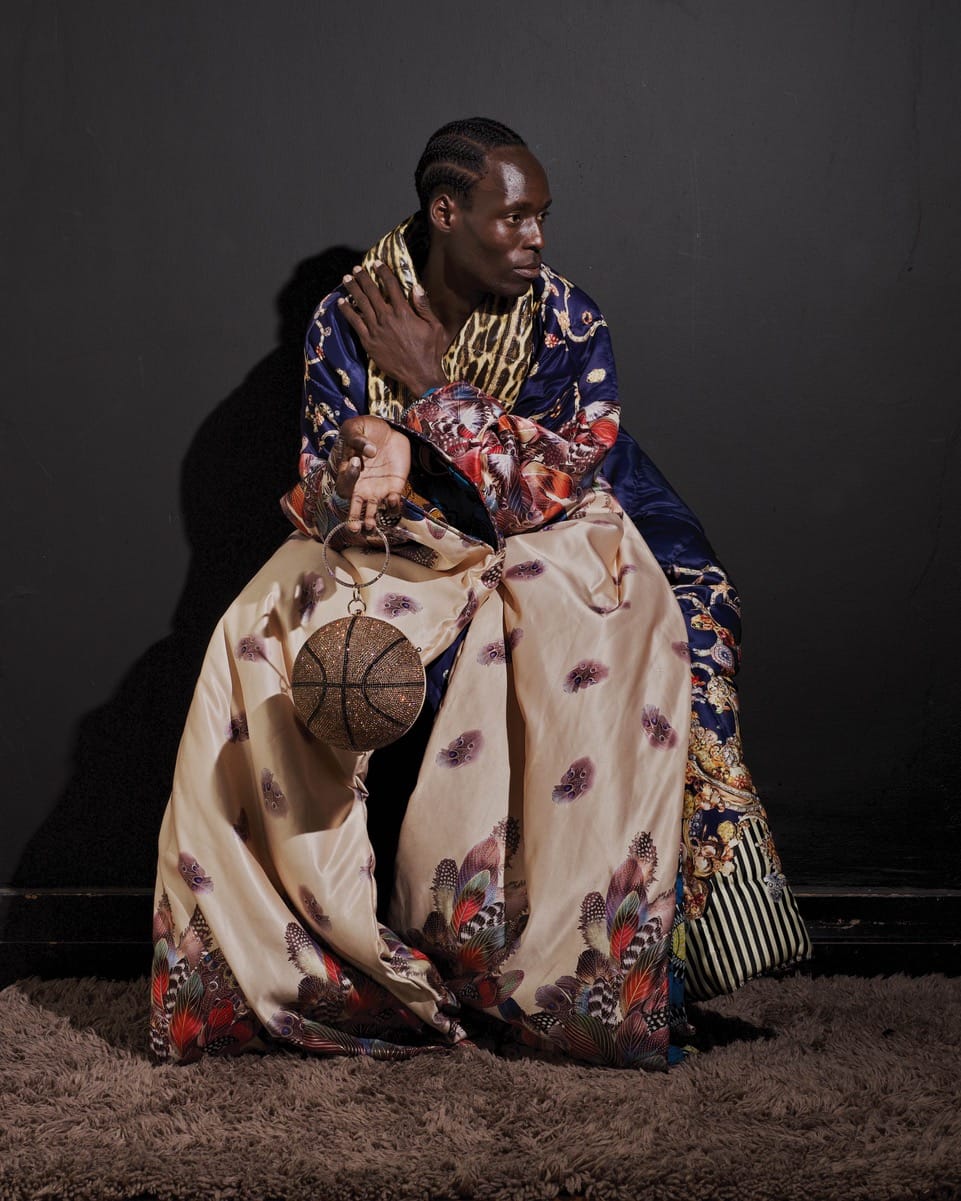
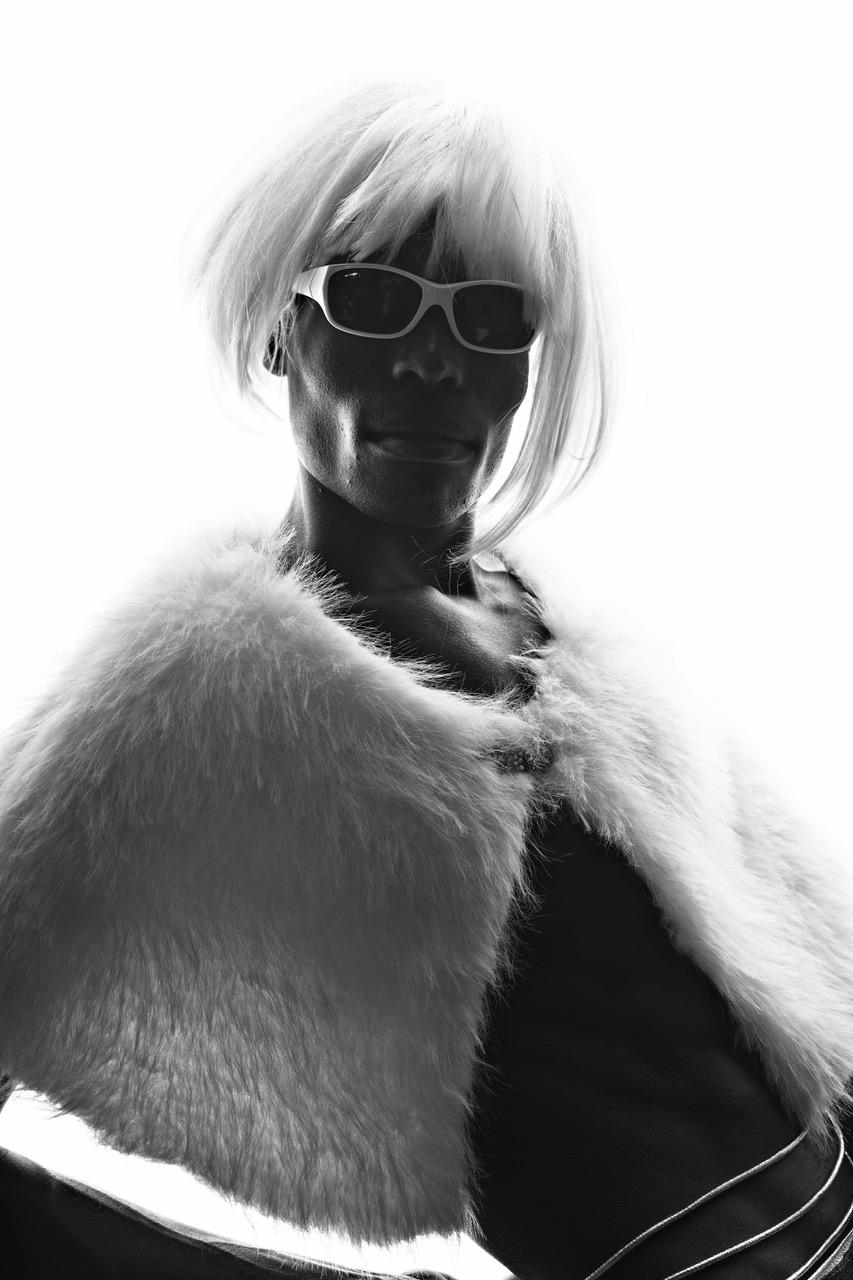
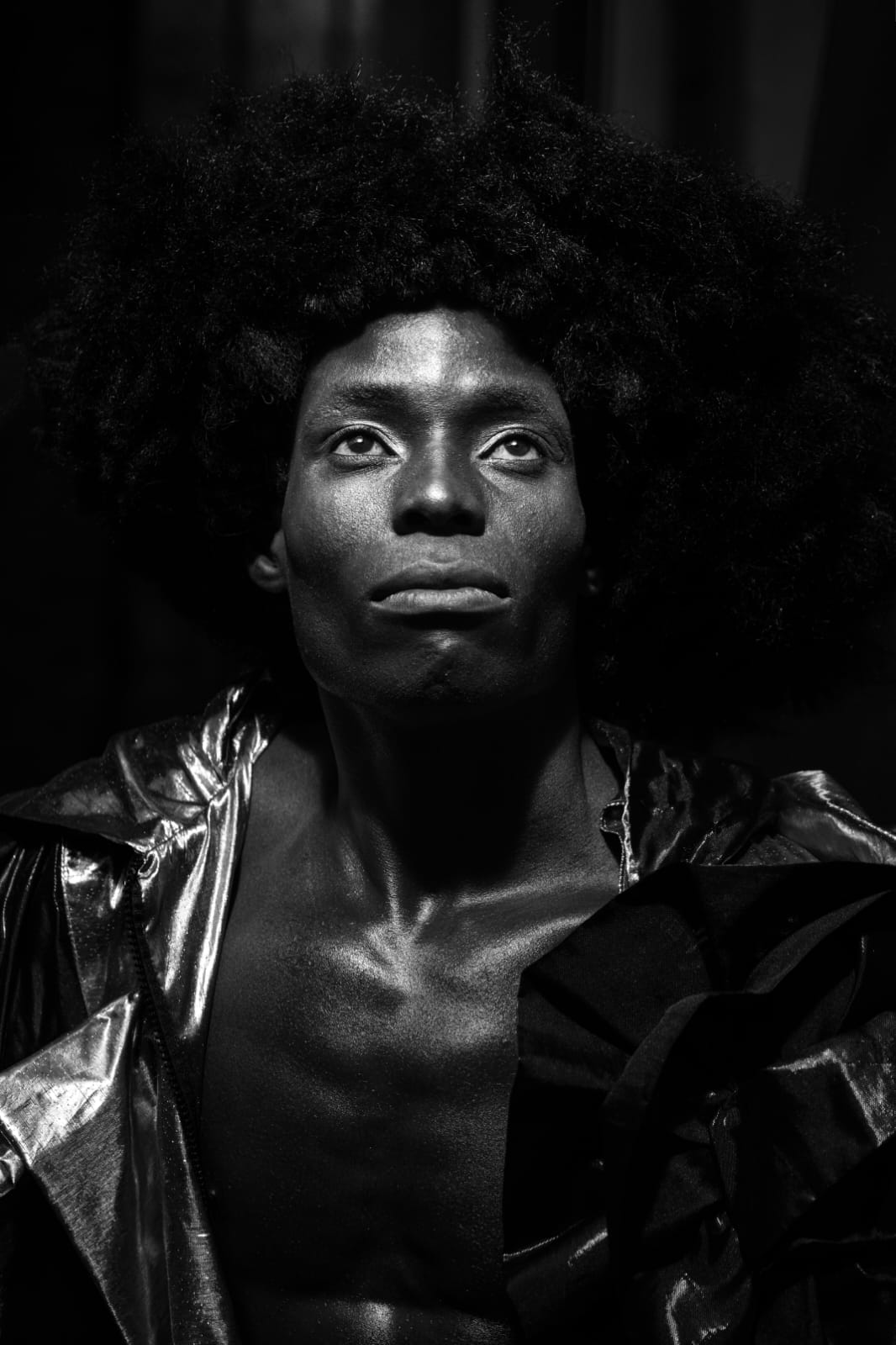
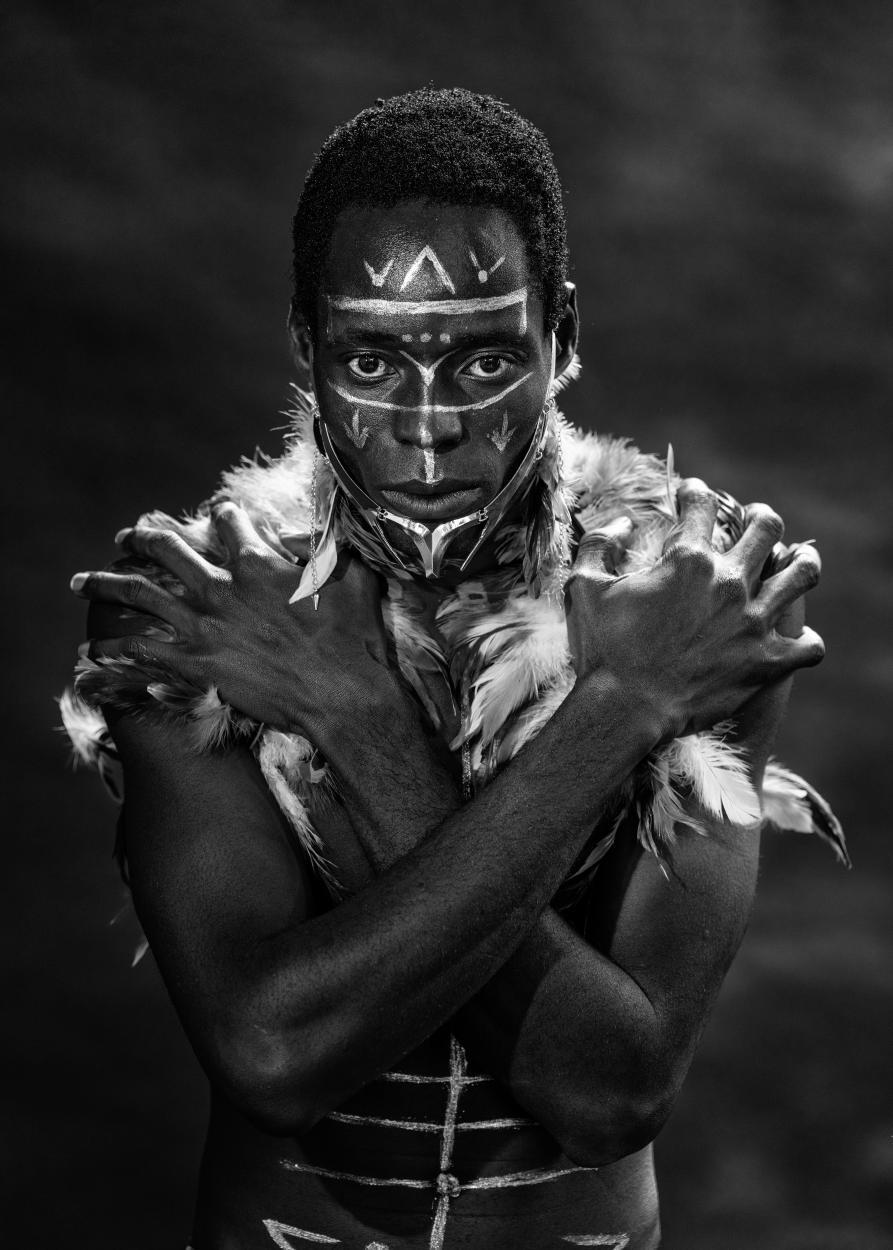

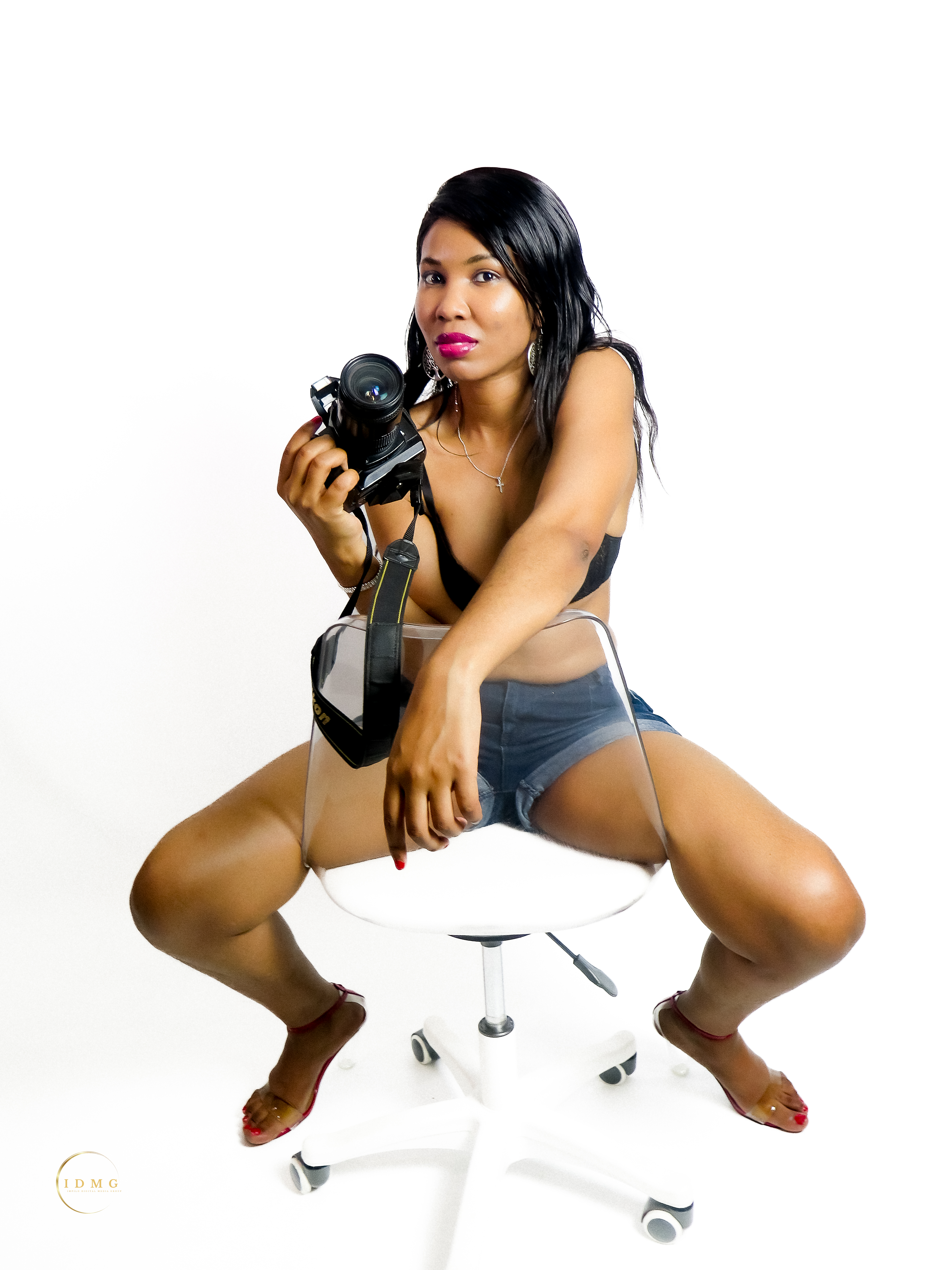

Dr. Lerato Diseko, a 32-year-old multifaceted professional based in Johannesburg, South Africa. I bridge the worlds of science and fashion, working as a medical scientist and runway model. Each day offers a chance to grow, create, and inspire.
I hold a PhD in Genetics from the University of the Free State, focusing on host genetic make-up and HIV in South Africa. Currently, I work at the National Health Laboratory Service and contribute actively to the South African Genetics Society and the African Institute of Medical Scientists. My aspiration is to inspire and educate future generations as a professor of medical science.
My modelling journey began in 2014 as a Top Model finalist. Since then, I have walked prestigious runways including Free State Fashion Week, Impilo Exclusive Jozi Fashion Runway, and the SunBet Arena Next Opulent Model finale. I am also a finalist for South African Next Super Model 2026. I aim to expand my commercial presence and explore acting opportunities.
I live by the motto: “There are no shortcuts to any place worth going.” Outside work, I am a competitive gamer, hairstylist, and devoted family person. Faith, discipline, and creativity guide me through both science and fashion, keeping me grounded and inspired.
Based in Johannesburg, South Africa

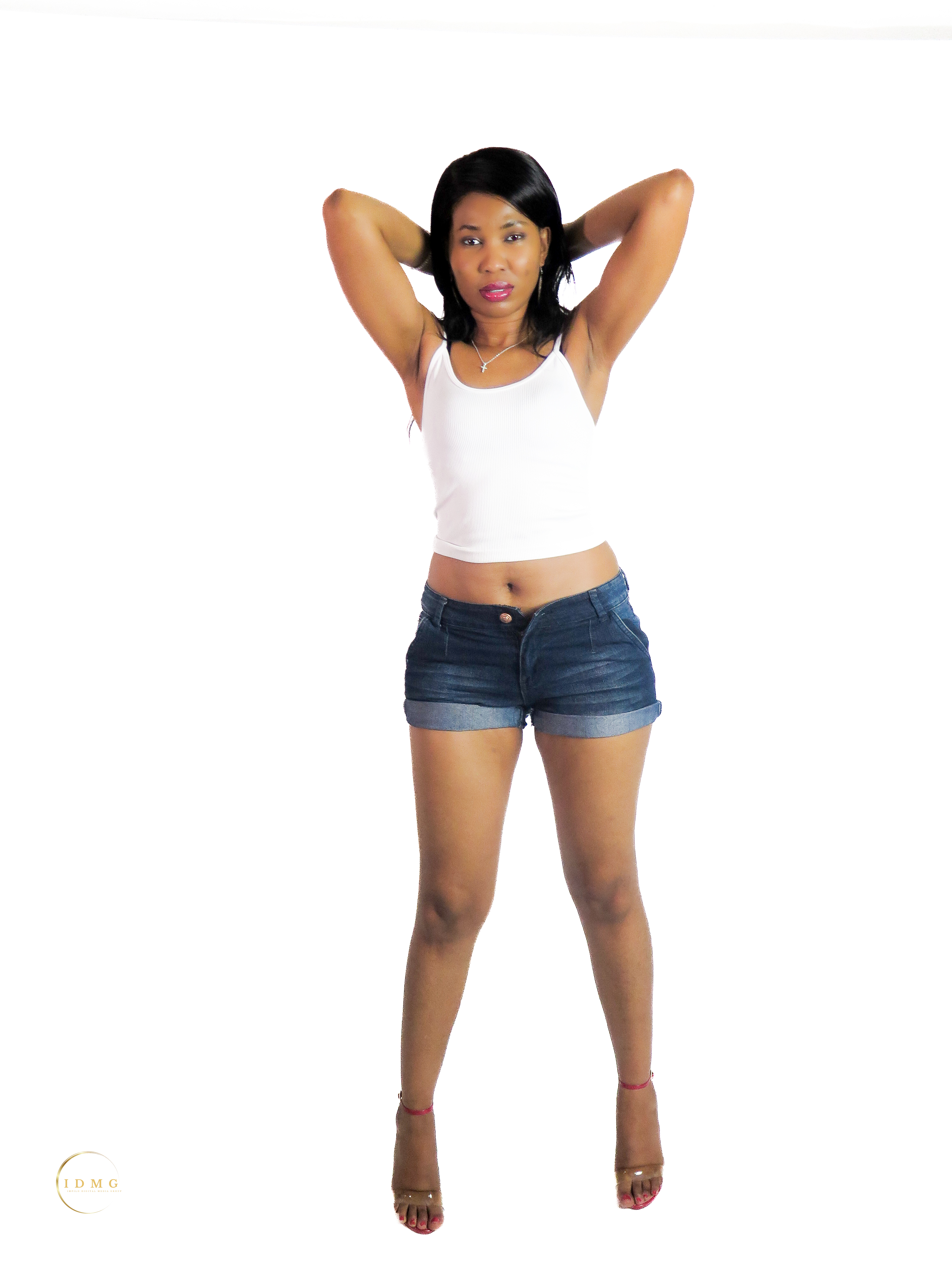
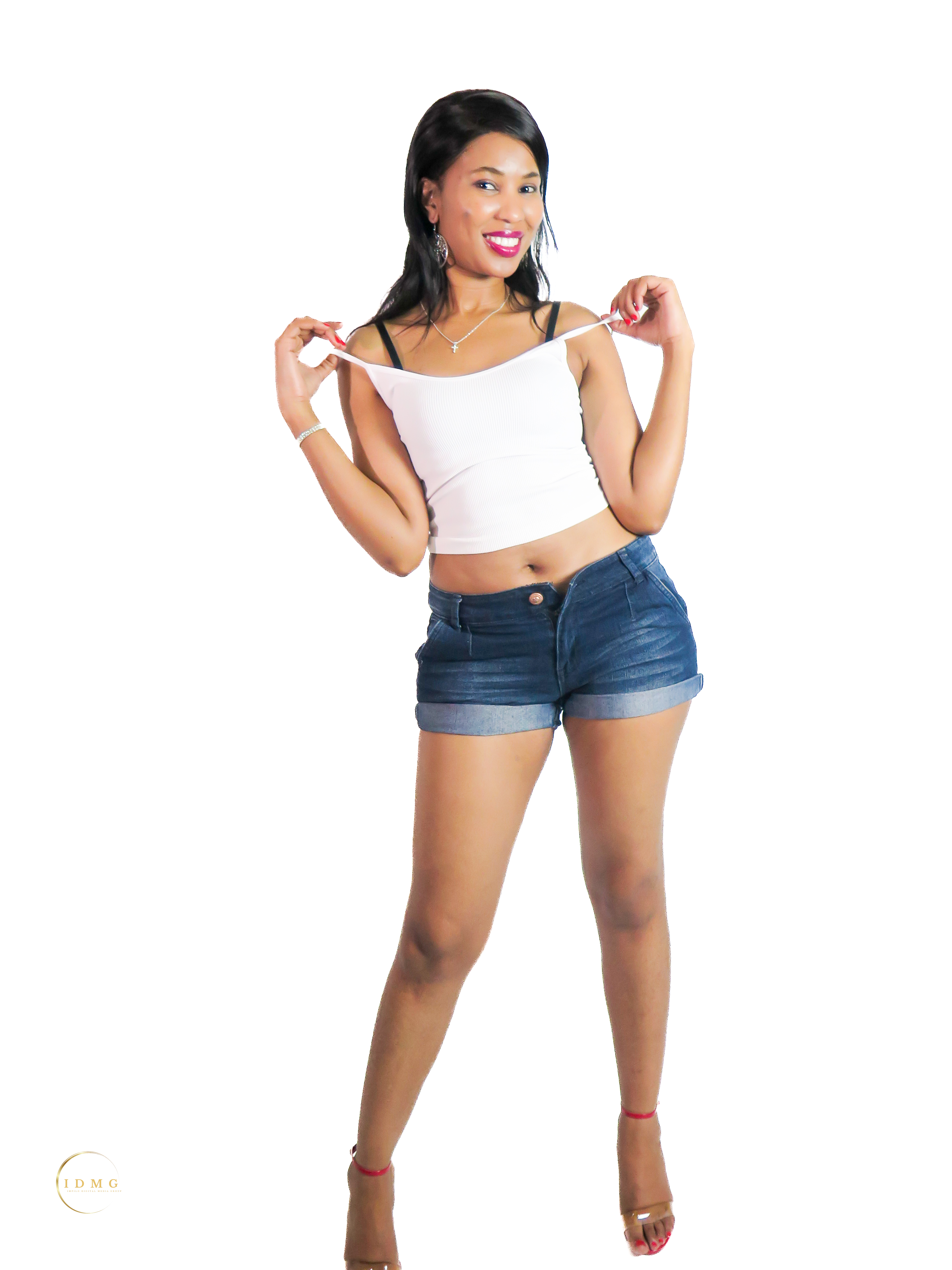


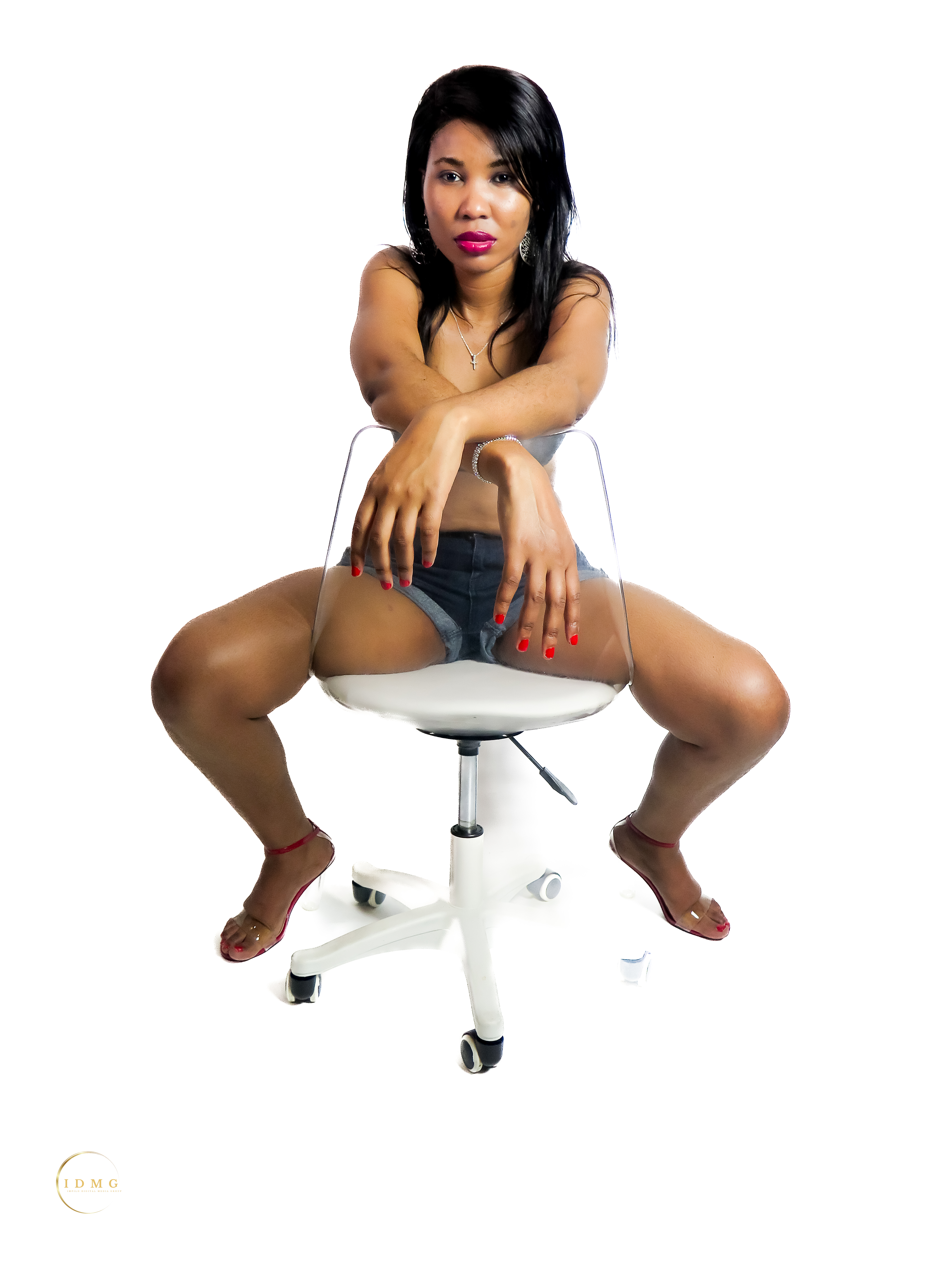
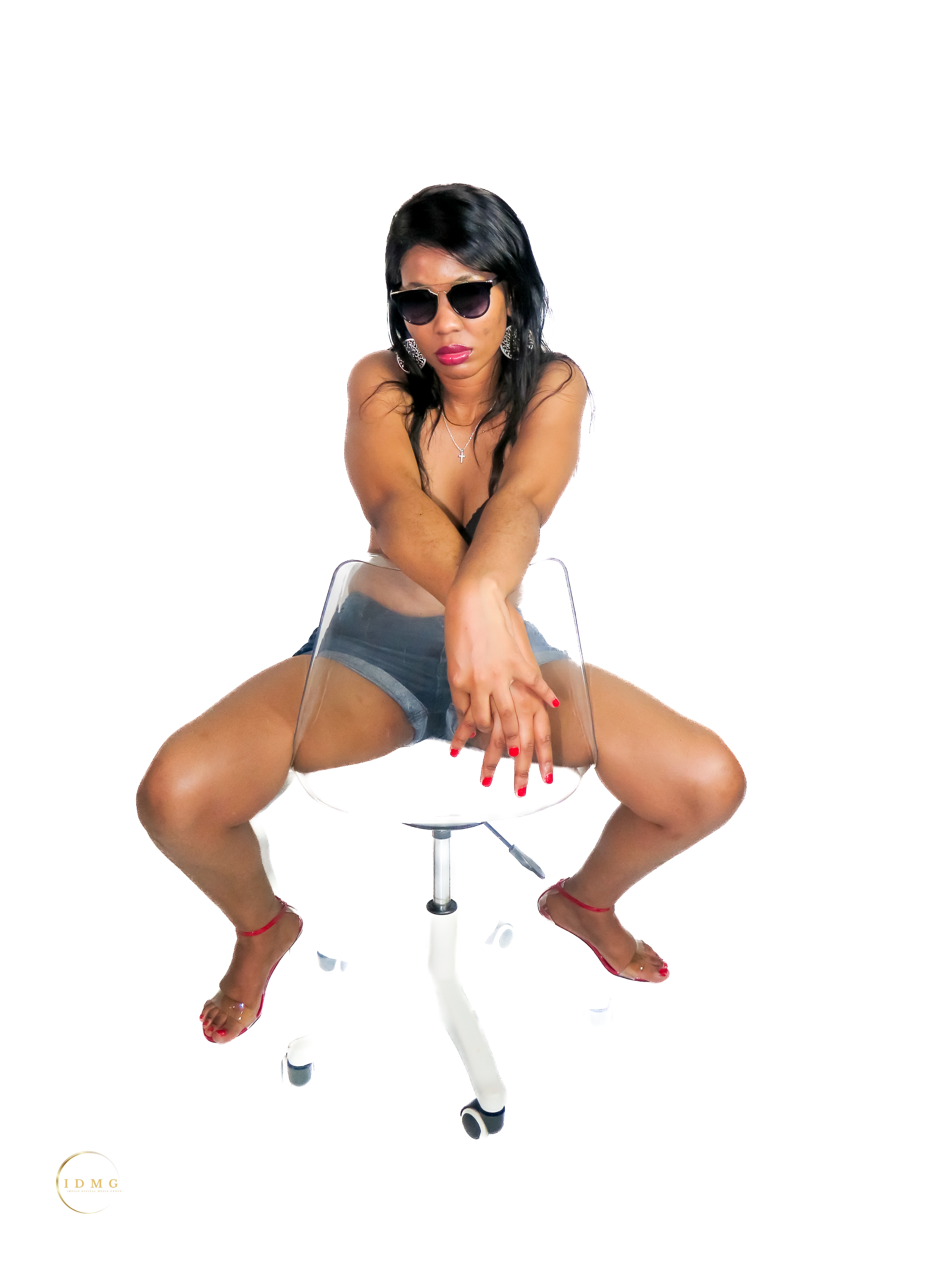
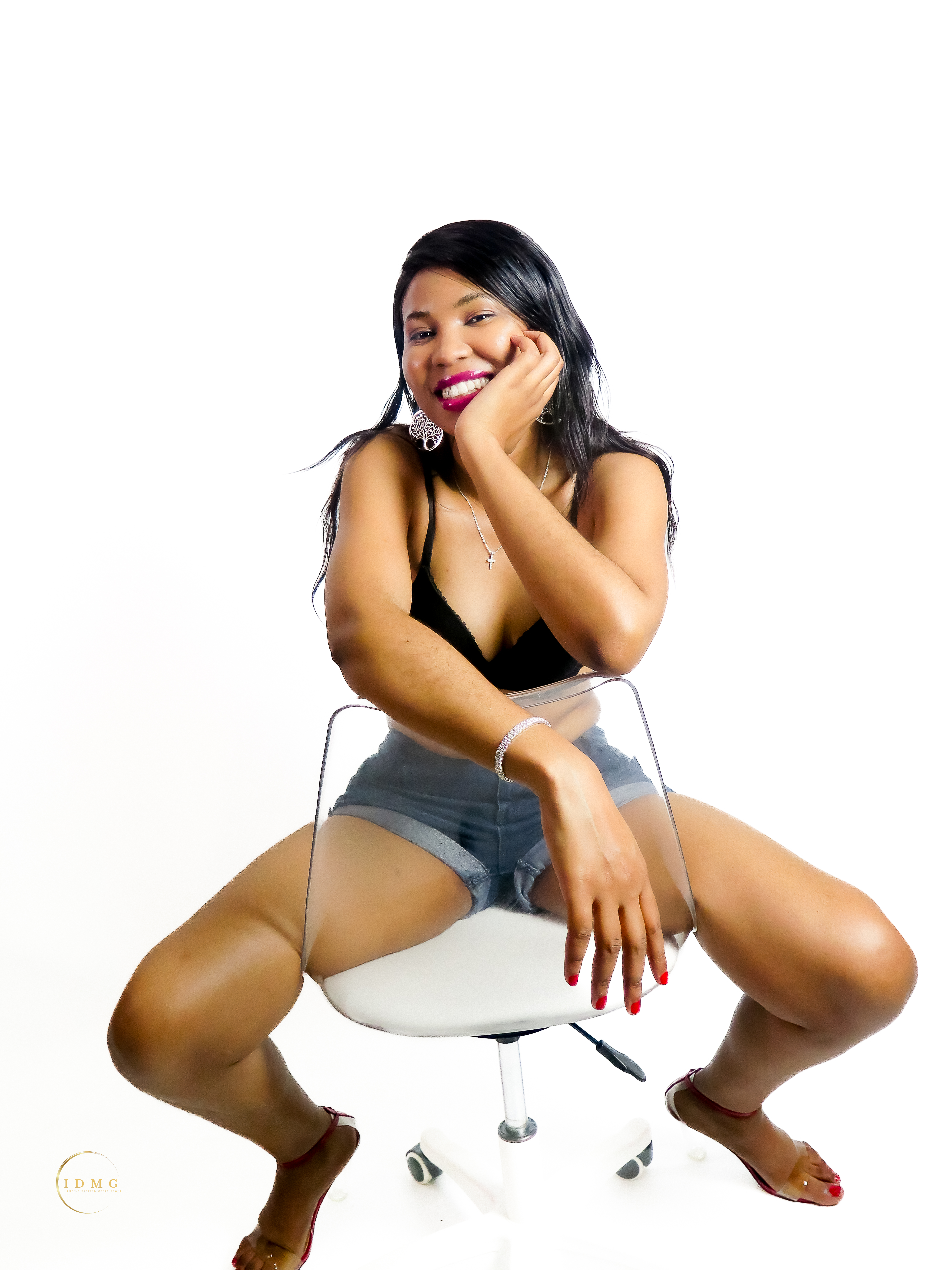





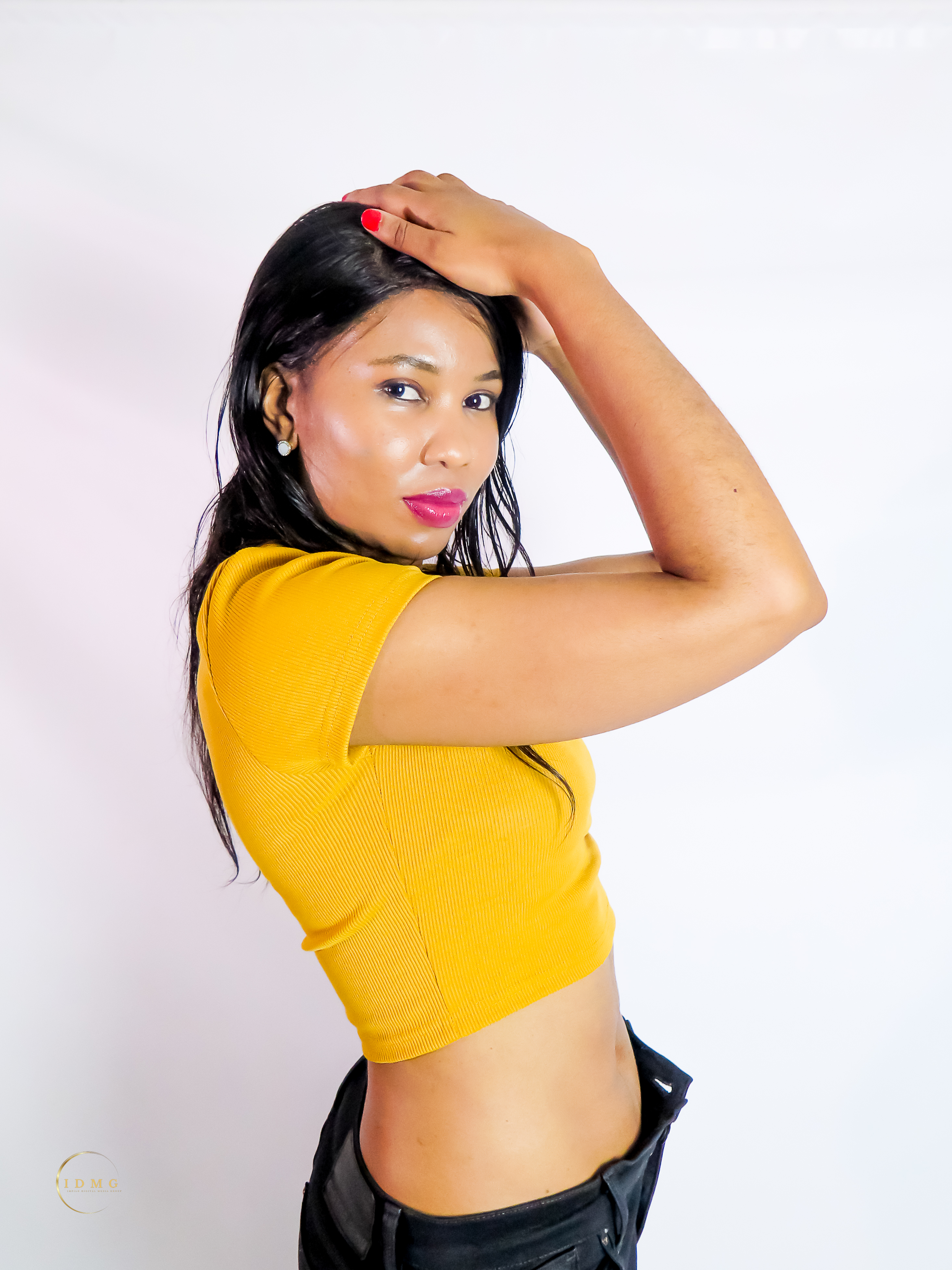



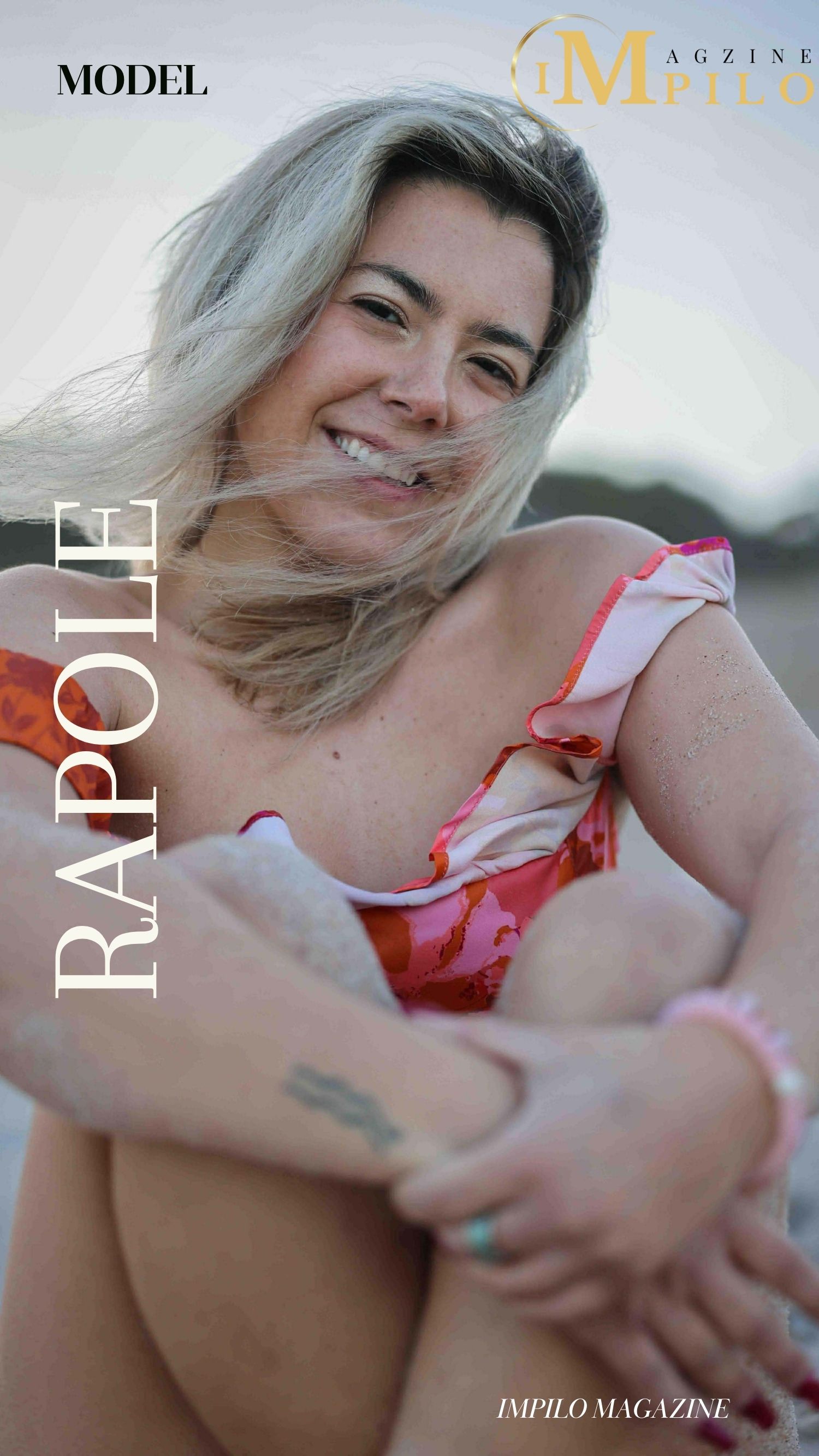
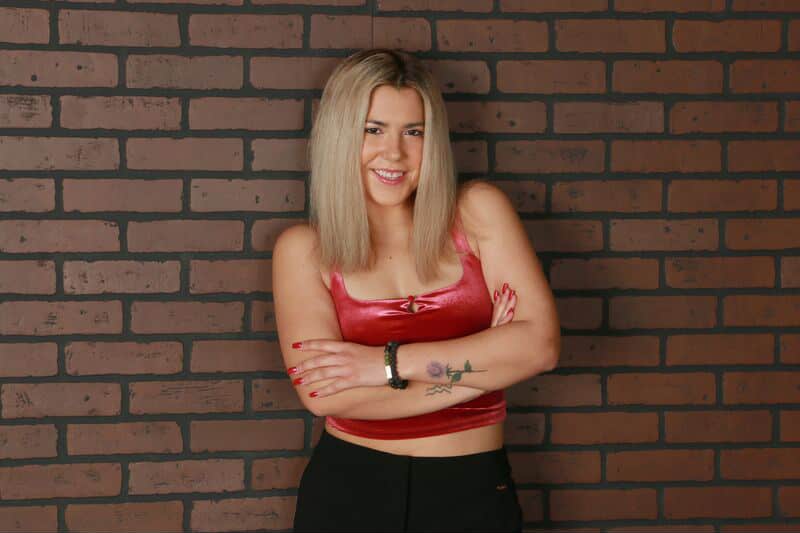

Klarissa Repole, a model from Ponte Vedra Beach, Florida. I started out as a dancer doing ballet, tap, and jazz at a young age. Singing lessons and musical theatre further fueled my passion for art and fashion.
I have explored many creative avenues, including working in recording studios and attempting a rock band. Ultimately, modeling became my focus.
My work is colorful, energetic, and fun. I am open to all types of modeling — from bikini and lingerie modeling to fashion shows and high fashion editorials.
My ultimate goal is to inspire people to never give up. There is always something out there for you. Perhaps your true calling isn’t clear yet, but one day you will find something you are passionate about and love to do.
Based in Ponte Vedra Beach, FL
“Passion and perseverance always light the path to your true calling.”

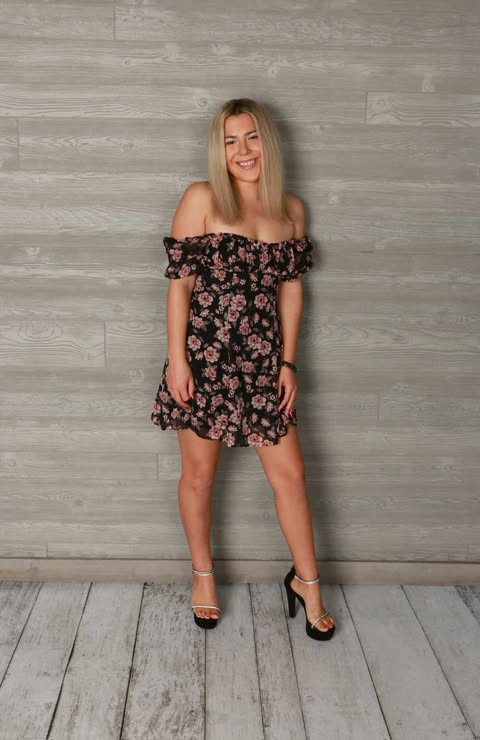





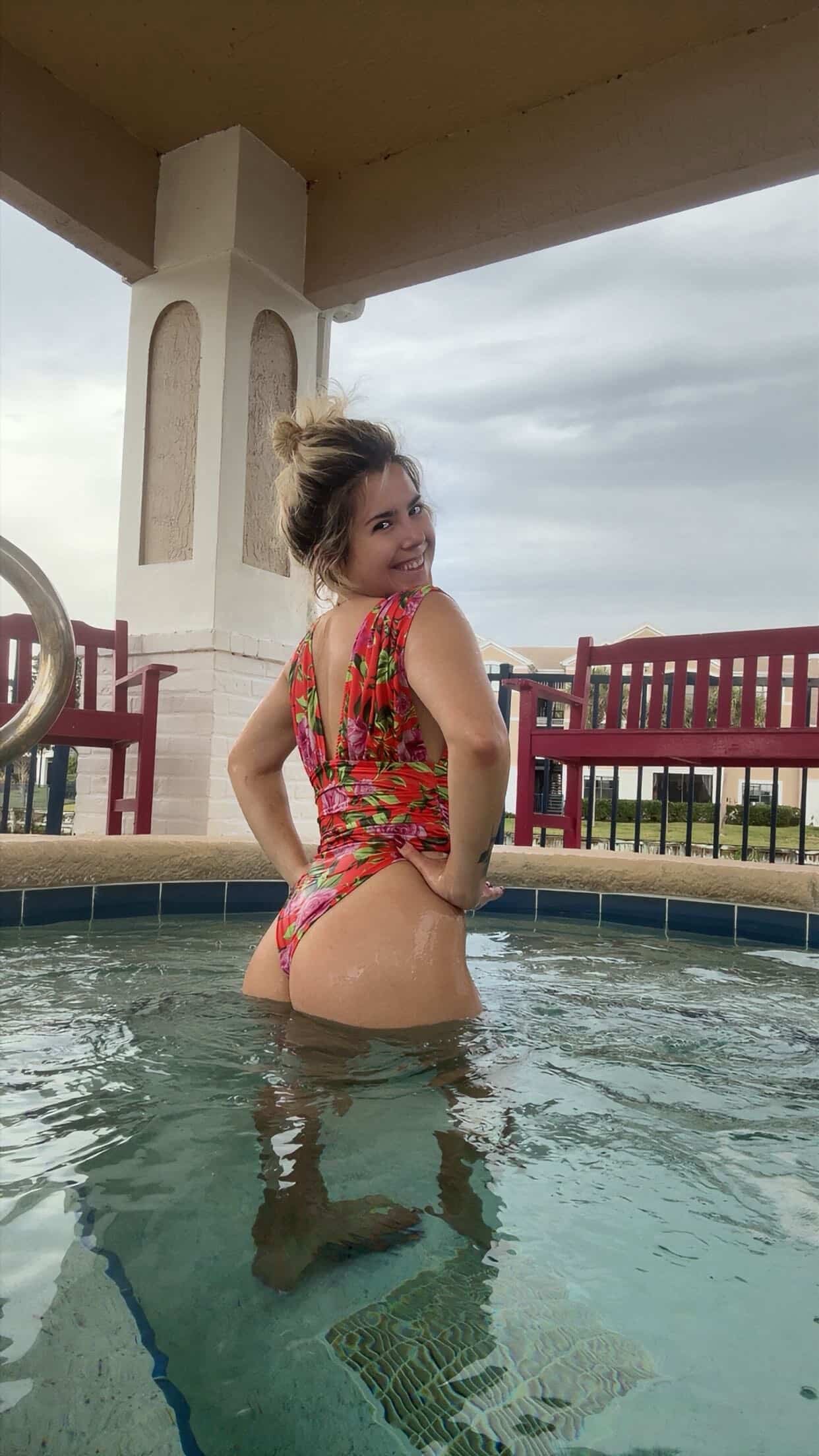


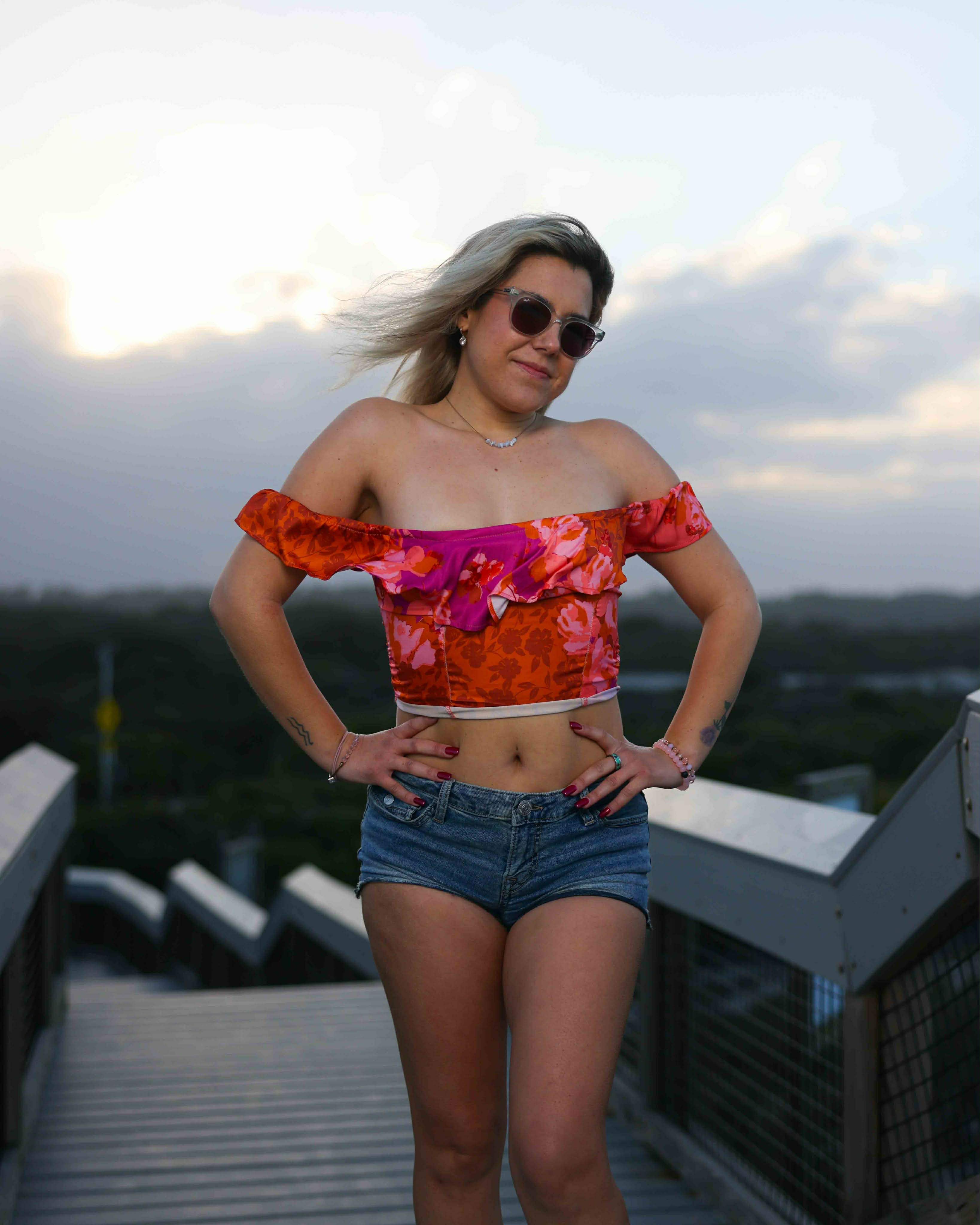


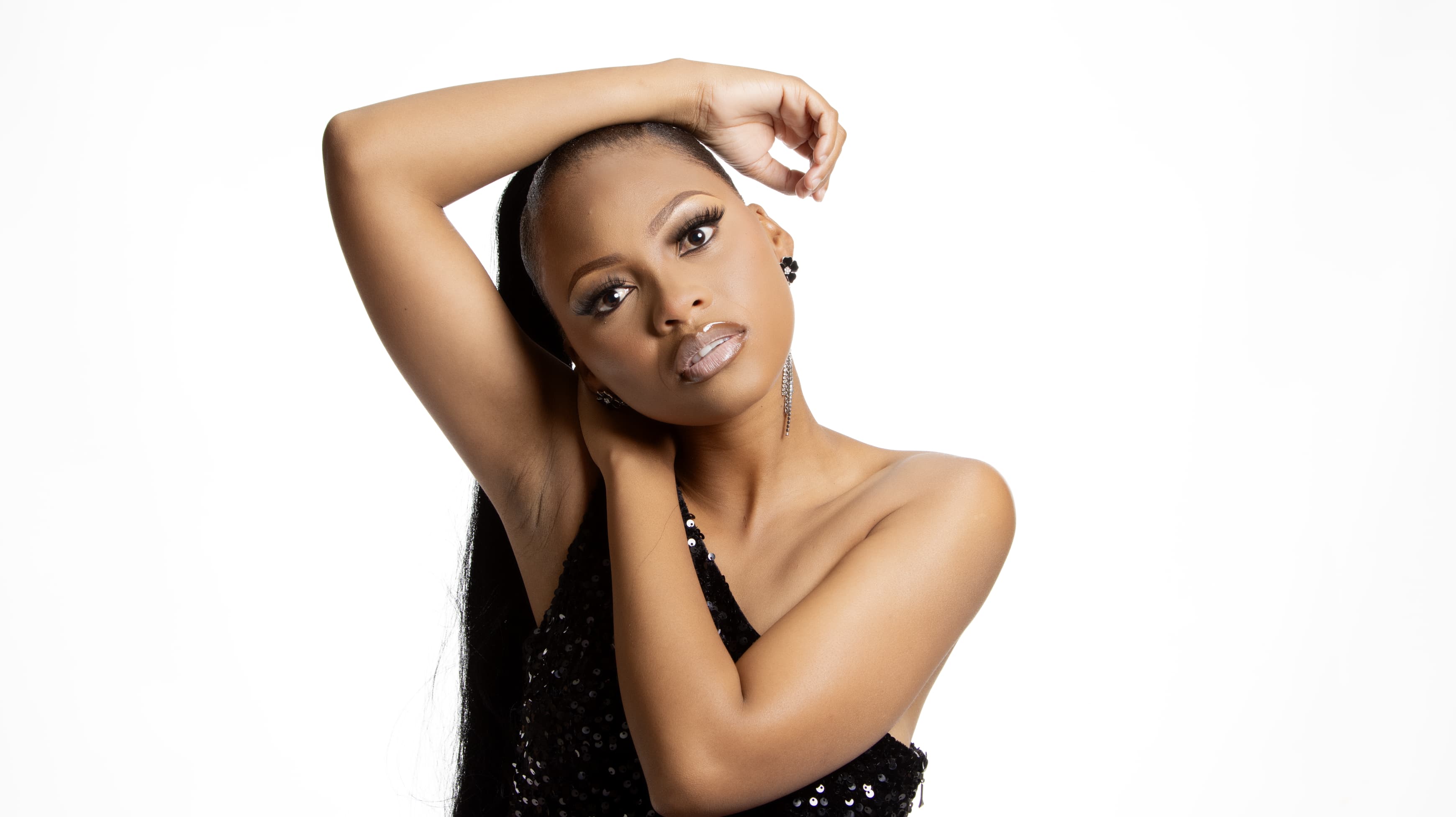

In December 2020, I competed in my first pageant and was crowned Miss Thaba Nchu Queen. I then joined Belladiosa Agency, winning Miss Goldfields Supermodel Queen 2022. I've walked for Omoda, GStaat Fashion Show, and worked with Twork Productions for portfolio shoots. Recently, I focused on commercial modeling in Gauteng and was a finalist in Miss Unity SA.
Beyond modeling, I am passionate about mental health and youth empowerment, using my platform to inspire and uplift others. Every collaboration reflects my professionalism, creativity, and heart. I believe modeling is not only about posing but also about purpose and impact.
Based in Gauteng, South Africa
“Perseverance, passion, and purpose define my journey.”

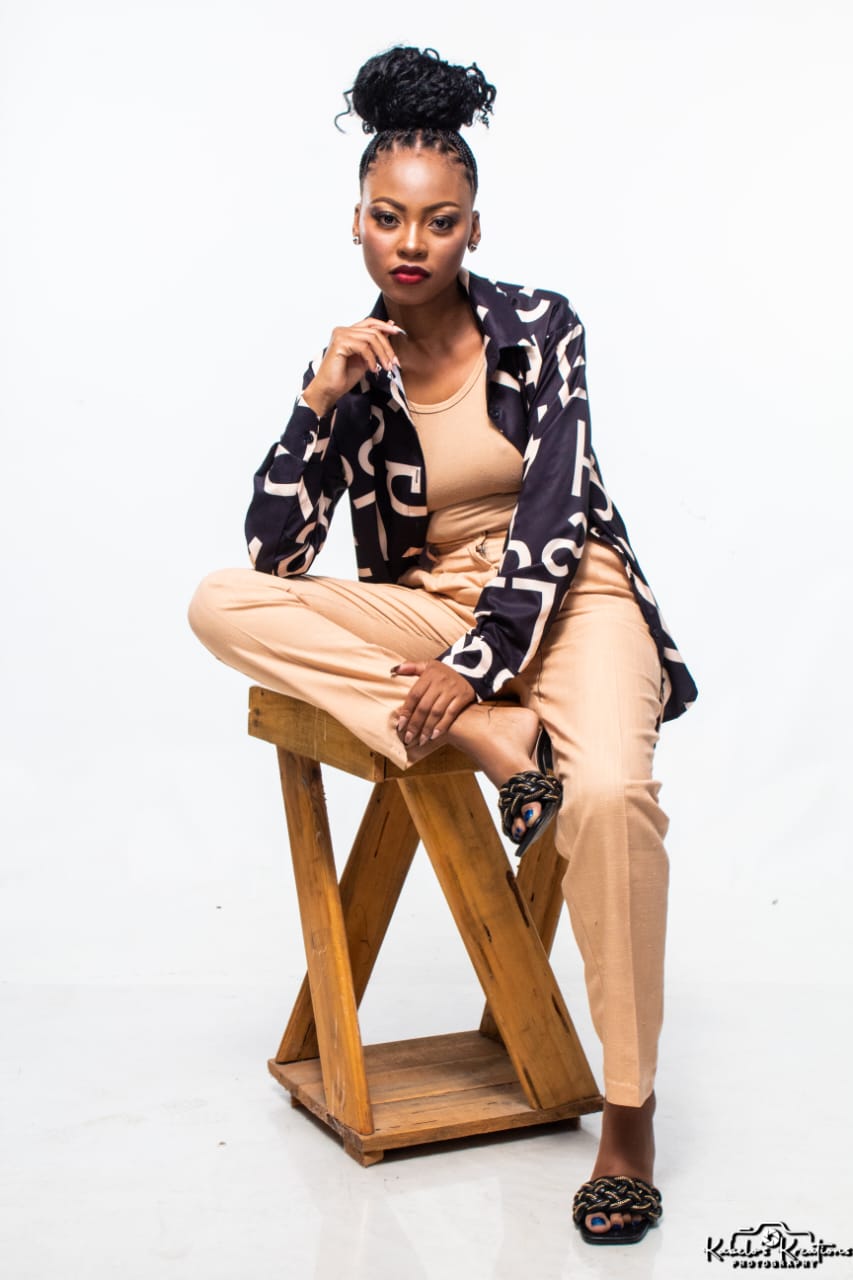

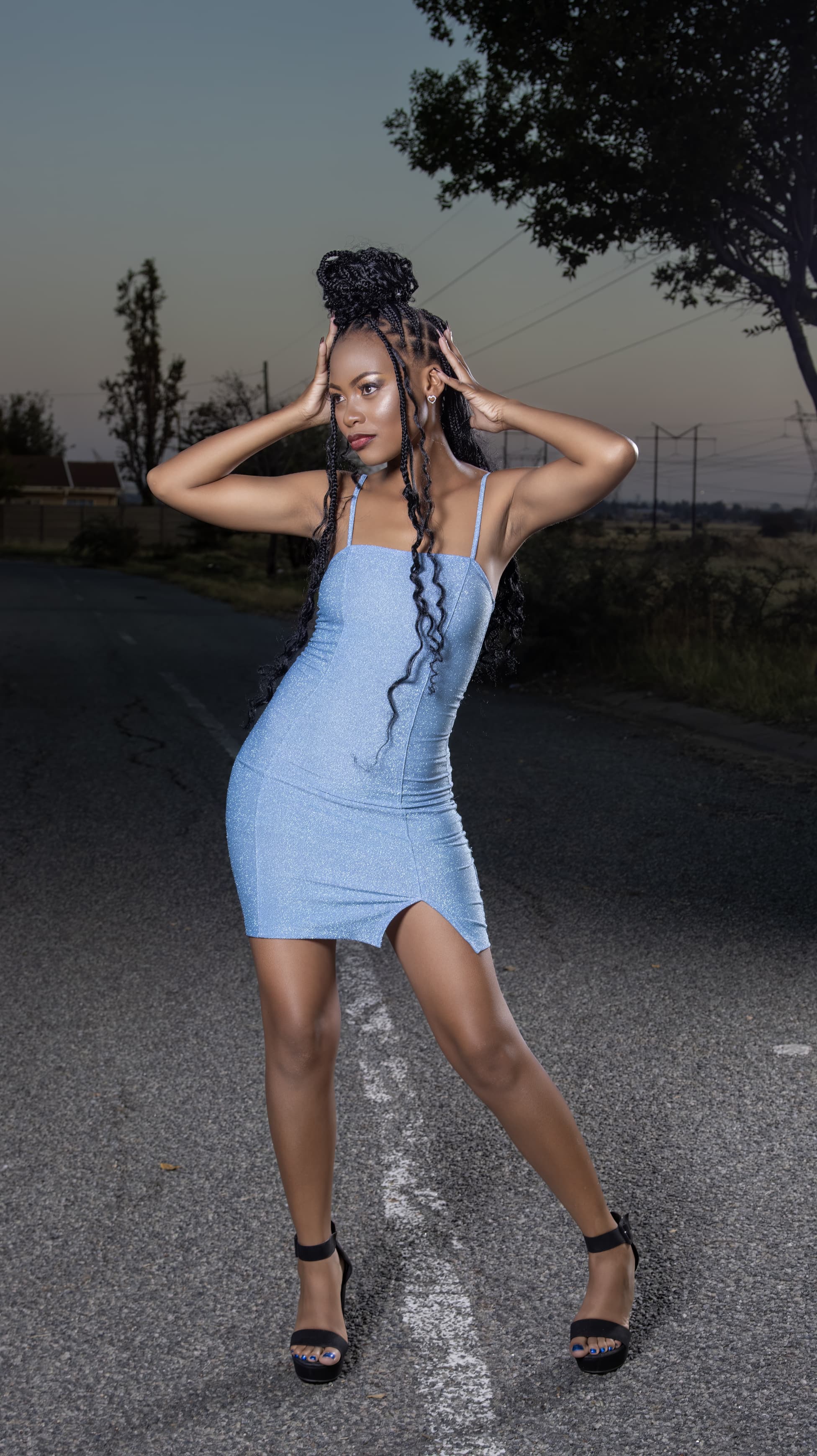
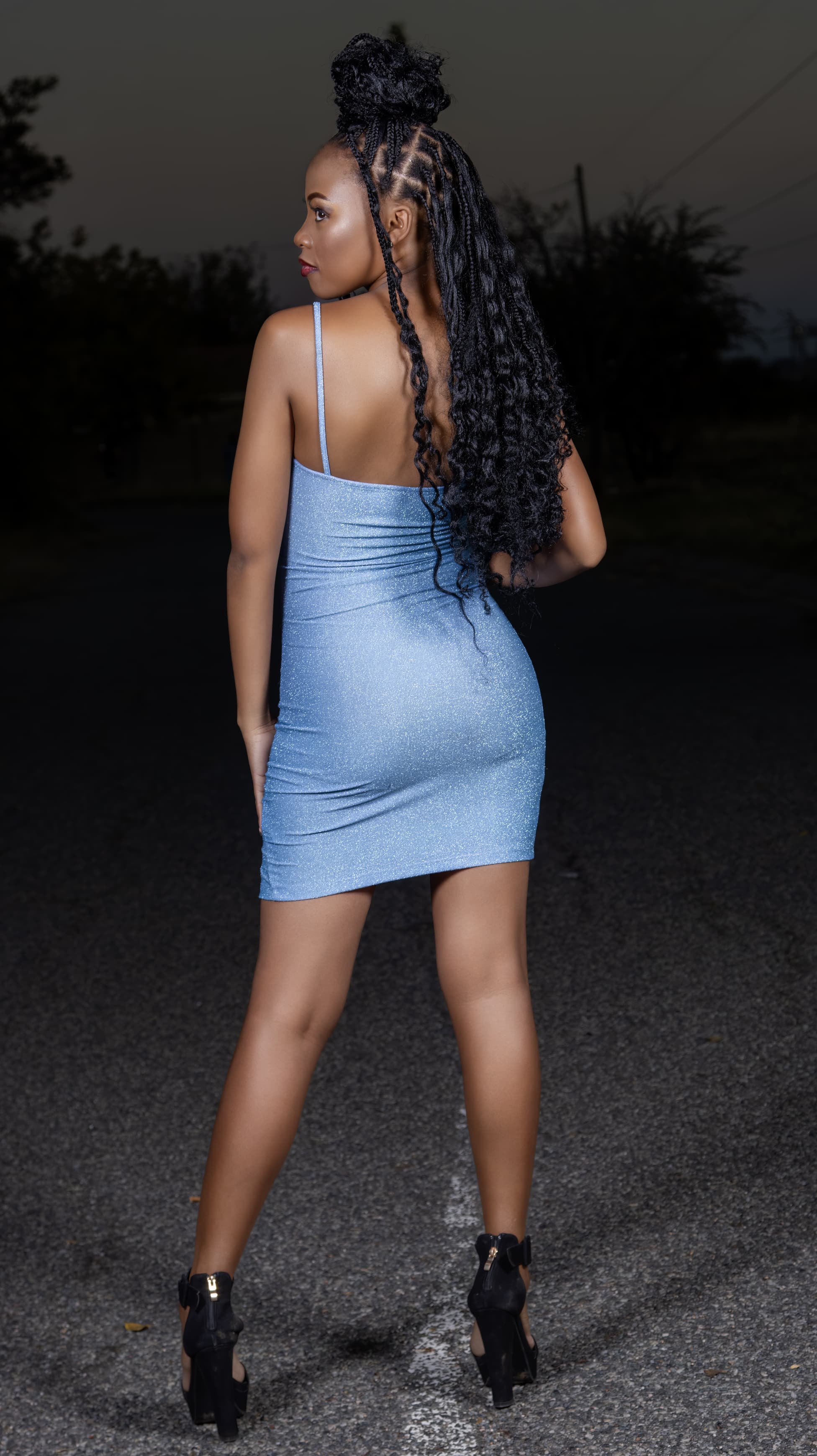
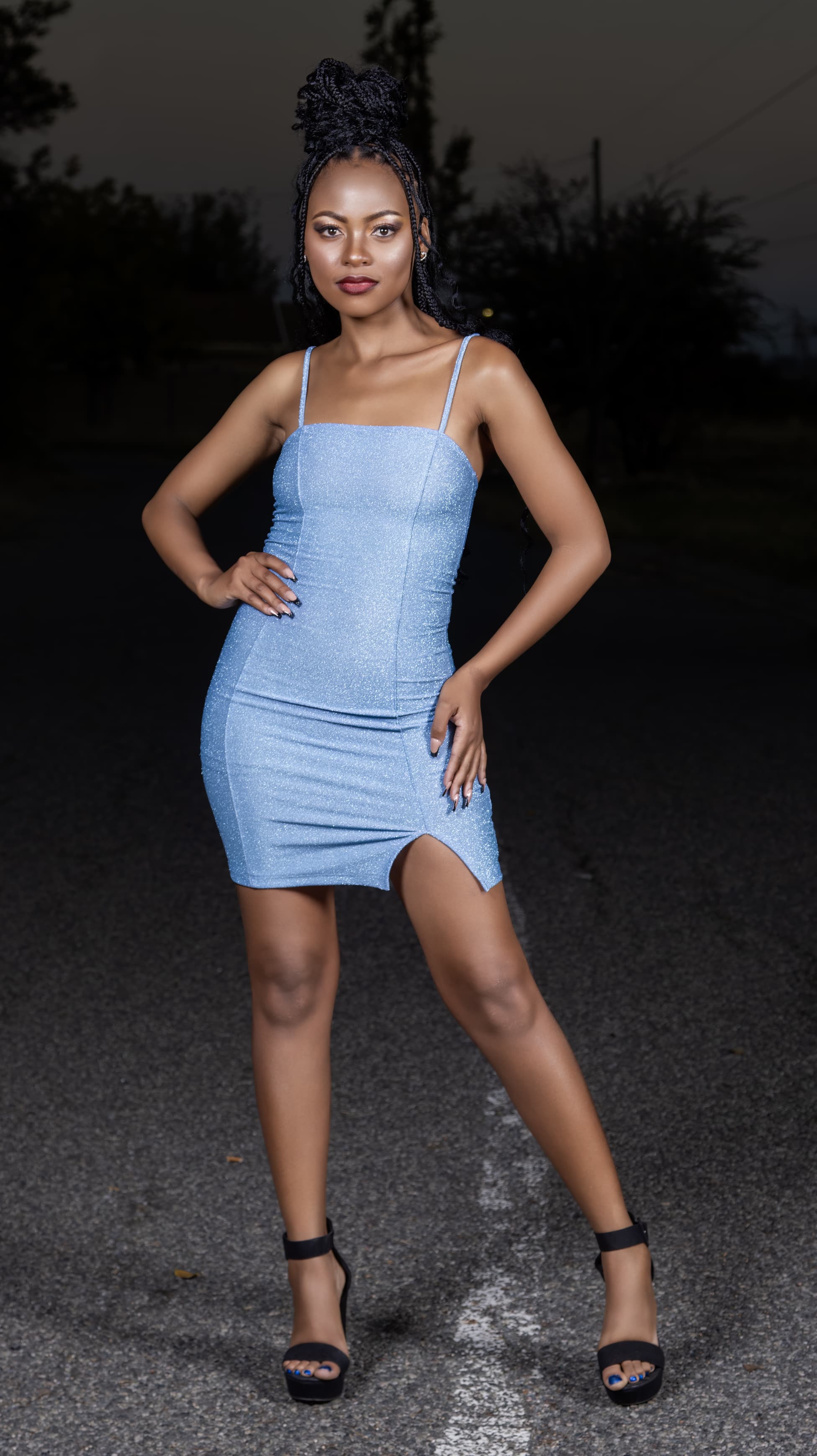
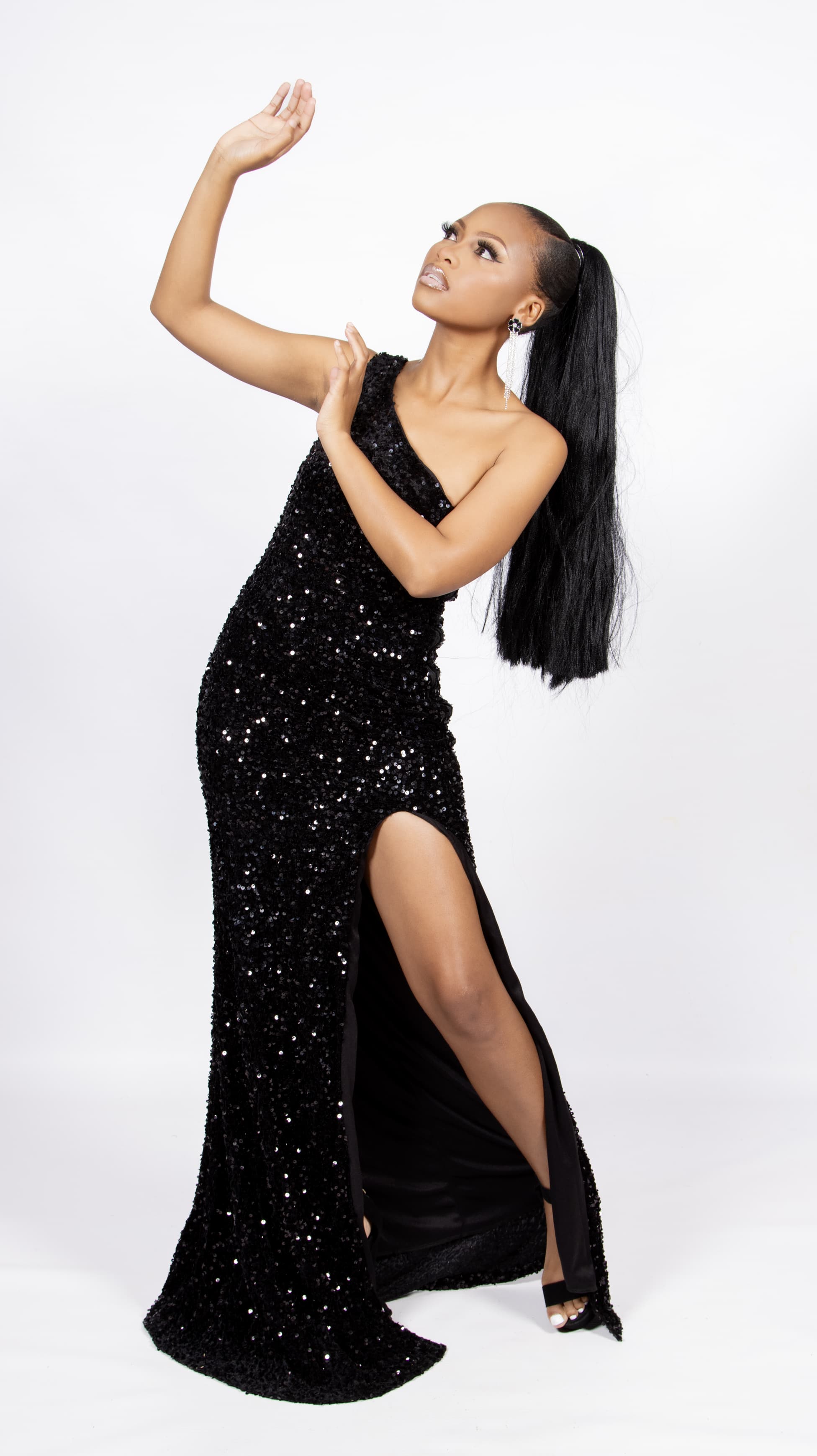
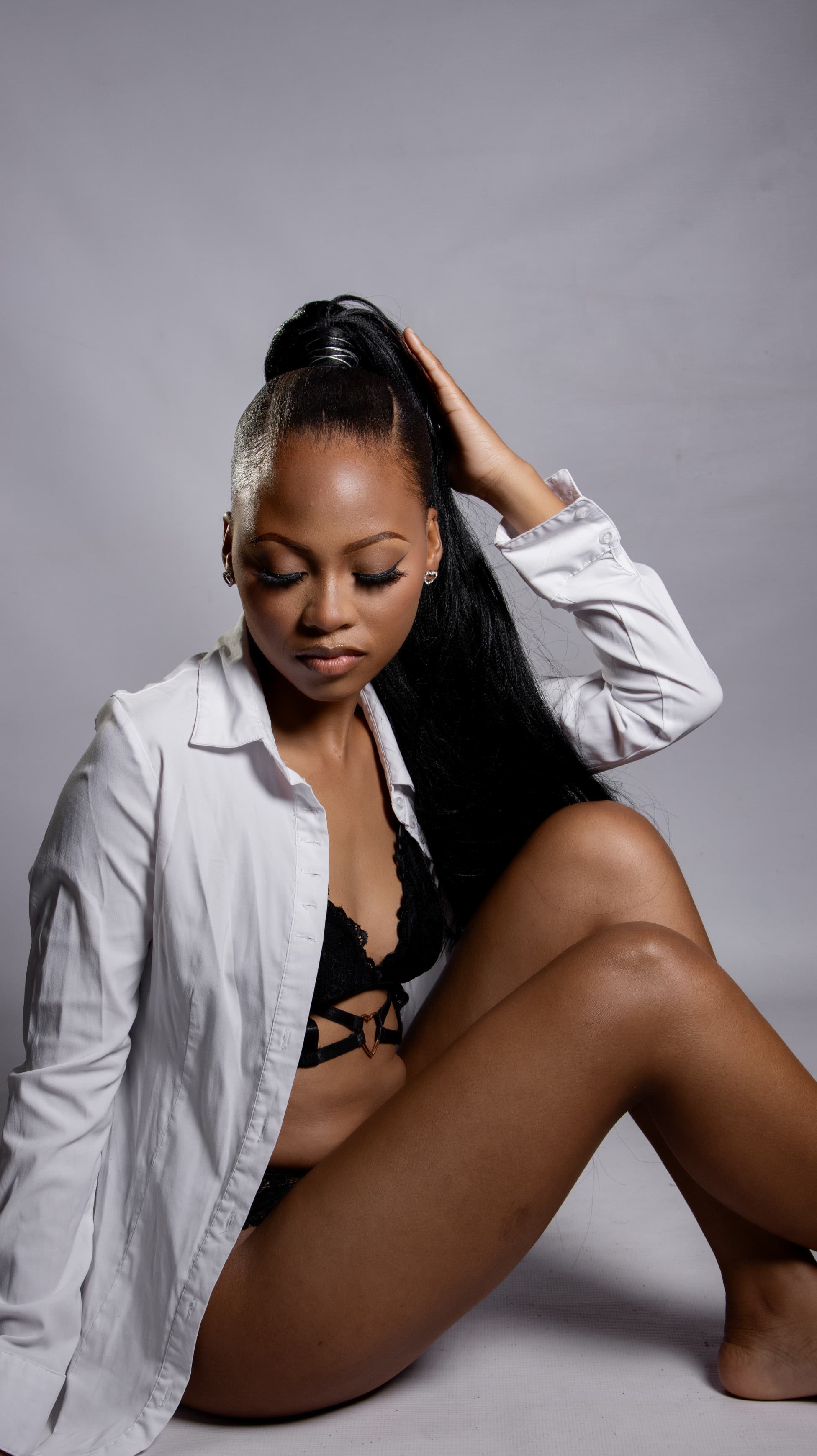
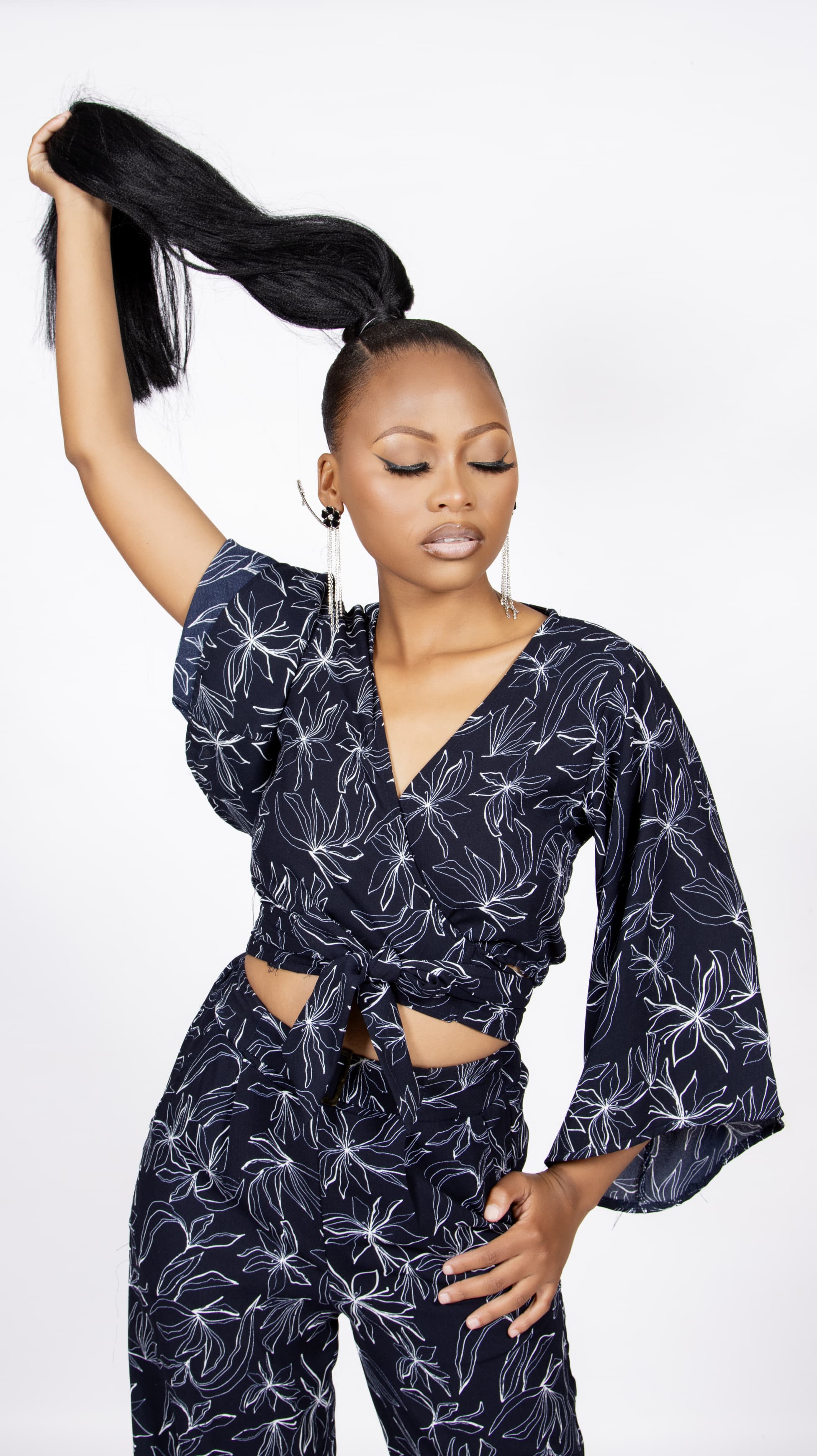


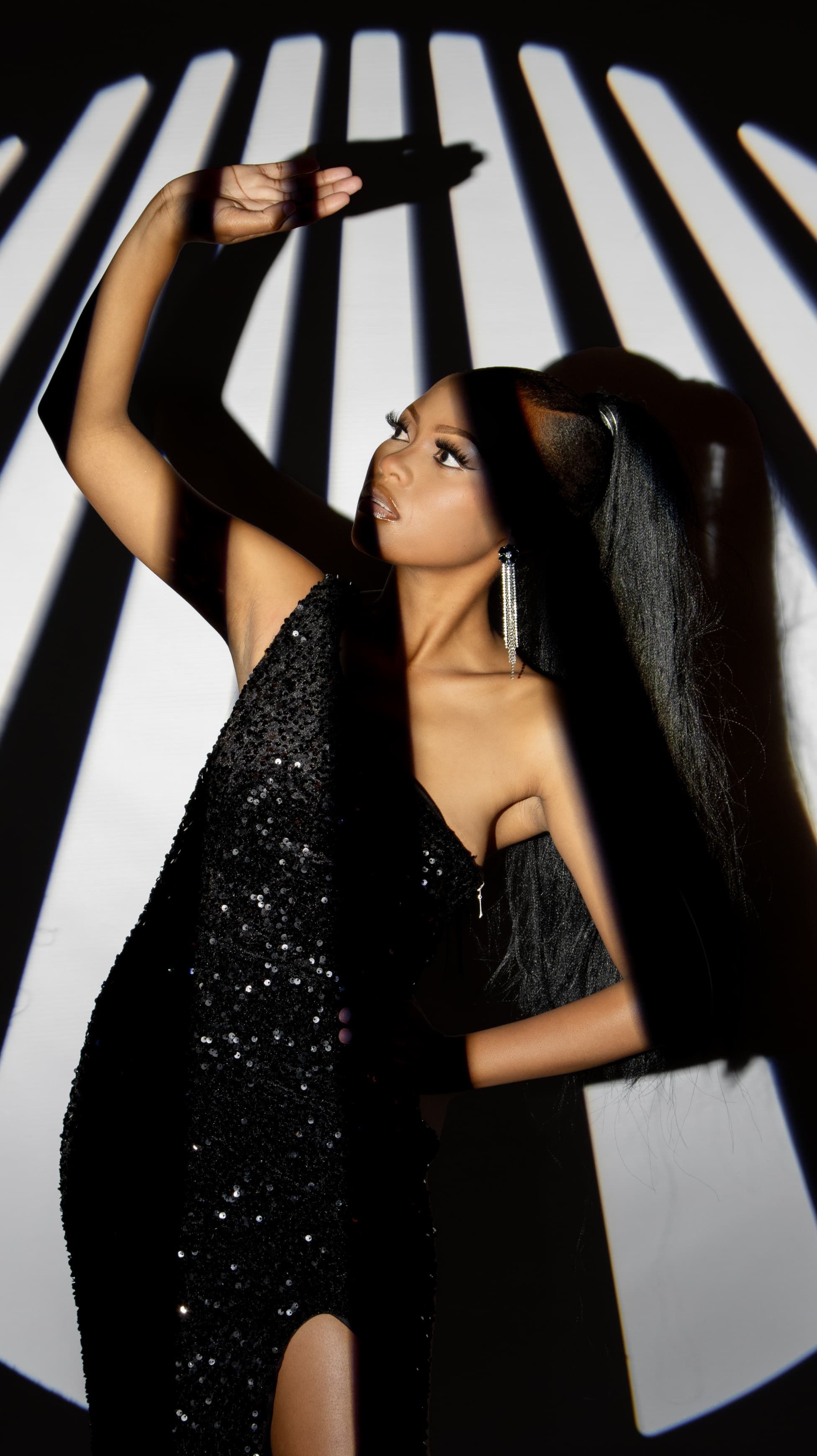

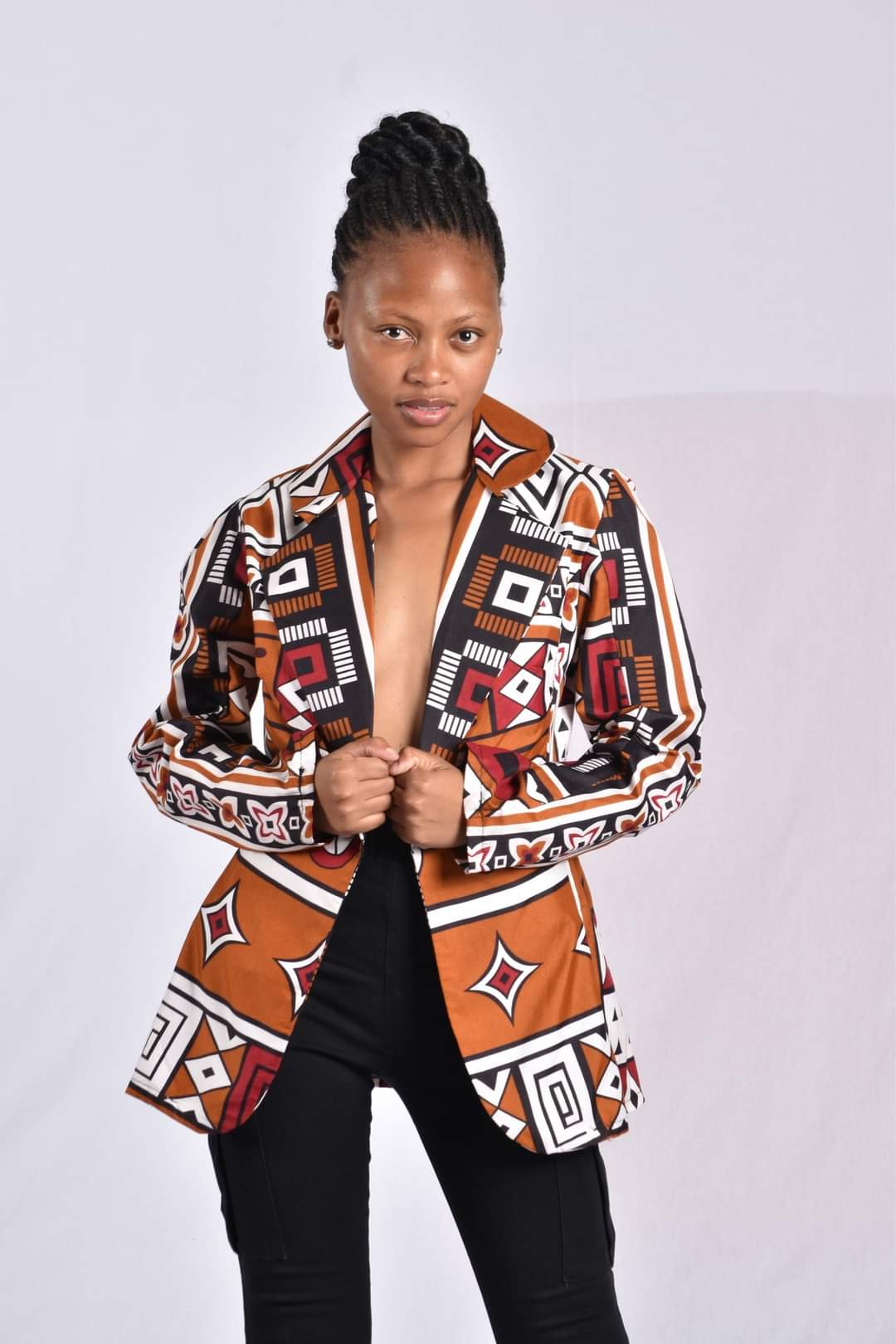
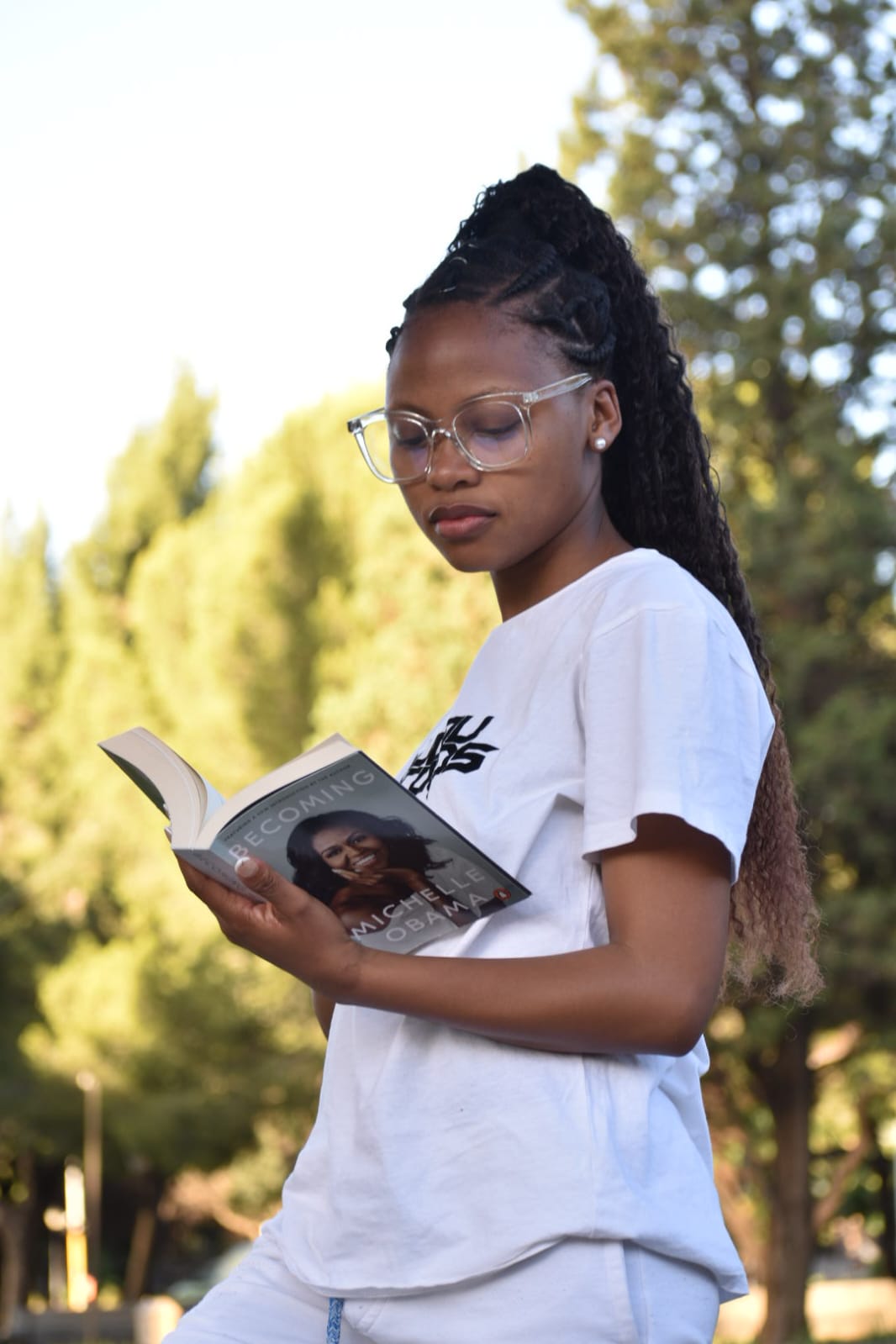


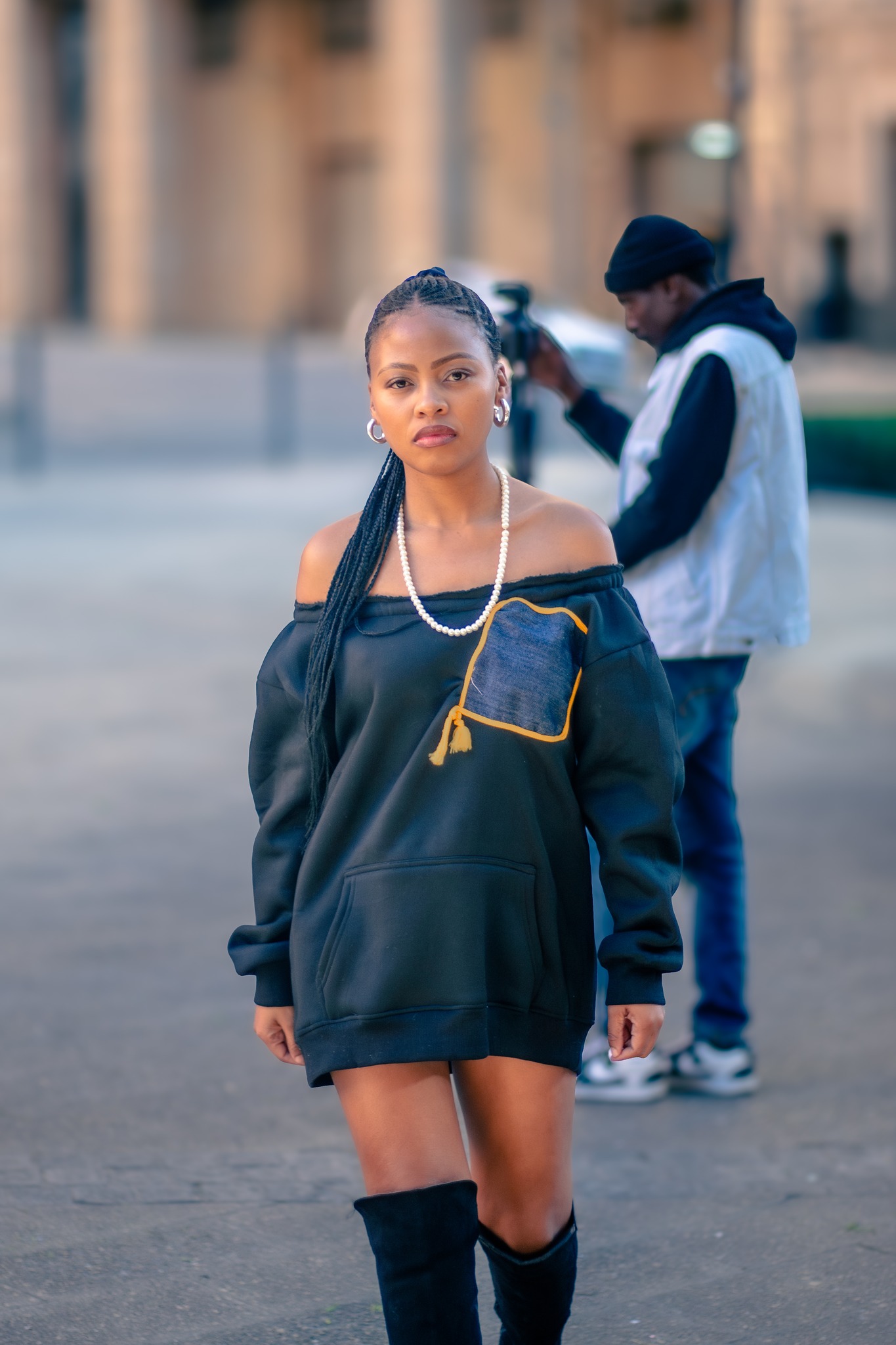
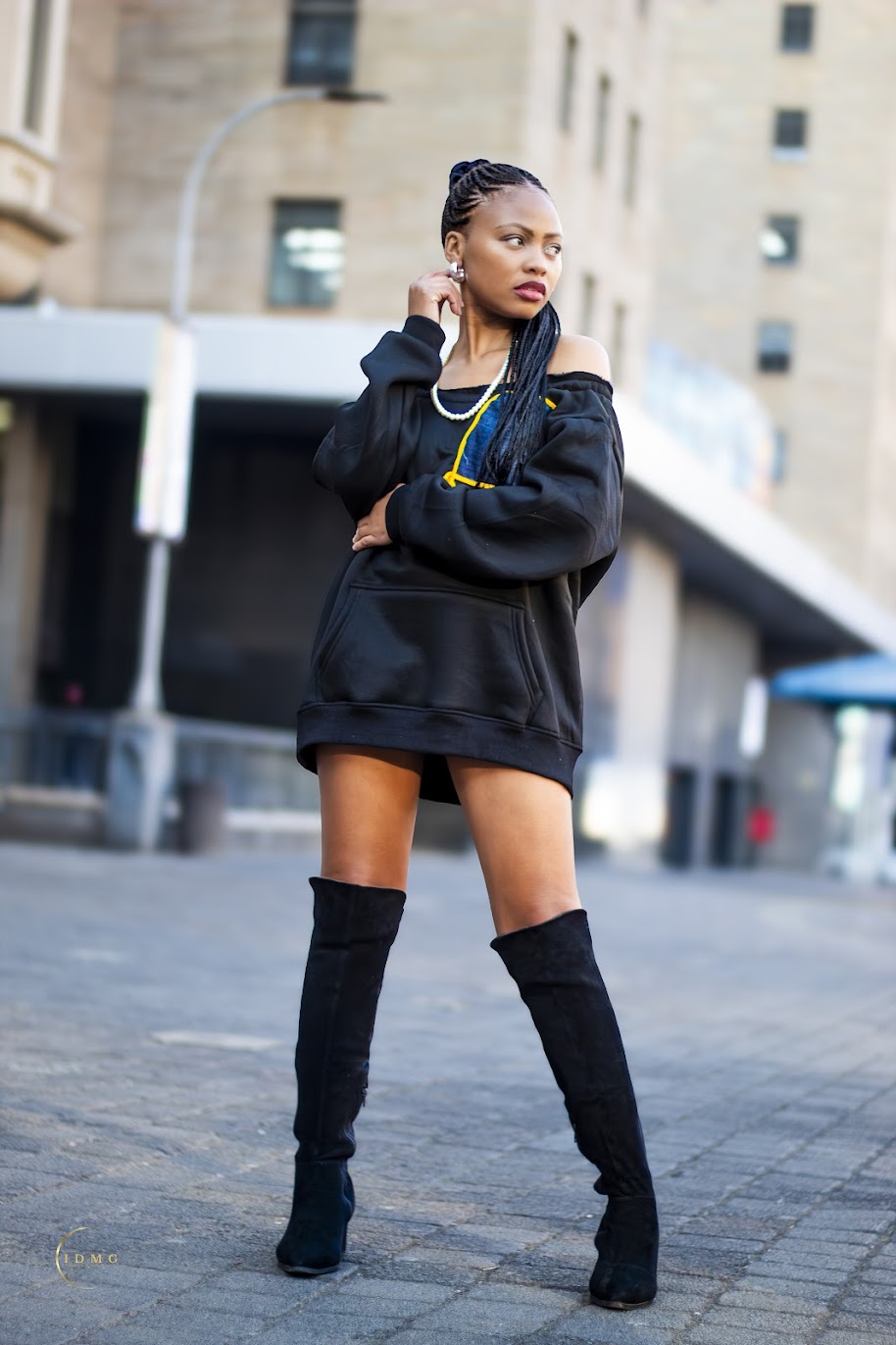
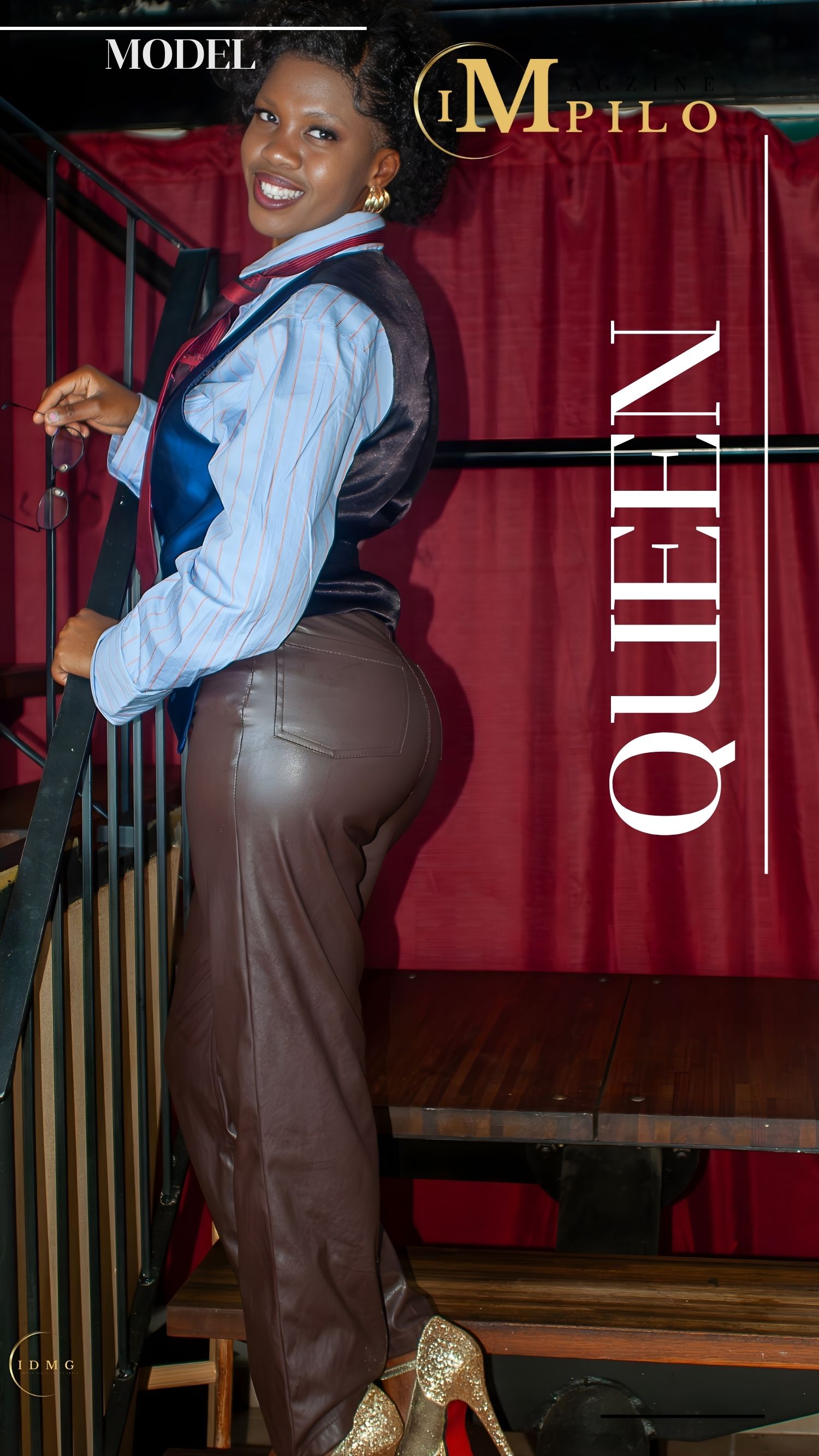
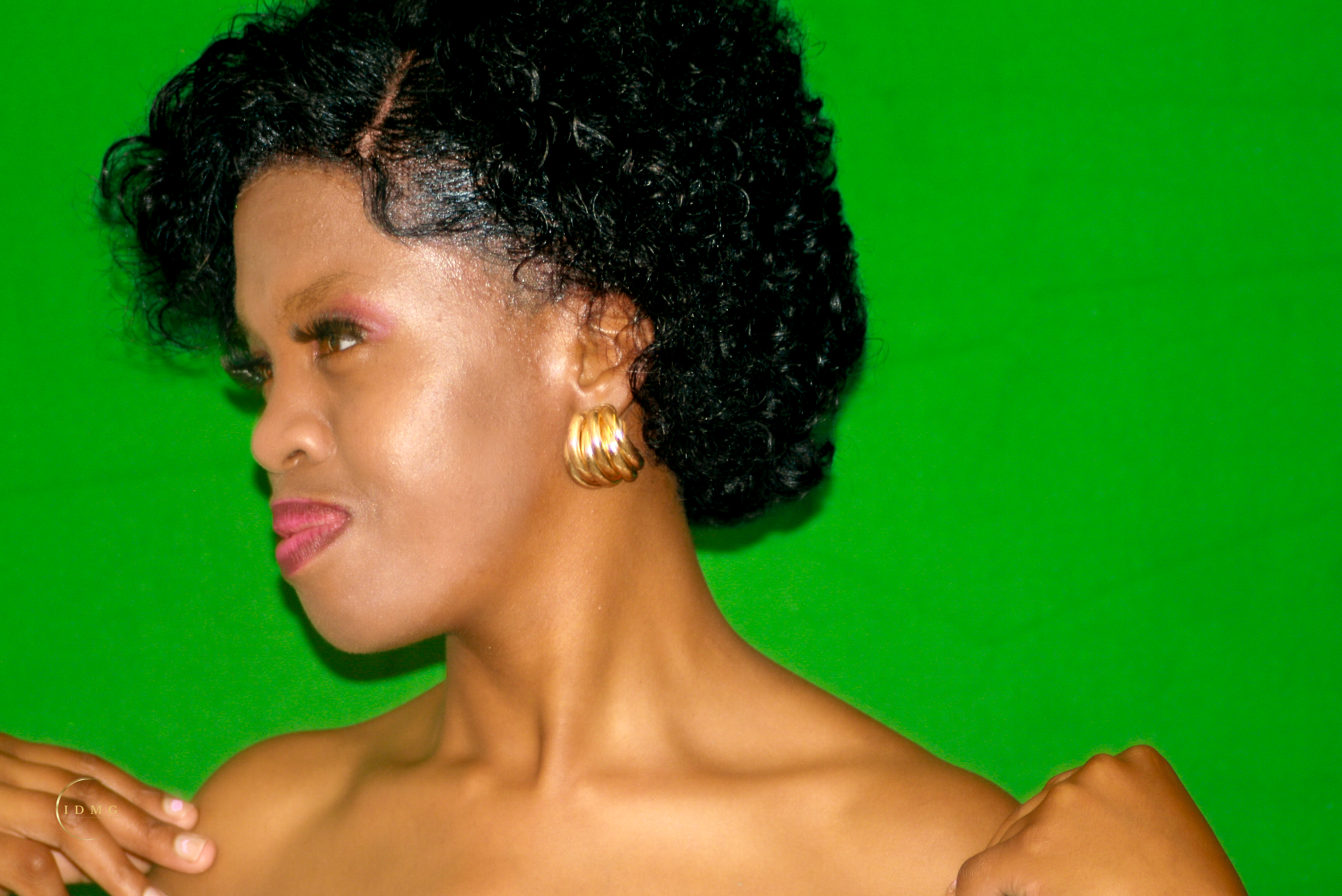

Lerato Davies is a 27-year-old fashion model from Gauteng whose presence in front of the camera is both confident and magnetic. Crowned Miss Kagiso 2020/21, she represents a new generation of models who move effortlessly between pageantry, fashion, and digital influence.
Her love for the lens is unmistakable — photoshoots are not just work, but a space where she fully expresses her identity, style, and ambition. Whether styled for high-fashion editorials or raw street visuals, Lerato understands how to command a frame.
Recognised as the Best Model of Miss Kagiso and crowned Miss Inspiration SA – Top Social Media Engager, Lerato has mastered the art of modern visibility. Her content creation game is strong, intentional, and authentic — blending fashion storytelling with lifestyle culture.
When she’s not working, she can be found collaborating with fellow models, exchanging creative energy, or exploring emerging fashion trends that shape her evolving aesthetic.
Lerato’s talents extend beyond modeling into acting, where she has secured extra roles on some of South Africa’s most iconic television productions, including Skeem Saam, House of Zwide, and Generations: The Legacy.
Off set, her creative heart belongs to the streets of Soweto and Kagiso. Through vintage-inspired outdoor shoots, she captures the soul of township life — translating nostalgia, glamour, and movement into striking visual stories shared with her audience.


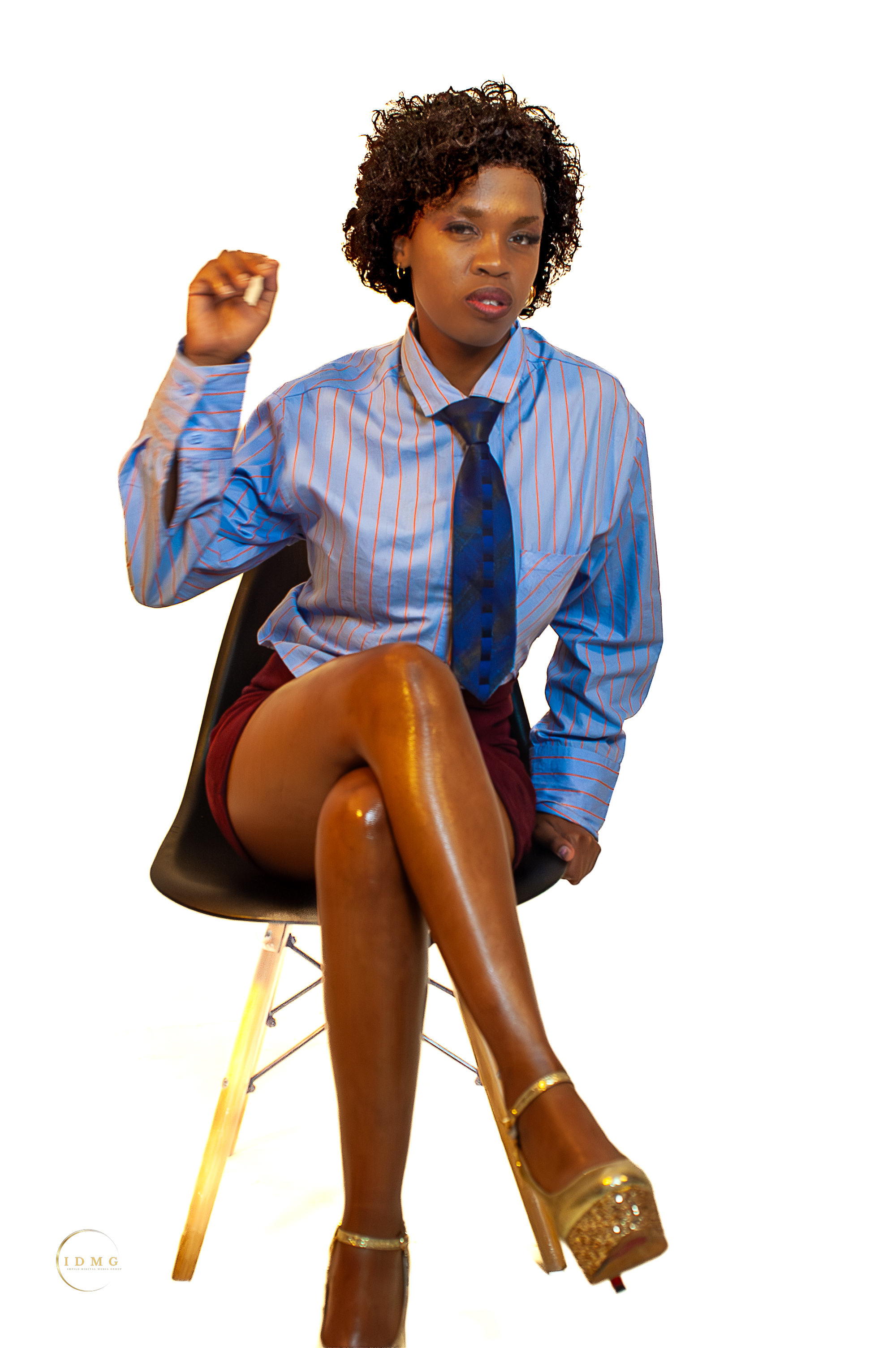

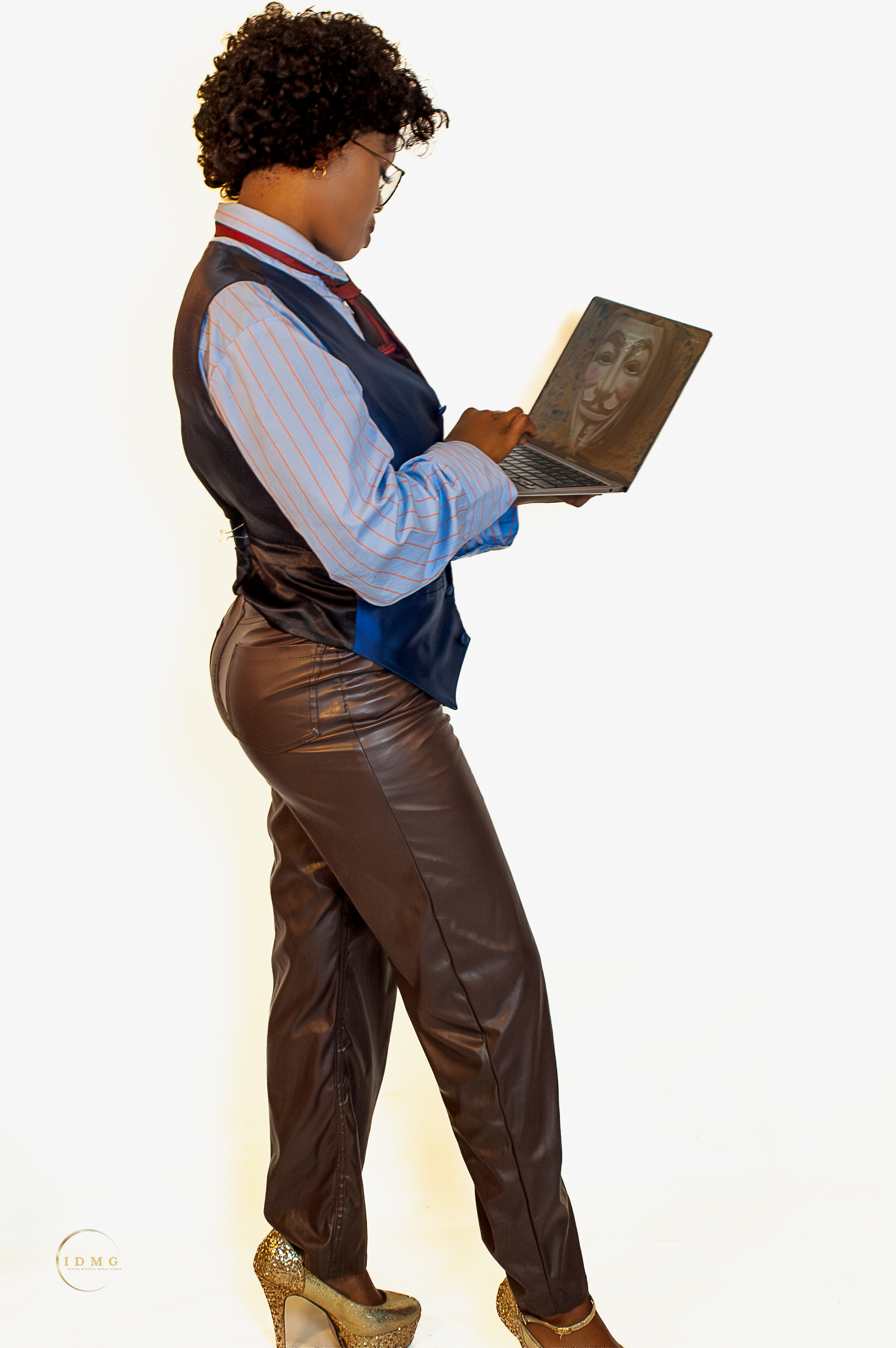
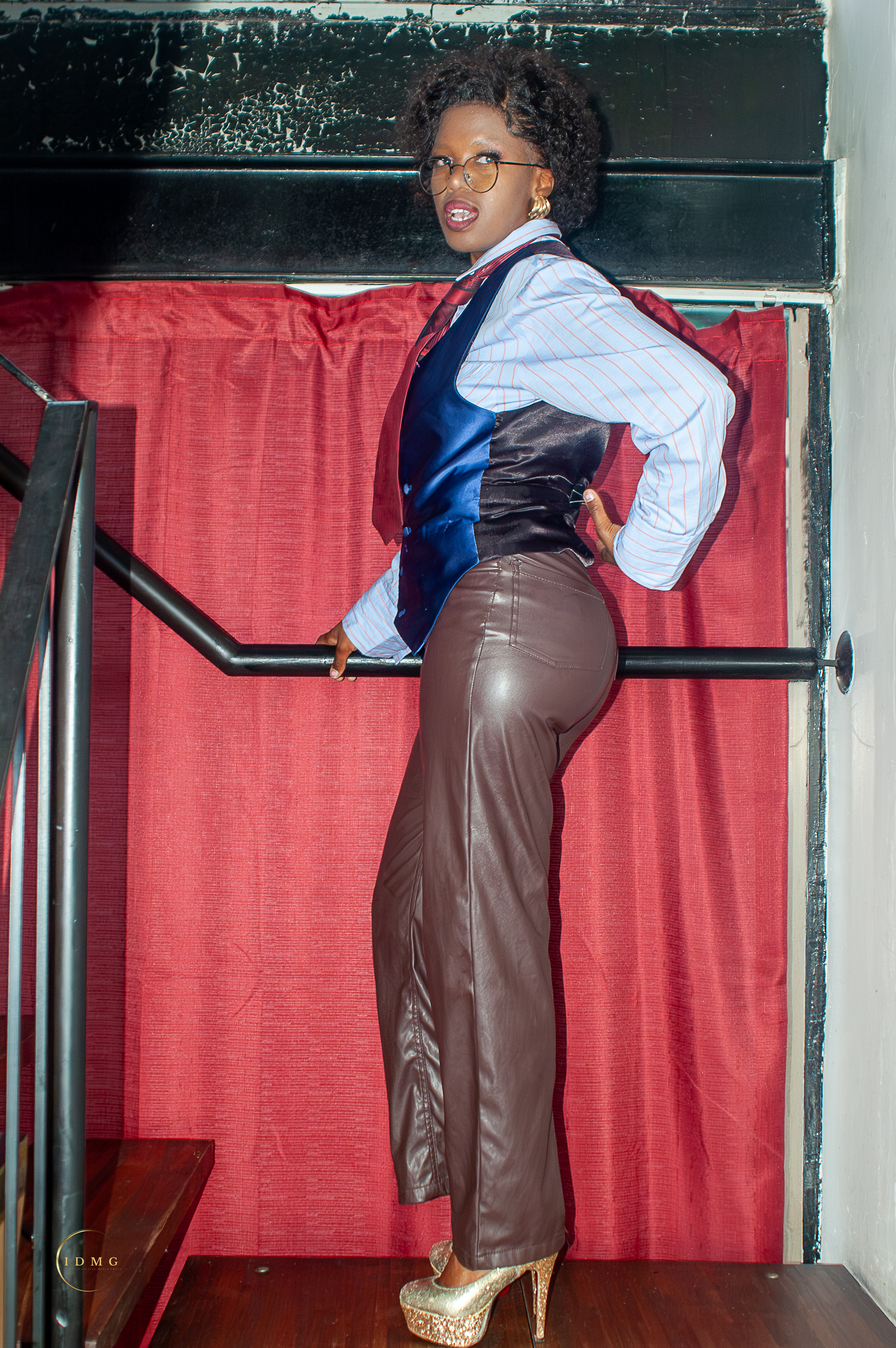
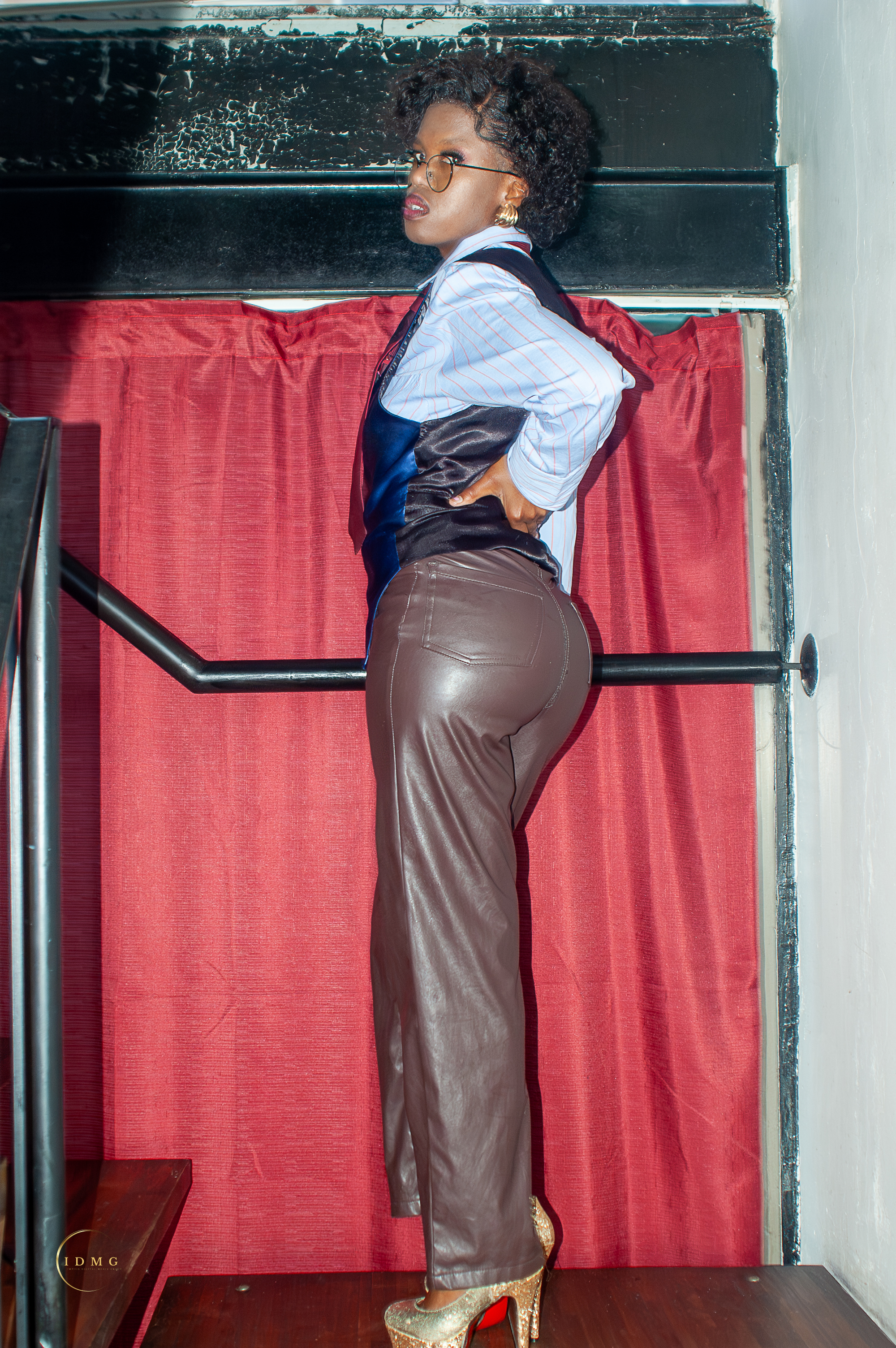









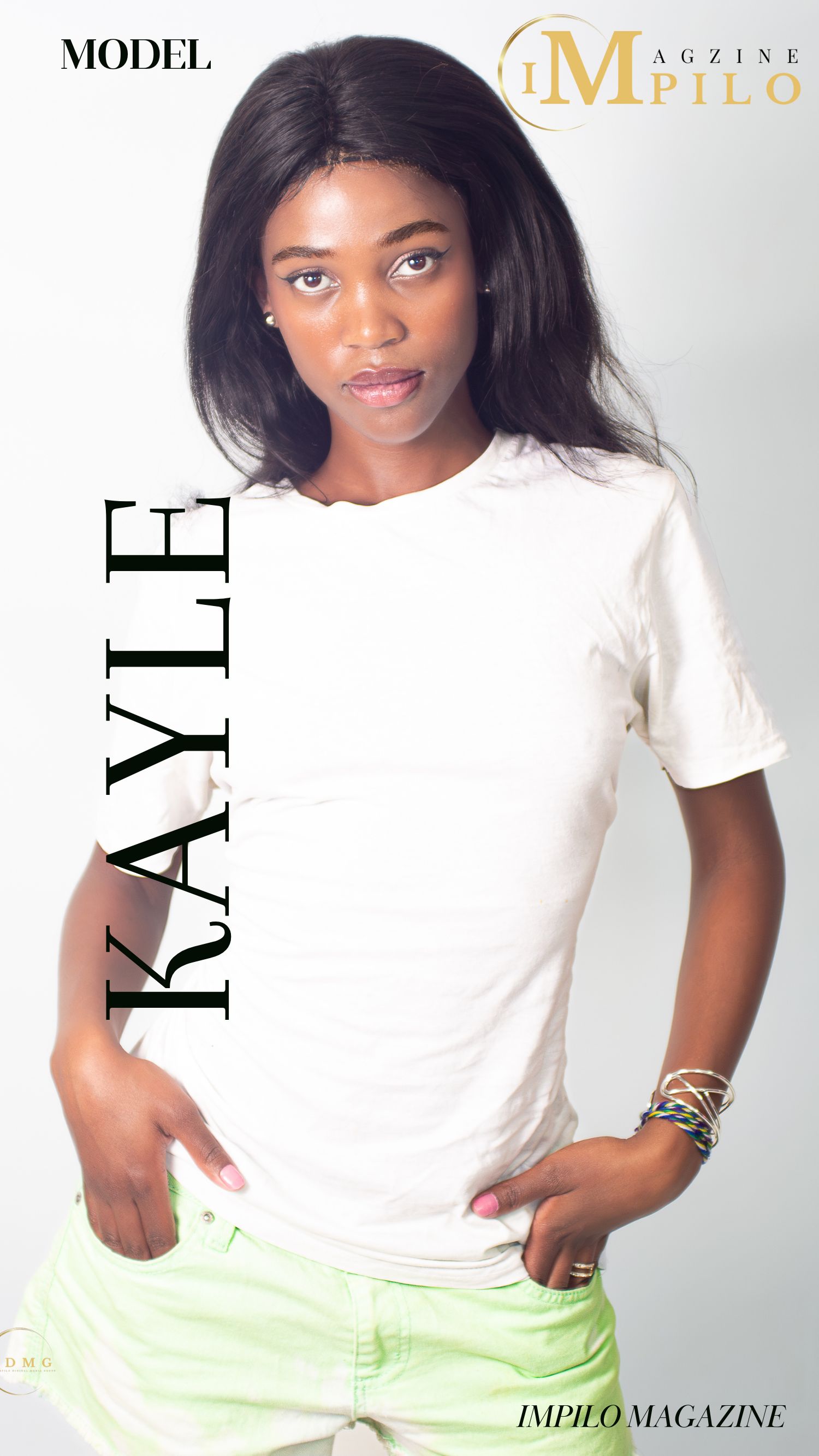
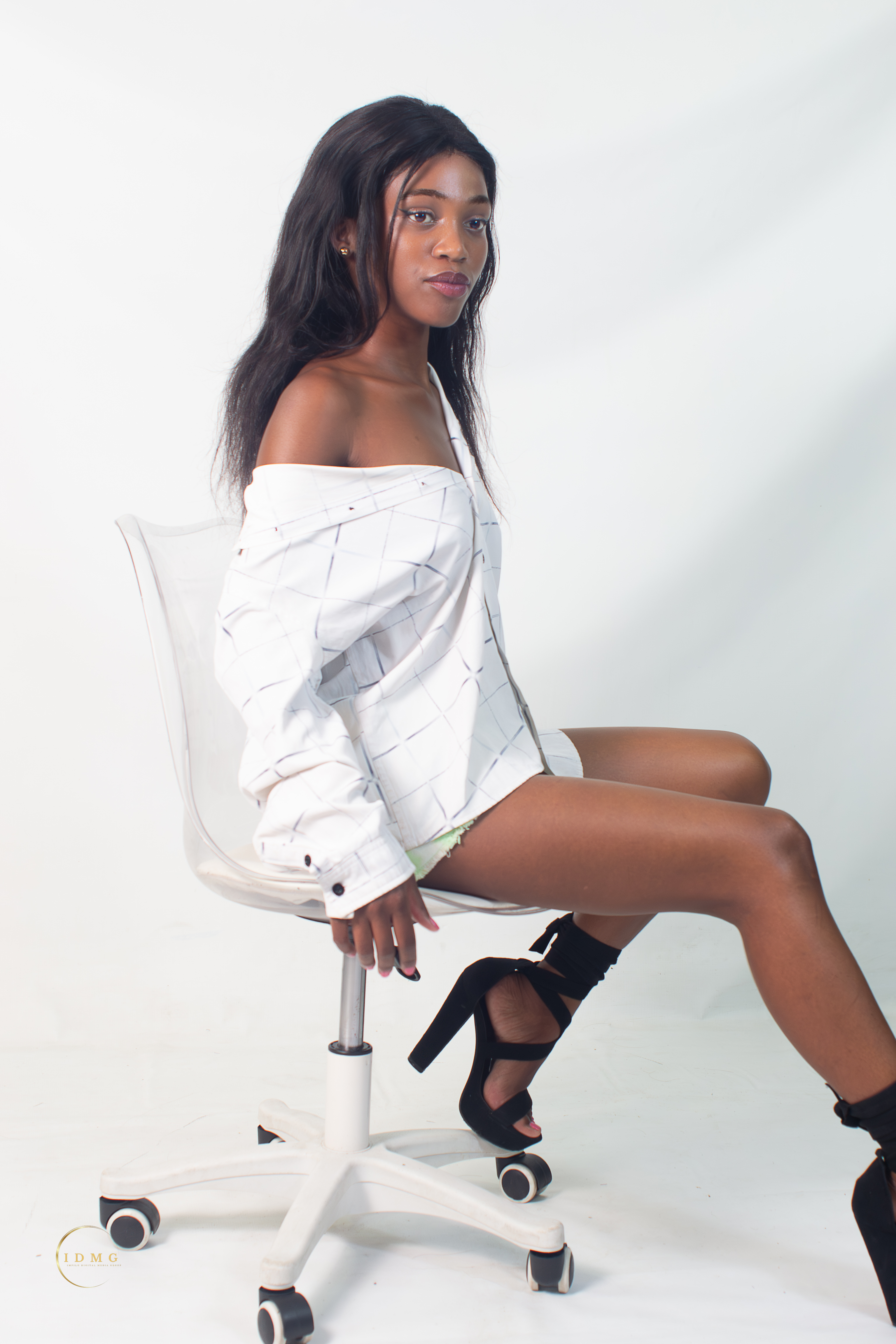
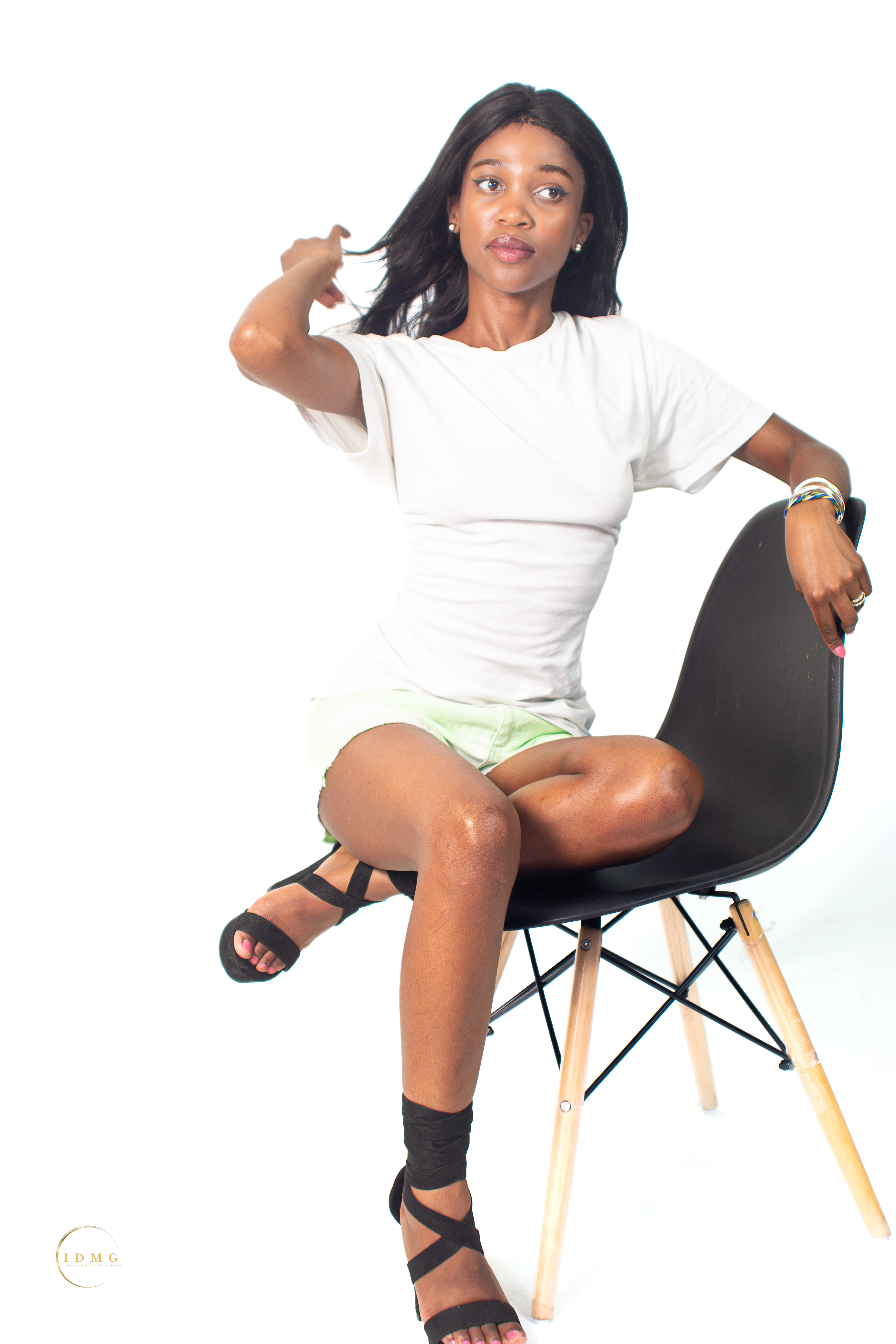
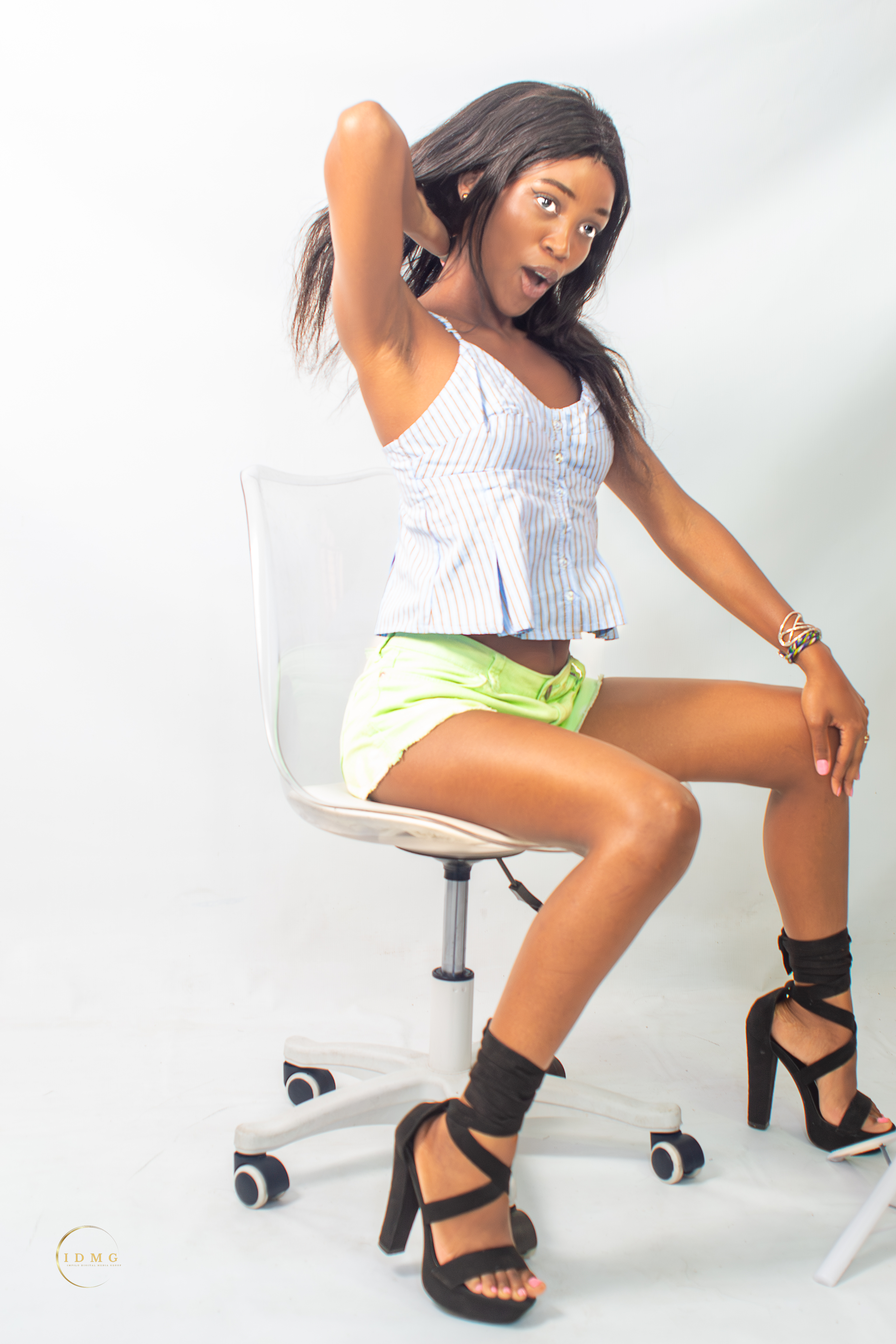
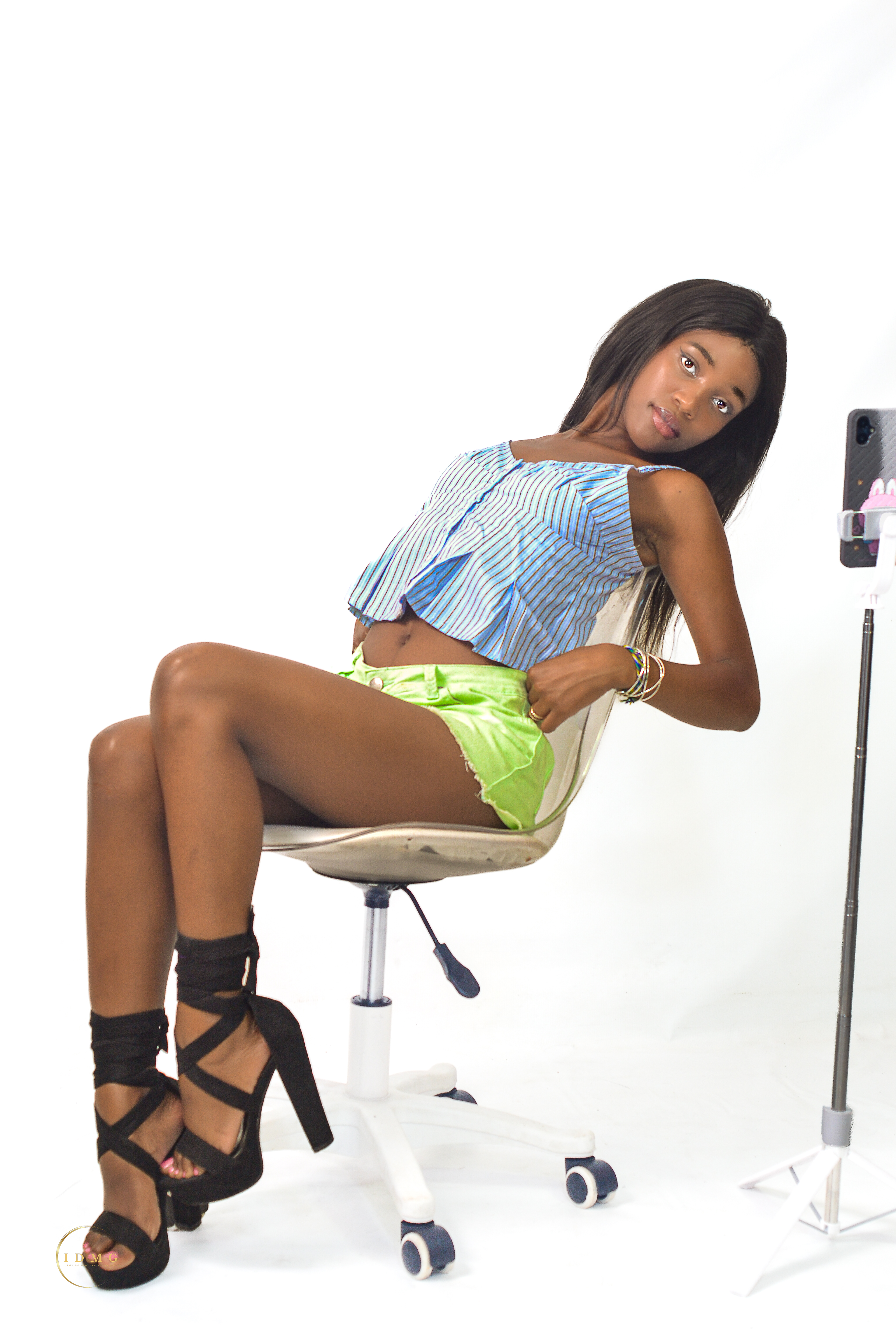
Kaylle Precious Monry, a 19-year-old commercial and fashion model born and raised in Johannesburg, South Africa. From an early stage in my journey, I discovered a strong connection to the runway — a space where confidence, presence, and self-expression come together.
I pride myself on owning every runway with a captivating presence that is both poised and powerful. Modeling, for me, is not only about appearance — it is about energy, discipline, and the ability to translate emotion through movement and stillness.
Adaptability is one of my strongest qualities. I am comfortable working under pressure, handling last-minute shoots, and performing in unpredictable environments — including challenging weather conditions. I approach every project with professionalism, focus, and a solution-driven mindset.
Beyond the camera, I value relationships. I actively build strong connections with clients, photographers, creative teams, and fellow models, understanding that collaboration and trust are essential in this industry.
Inspired by industry icons like Alex Consani and Anok Yai, Kaylle approaches modeling not just as a career, but as a medium for self-expression and storytelling. Their influence has instilled in her confidence and an effortless style that captivates audiences with every appearance.
My work is defined by versatility and presence. I bring a unique balance of elegance and edge to every project I undertake — whether on the runway, in editorial settings, or within commercial campaigns. Each opportunity is a chance to grow, refine my craft, and elevate the story being told.




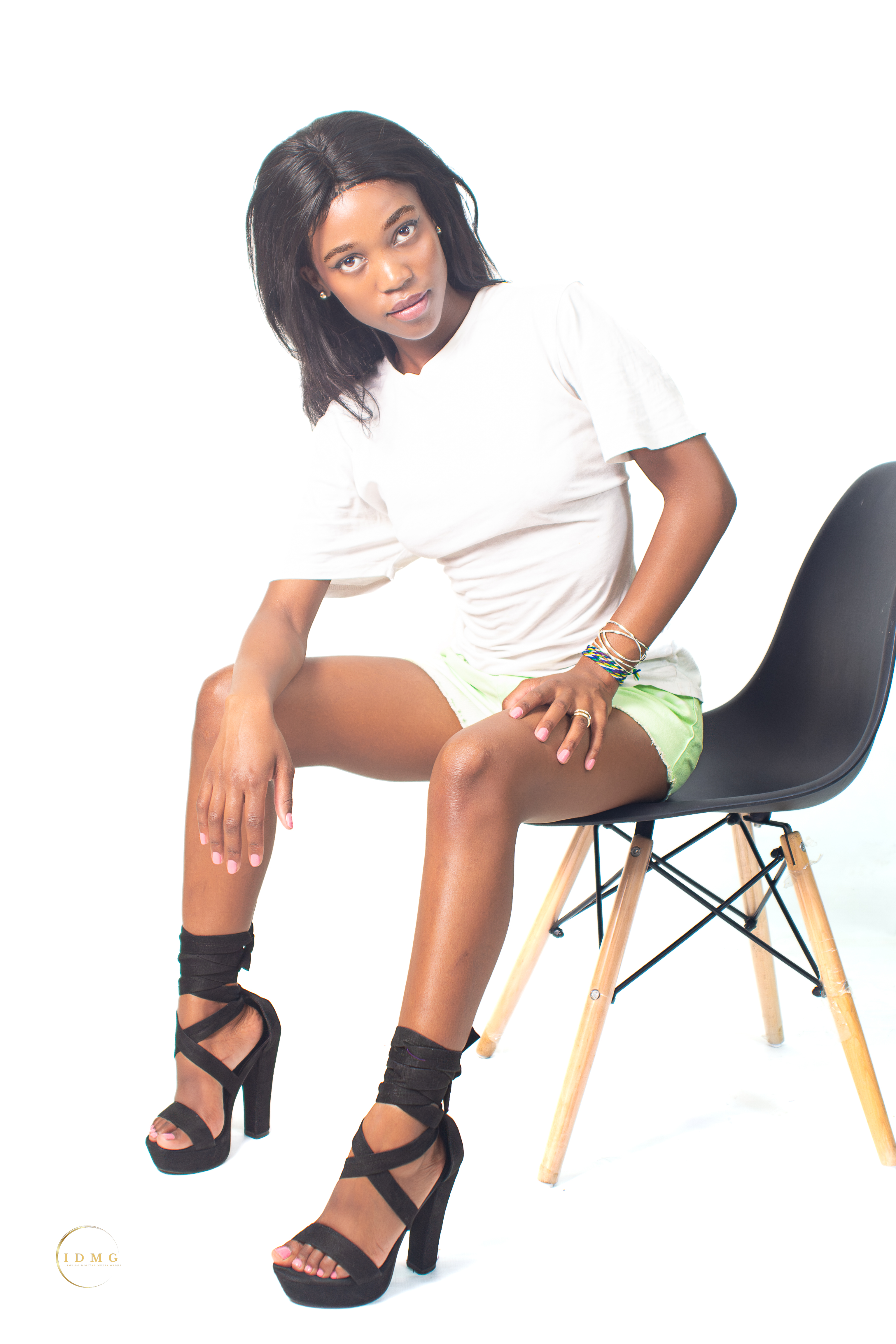


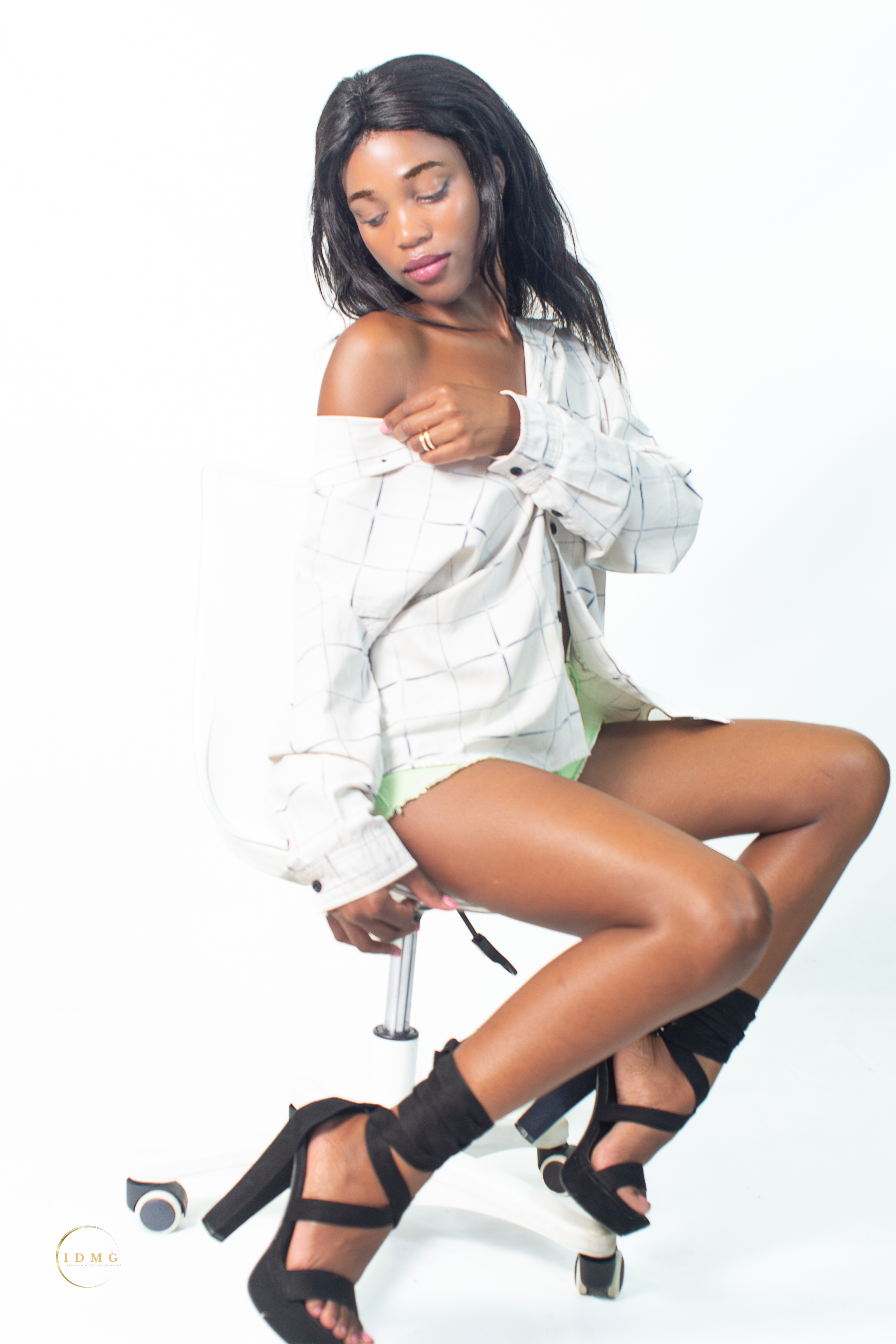
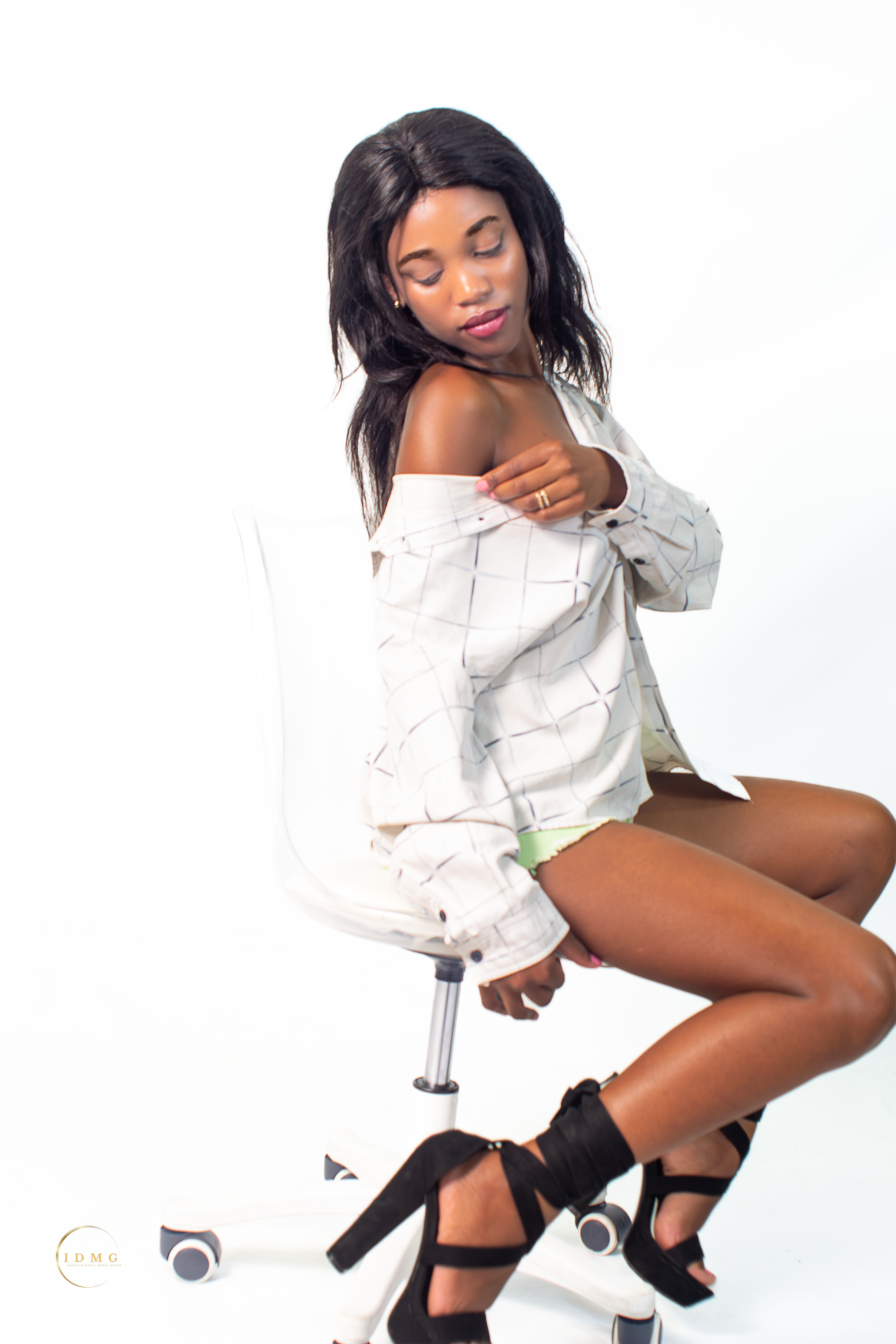



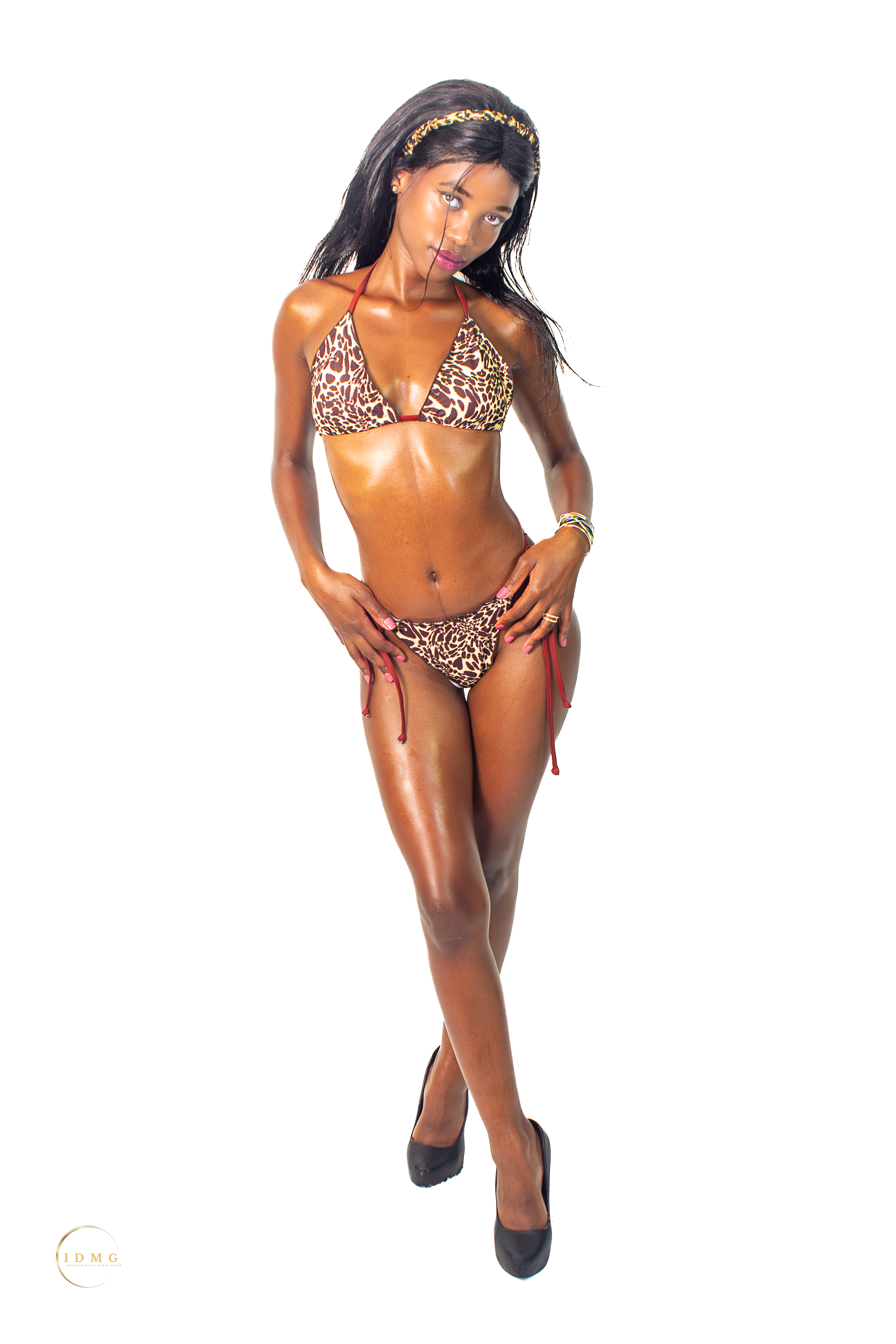

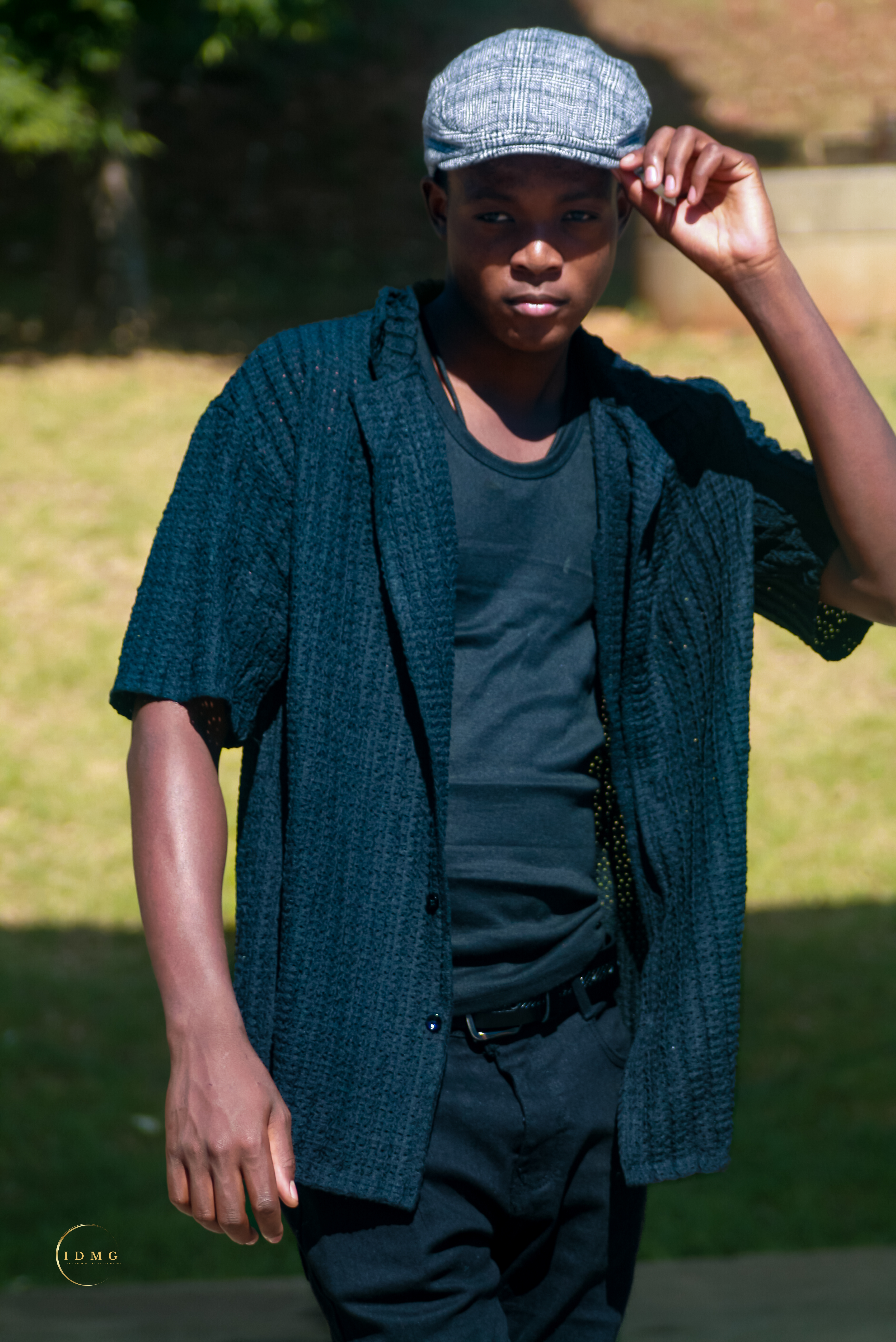
Brandon Sindiso Mazula, a Johannesburg-based model working across fashion, runway, commercial, and editorial spaces within the South African creative industry.
With over two years of experience, I bring a commanding presence to every set and catwalk — defined by confidence, intention, and an expressive face that translates emotion into imagery.
“Presence turns movement into story.”
The runway is where my discipline and confidence come alive. I am recognised for a strong, controlled stride that commands attention while maintaining elegance and precision.
Each walk is approached as performance — measured, expressive, and grounded in storytelling through movement.
Beyond the camera, I am deeply passionate about acting and fashion design. These disciplines allow me to merge creativity with performance, expanding my understanding of storytelling beyond a single medium.
My long-term vision is to build a multifaceted career that bridges fashion, performance, and creative direction.
I see modeling as more than appearance — it is a platform for growth, discipline, and influence. Every project is an opportunity to evolve, refine, and push creative boundaries.
Driven, versatile, and always evolving, I aim to establish myself as not just a model, but a lasting creative force within fashion and entertainment.
“Growth begins when comfort ends.”
Based in Johannesburg, South Africa
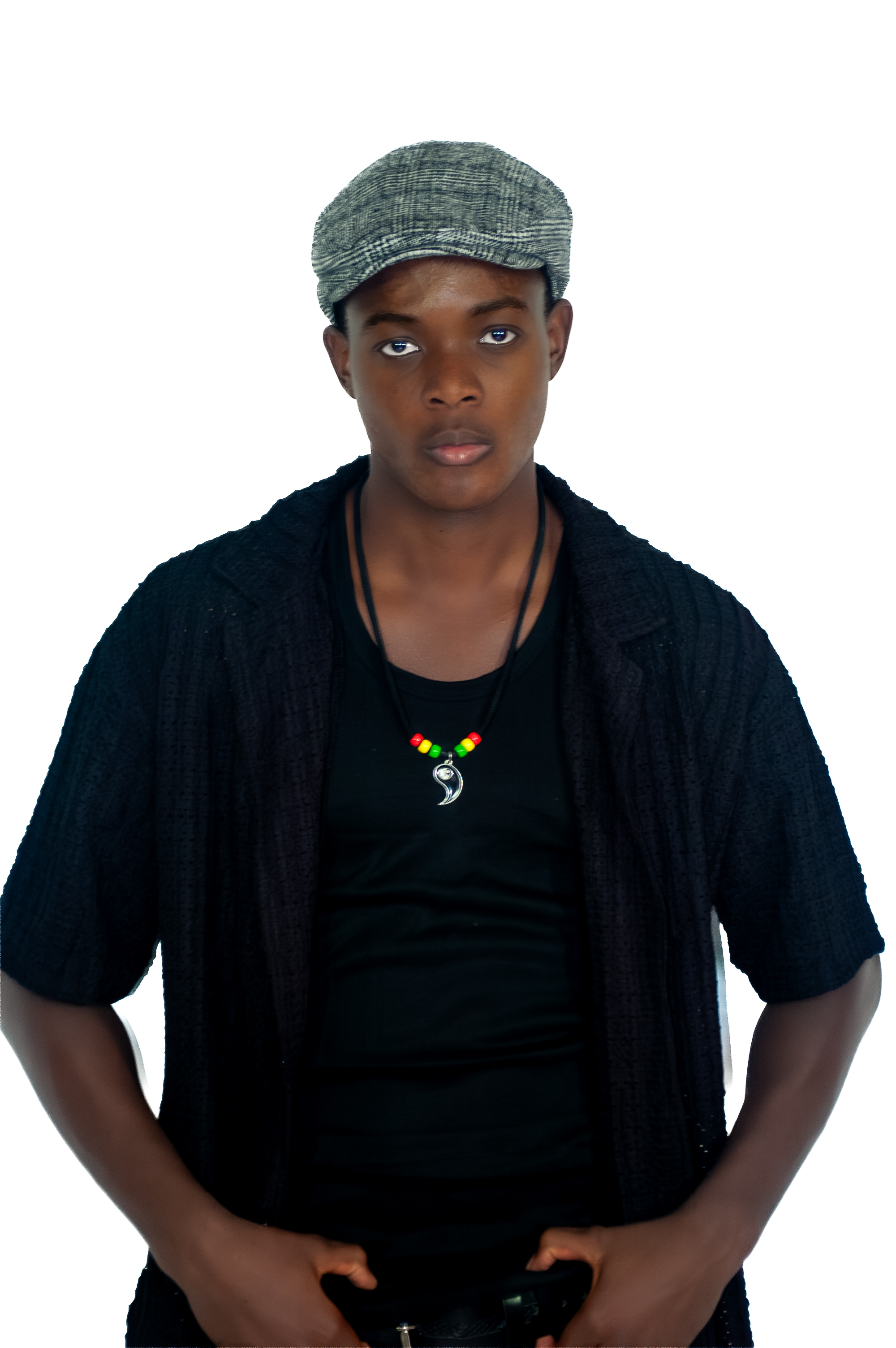

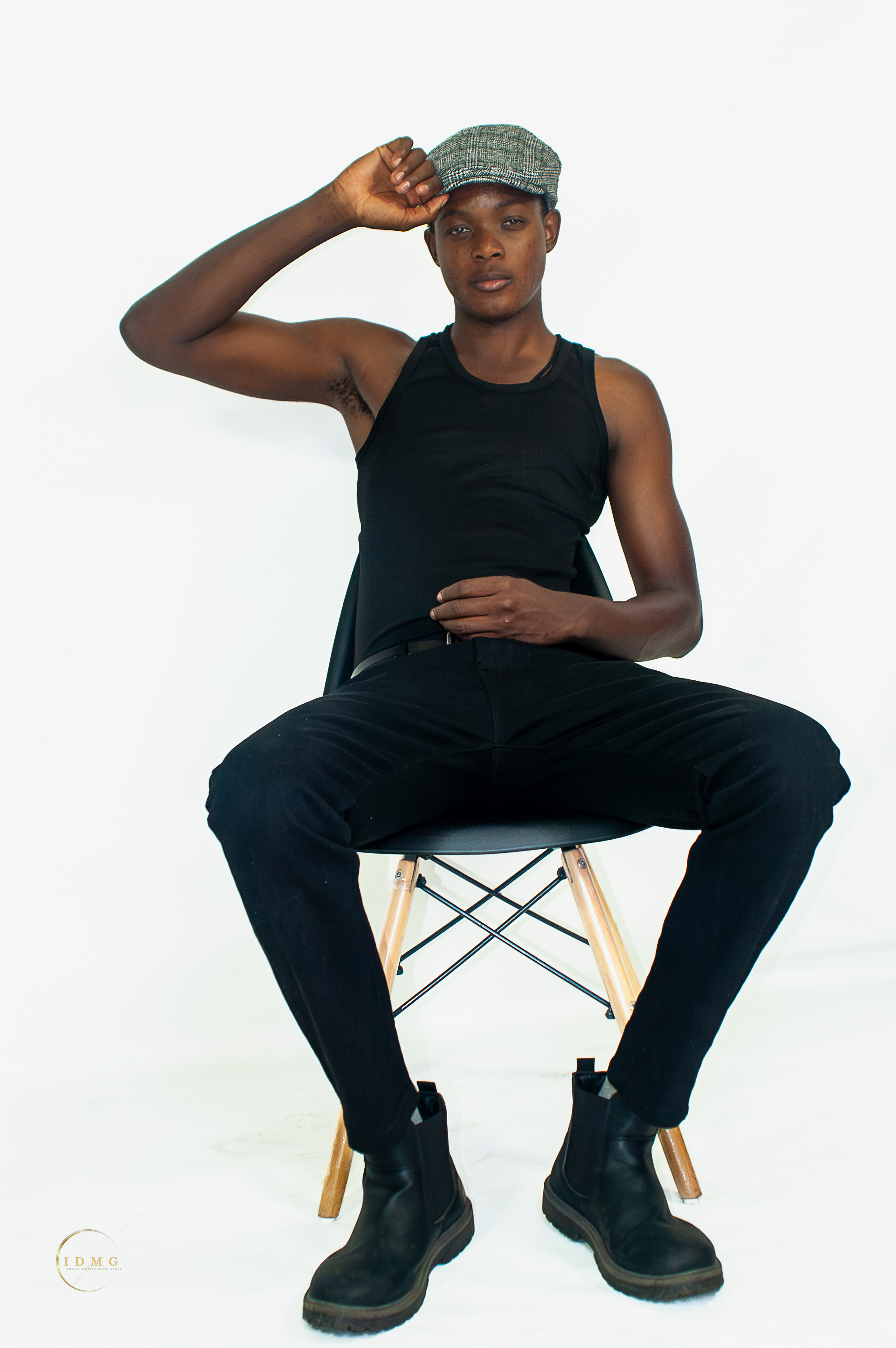
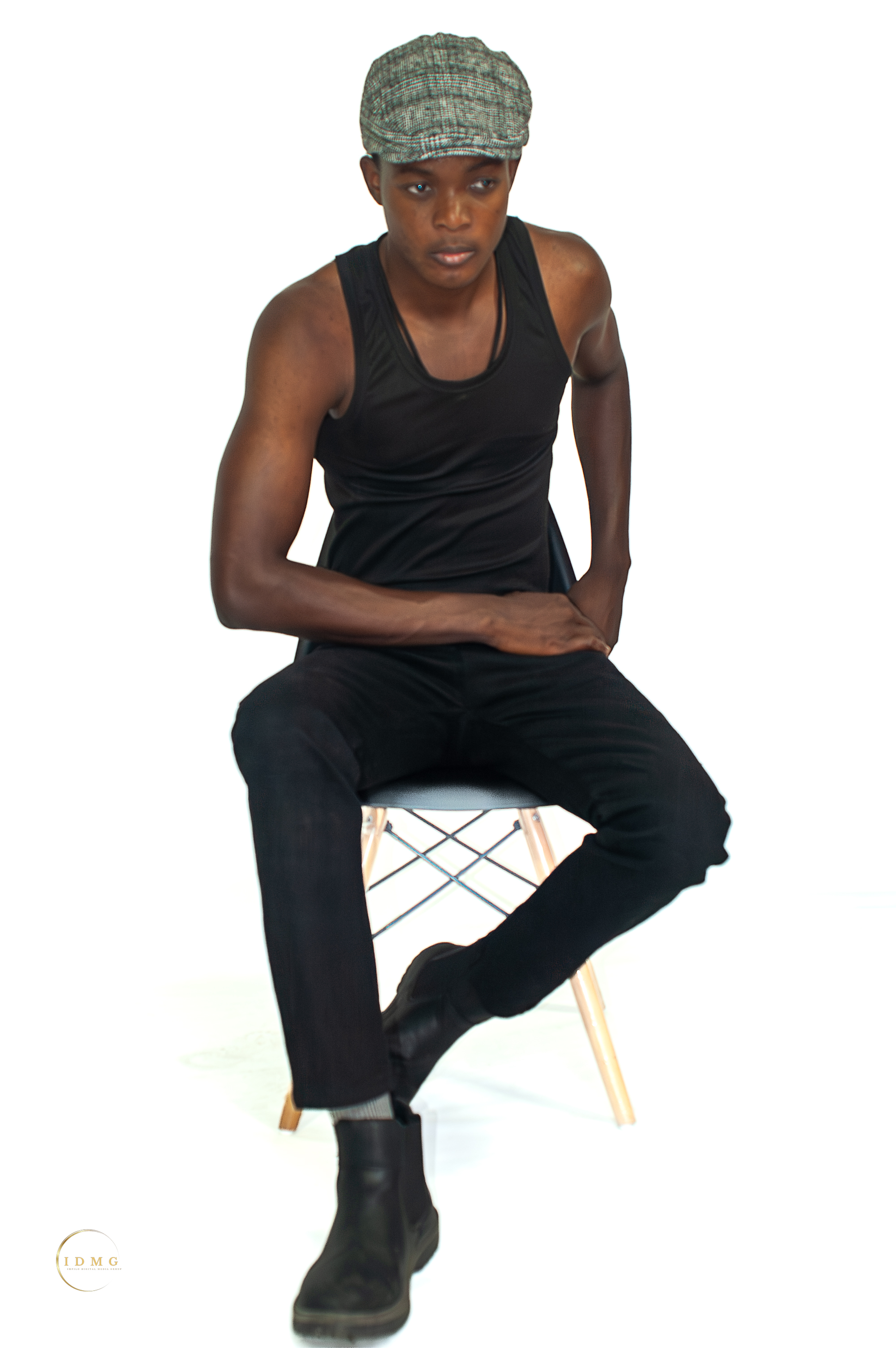
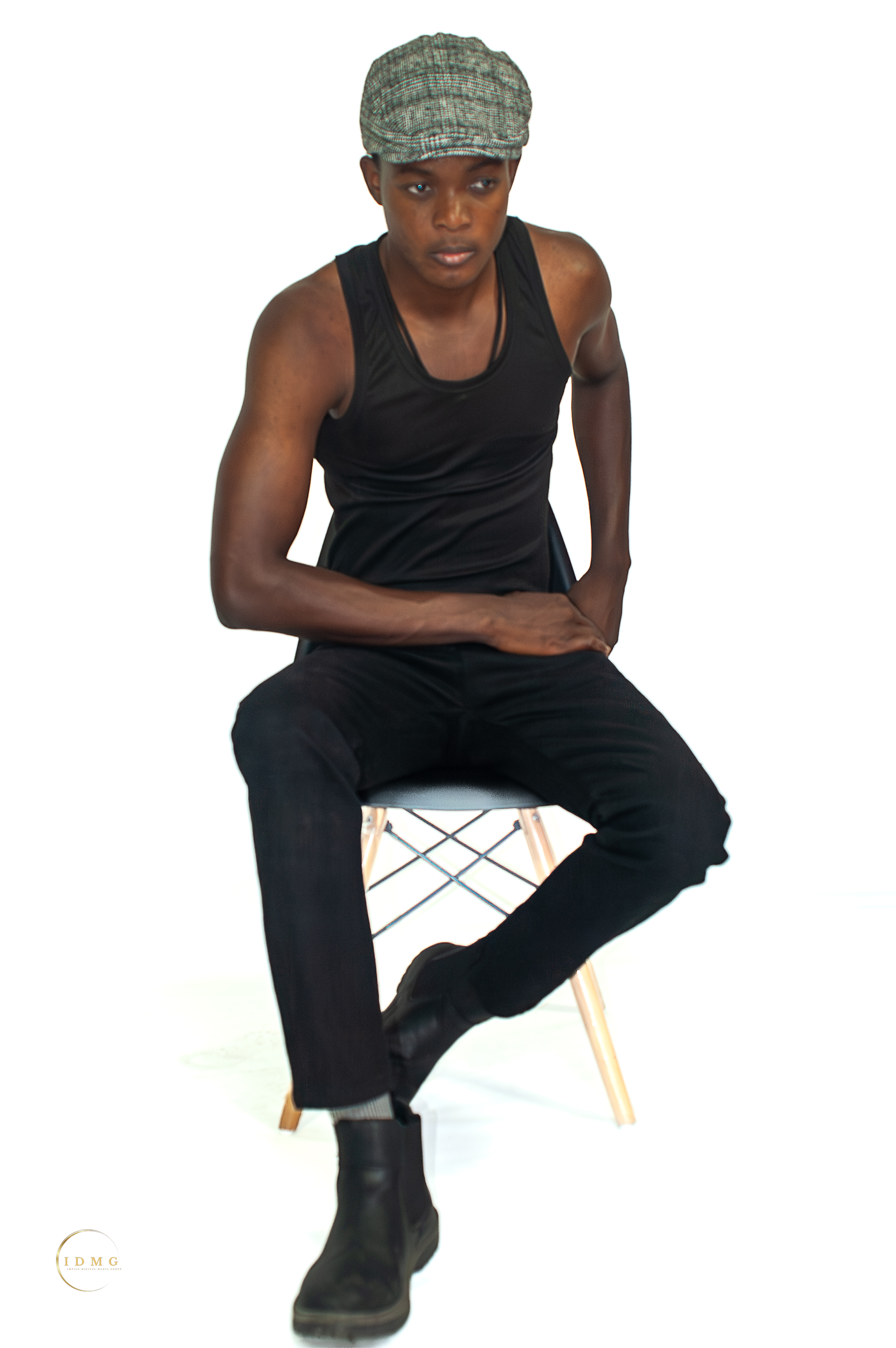
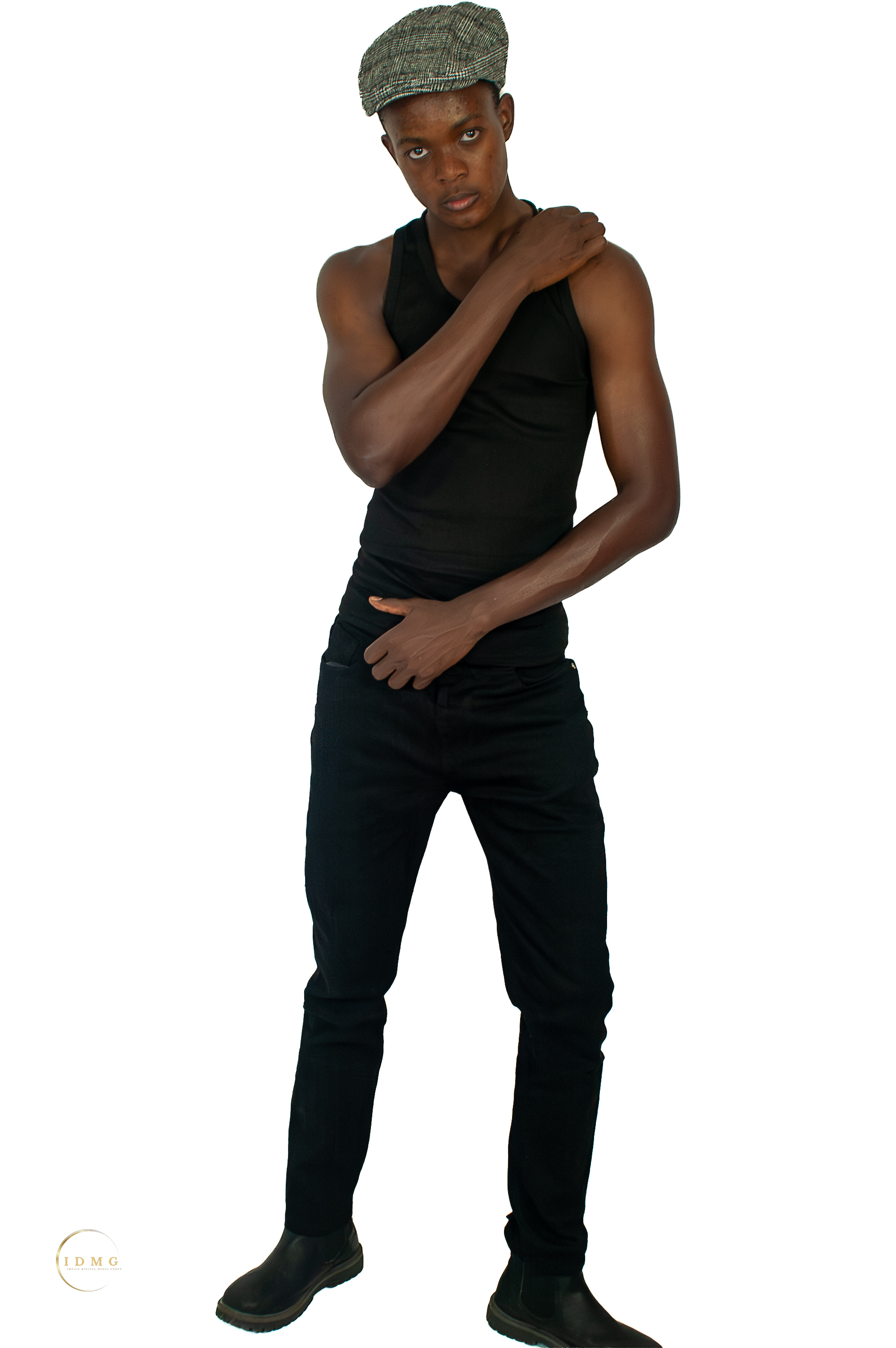
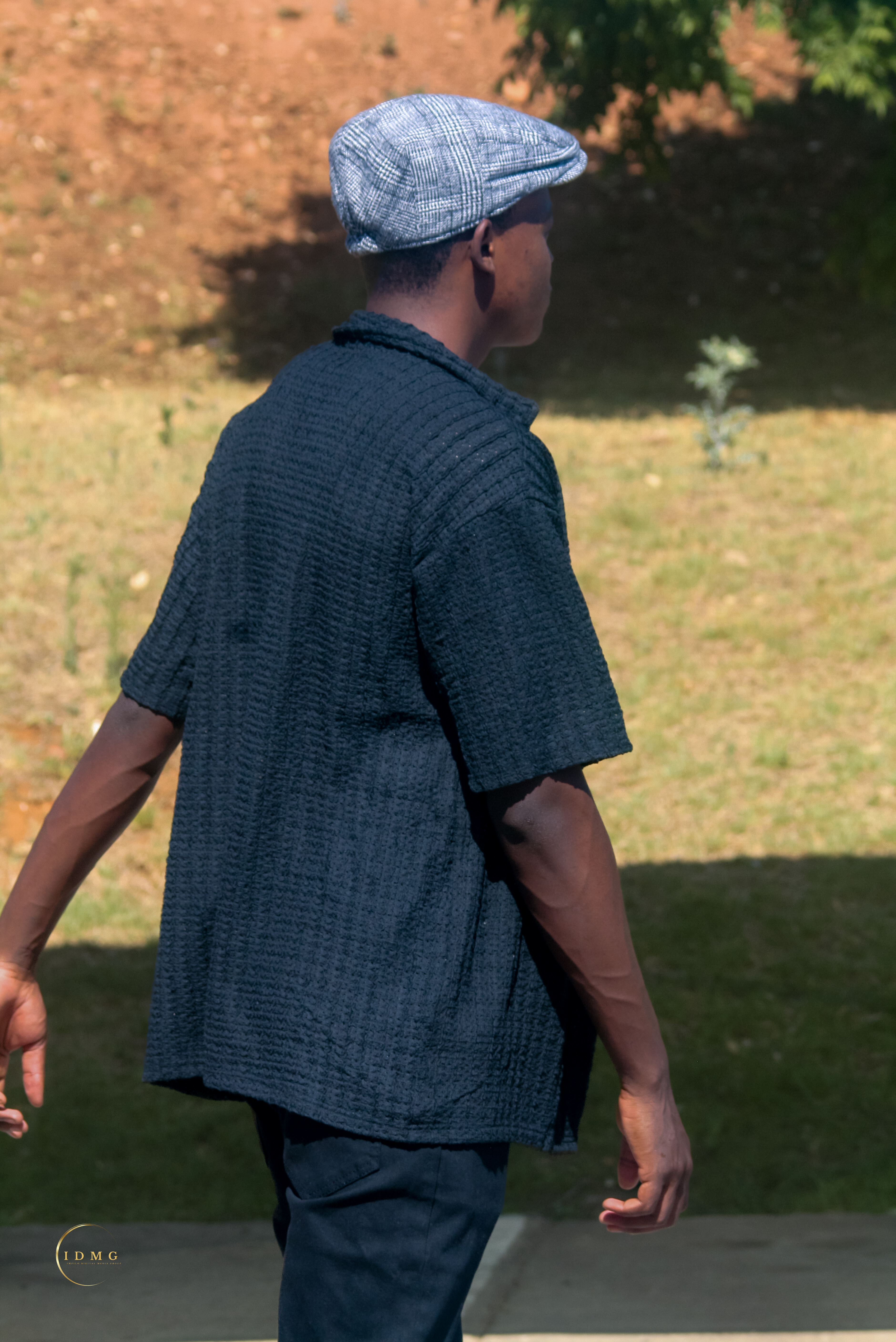
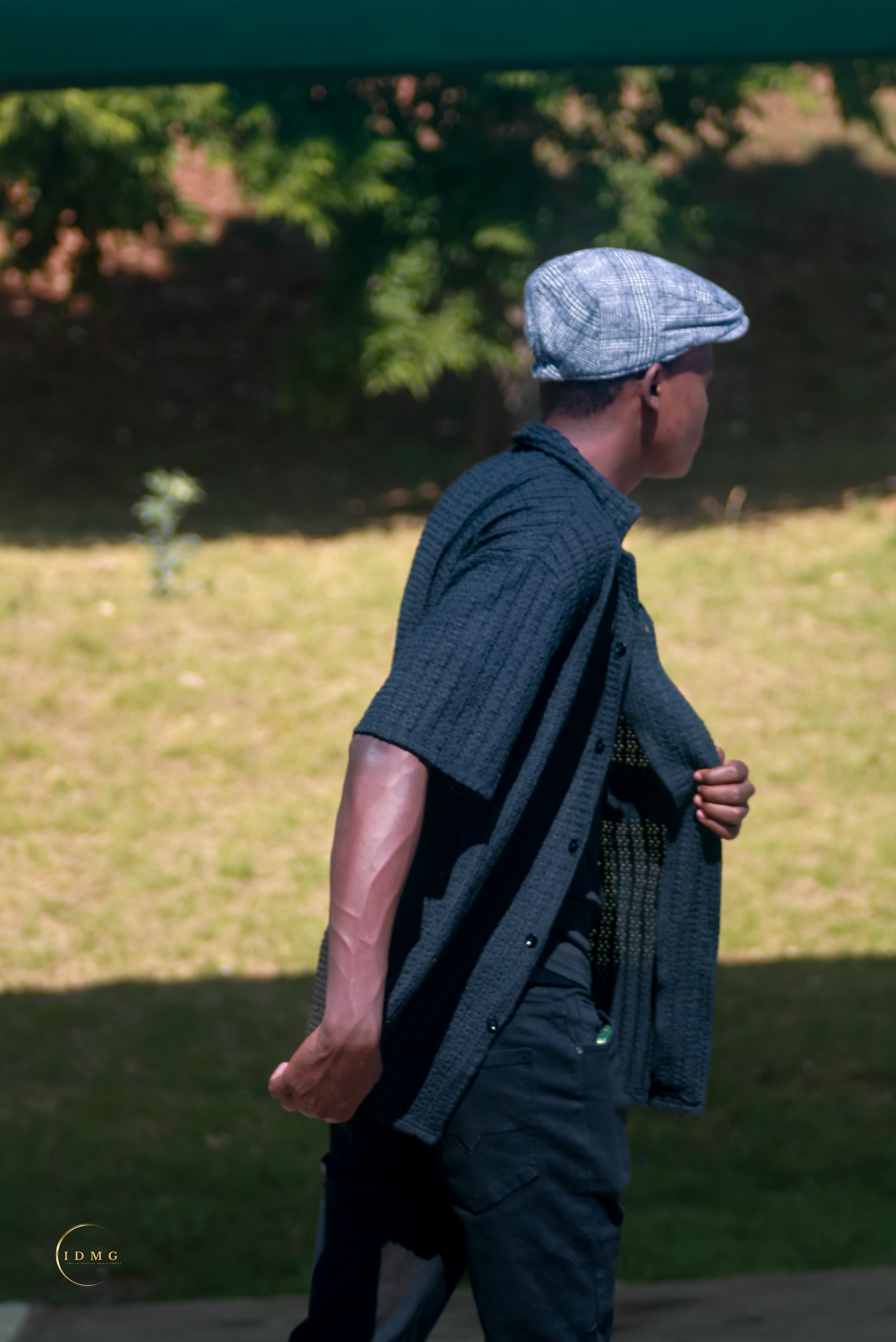
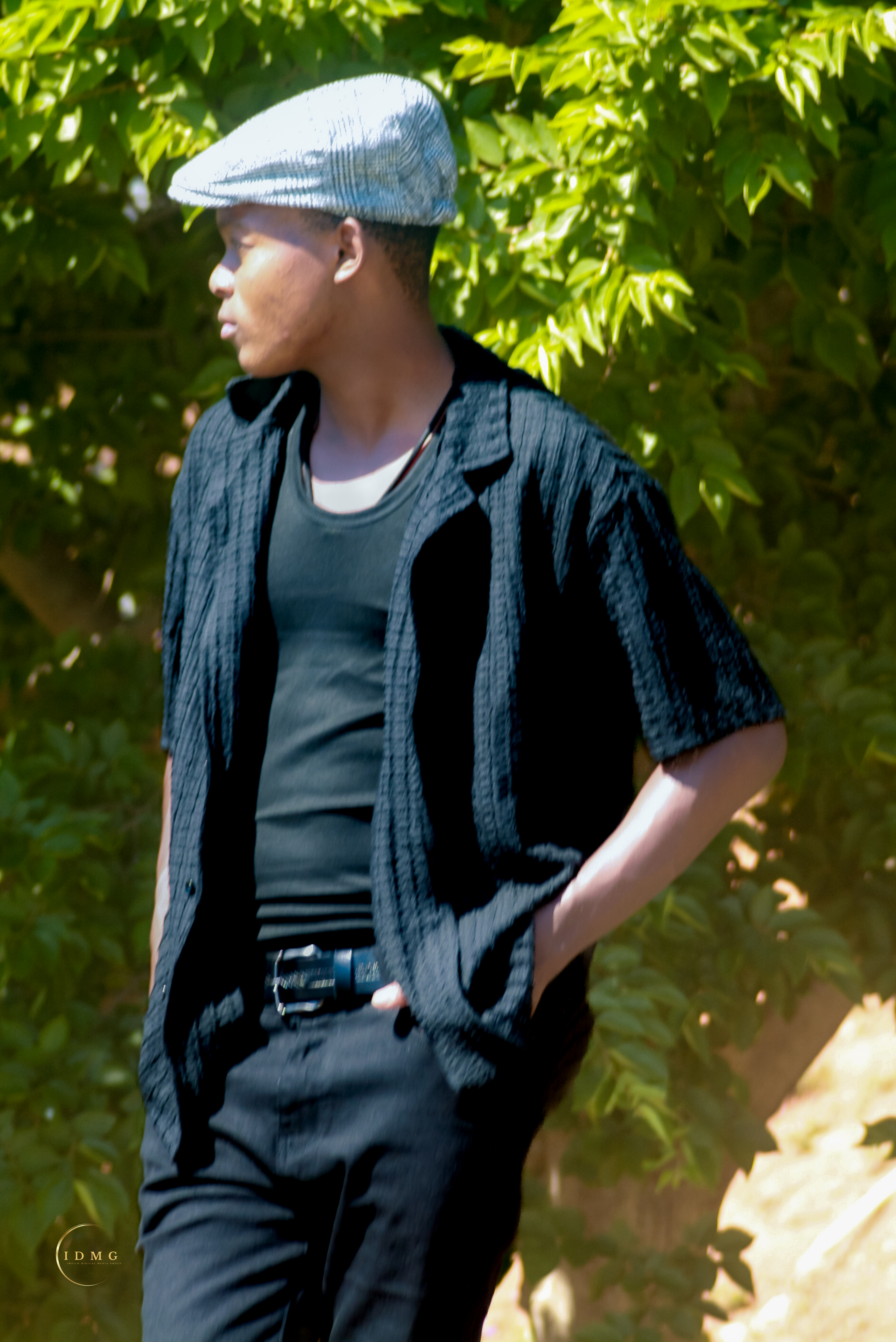
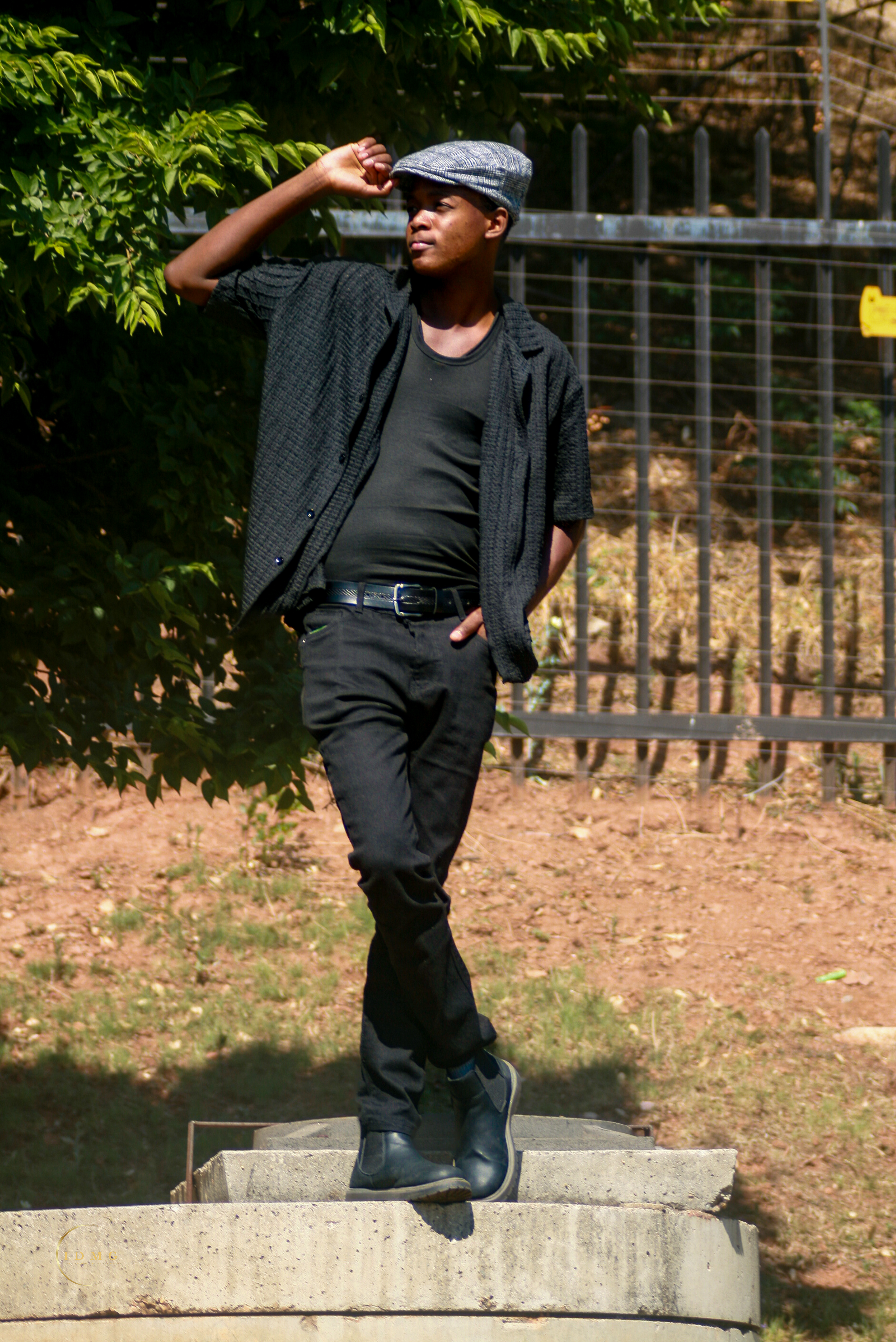
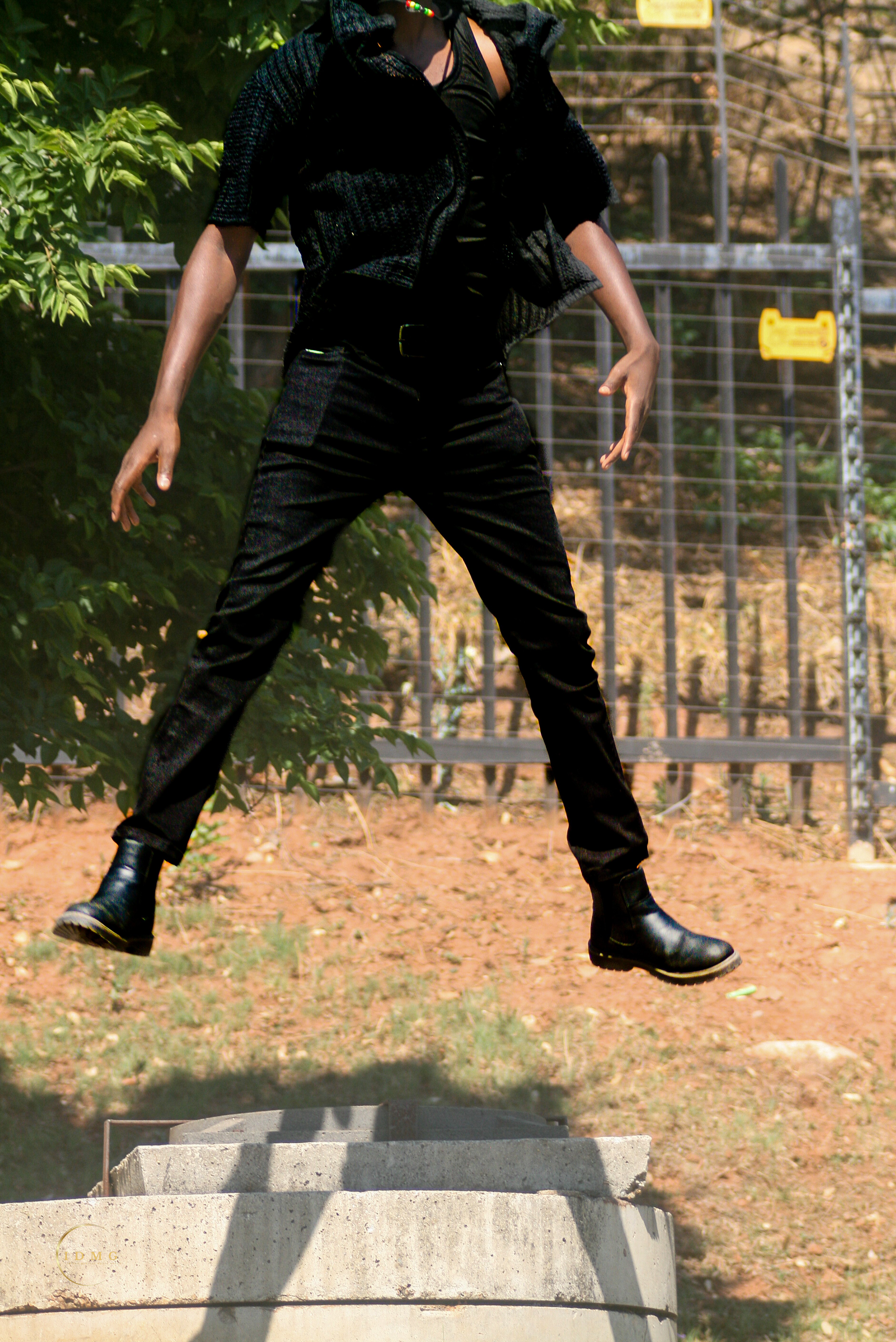
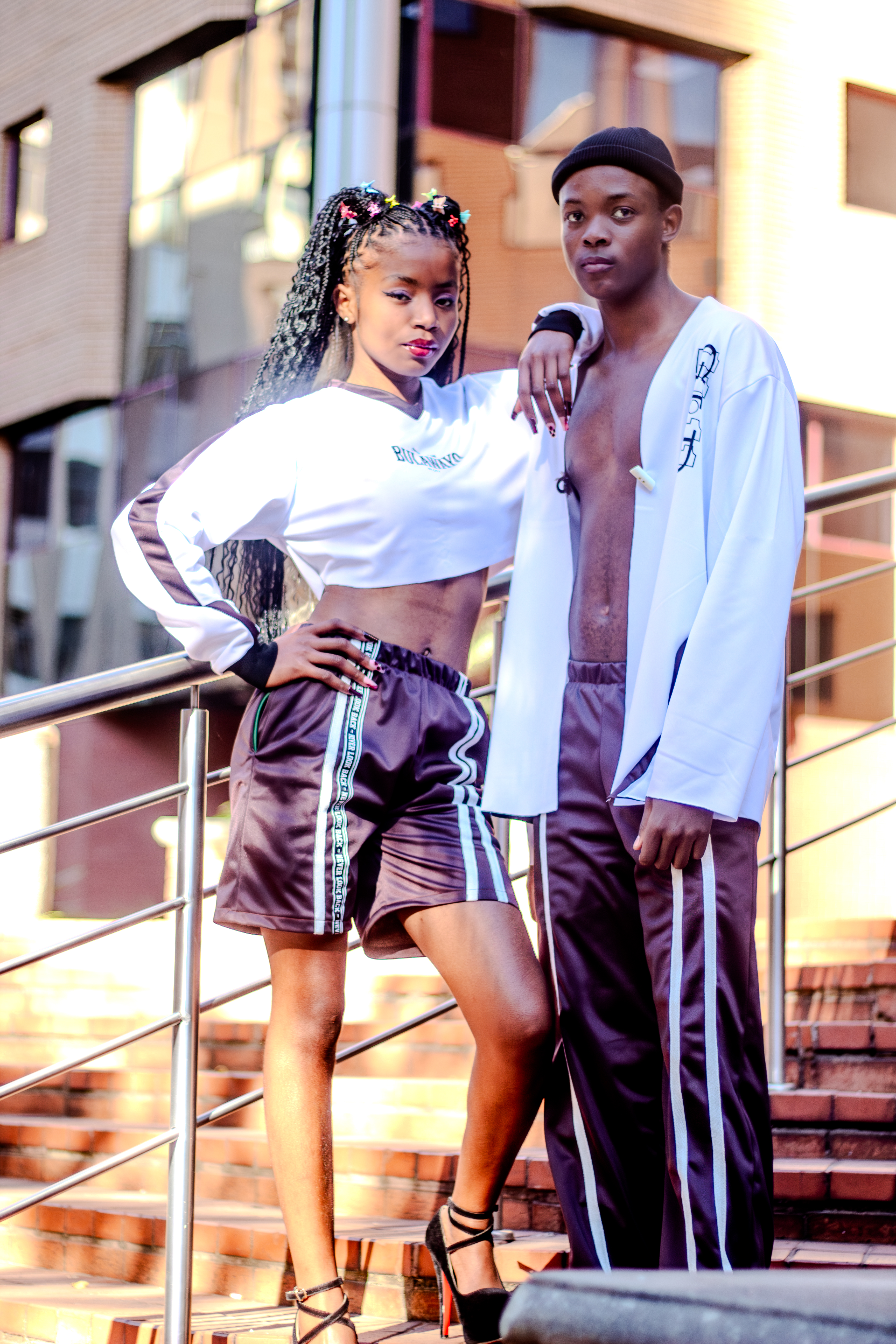
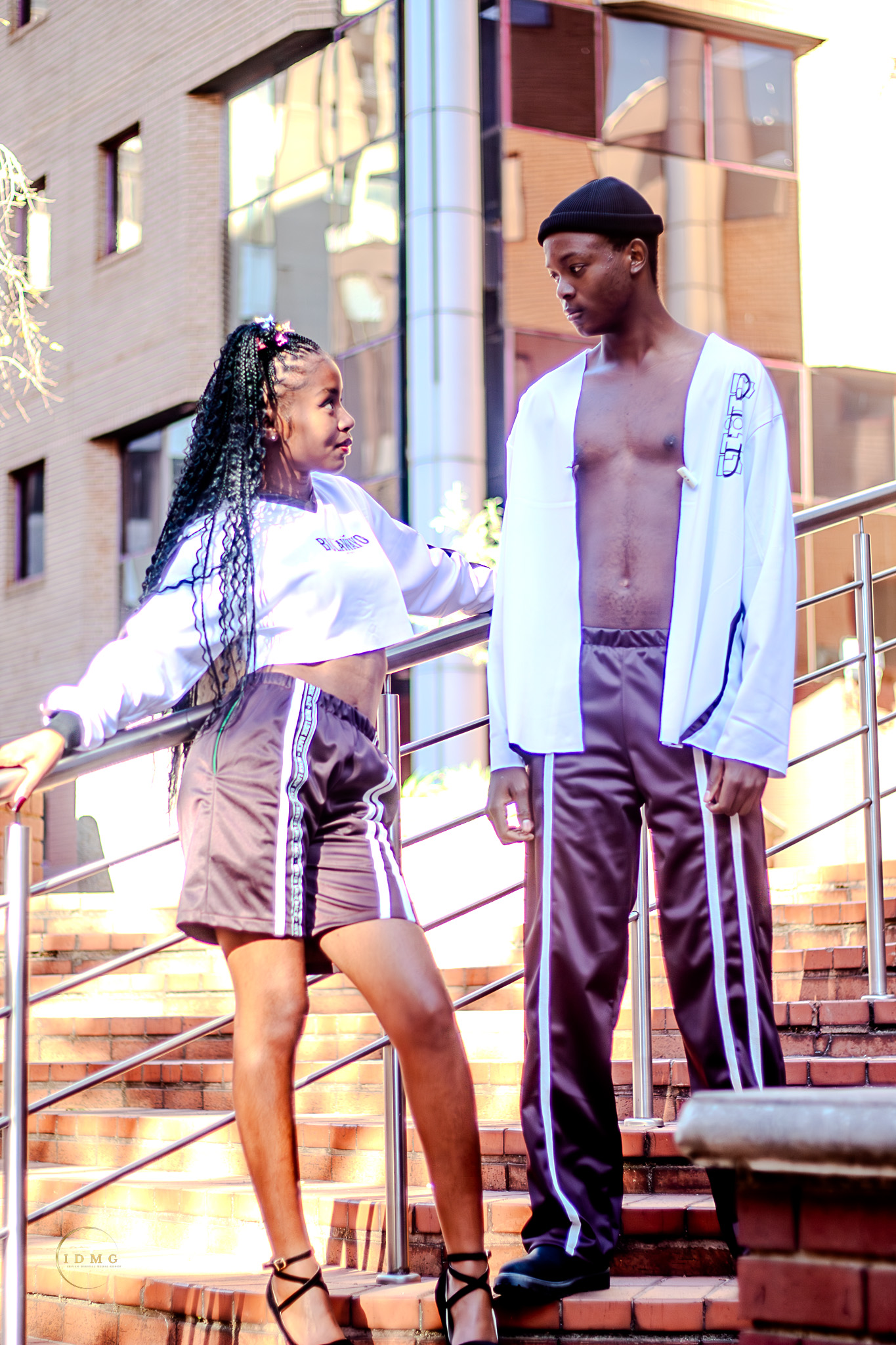
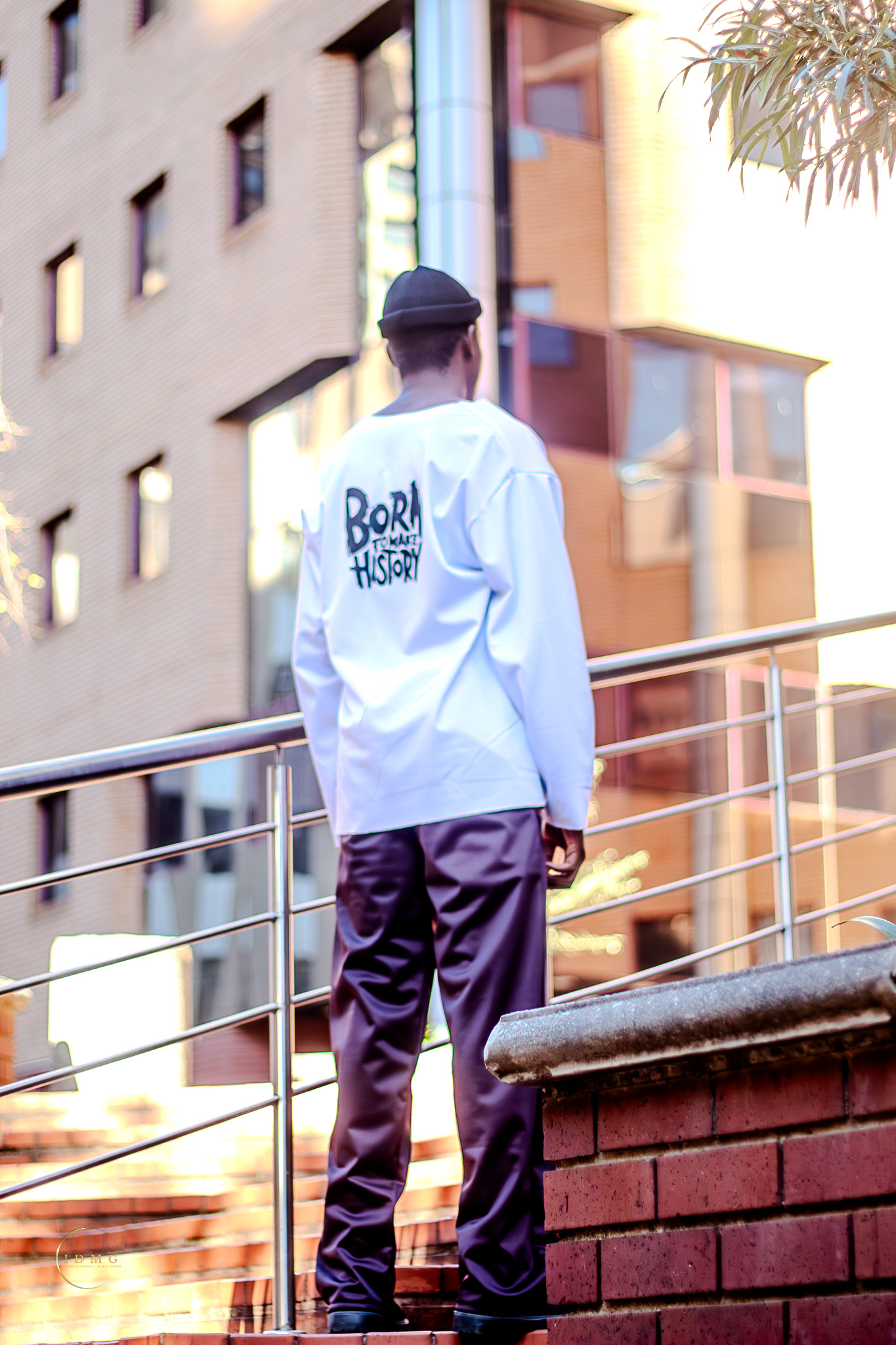
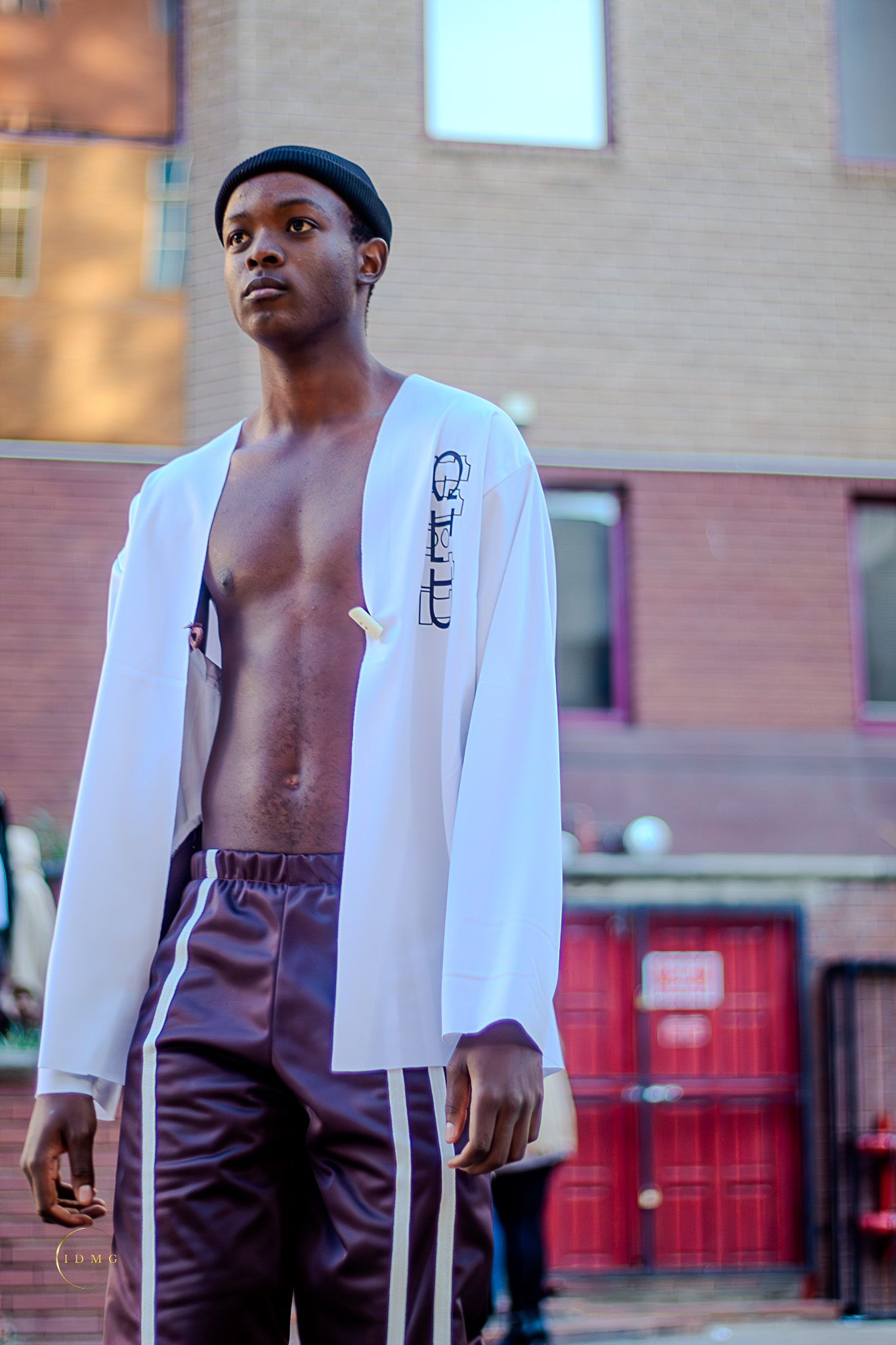
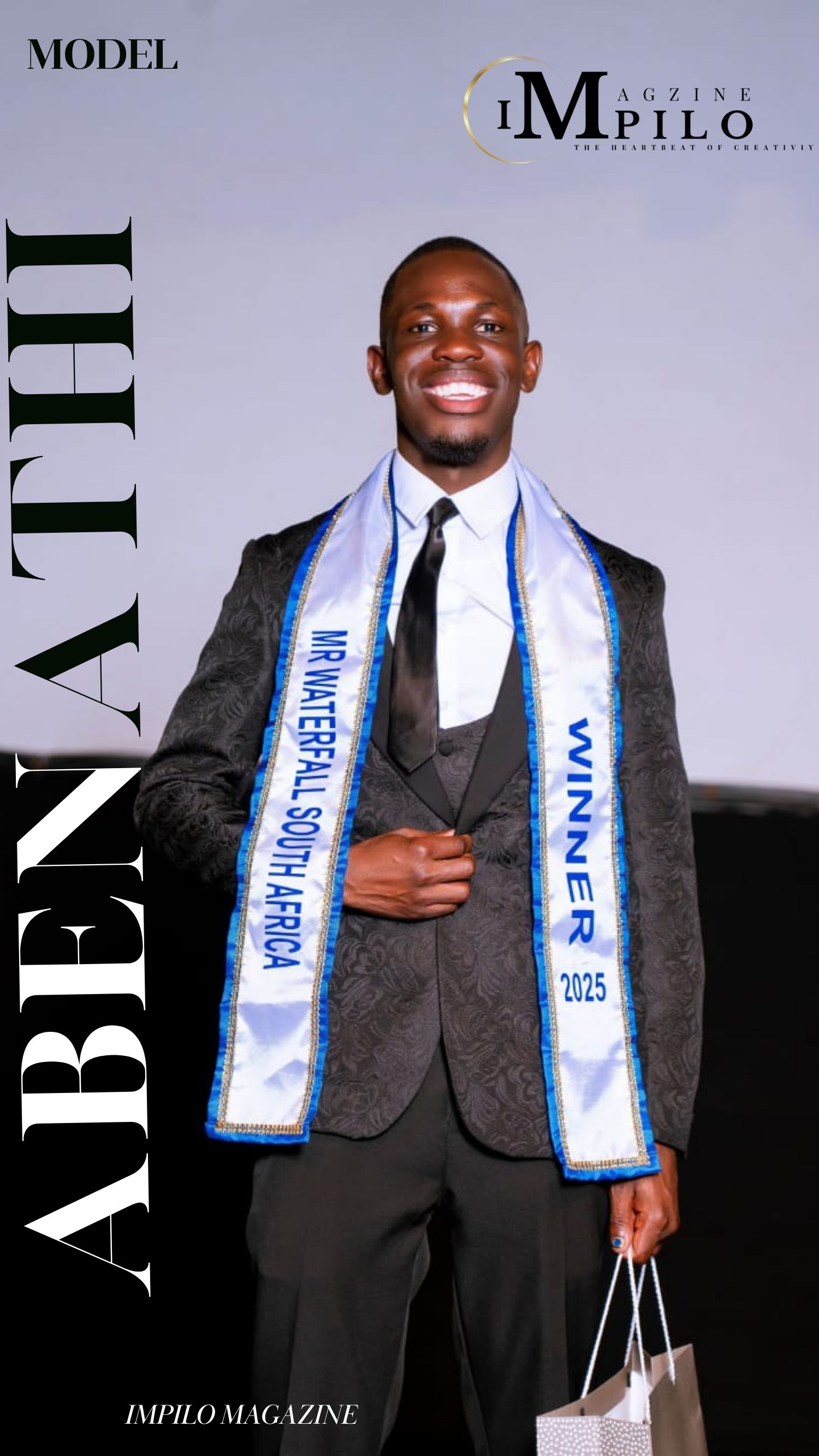
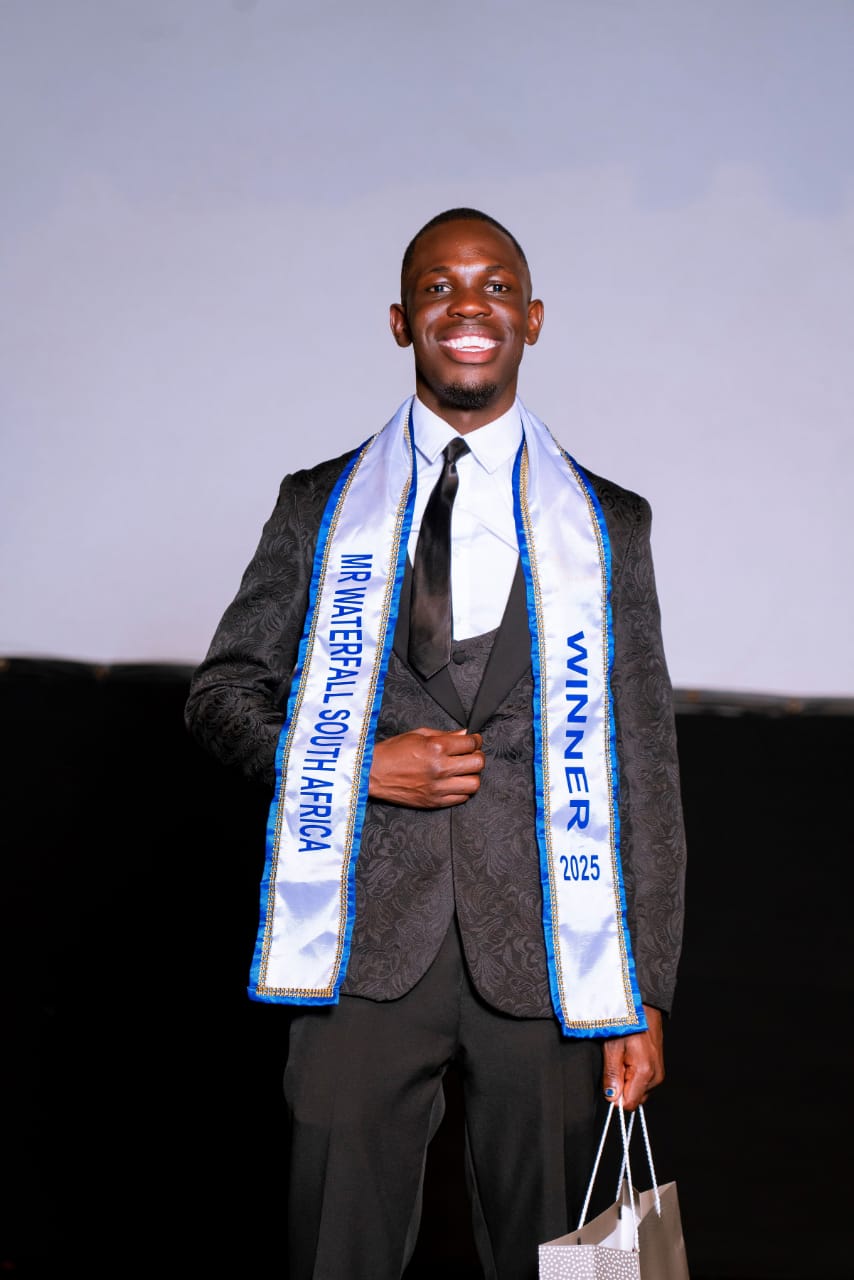
Abenathi Cawe is a 23-year-old creative professional born and raised in Johannesburg, Gauteng, with roots in the mountain valleys of Sterkspruit in the Eastern Cape.
I am currently studying towards a Bachelor of Arts in Environmental Management, balancing academic discipline with a passion for creative expression across fashion, media, and leadership.
“Purpose gives confidence direction.”
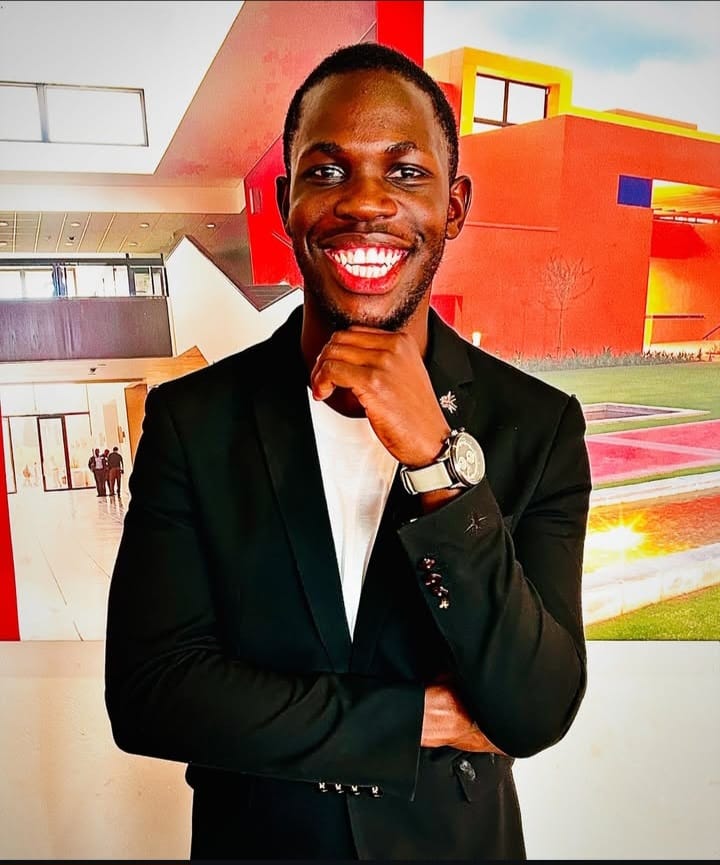
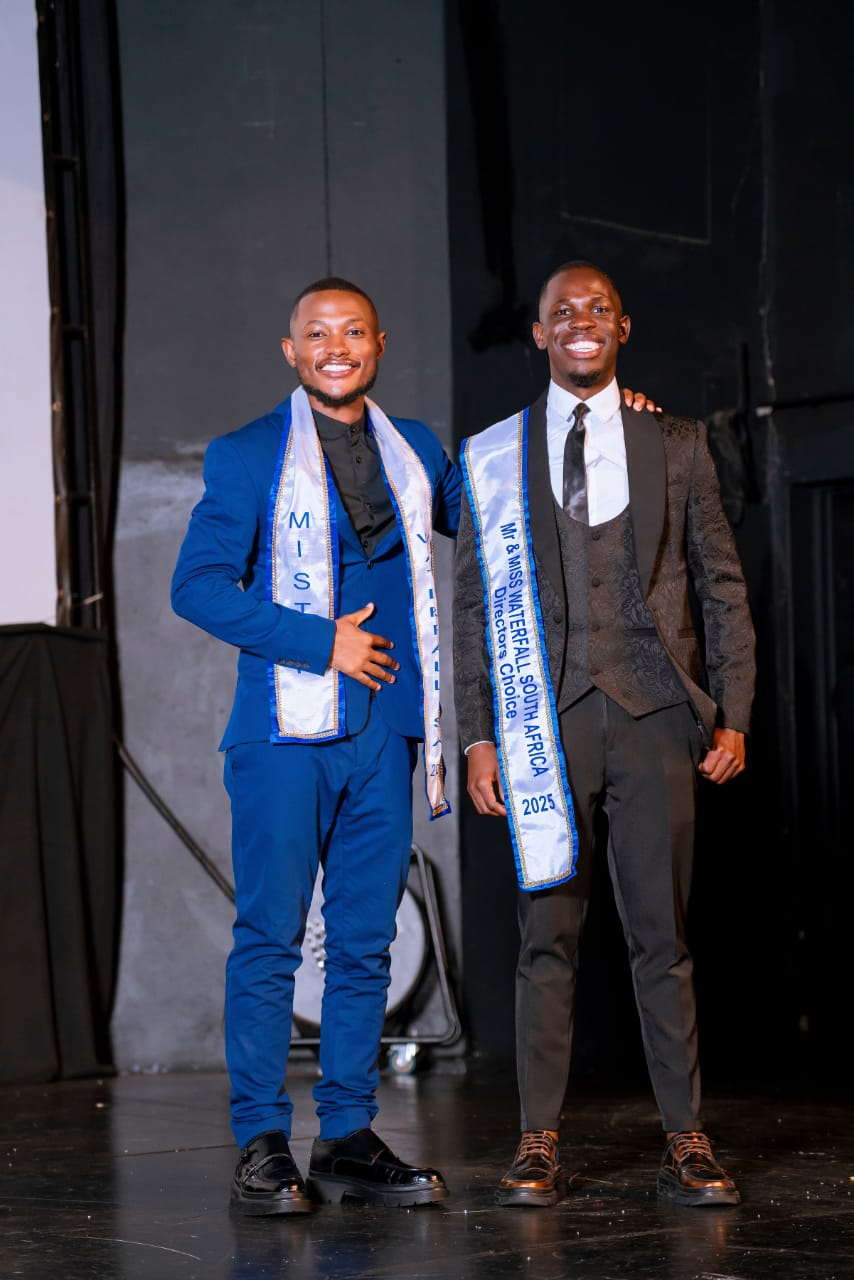
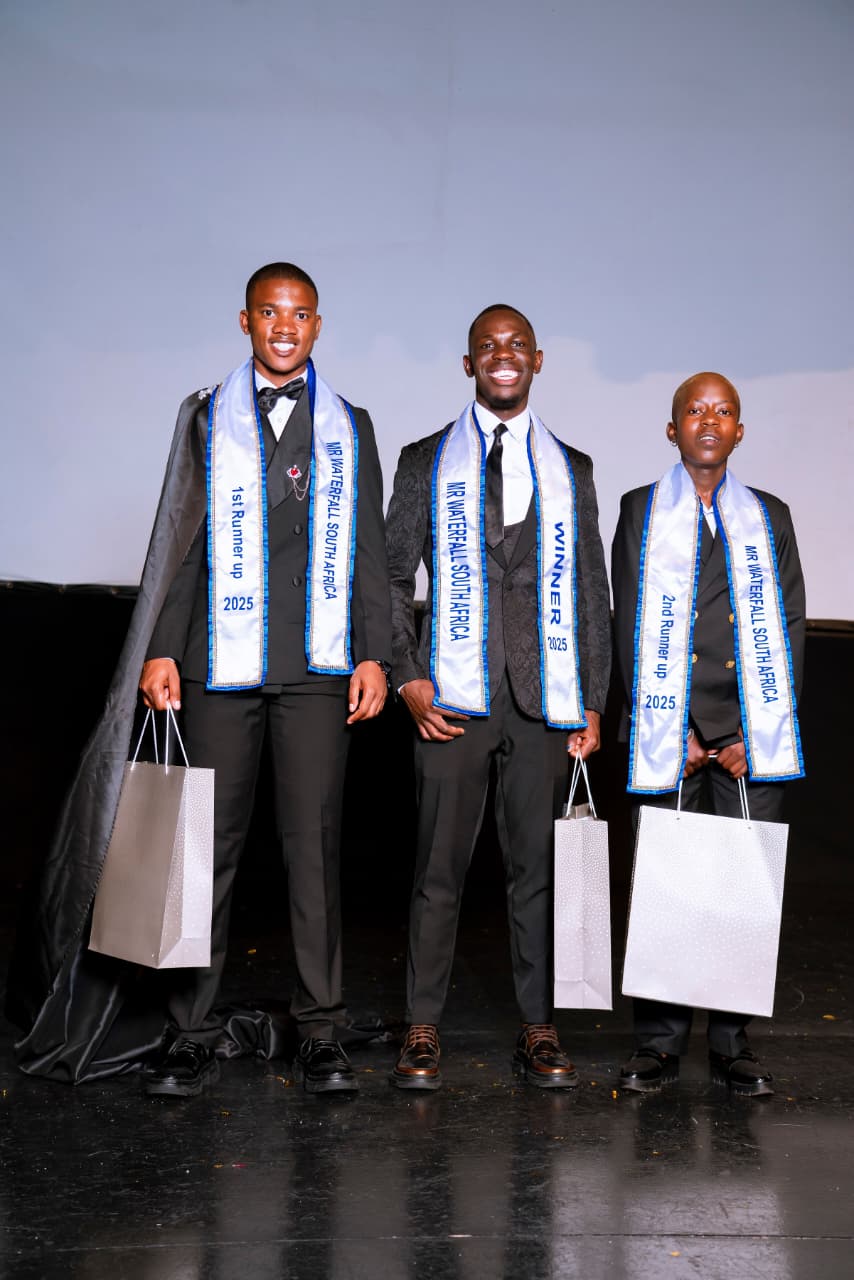
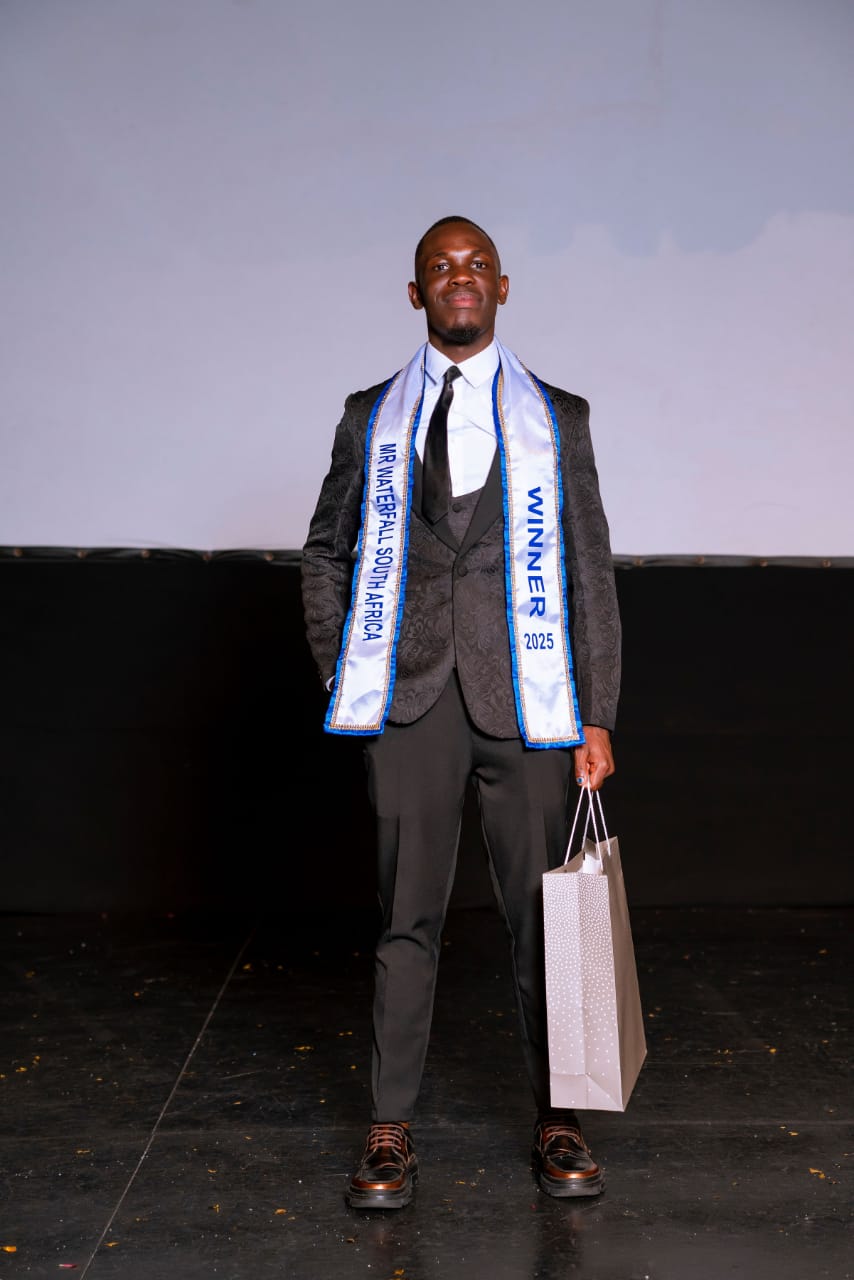
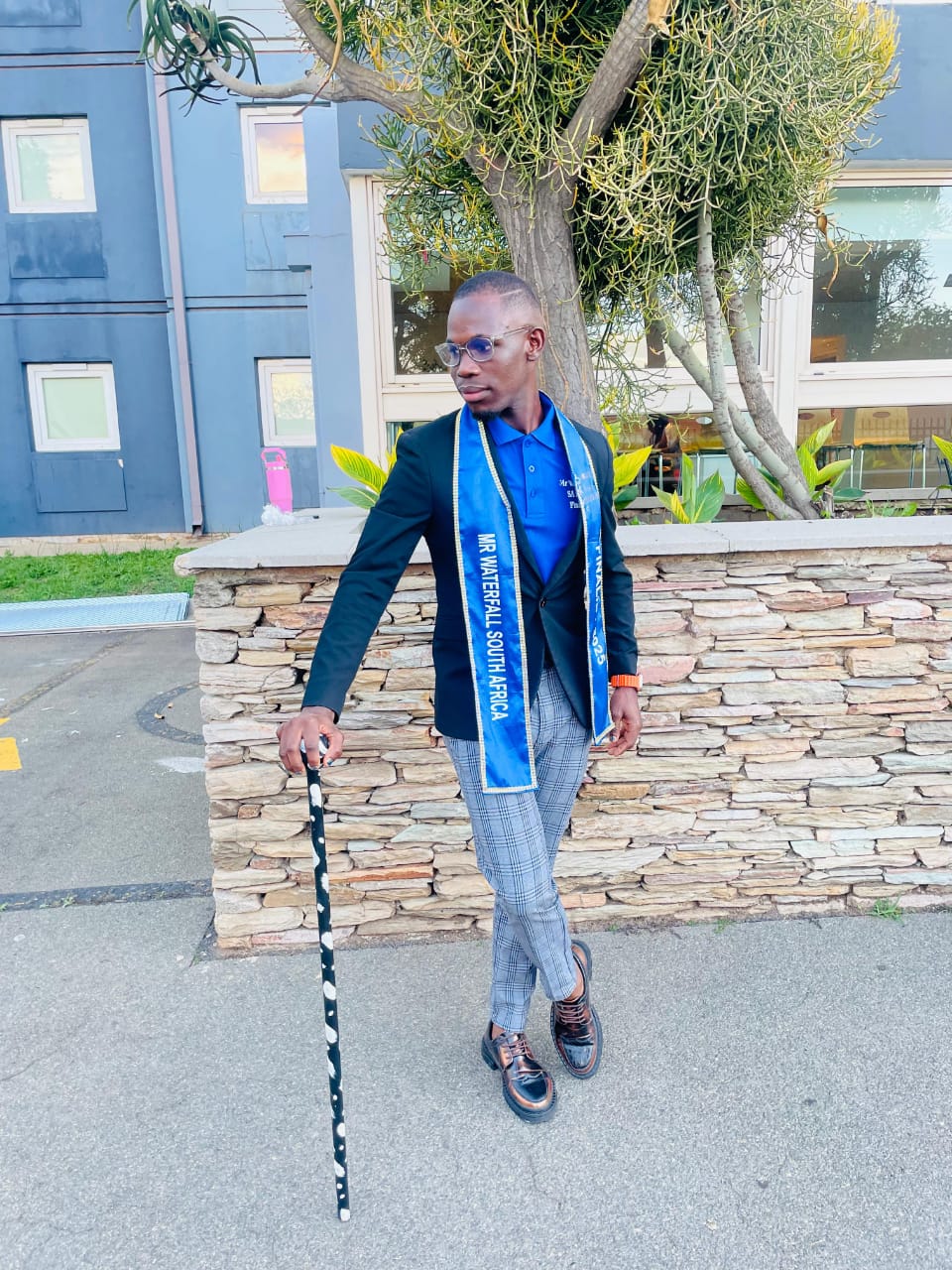
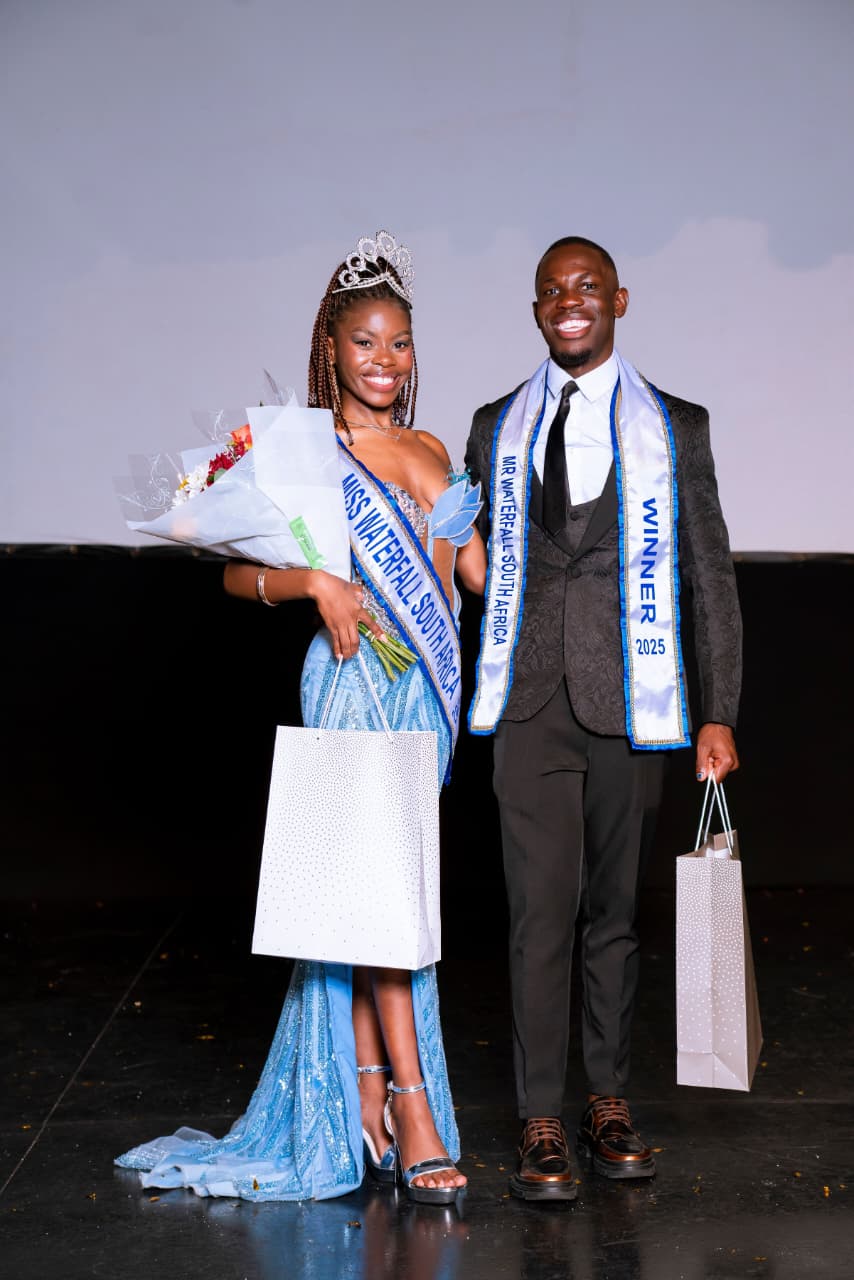
My modeling journey is deeply rooted in pageantry and runway excellence. I hold the title of Mr Royal Xtremes 2024 King, and I was recently crowned Mr Waterfall South Africa 2025.
These platforms strengthened my confidence, leadership skills, and ability to communicate purpose beyond appearance.
As a runway model, I have featured in the Jozi Exclusive Fashion Show 2024 and the Fashion Parade 2025, both presented in collaboration with Impilo Magazine.
The runway is where discipline, storytelling, and presence merge — and where I feel most connected to my craft.
Beyond modeling, I am an upcoming television and radio presenter, a Master of Ceremonies, keynote speaker, and motivational speaker.
I had the honour of hosting the 4th Annual Mr & Miss Face of Xtremes 2025 Grand Finale, a defining moment in my journey as a communicator and leader.
I am the founder of a non-profit organisation, #Geleza Ntwana, focused on promoting positive leadership among young people, uplifting the boy child, and advancing environmental sustainability.
Through partnerships with organisations such as the Moeletsi Foundation, I strive to create meaningful change at community level.
“A man of faith, courage, integrity, and intelligence is not shaken by societal timelines — he is guided by purpose.”
Based in Johannesburg, South Africa
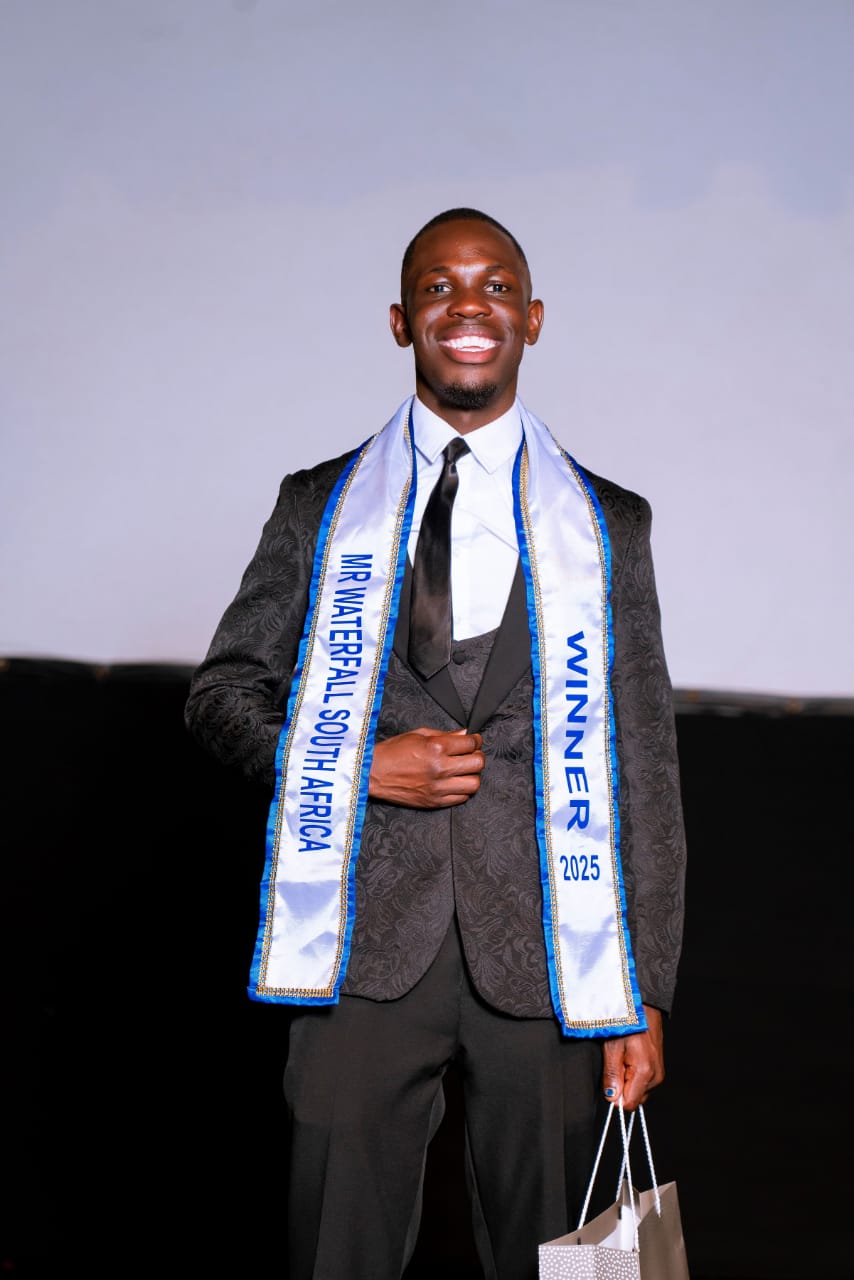
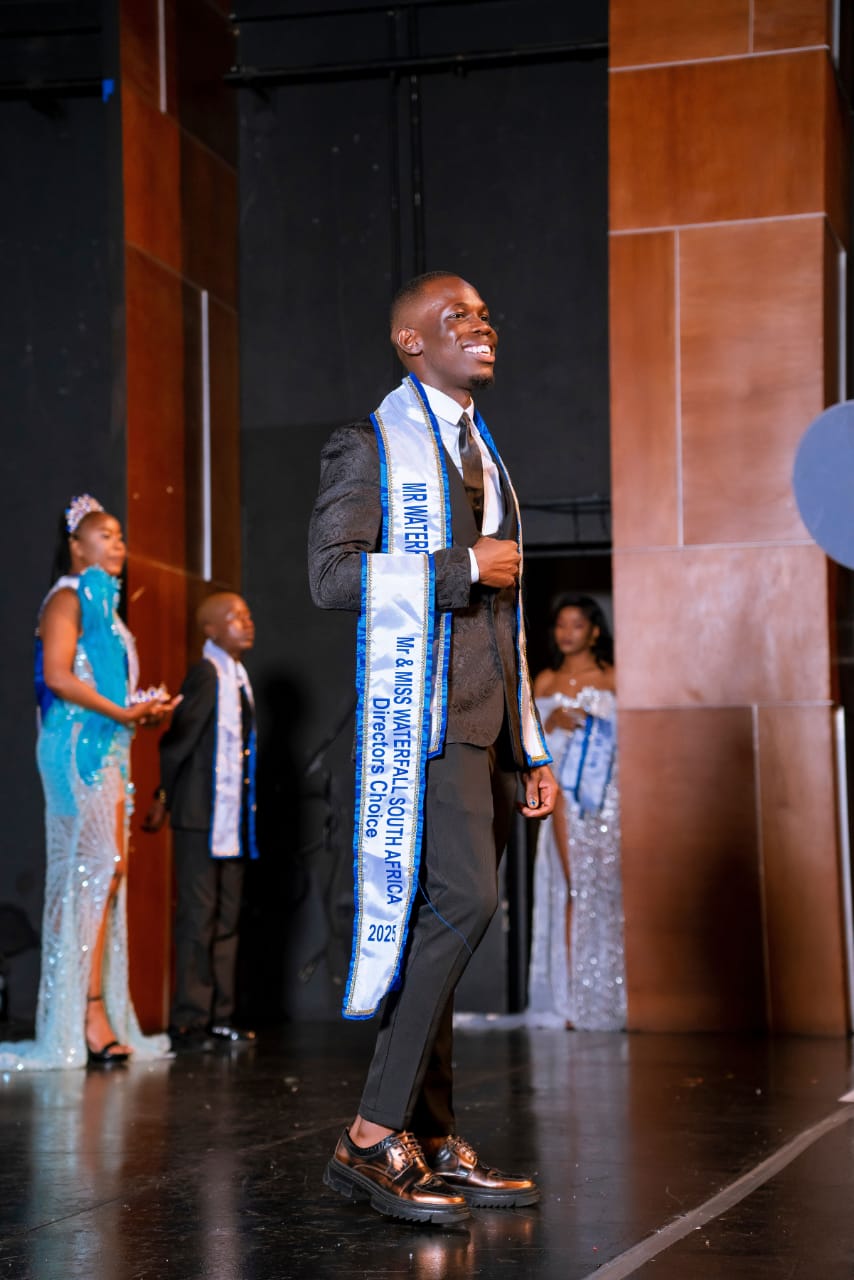

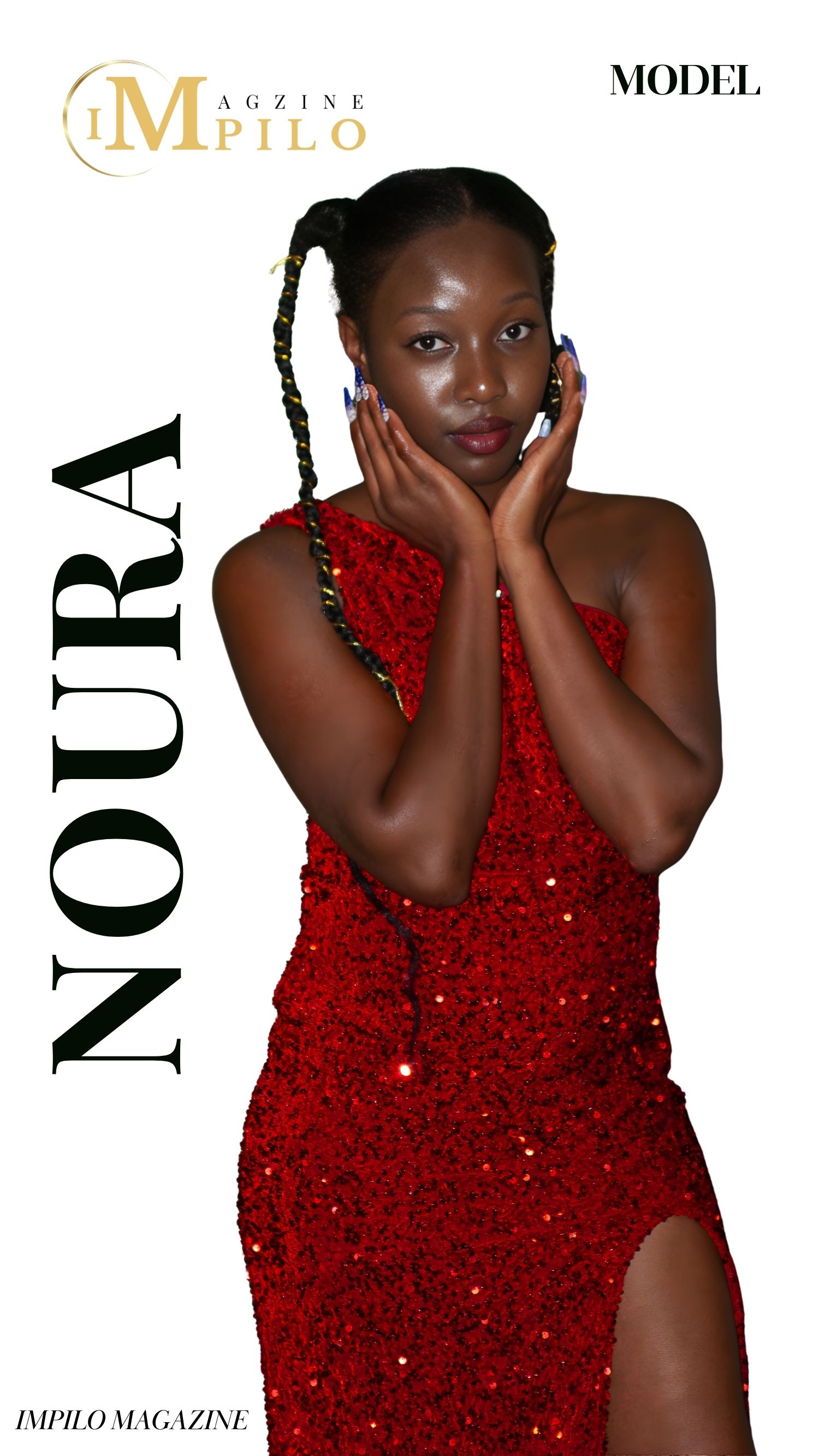
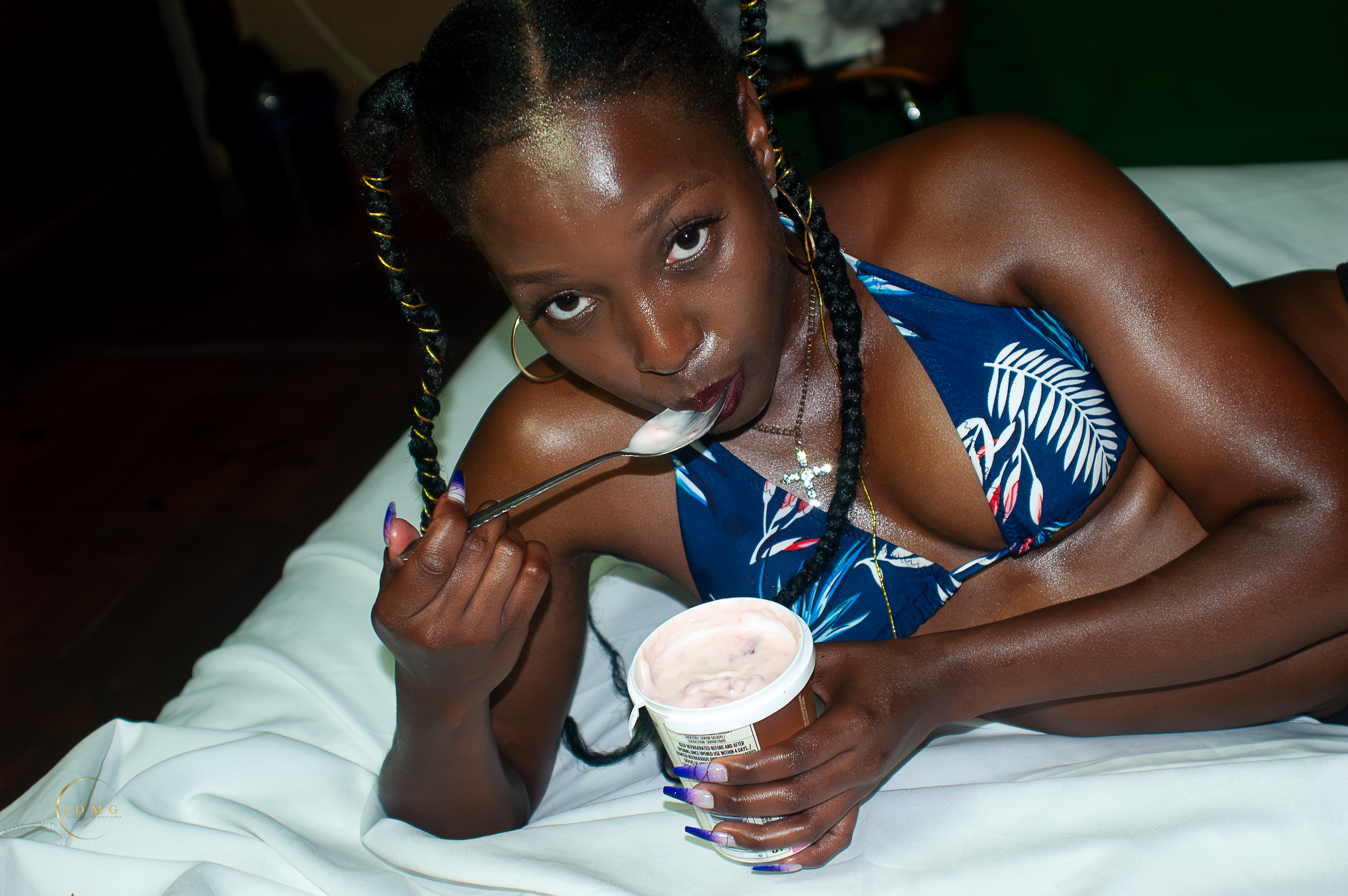
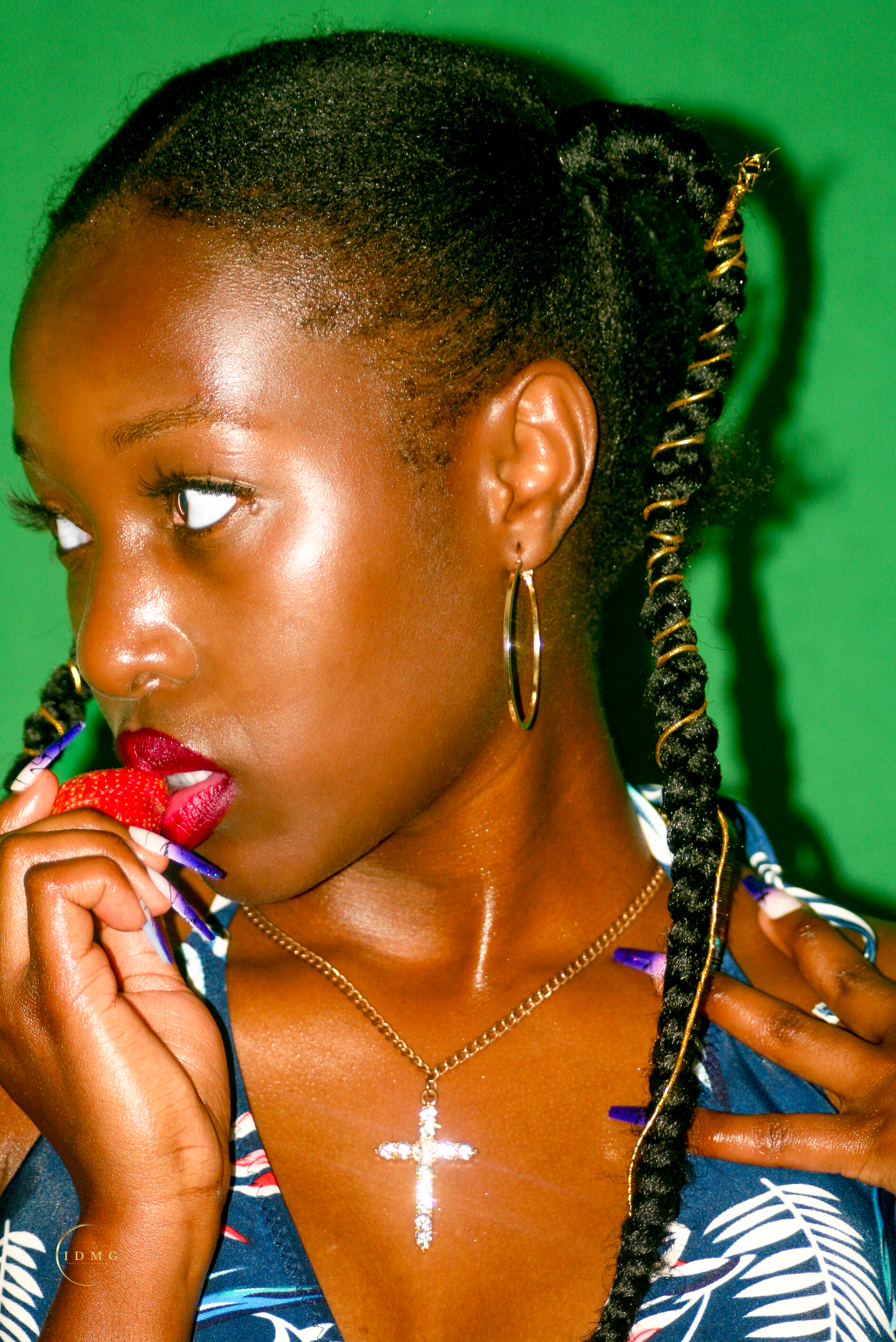
Noura Isumu is a Johannesburg-based model, actress, and creative professional whose work spans both the spotlight and the shadows behind the scenes. Her journey through visual storytelling has allowed her to experience every layer of the fashion and film worlds — from commanding the runway to shaping characters through wardrobe and design.
She began modeling at a young age, navigating Johannesburg’s vibrant creative landscape while developing a deep understanding of camera, movement, and presence. Acting followed naturally — allowing her to explore emotion, character, and narrative in ways that transcend surface-level performance.
Beyond the lens, Noura’s creative strength lives within the wardrobe space. As part of the Empini Style Squad, she works within the Wardrobe Department, where fabric, function, and fantasy come together to define character and mood.
Her approach to wardrobe is intentional and expressive — transforming garments into extensions of identity. Each costume becomes a visual language, each outfit a story waiting to unfold.
Whether front-facing or behind the scenes, Noura brings soul, discipline, and depth to every frame. She understands that visual storytelling is not only about what is seen, but what is felt.

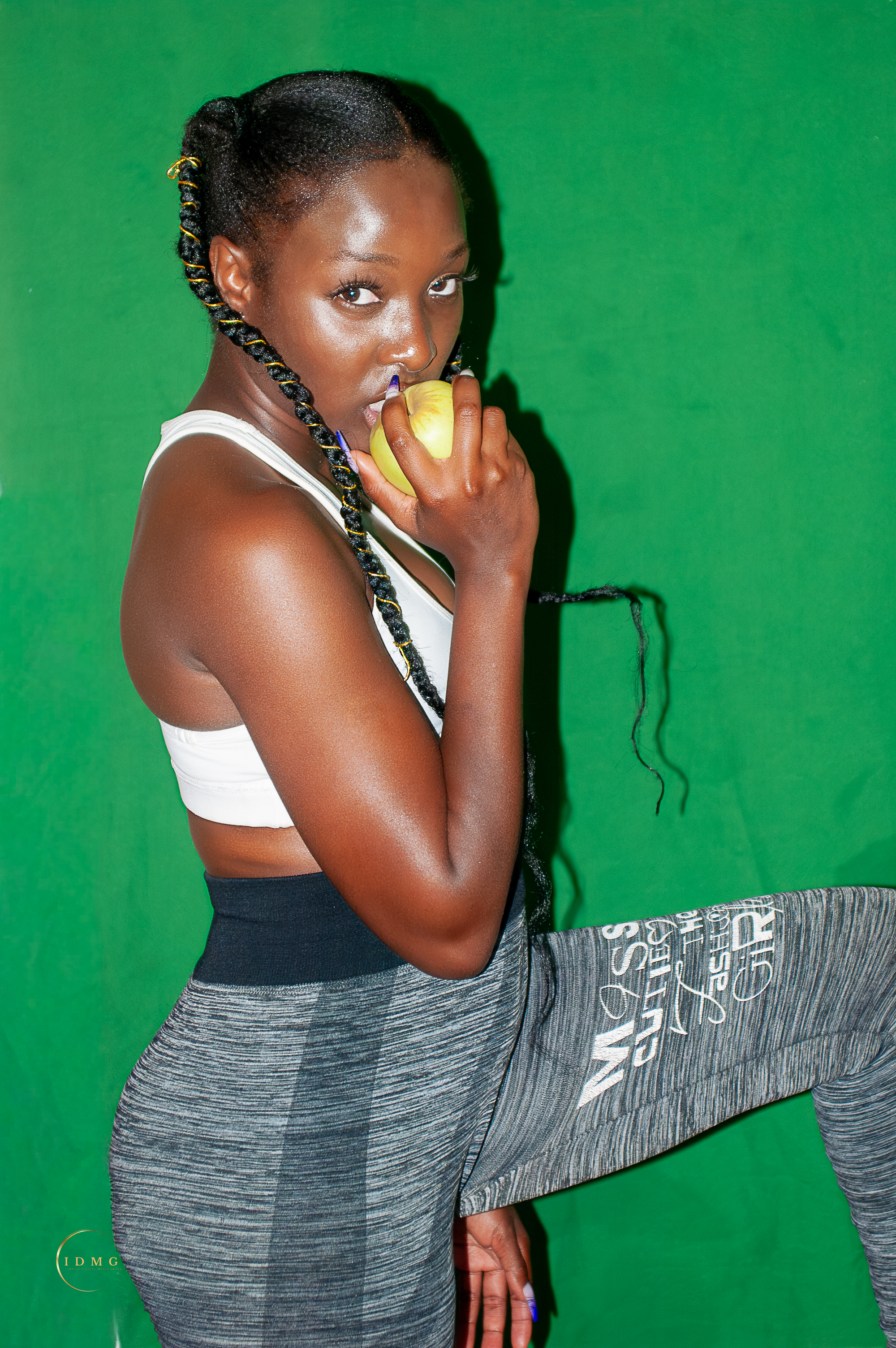
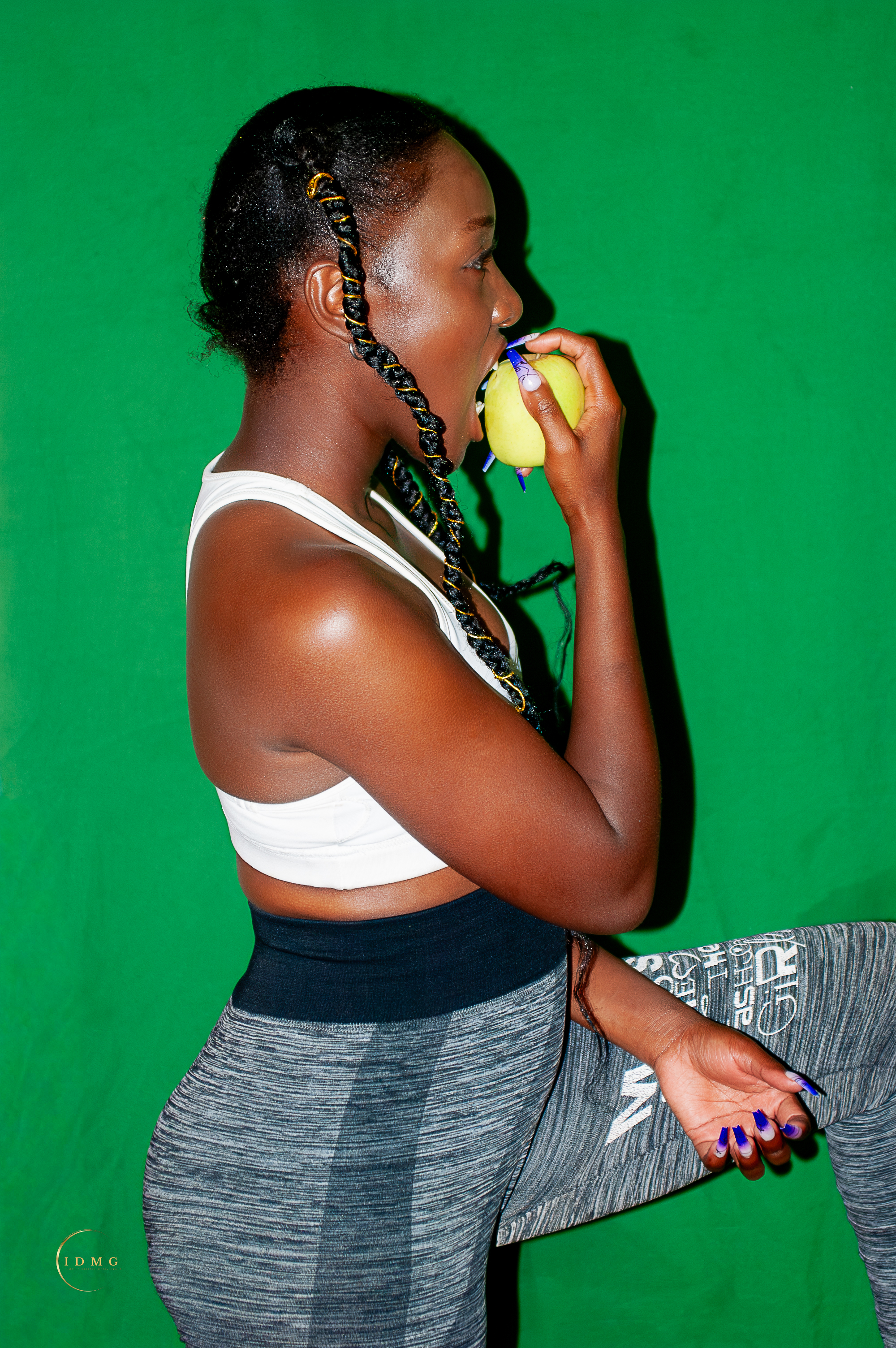
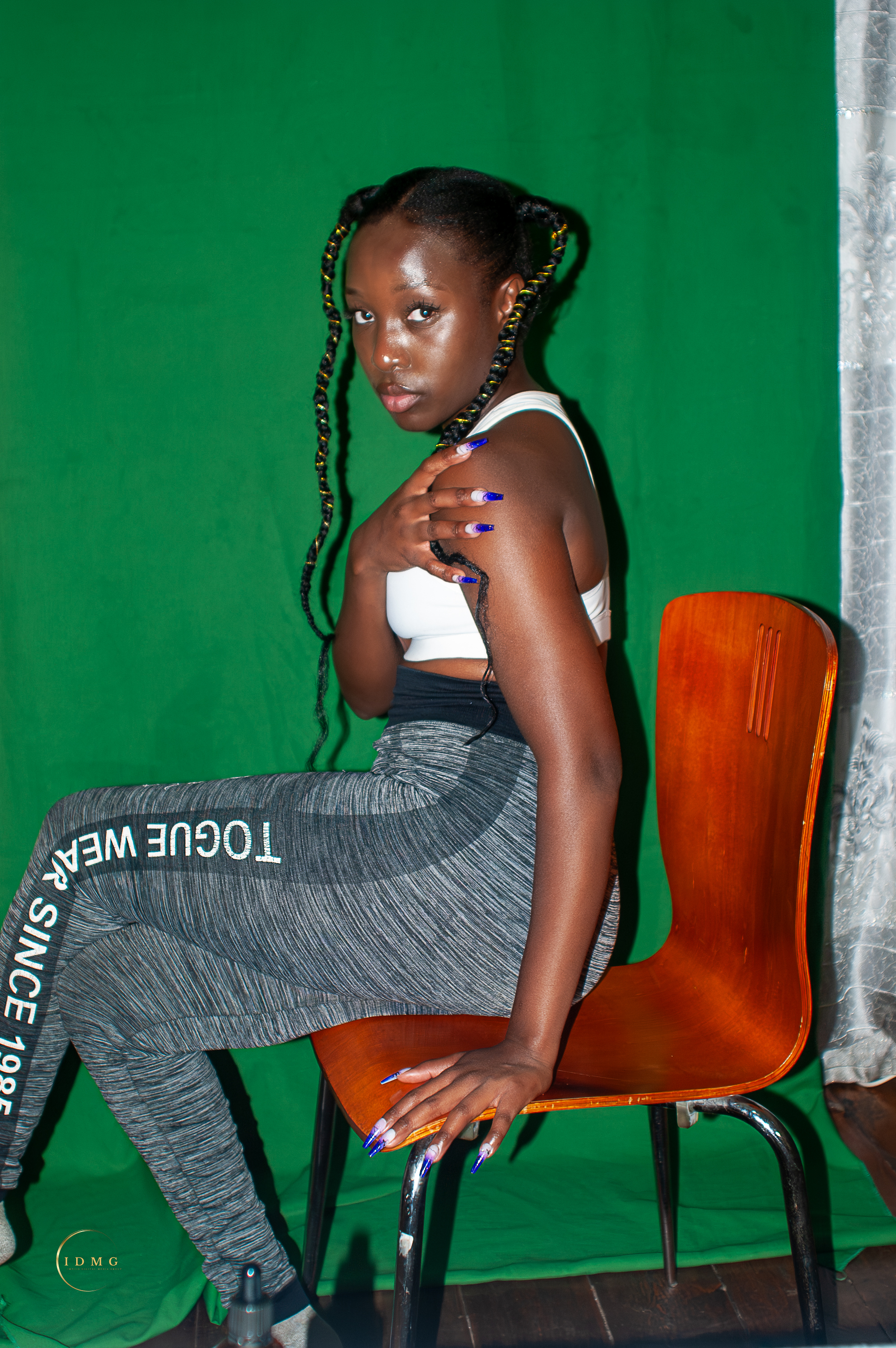
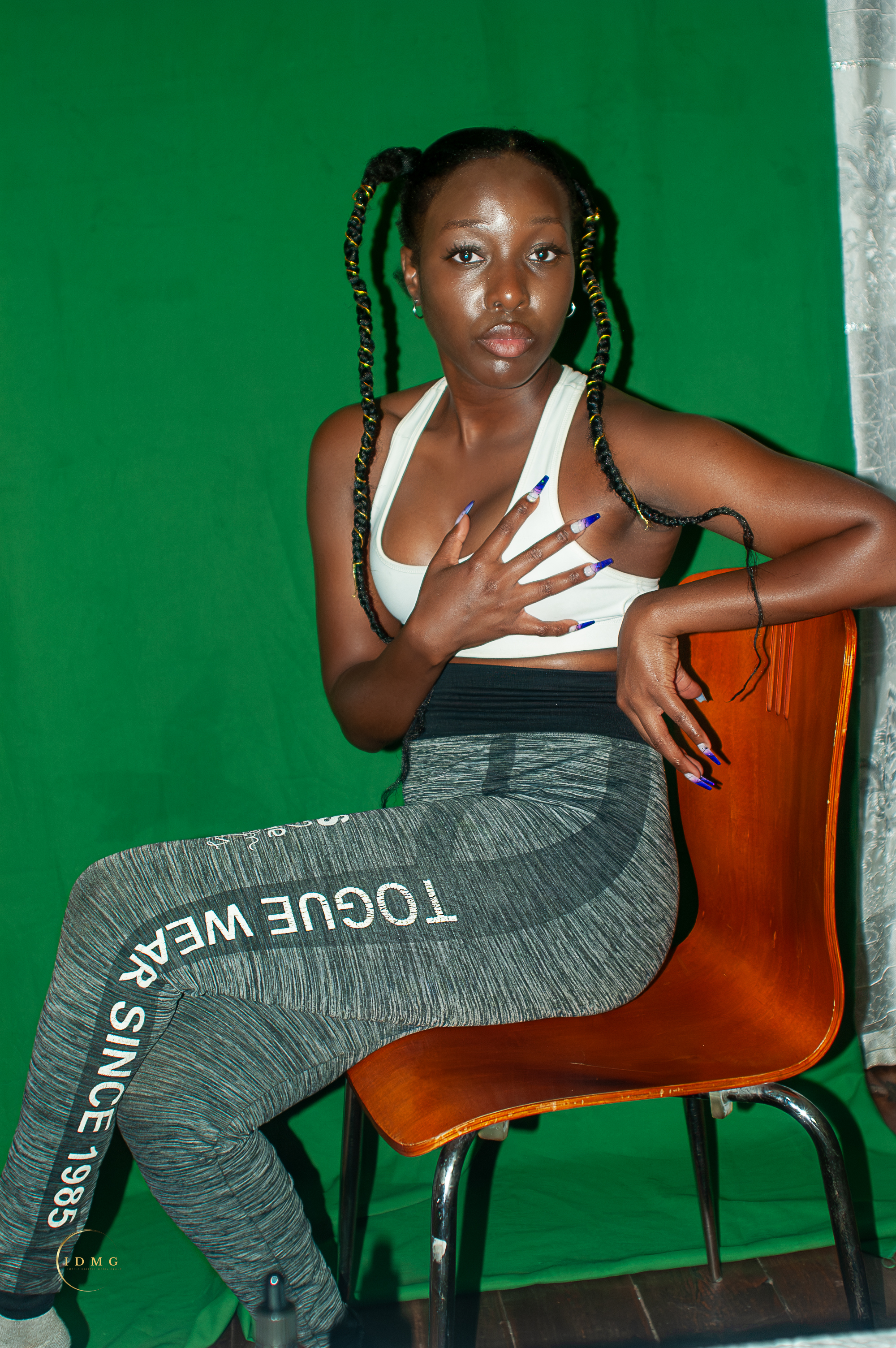
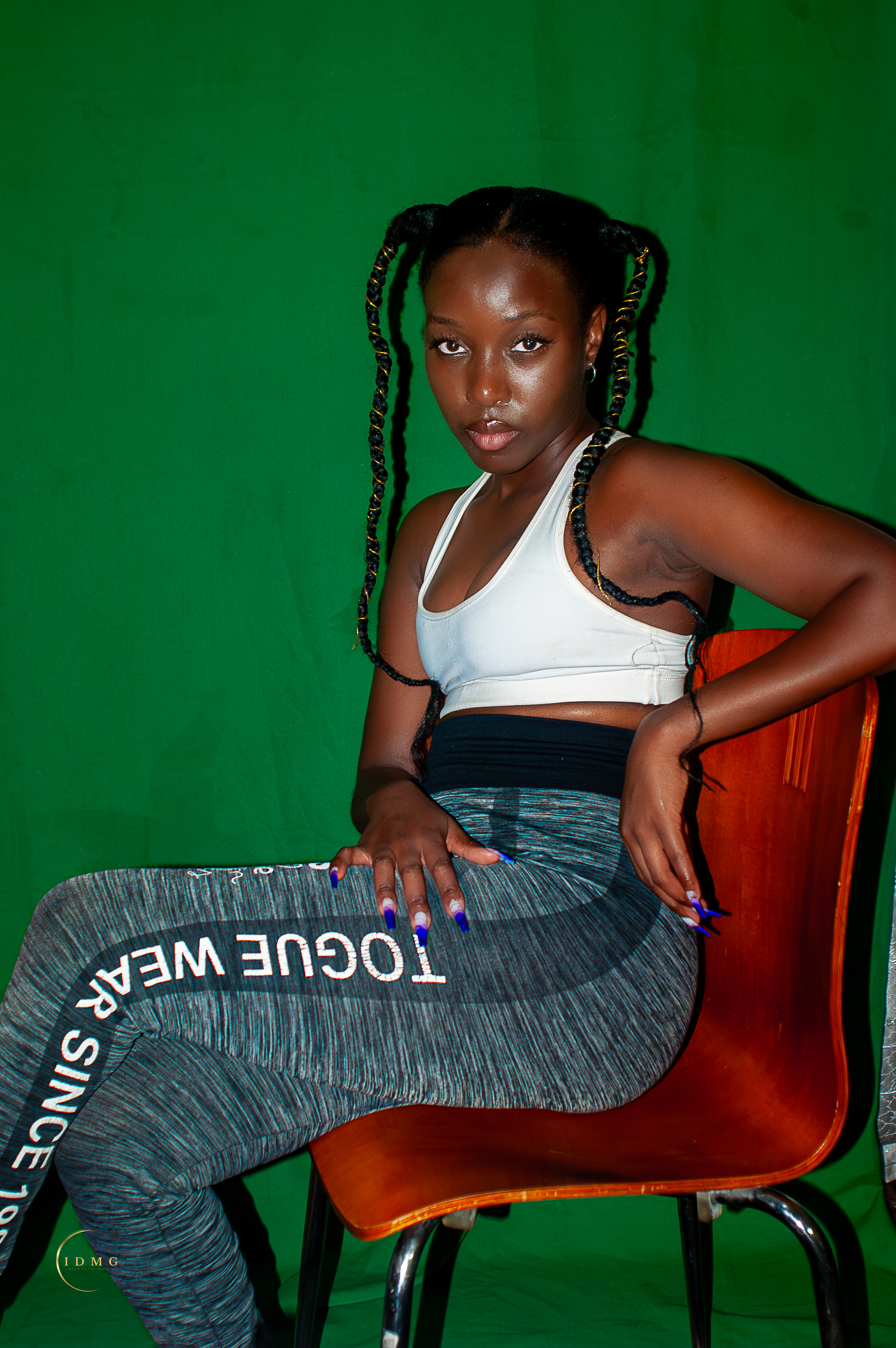
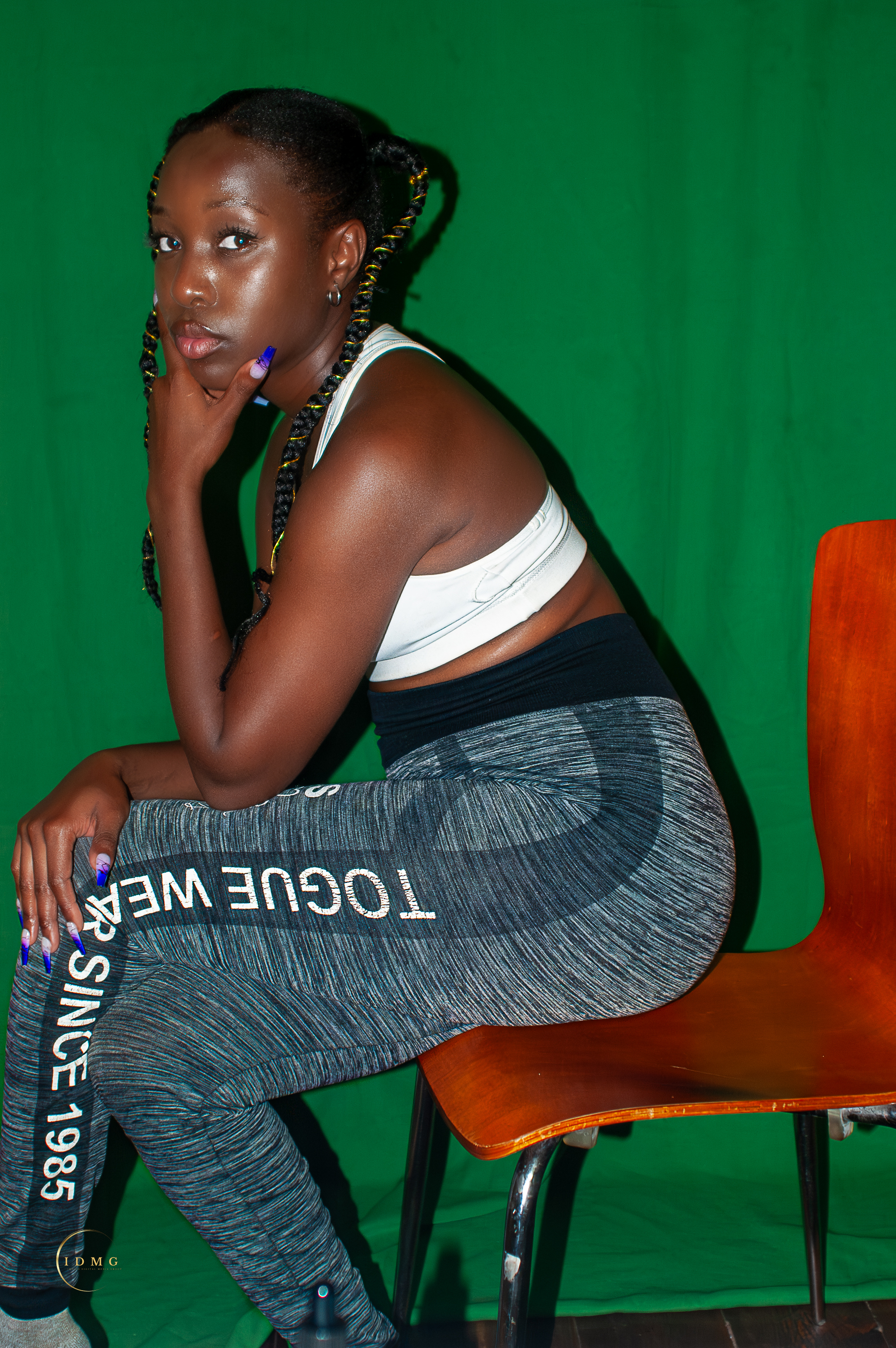
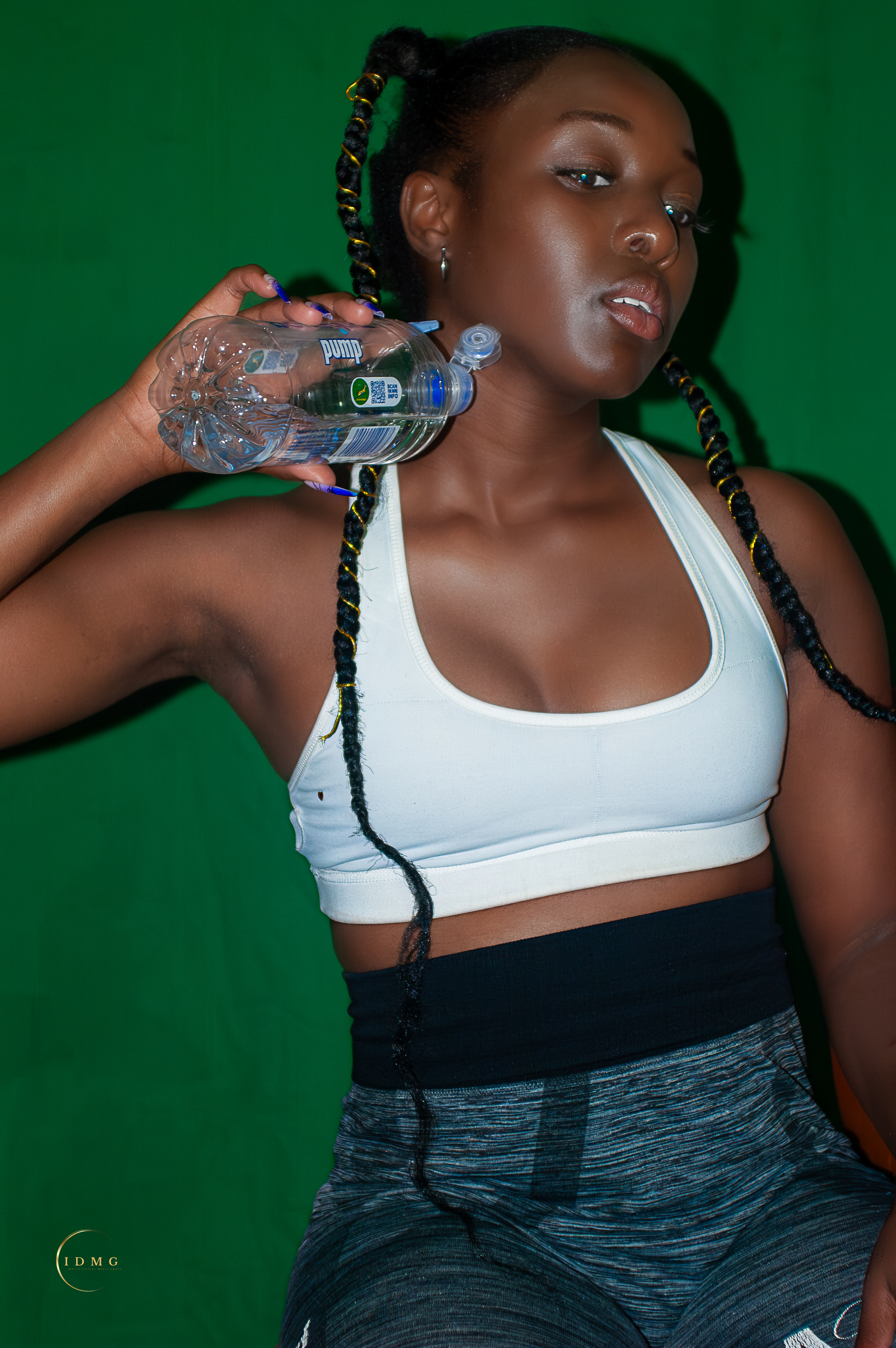
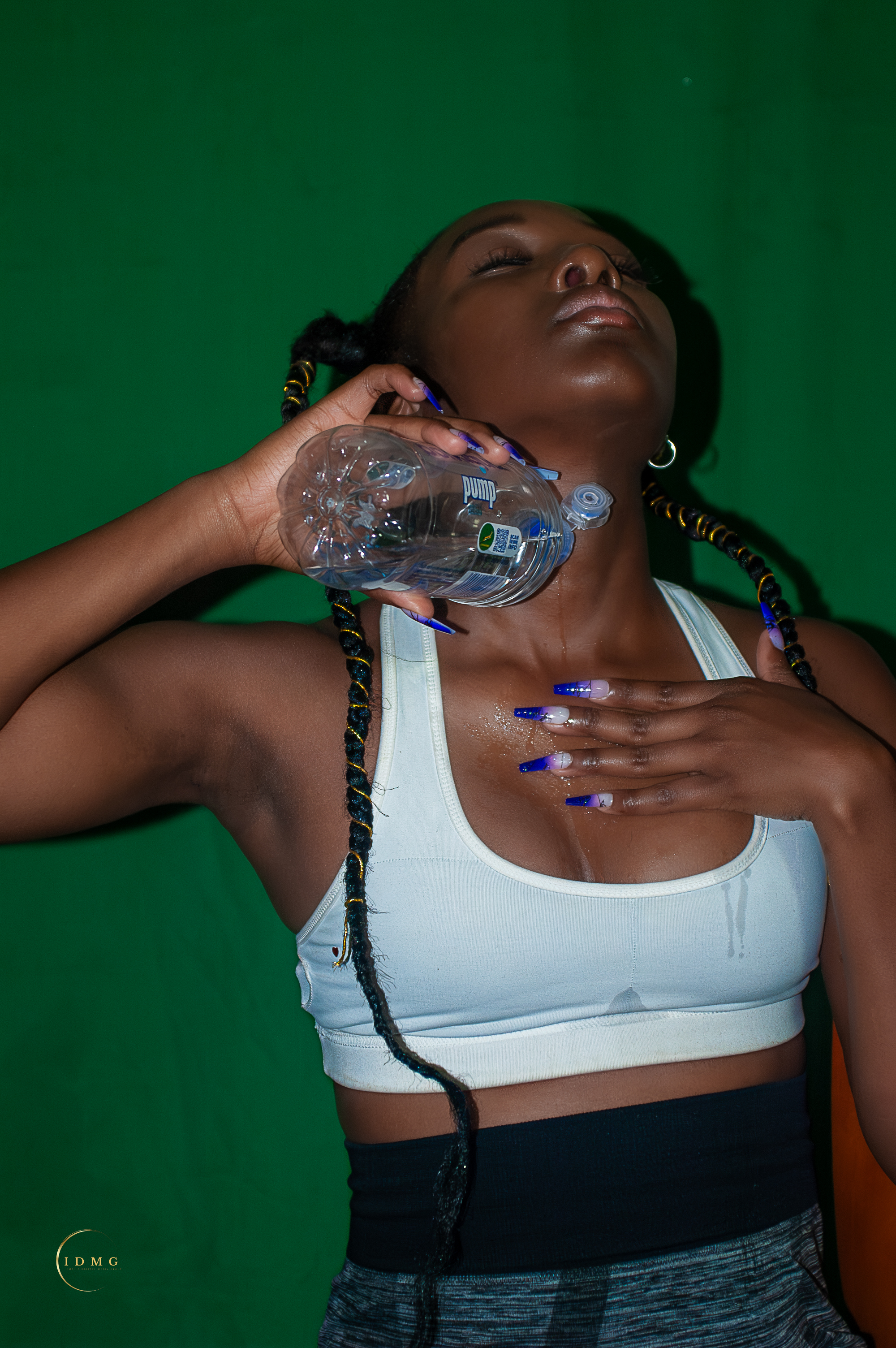
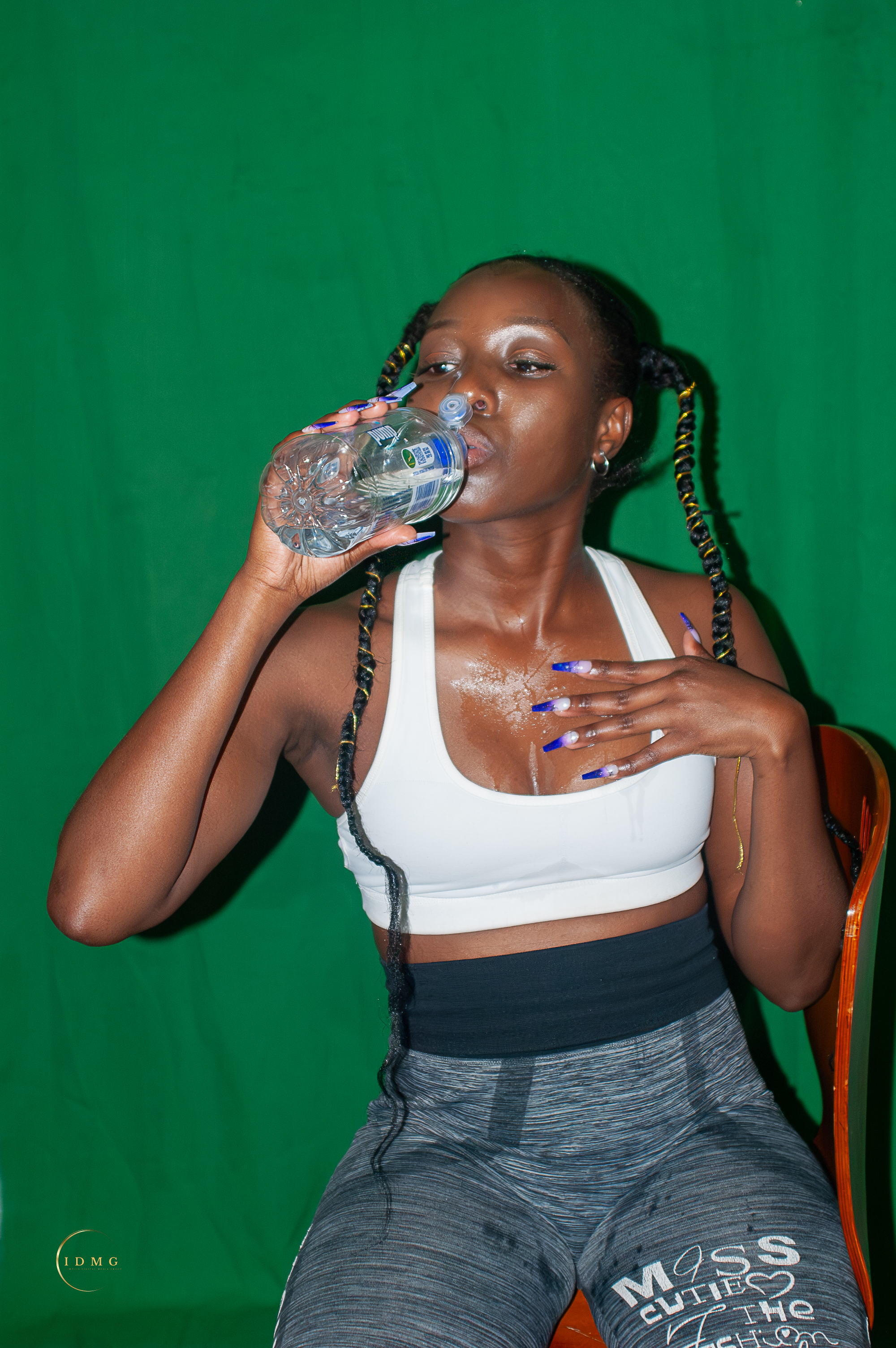
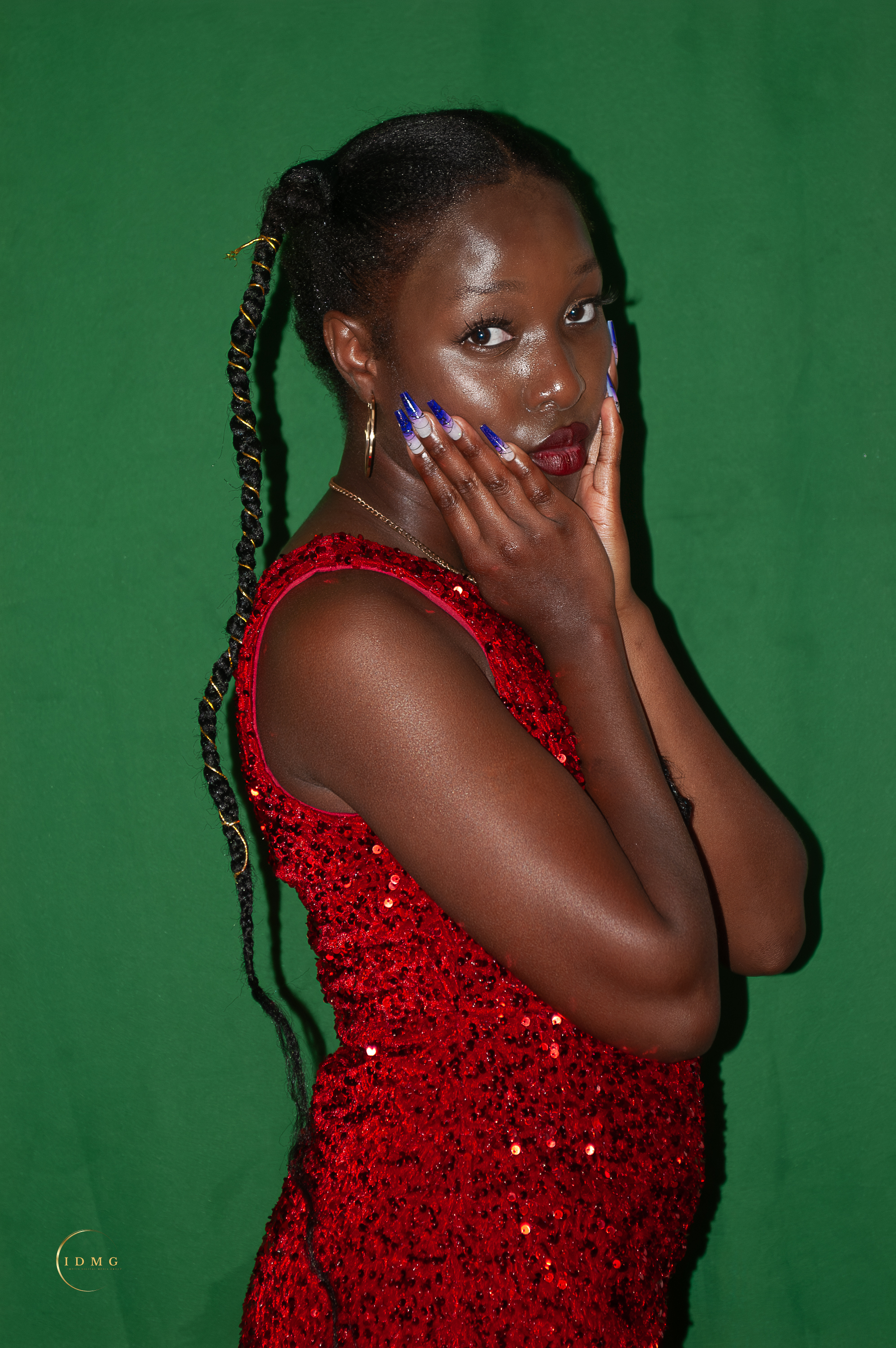
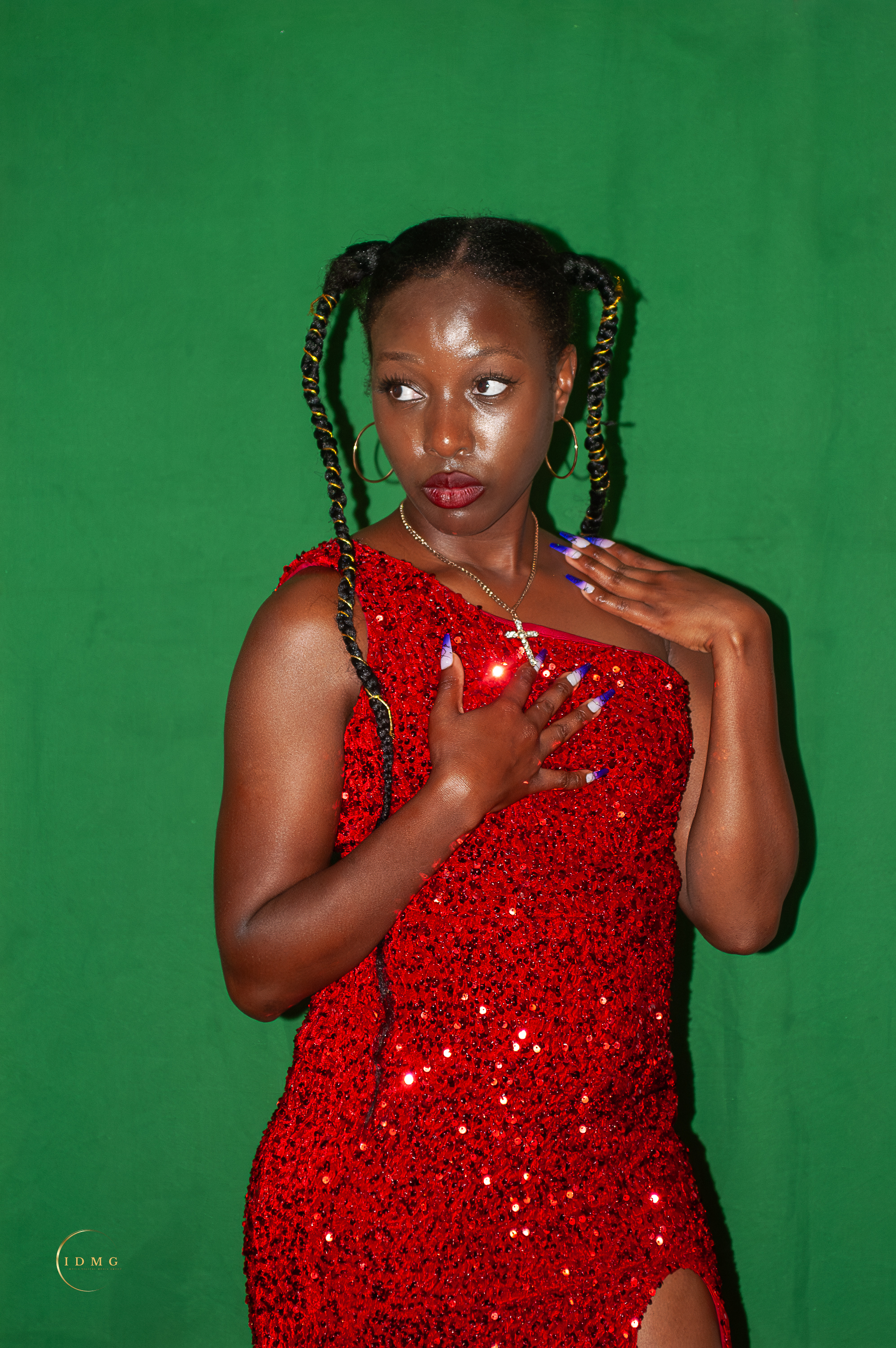
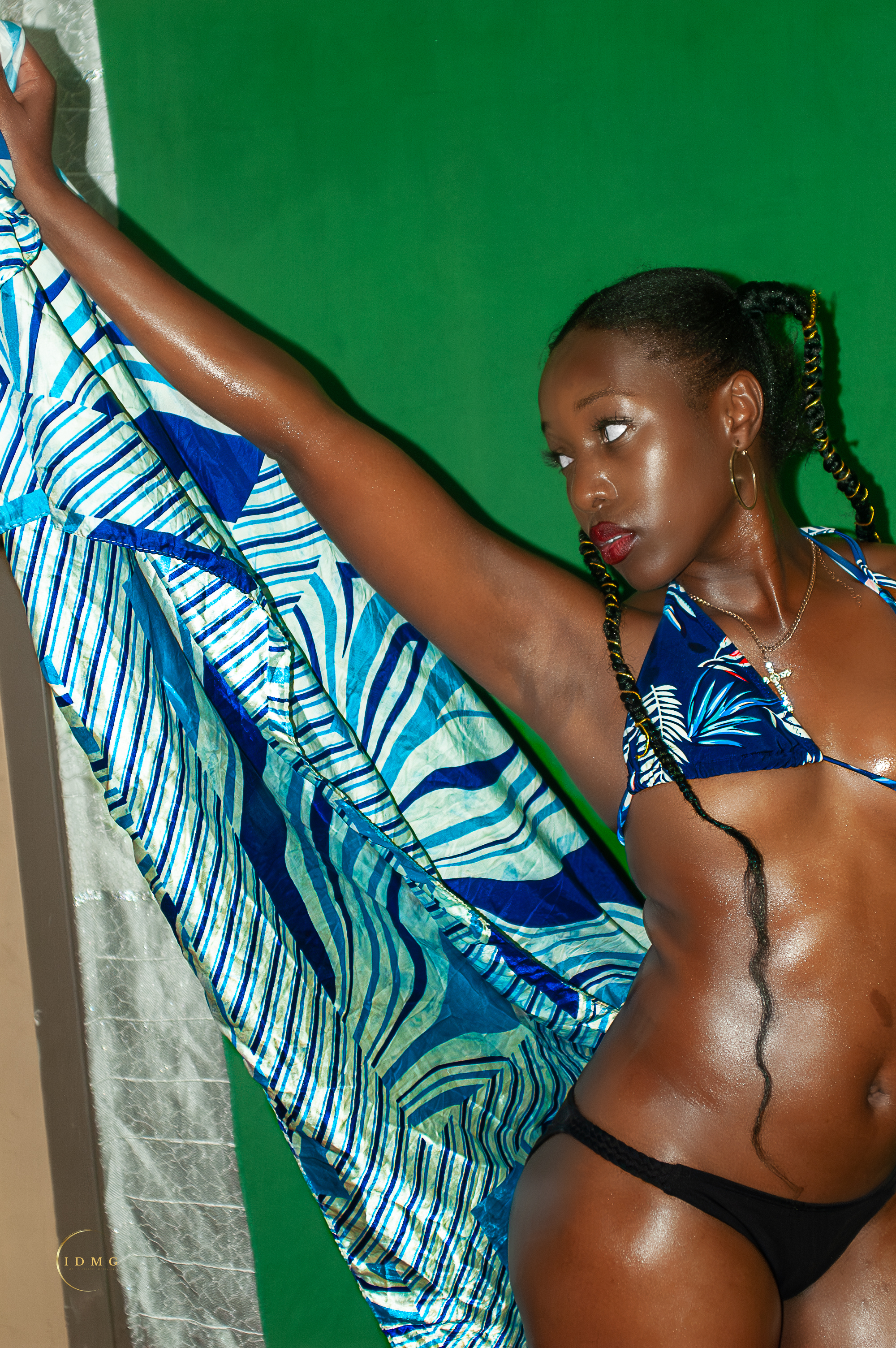


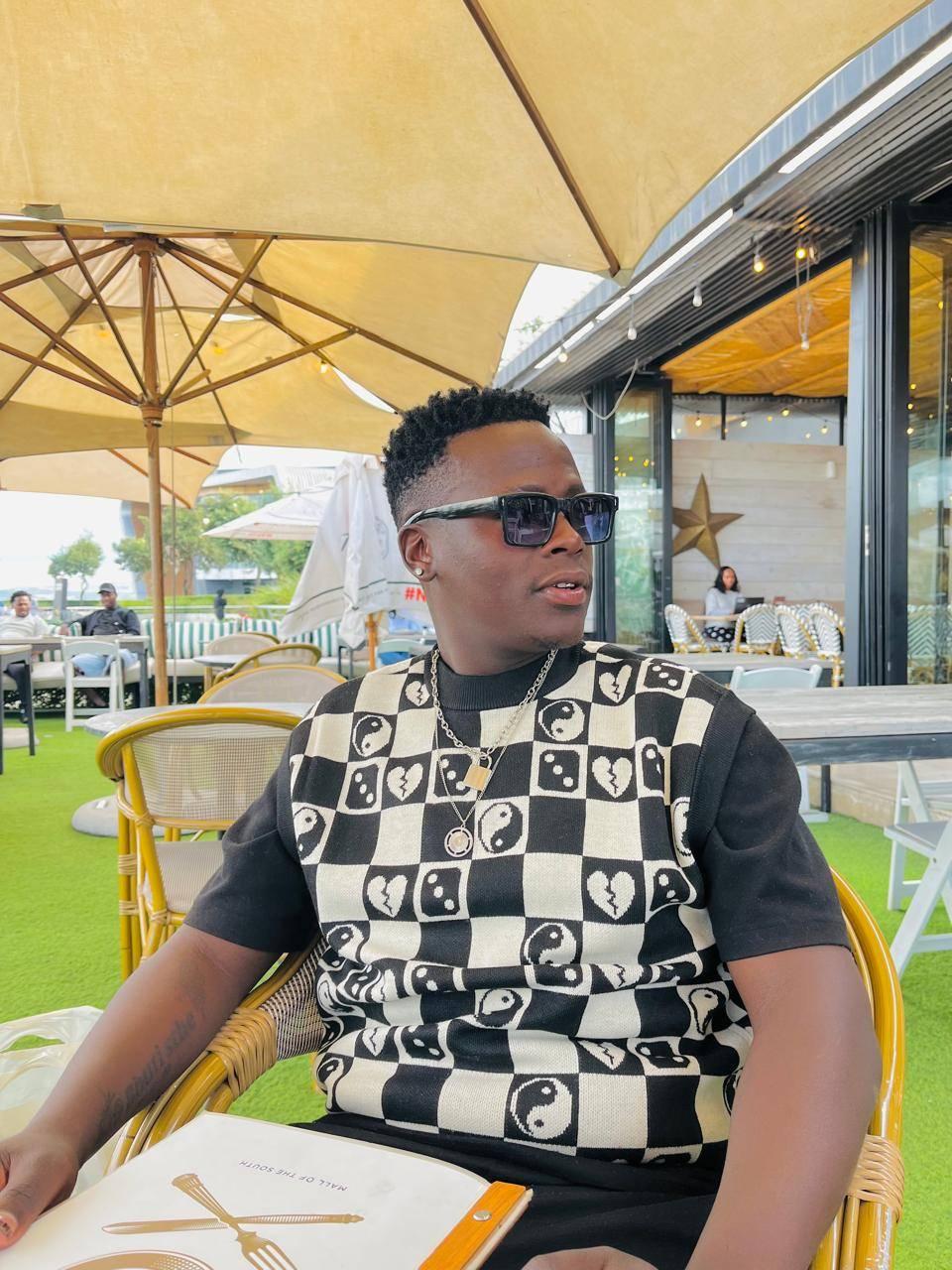
Hailing from Katlehong, Wiseman Khubeka, also known as Wise-K Designer, has rapidly gained recognition for his work with celebrities and his presence in various fashion shows. Known for creating designs for matric dances, weddings, and special occasions, Wiseman embodies the spirit of a young, passionate designer shaping his own path in the South African fashion scene.
“Touching a piece of fabric gives me goosebumps, but the real magic is the design that emerges in my mind.”
When asked why he chose fashion design, Wiseman explained, “The best part is being in my studio — measuring, cutting, stitching. Just as there is a way to make your tea, there’s a way to create clothes. Some people like tea without milk; I create without always relying on sketches.”
While sketching is not yet his strongest skill, his creativity shines through in the transformation of fabrics into wearable art. Each garment reflects his imagination, vision, and dedication. His “happy place” is the studio, where fabric becomes design and inspiration manifests into reality.
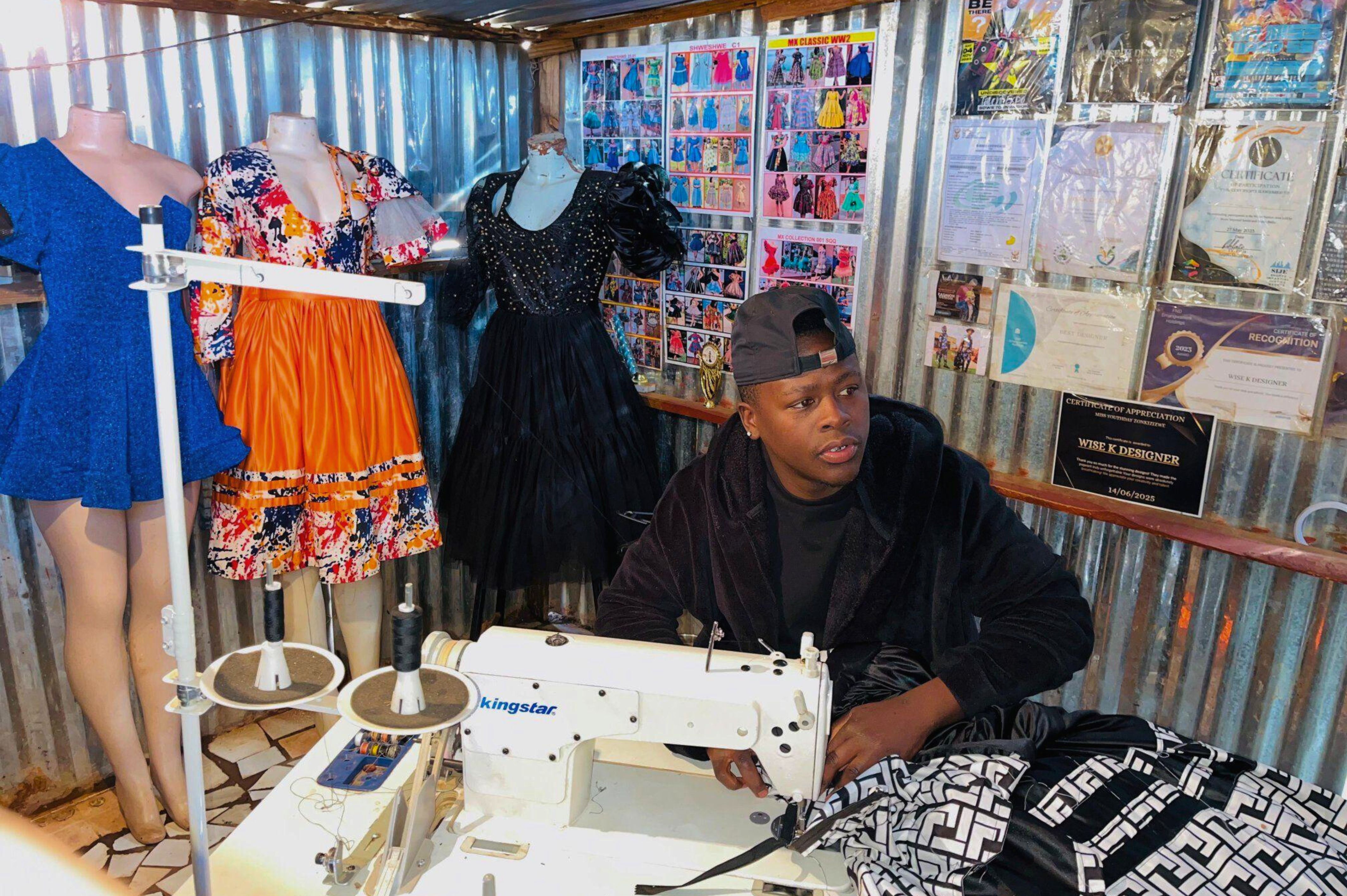
“Dressing people in my creations is a dream come true. Seeing someone wear a piece born from my imagination gives me goosebumps,” he says. His dedication to quality, individuality, and creativity sets him apart as a designer with a vision beyond trends.
Beyond creating fashion, Wise-K Designer aims to nurture talent. He envisions his studio as a stepping stone for aspiring designers who want guidance, inspiration, and hands-on experience. “Wise-K Designer will be a home for people burning to bring their designs to life,” he shares.
By mentoring young creatives, providing studio experience, and fostering collaboration, he hopes to create a community where innovation, skill, and ambition thrive together. His work is not just about clothing — it’s about lifting others, sharing knowledge, and igniting passion in the next generation.
“I want to be that star in the dark that brings hope to the hopeless and light to those who have lost their way.”
Wiseman’s collections have been showcased in numerous fashion shows around Katlehong and beyond, attracting celebrity attention. His ability to tailor designs for special occasions — from weddings to matric dances — has earned him respect in South Africa’s emerging fashion circles.
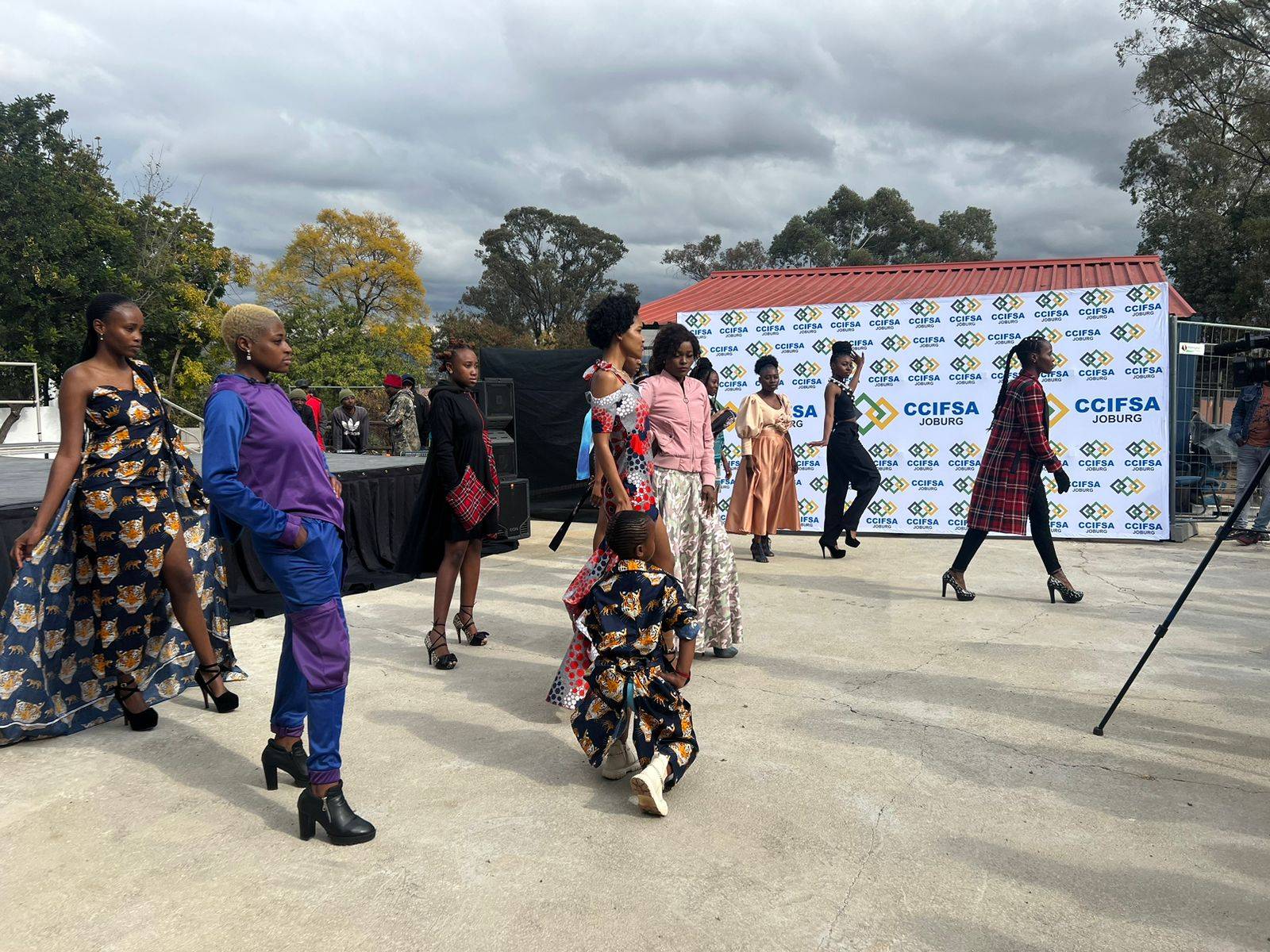
His journey demonstrates the importance of passion, perseverance, and a personal touch in every garment. Each design tells a story, a narrative of creativity, culture, and ambition.
Wiseman’s mission is clear: to inspire, mentor, and grow a community of designers who dare to innovate. His studio is not just a workspace; it is a hub for creativity, learning, and collaboration. He hopes to open doors for those who wish to pursue fashion but lack the guidance or resources.
With each piece he creates, Wiseman Khubeka continues to define his unique identity as a designer — blending imagination, culture, and craftsmanship. His story is a reminder that passion, dedication, and mentorship can transform a dream into a lasting legacy.
“Wise-K Designer is more than a name — it’s a promise to bring imagination to life and light to those chasing their dreams.”
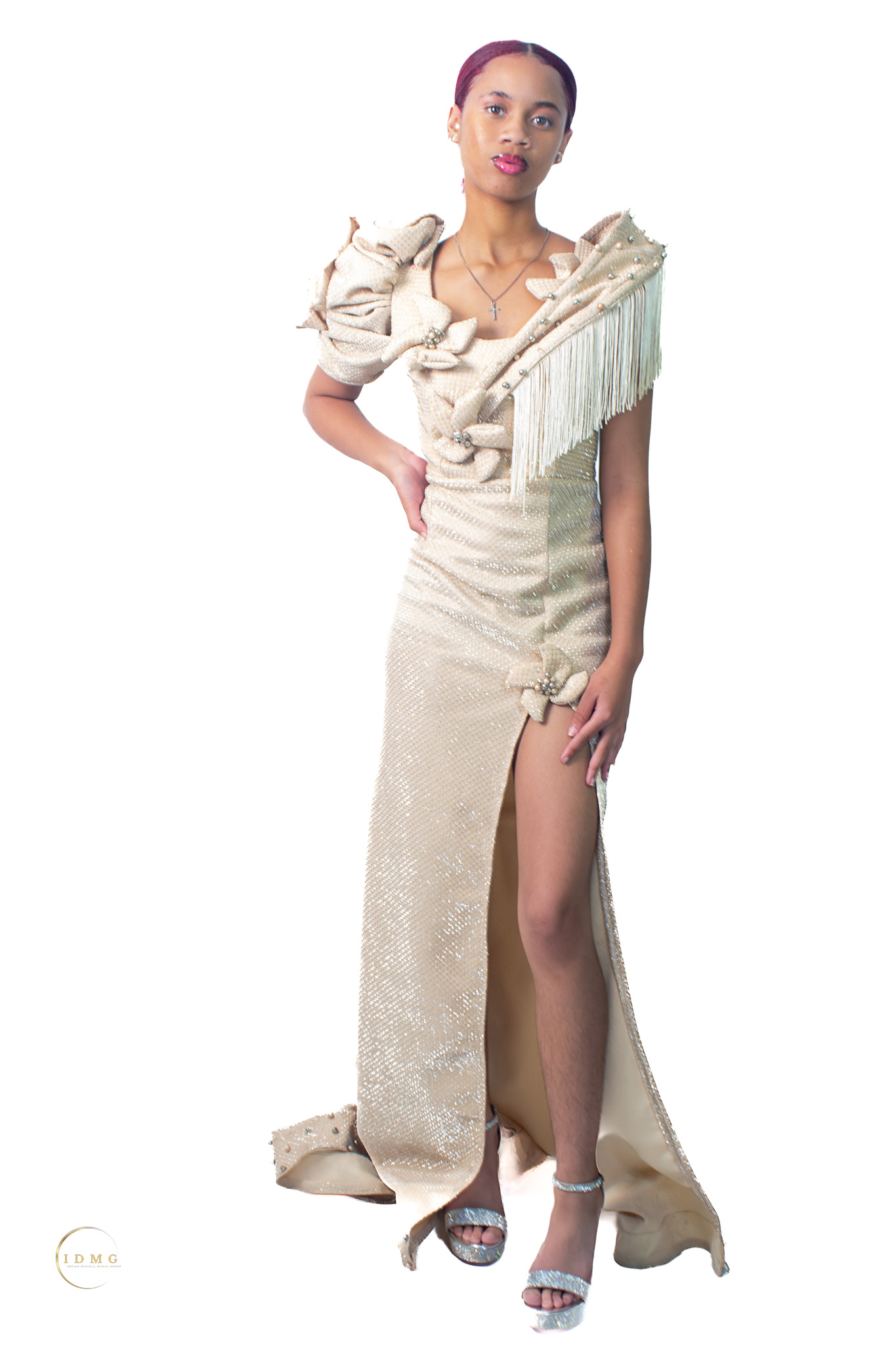
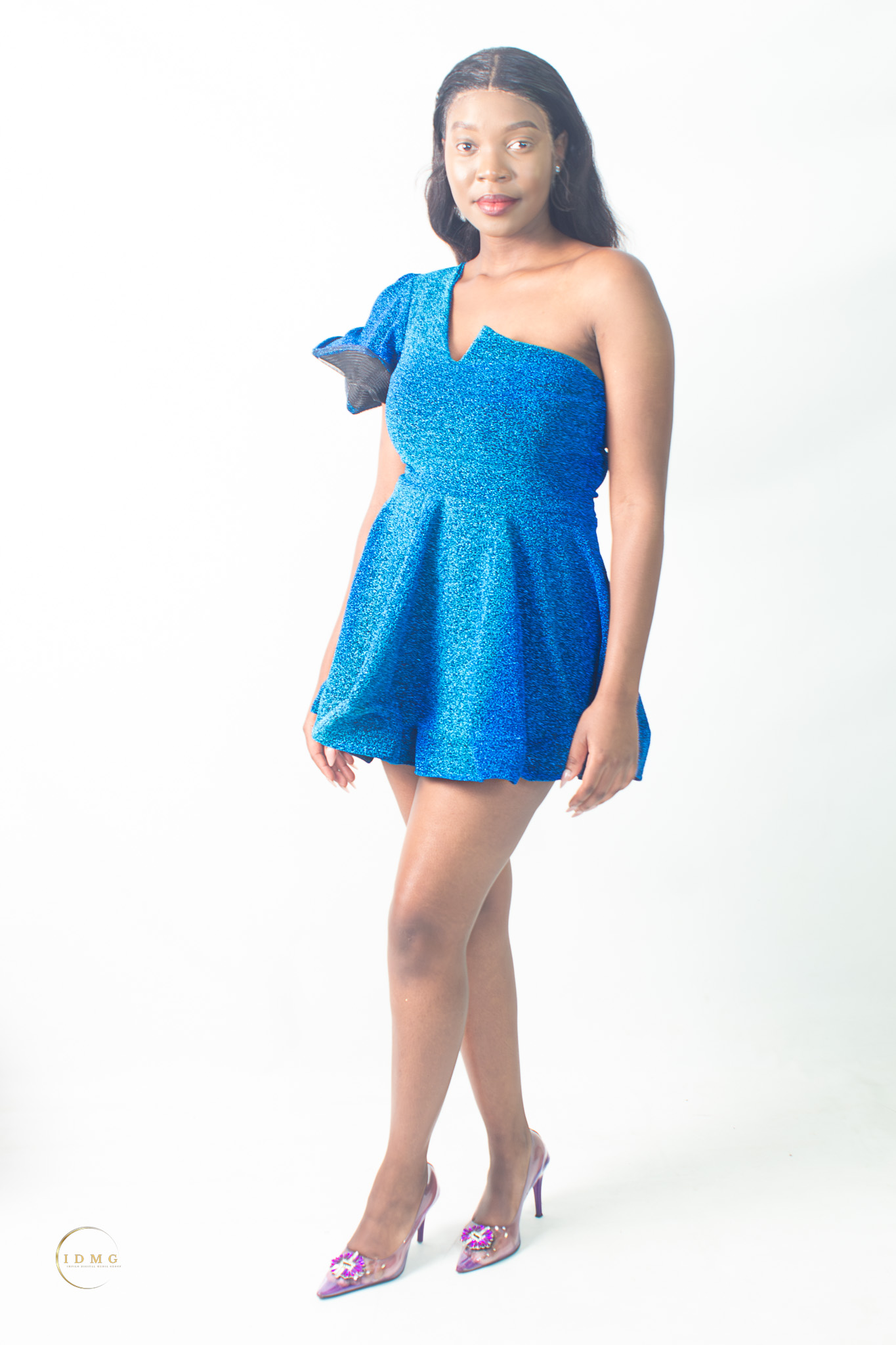
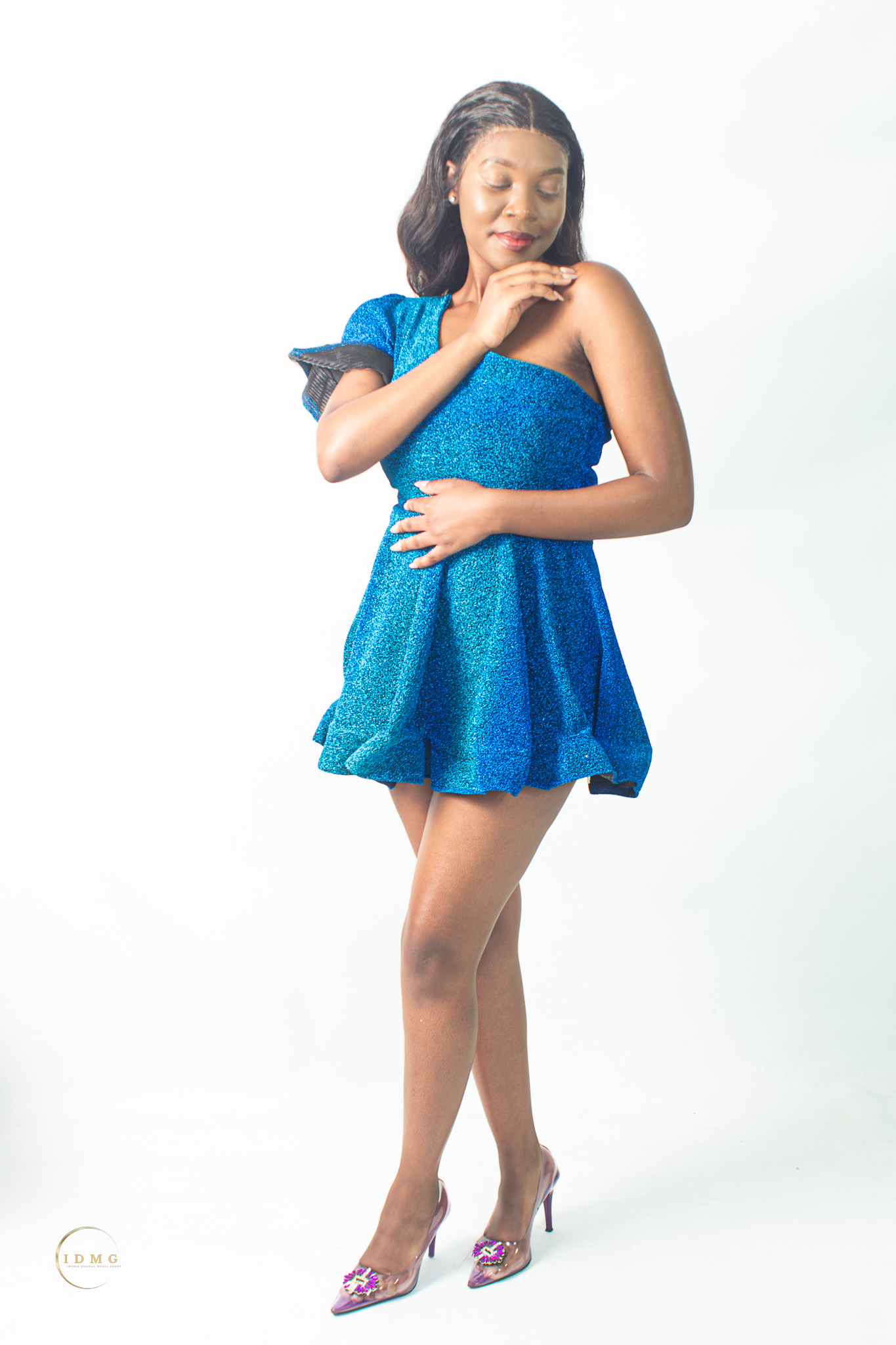
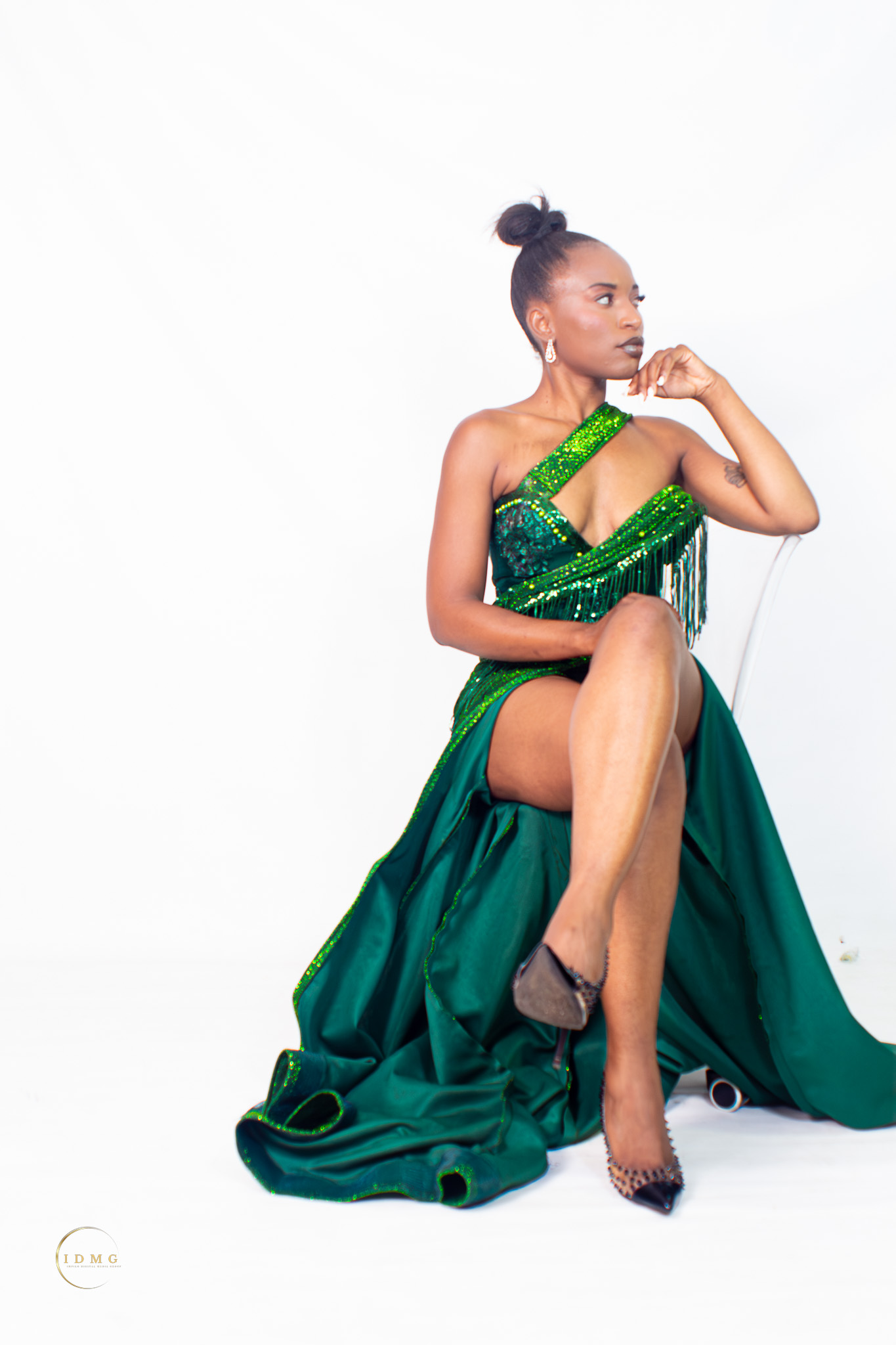
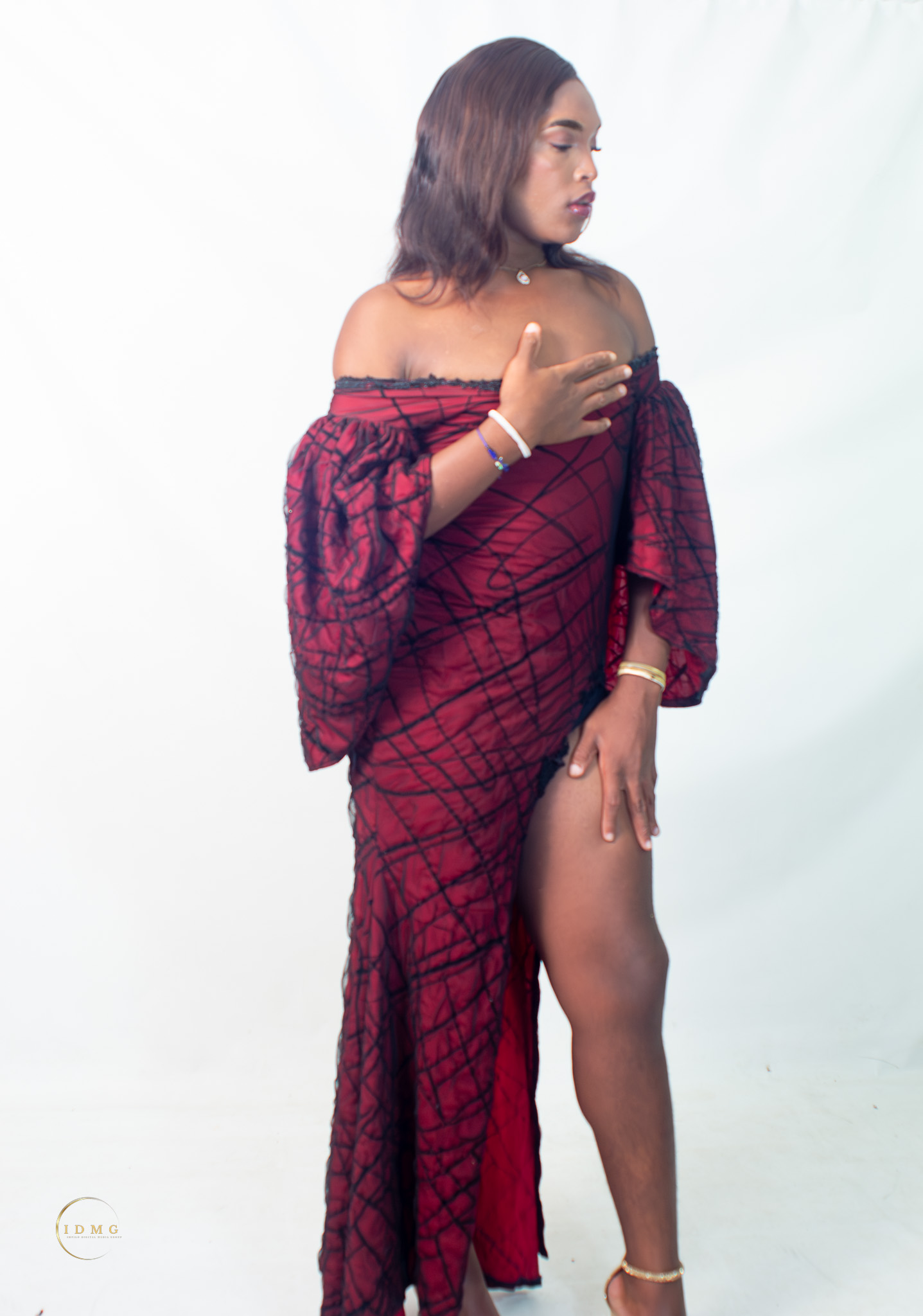
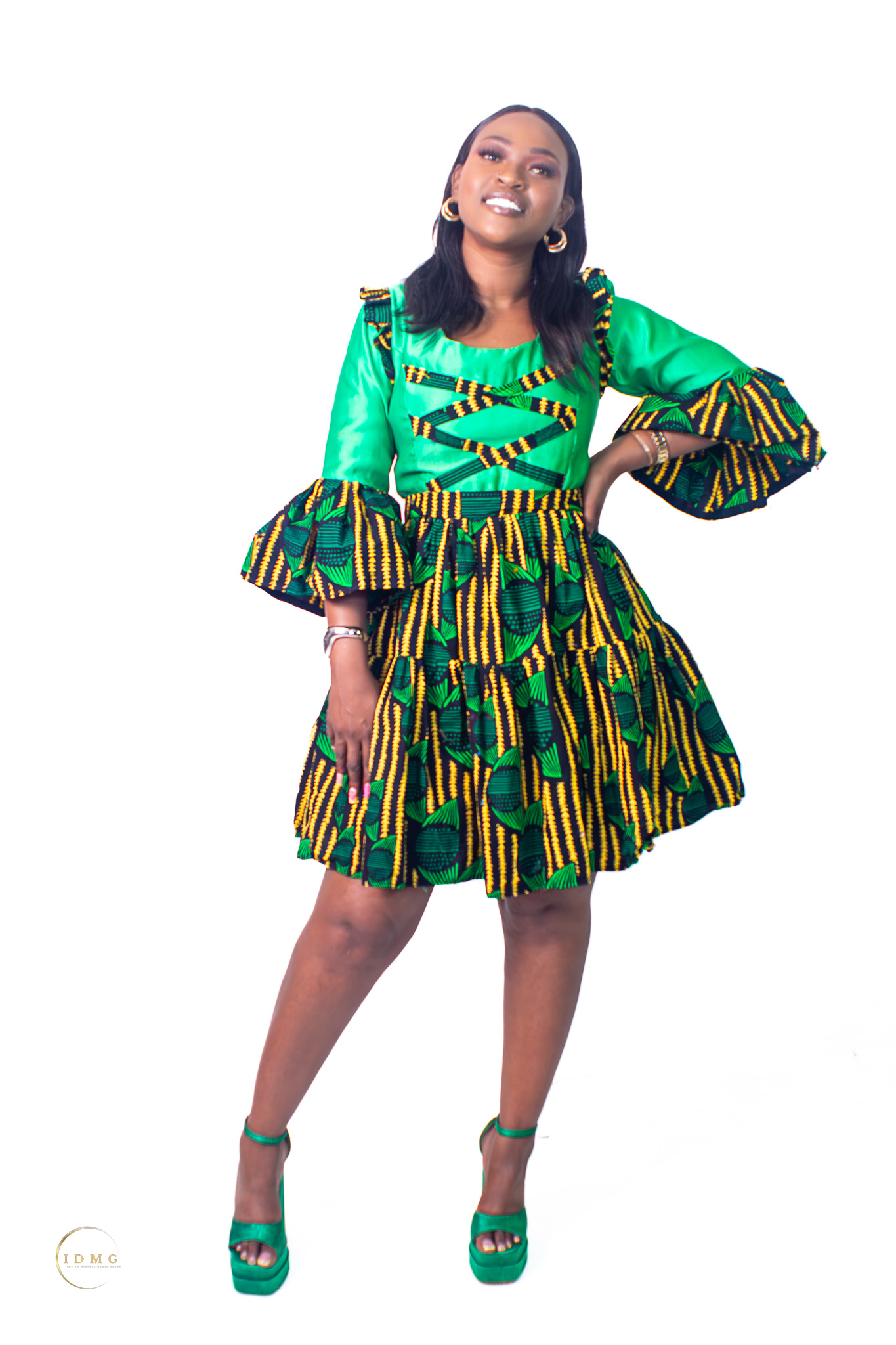
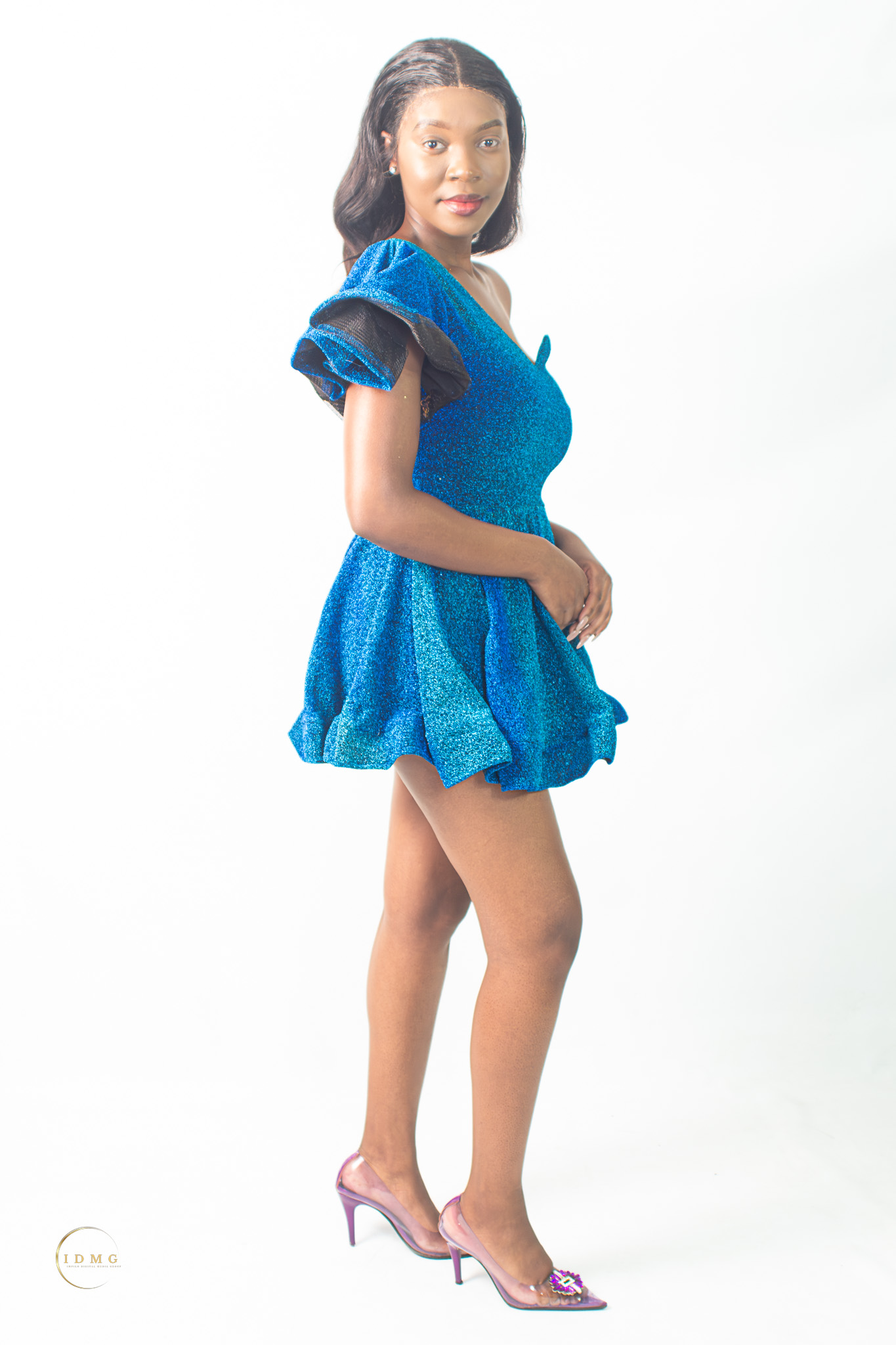
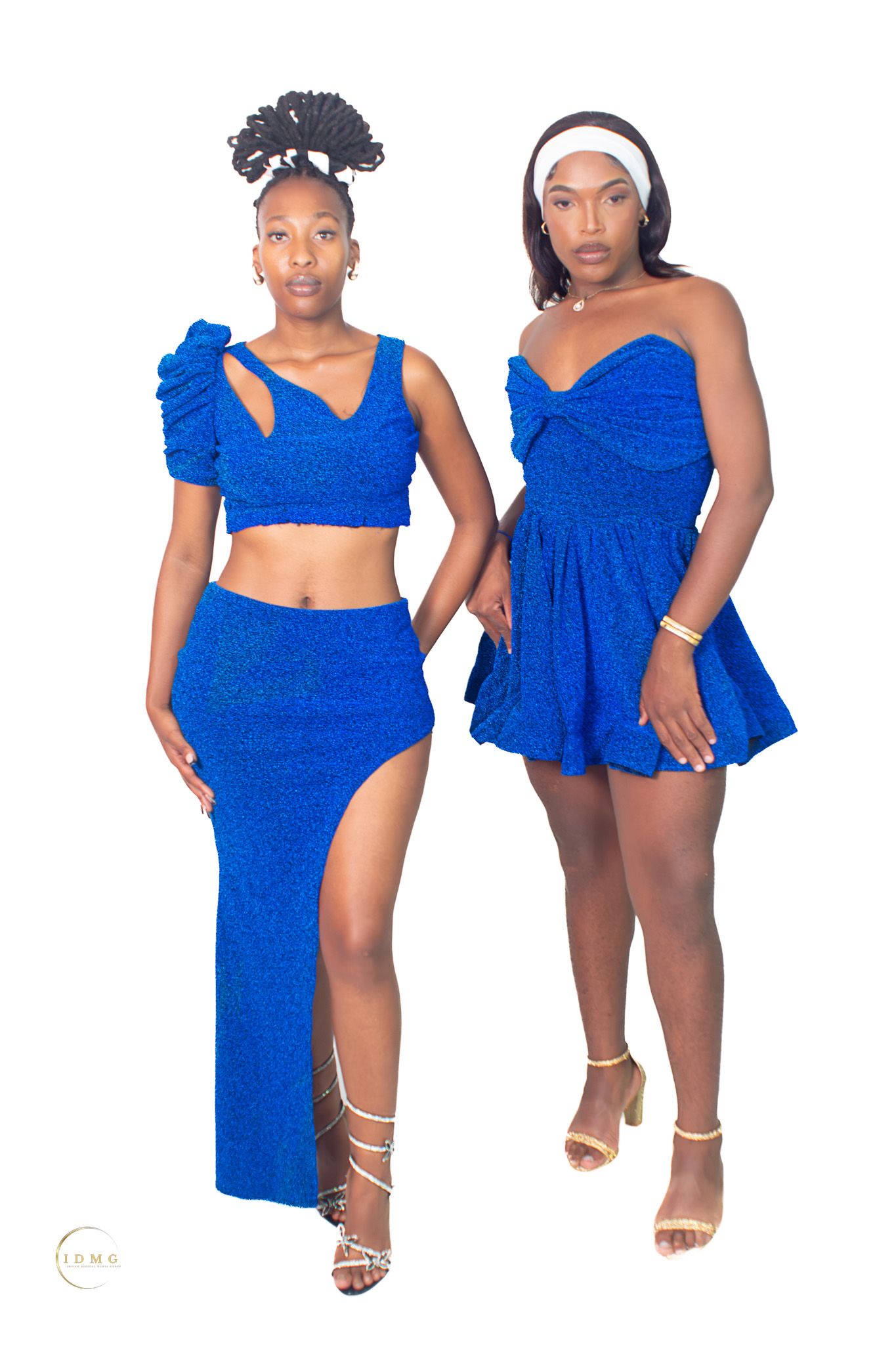
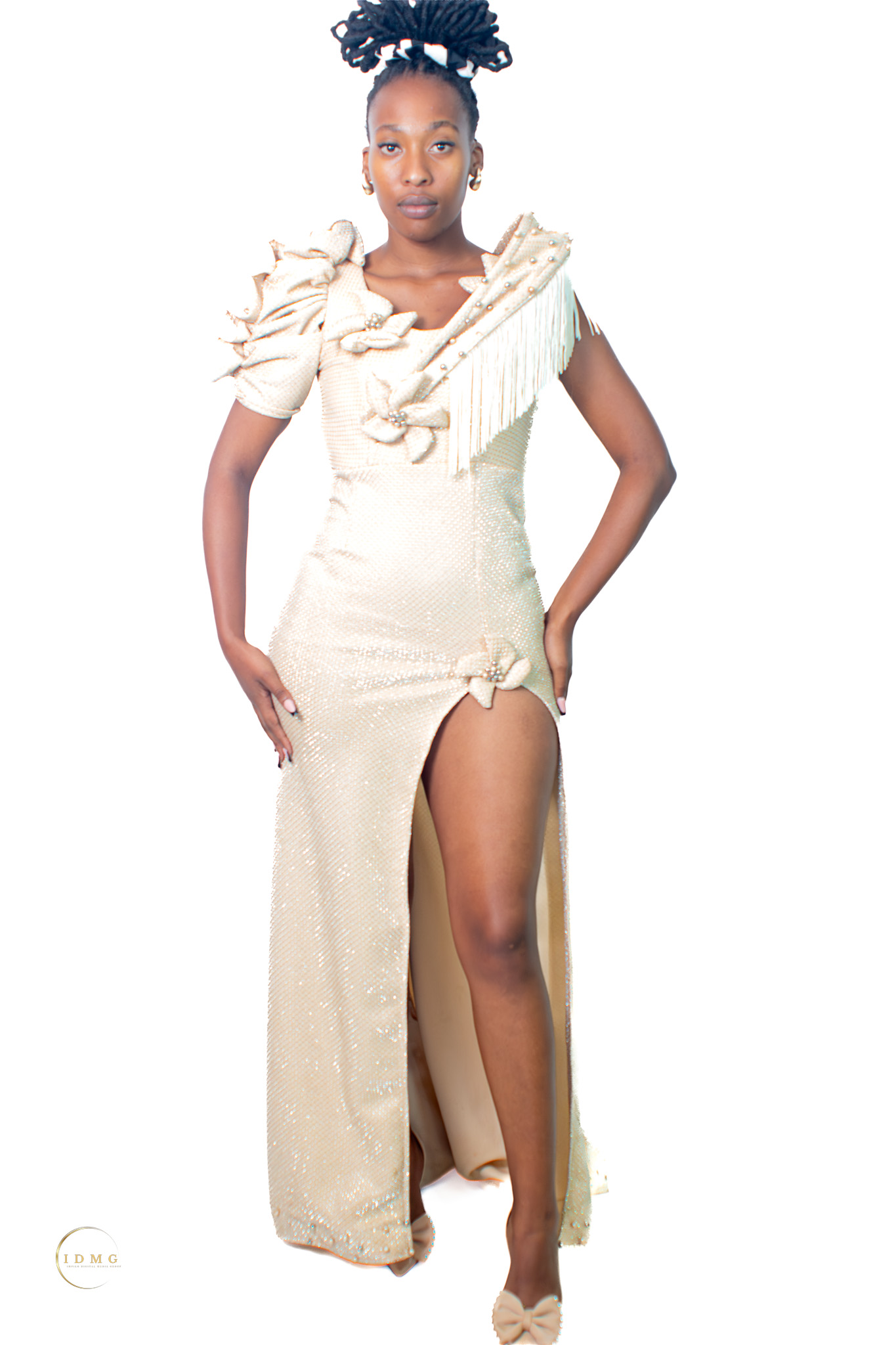
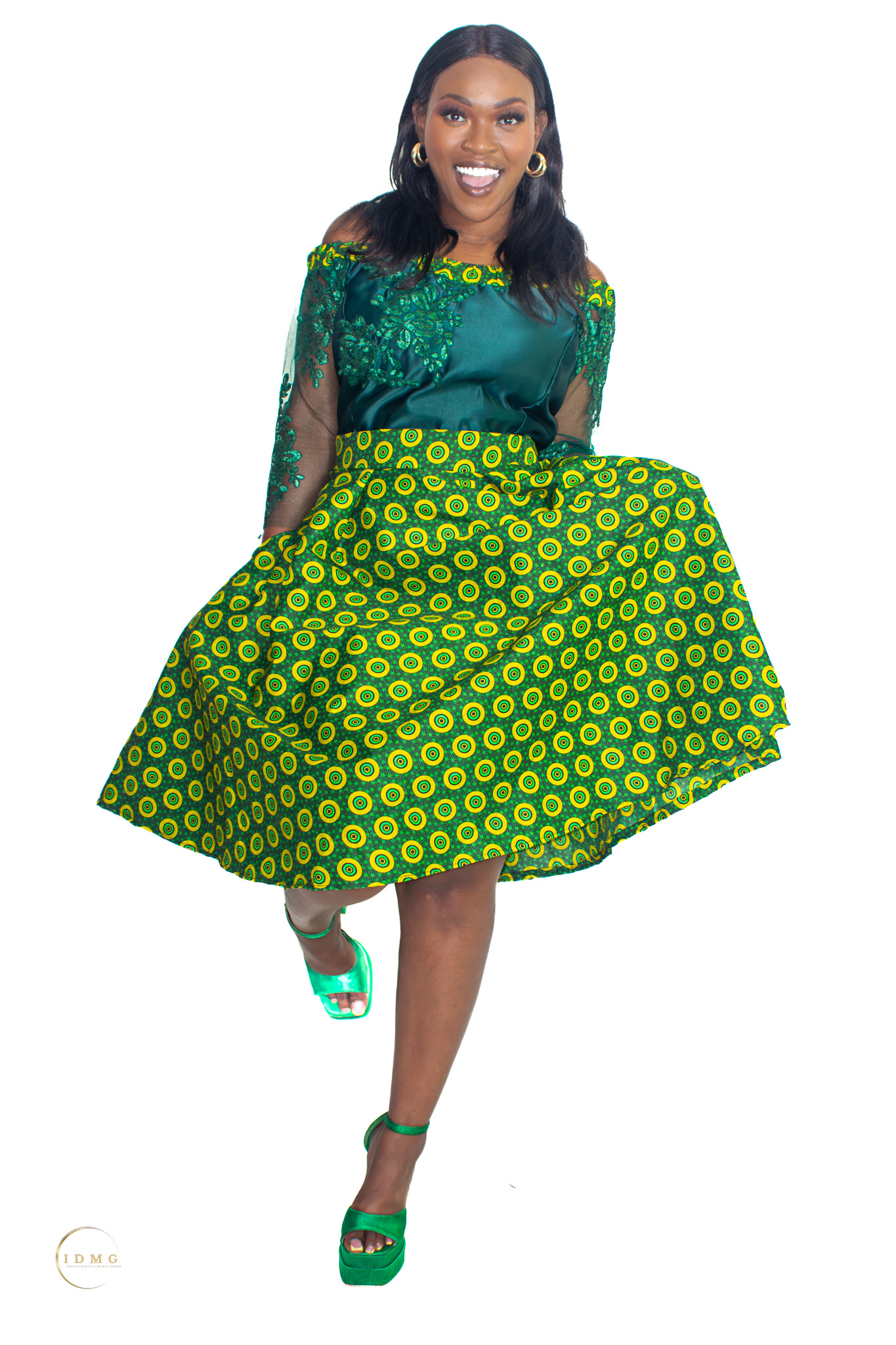
Showcasing the creative journey of Wiseman Khubeka, a.k.a. Wise-K Designer
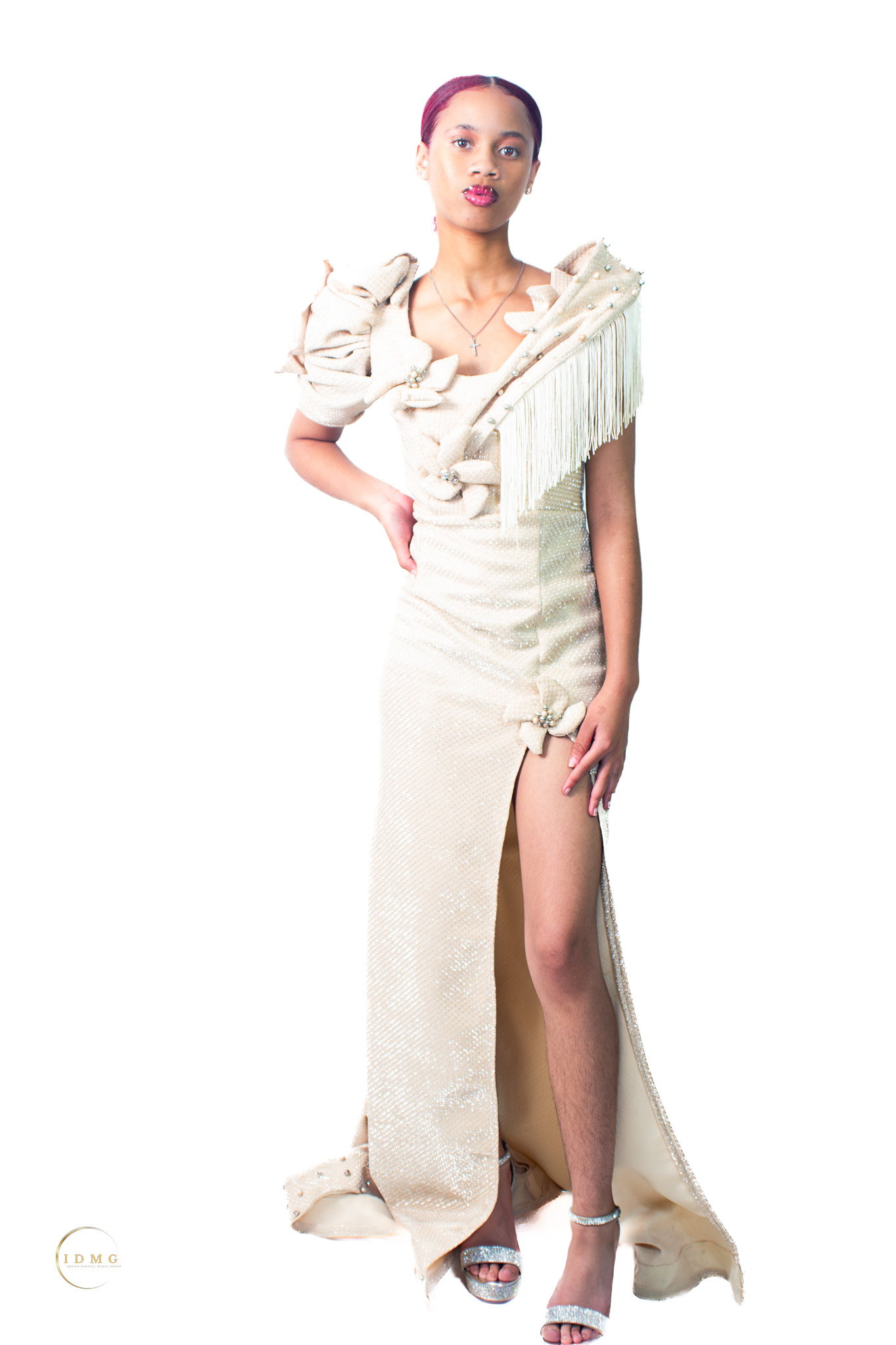
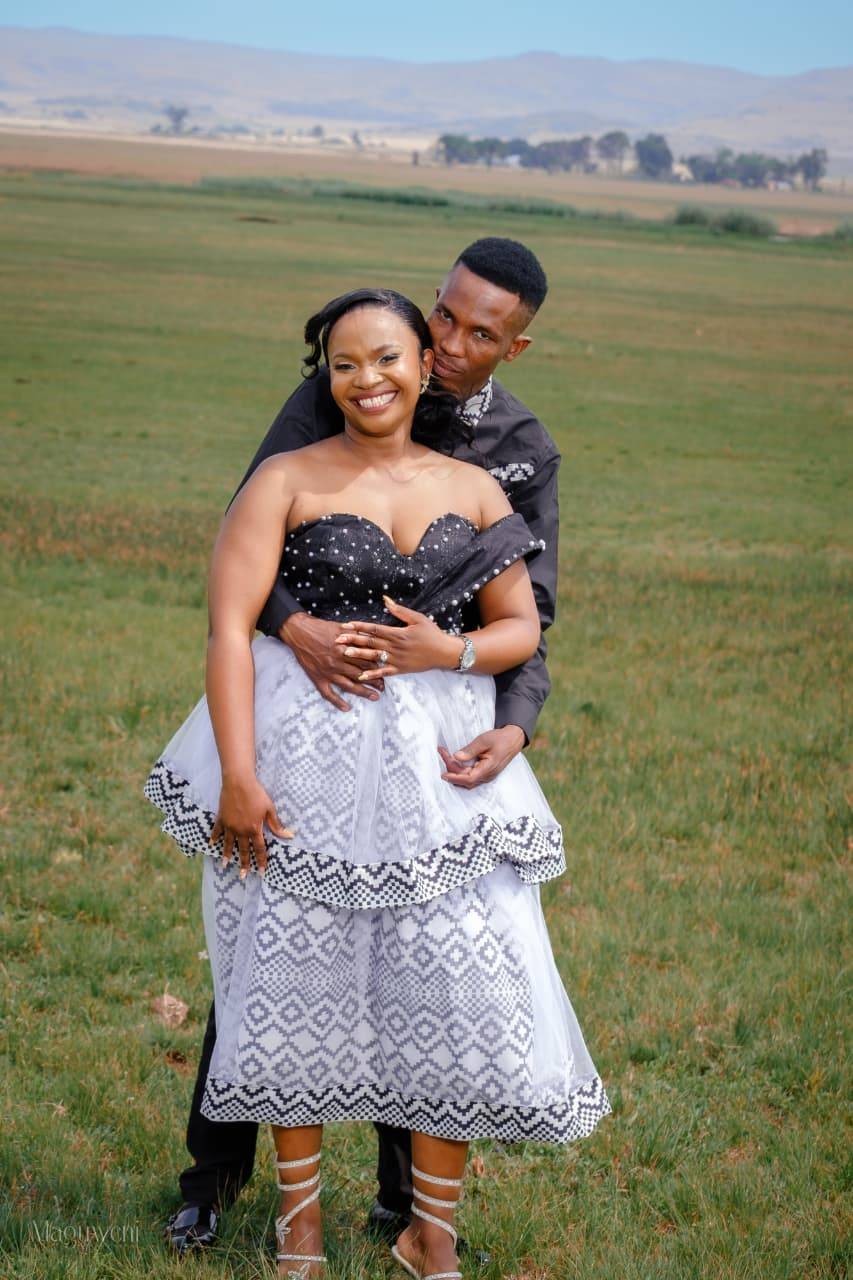
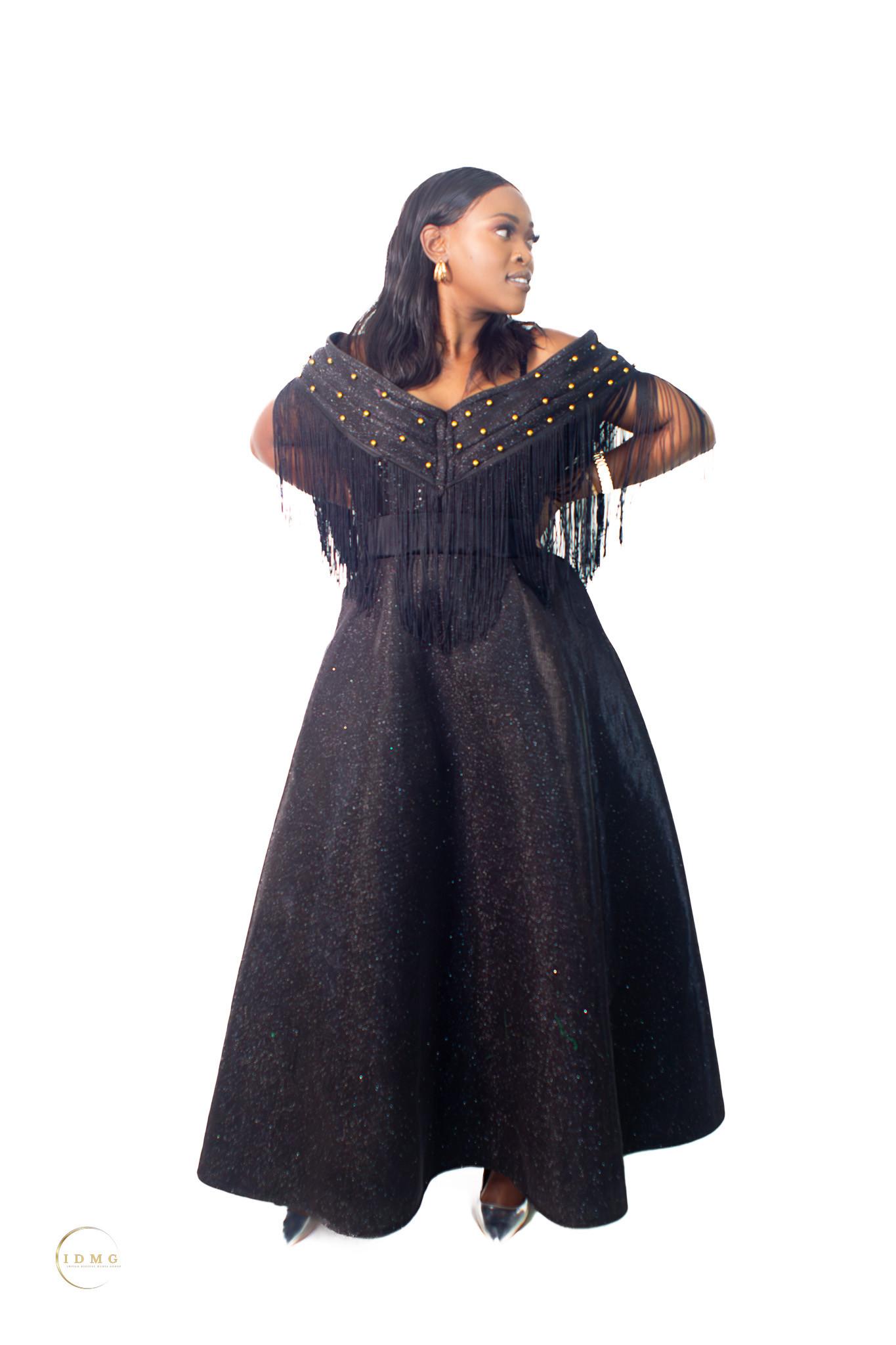

“Wise-K Designer will be a home for those burning to bring their designs to life.”

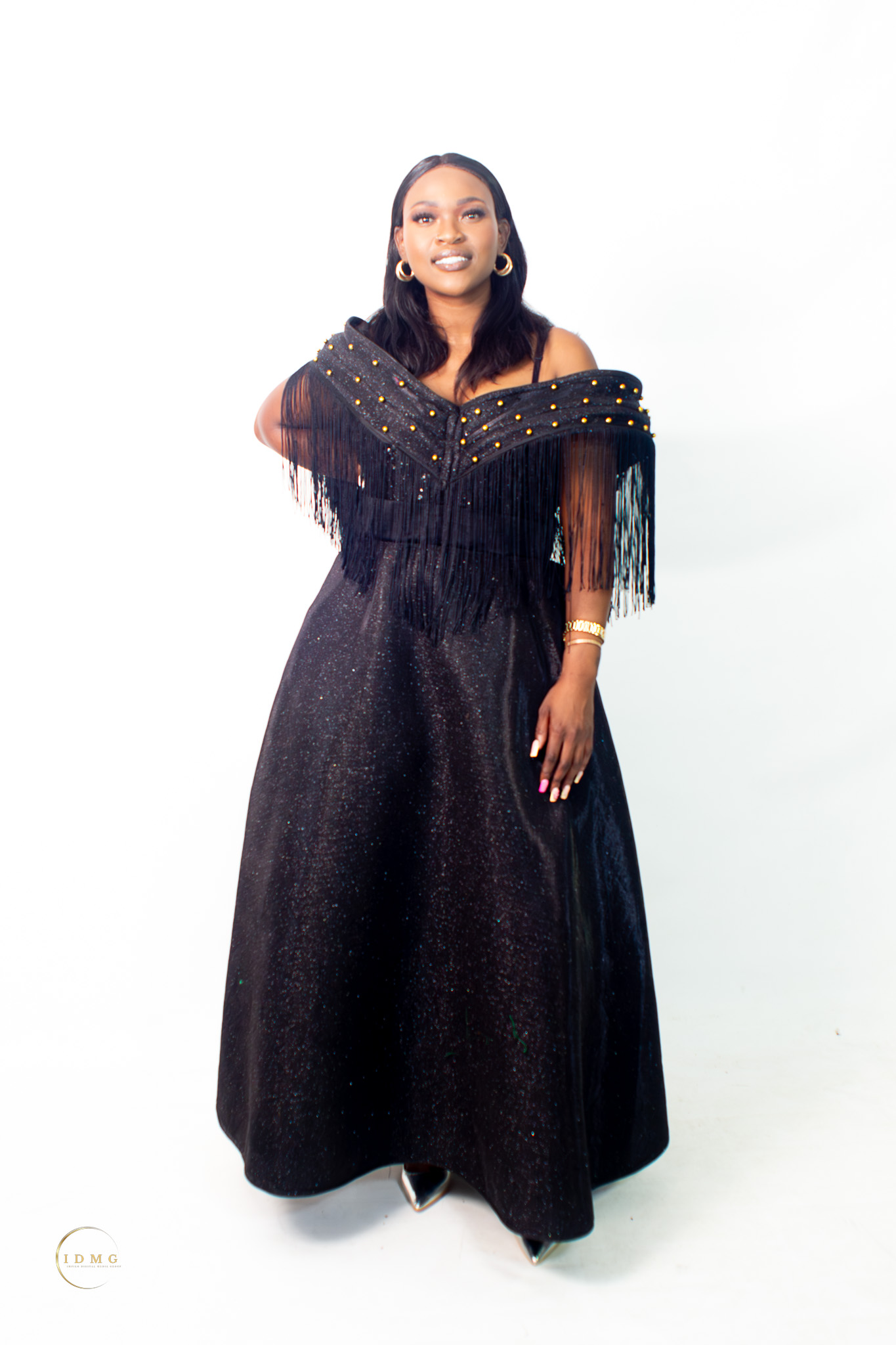
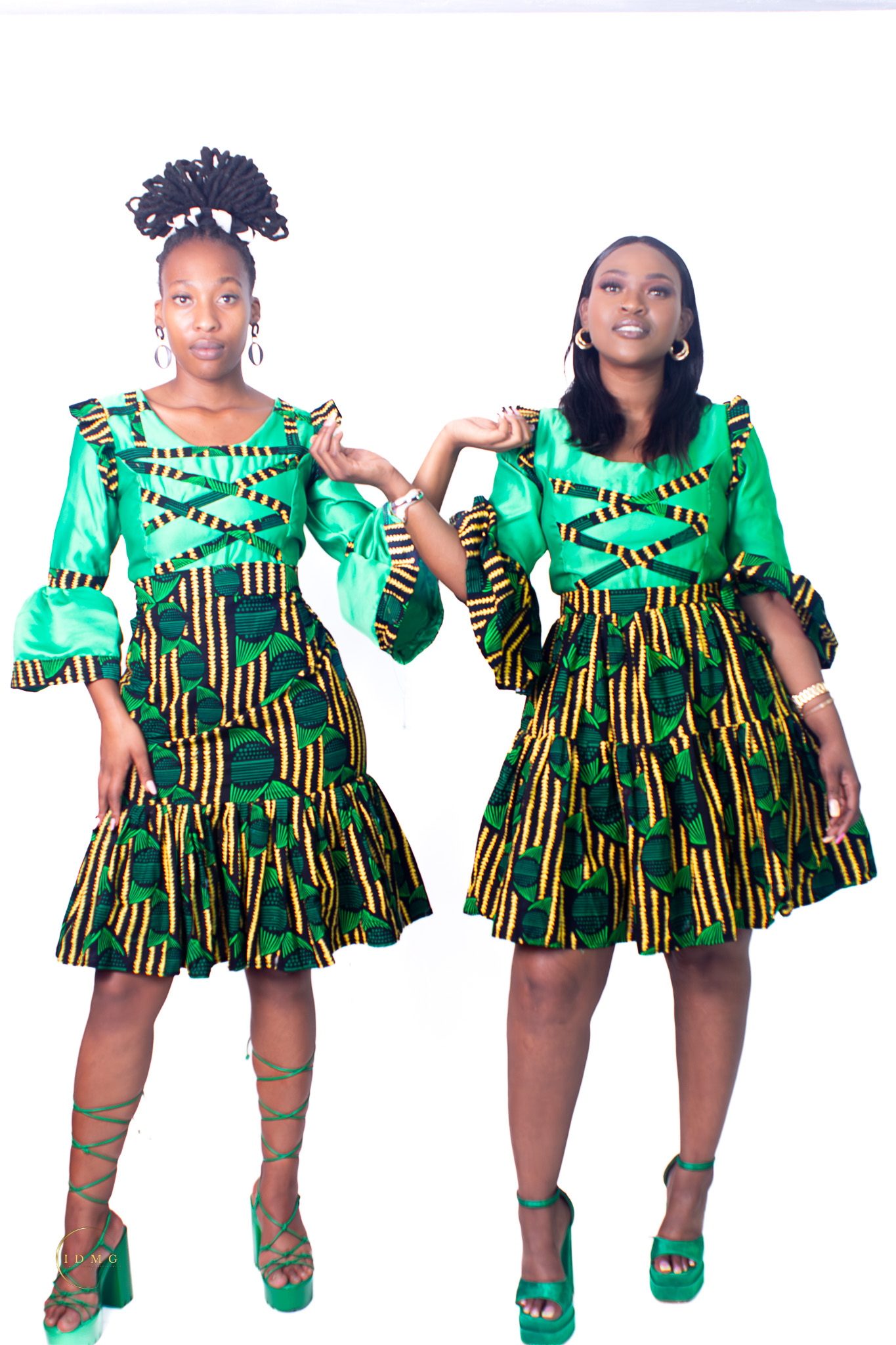
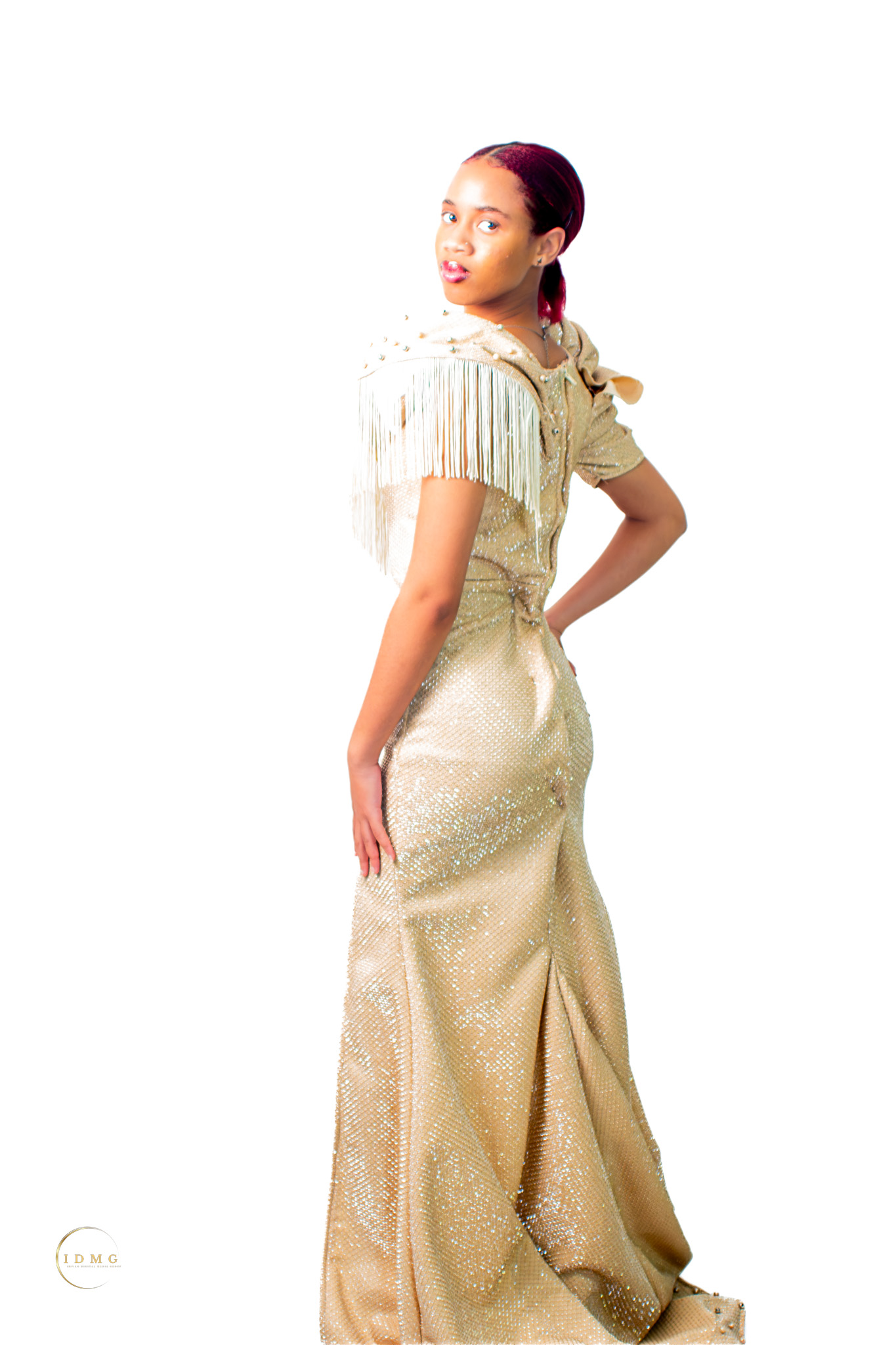
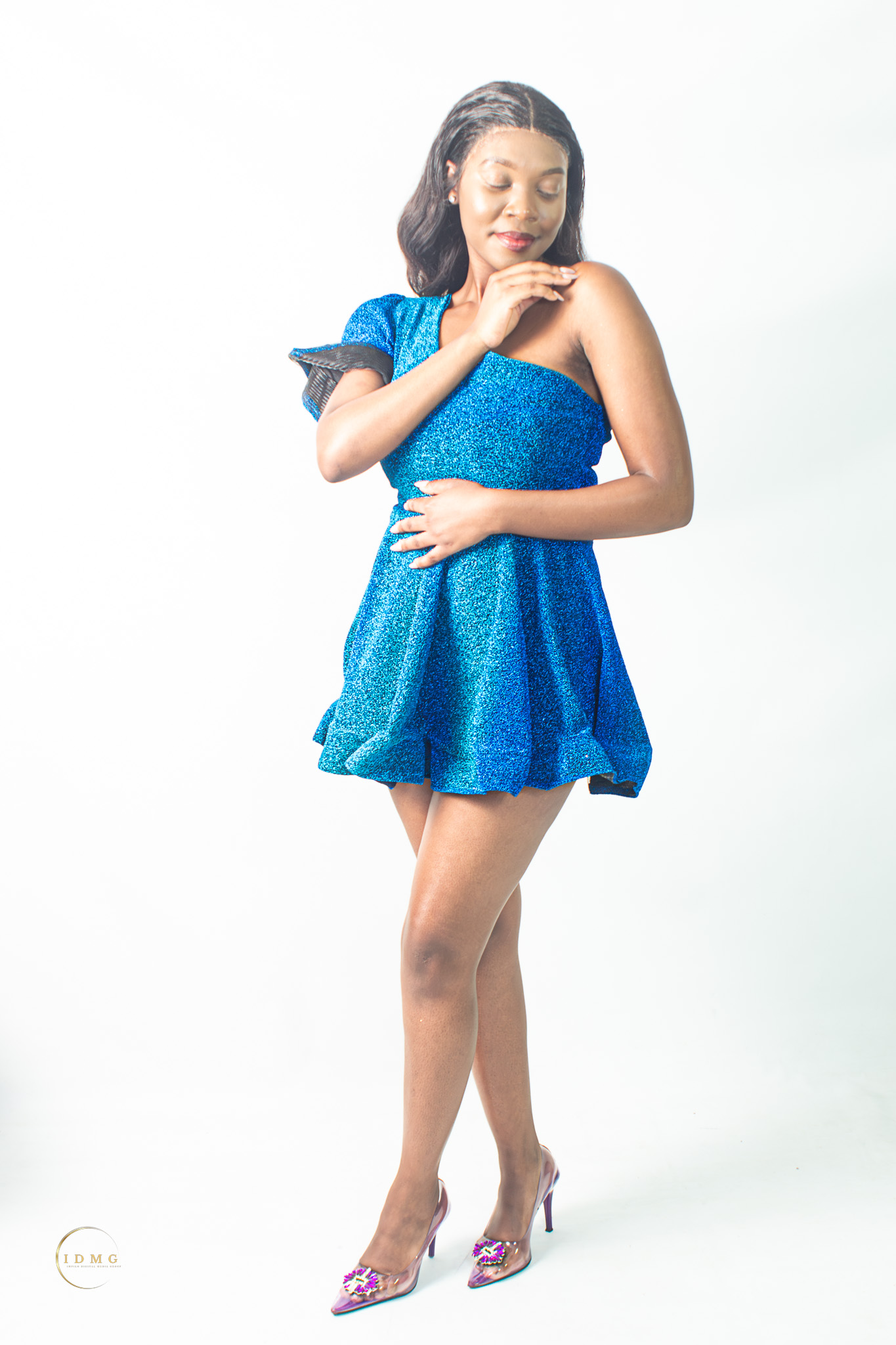
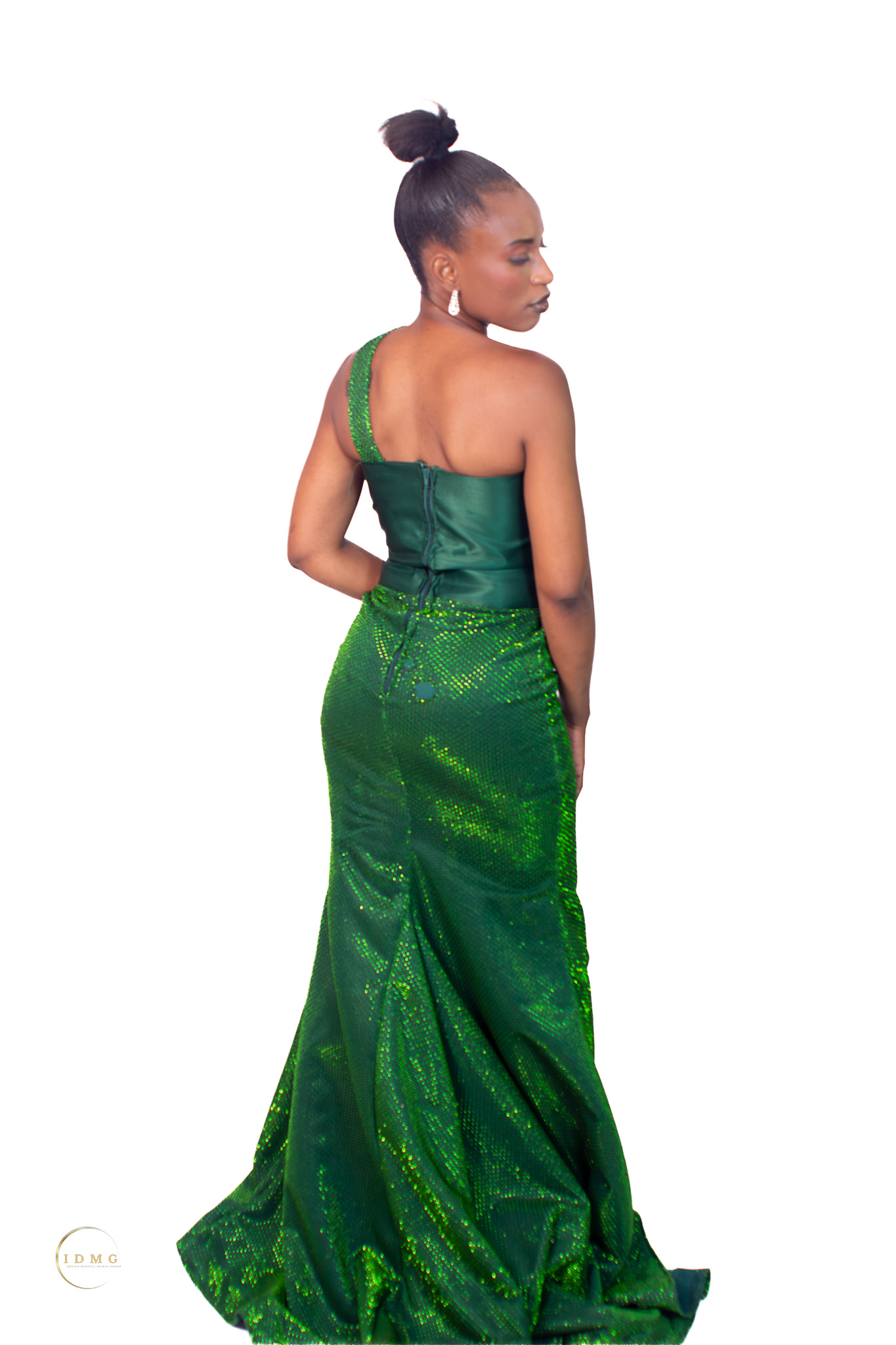
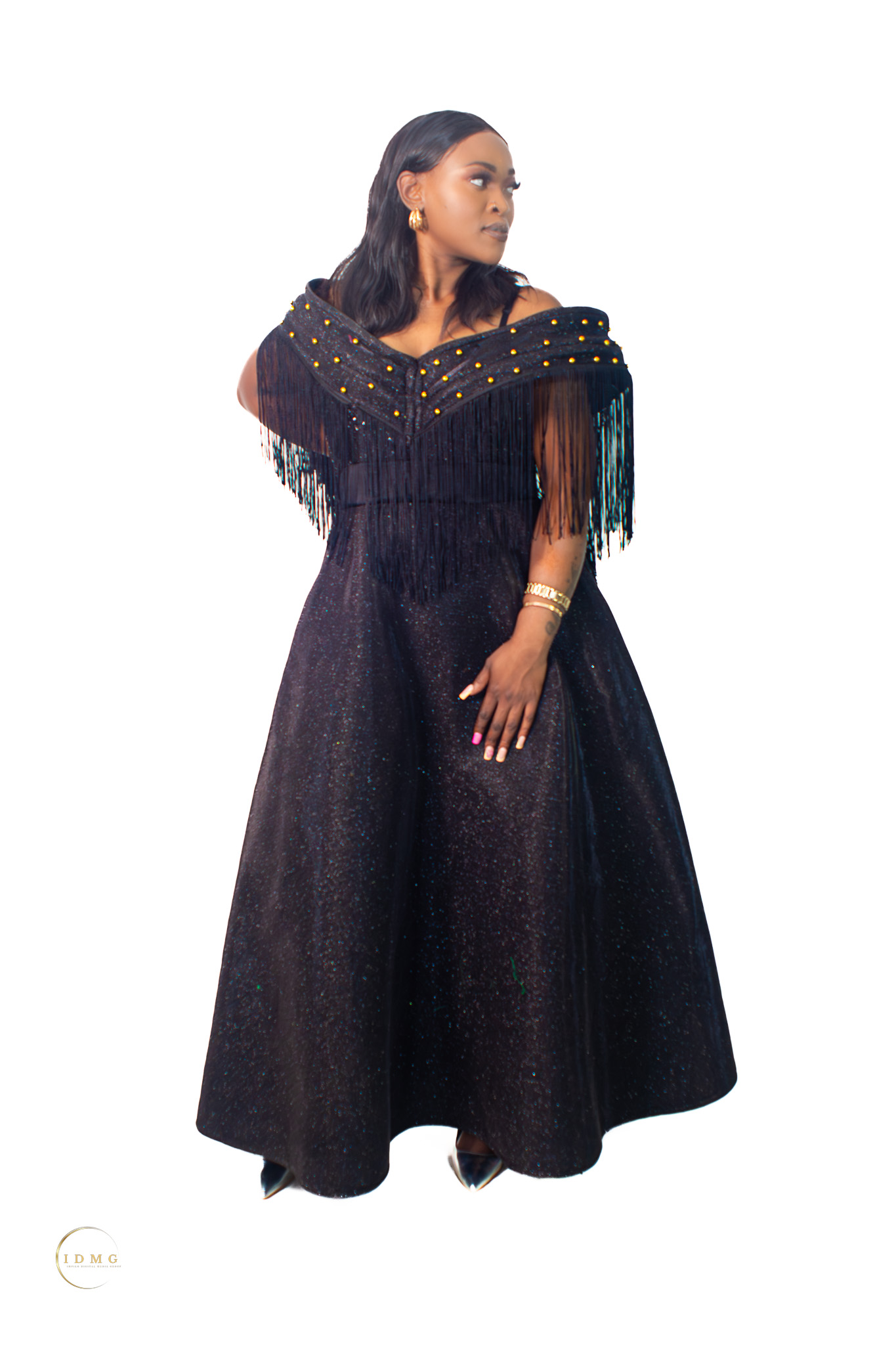
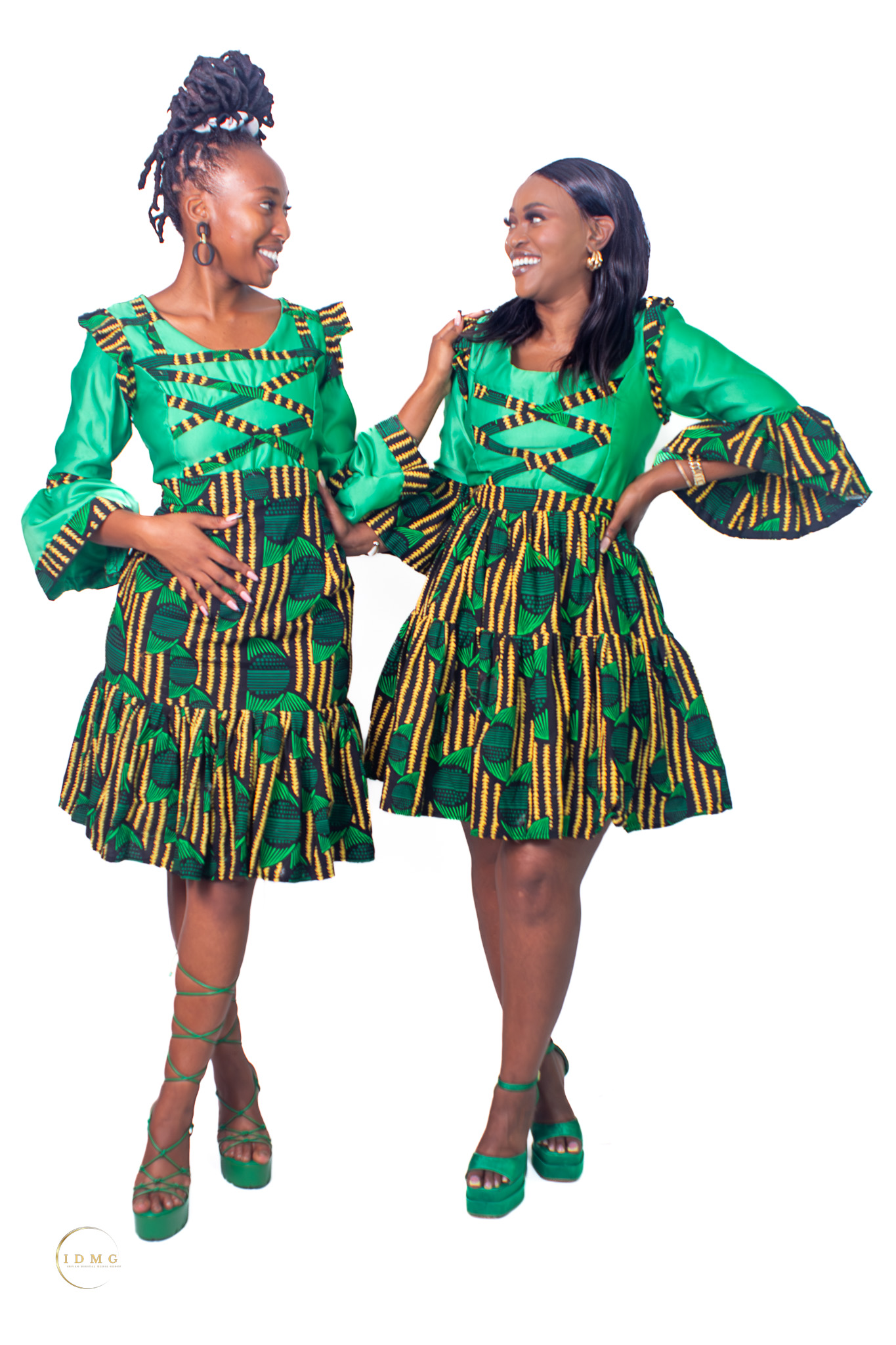
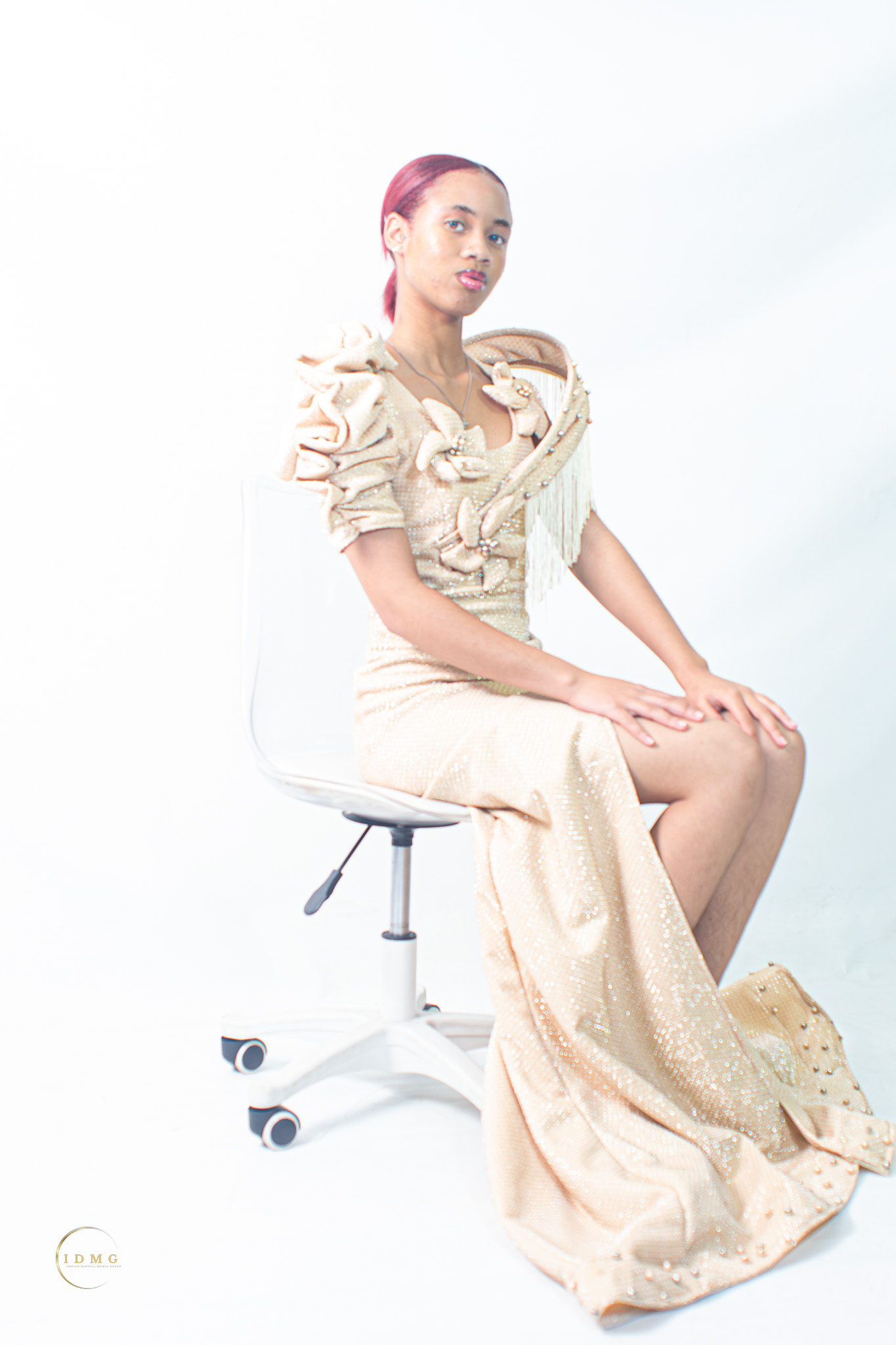
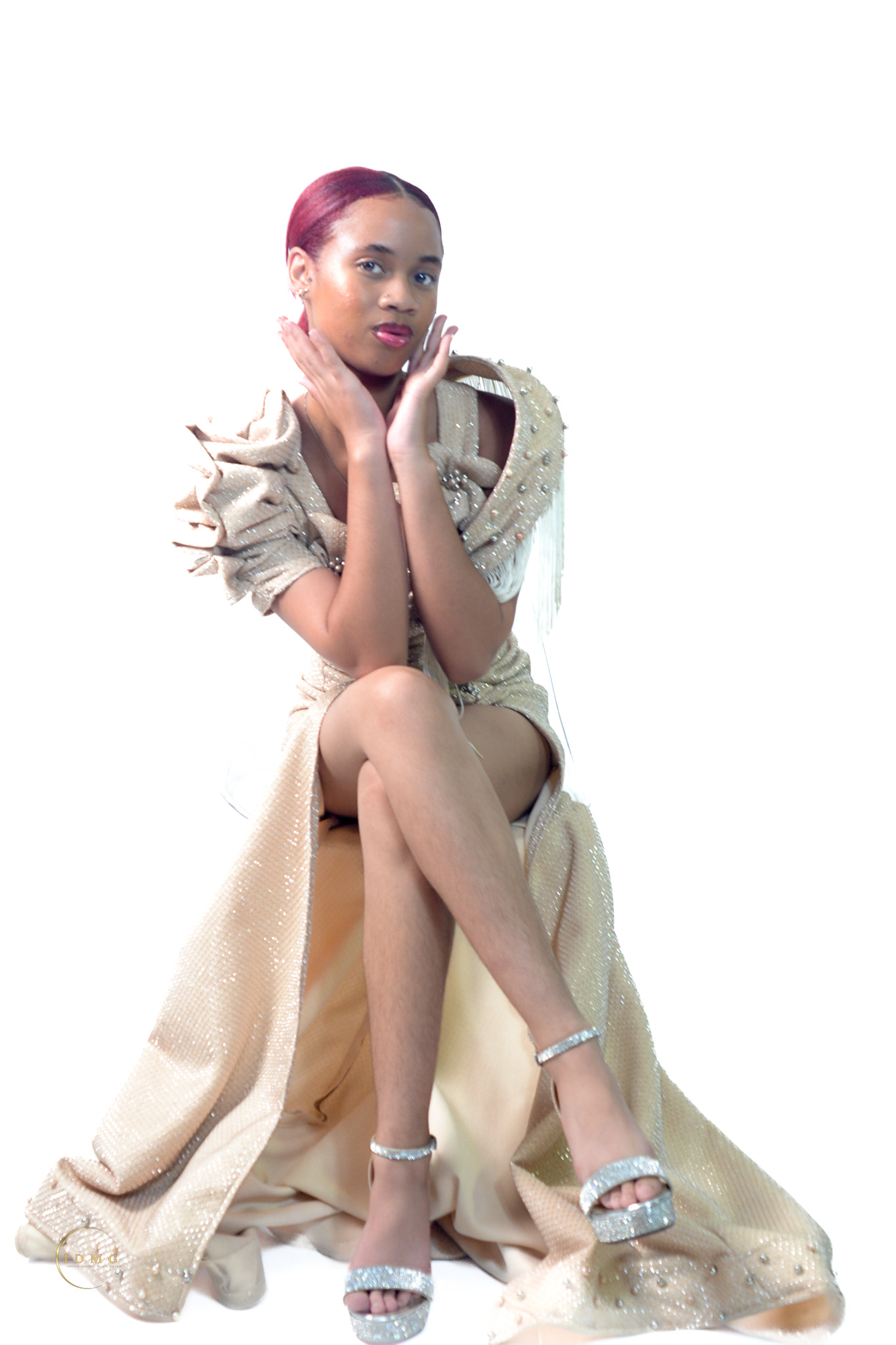
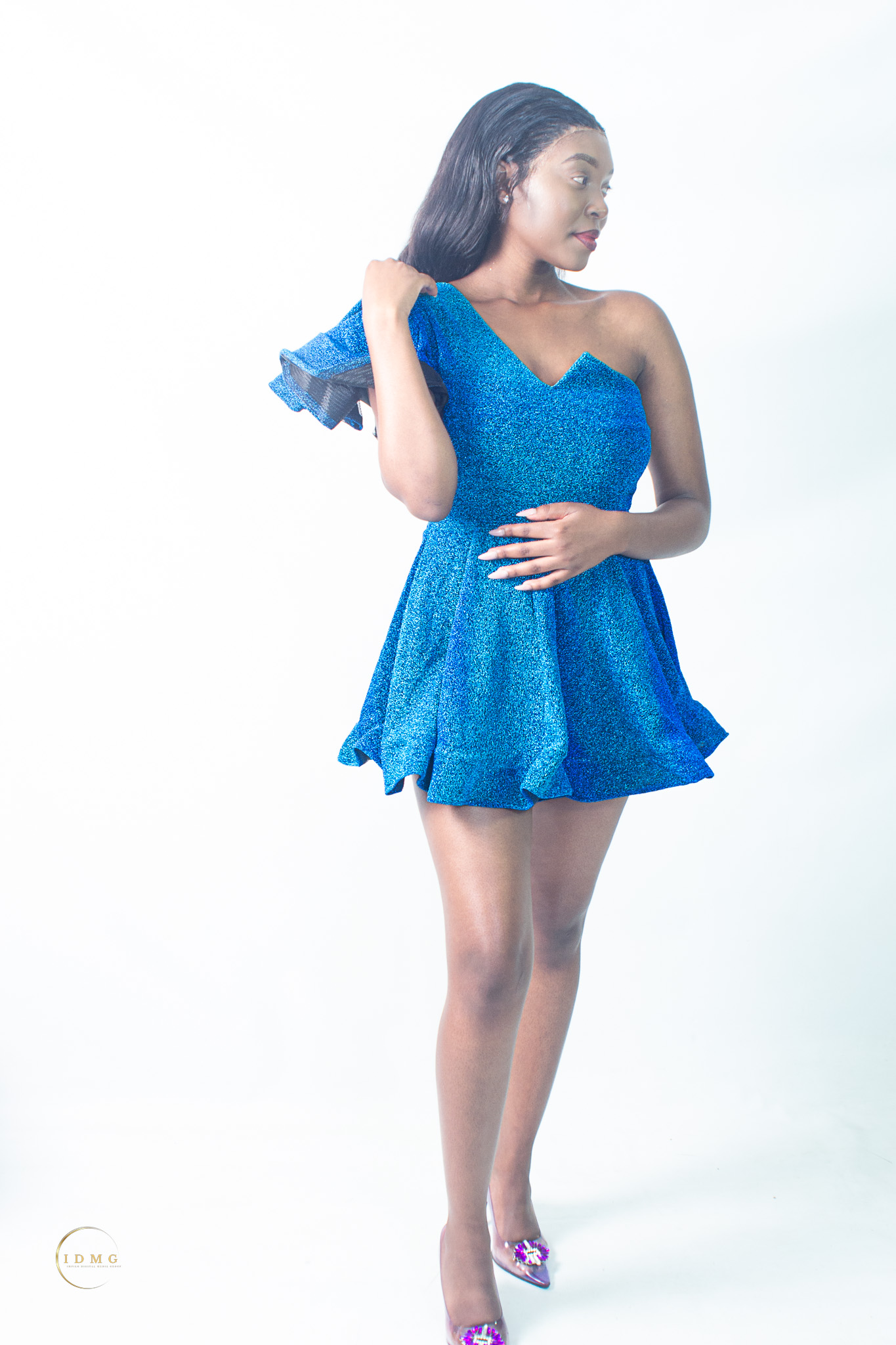
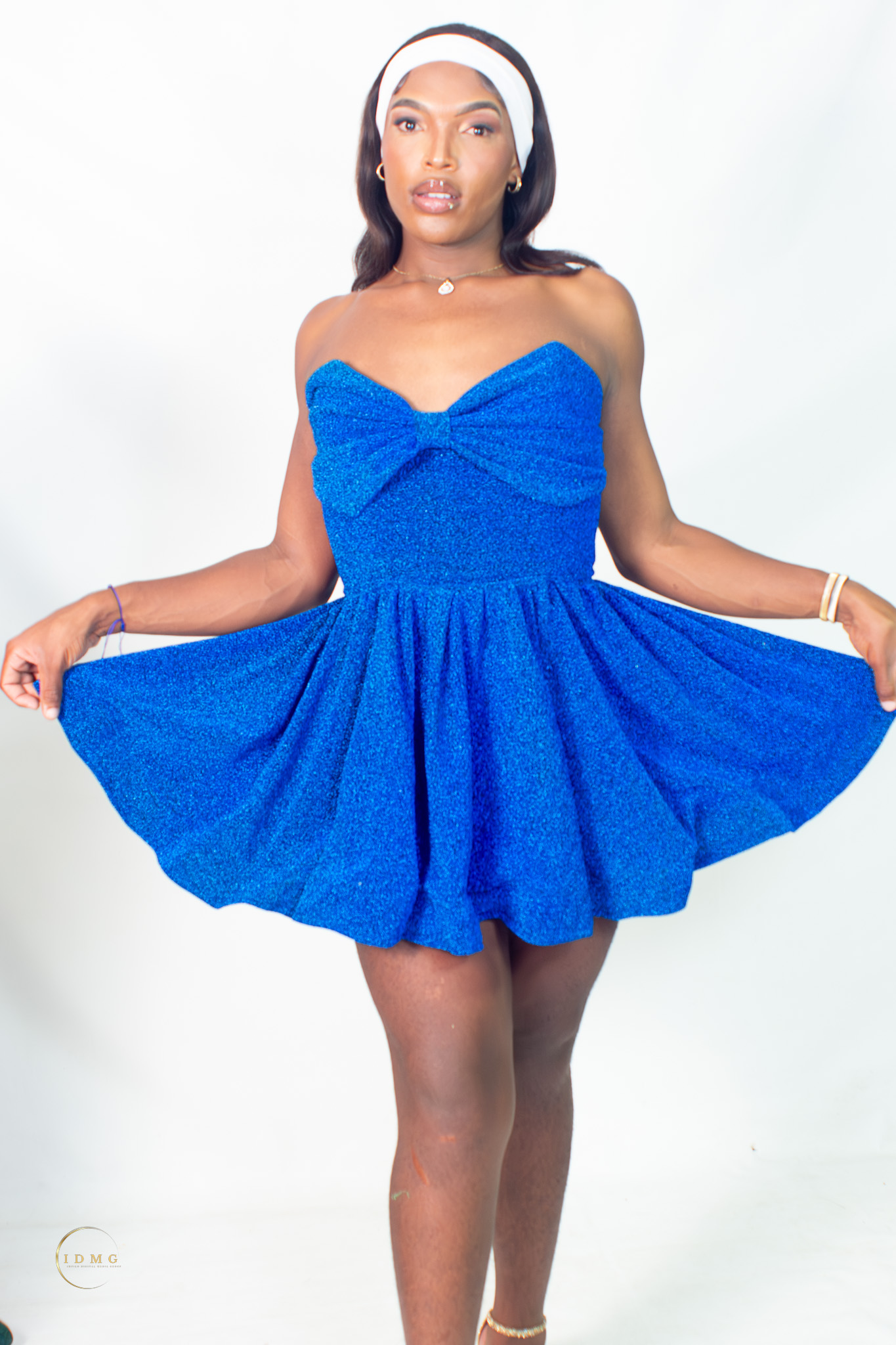
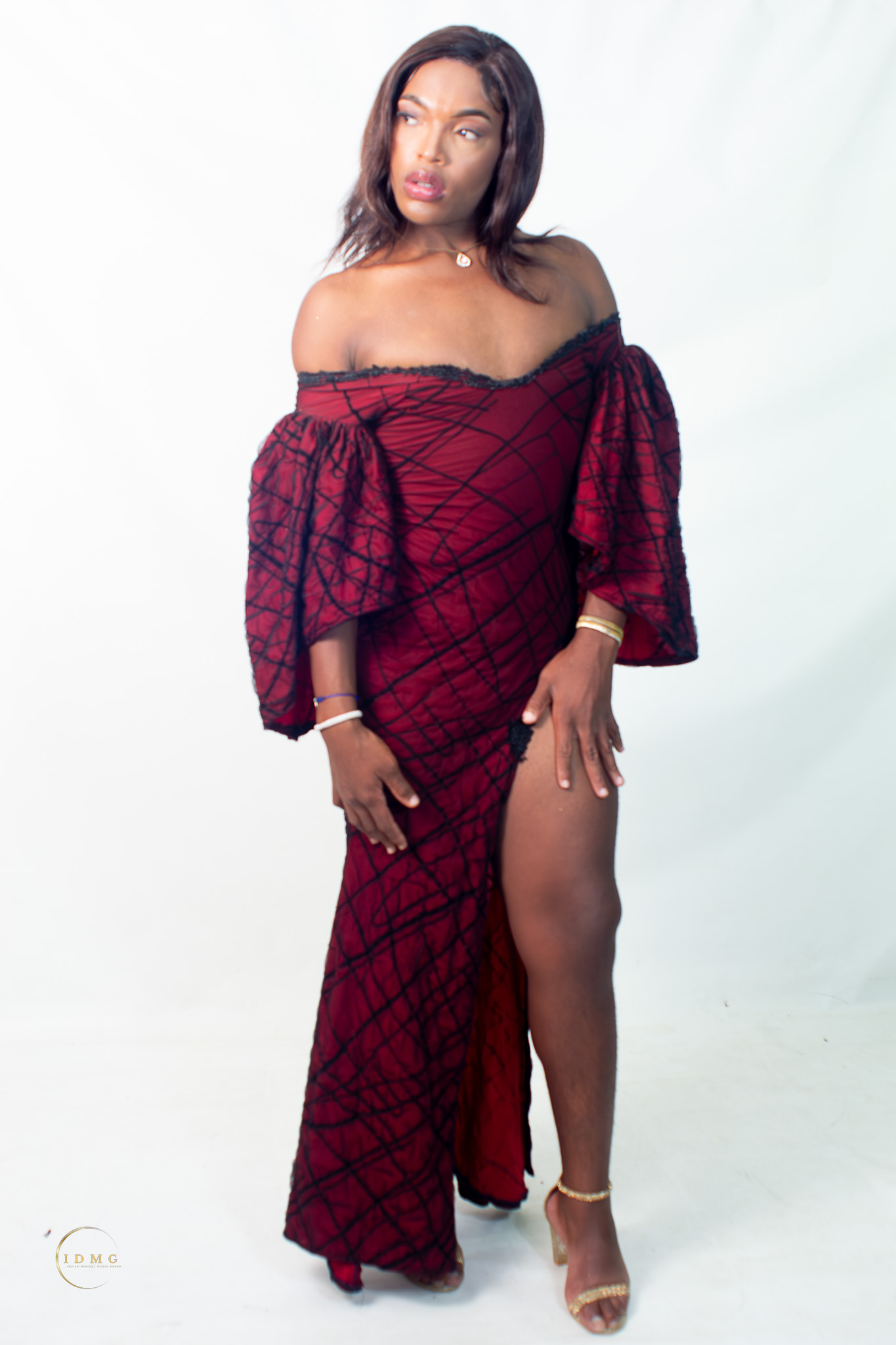
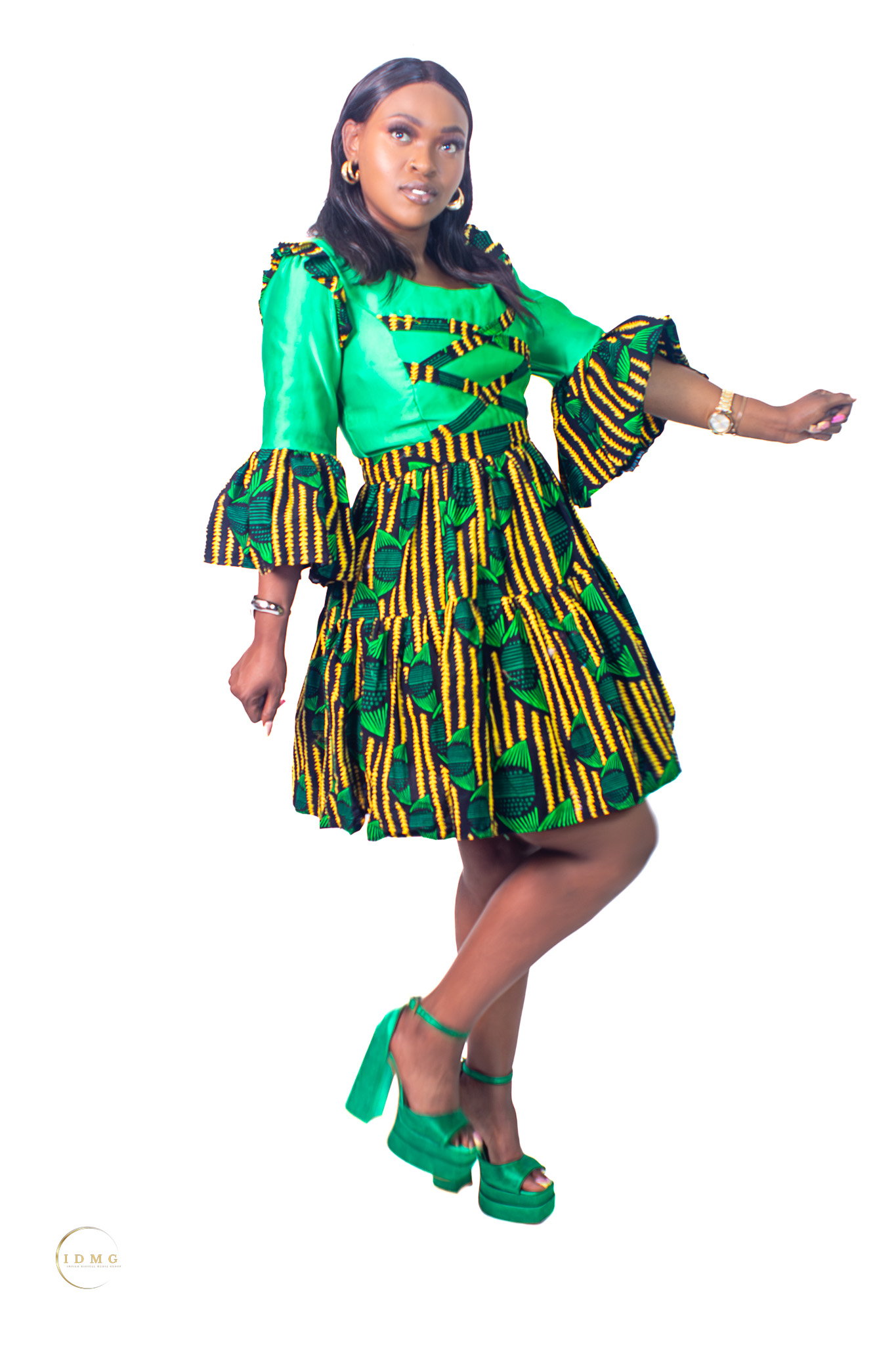
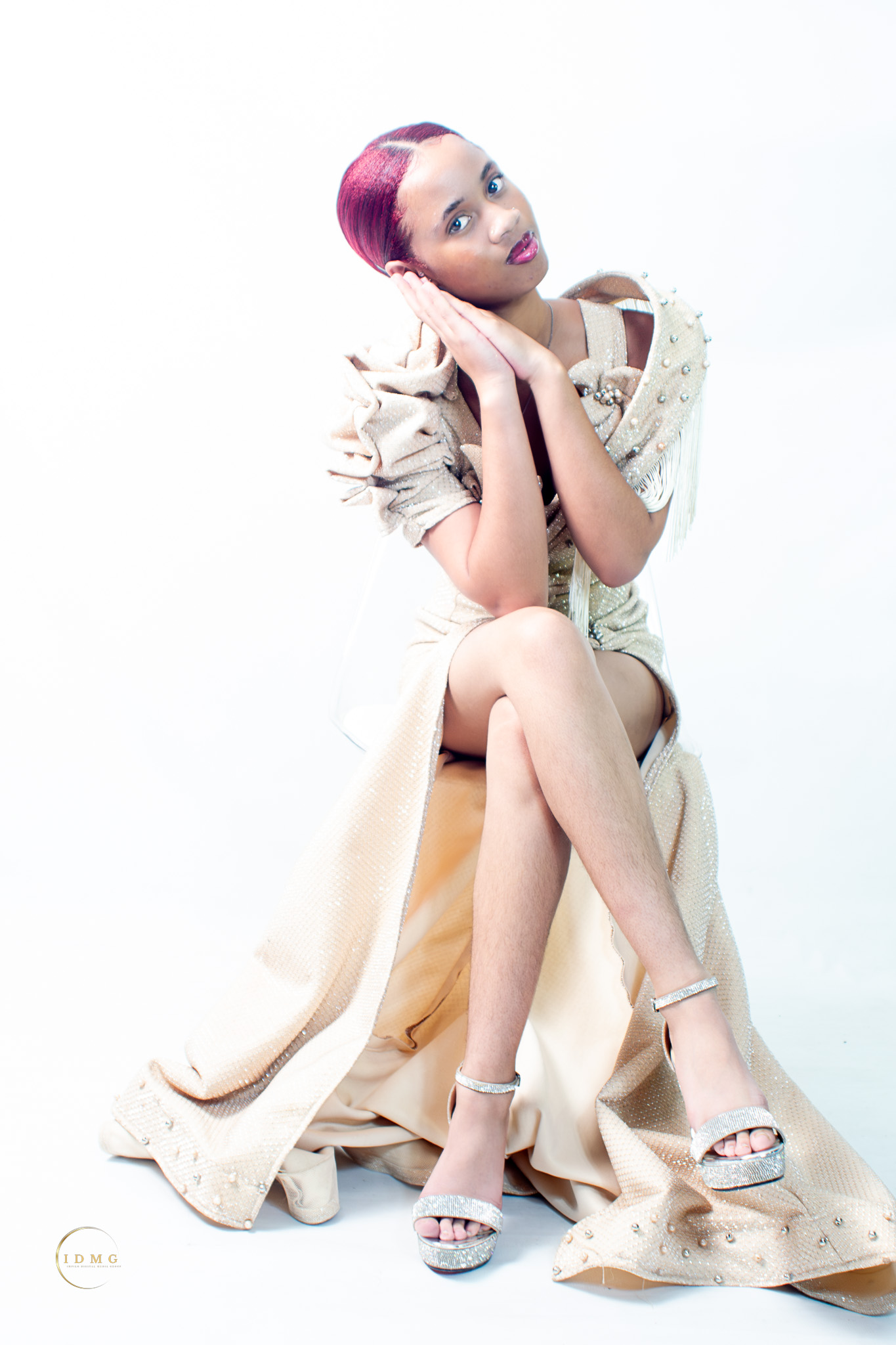
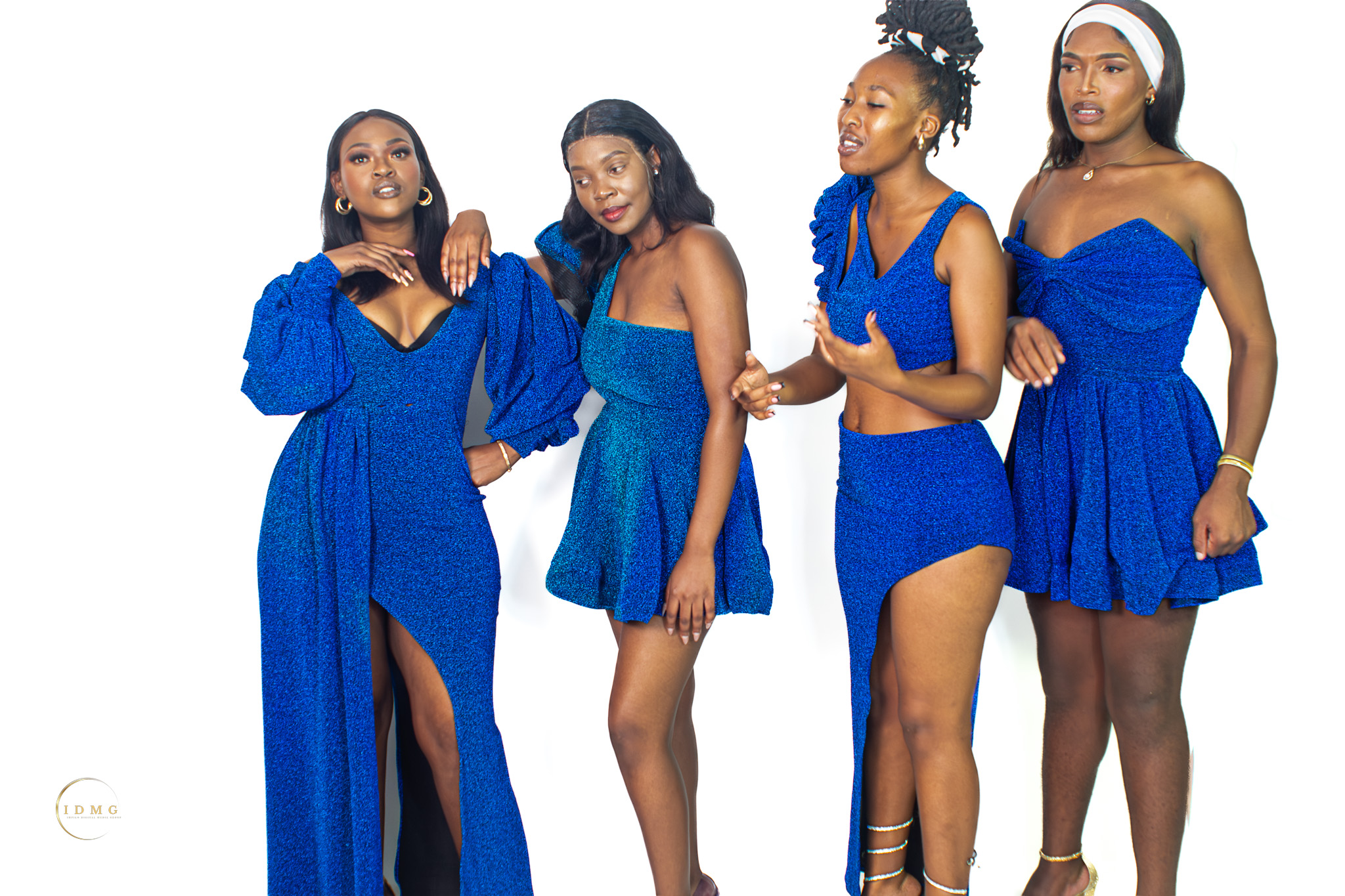
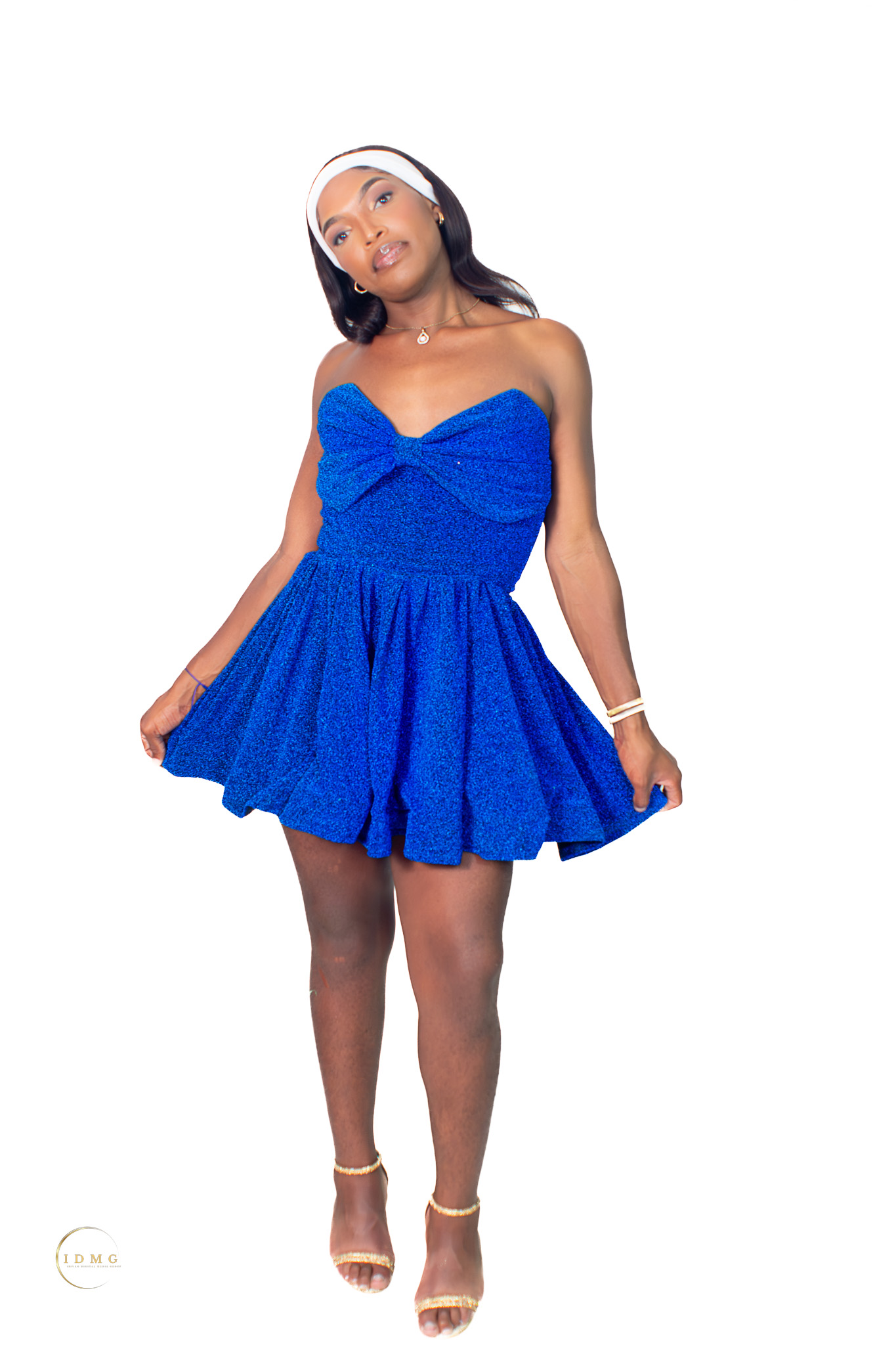
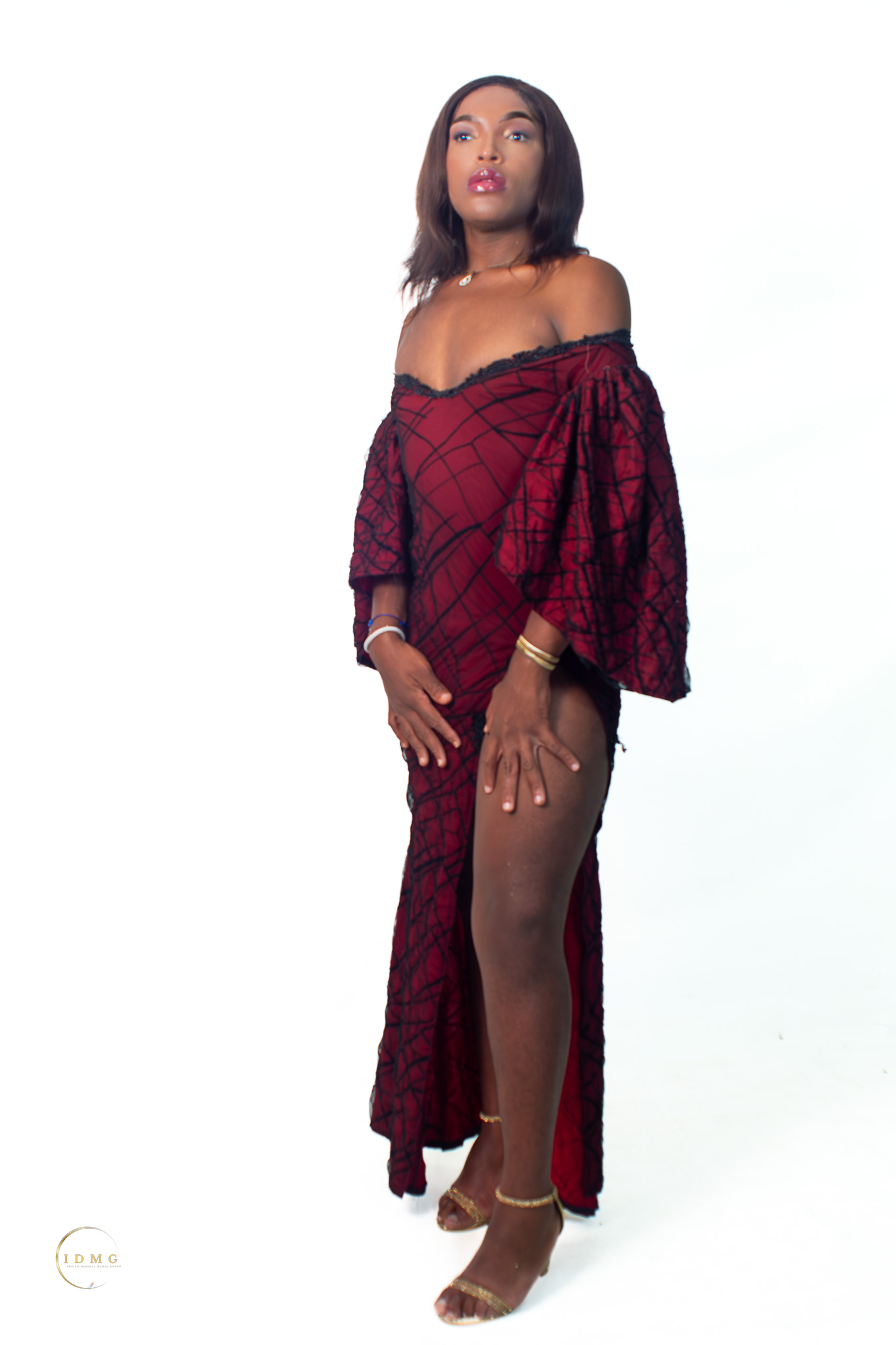
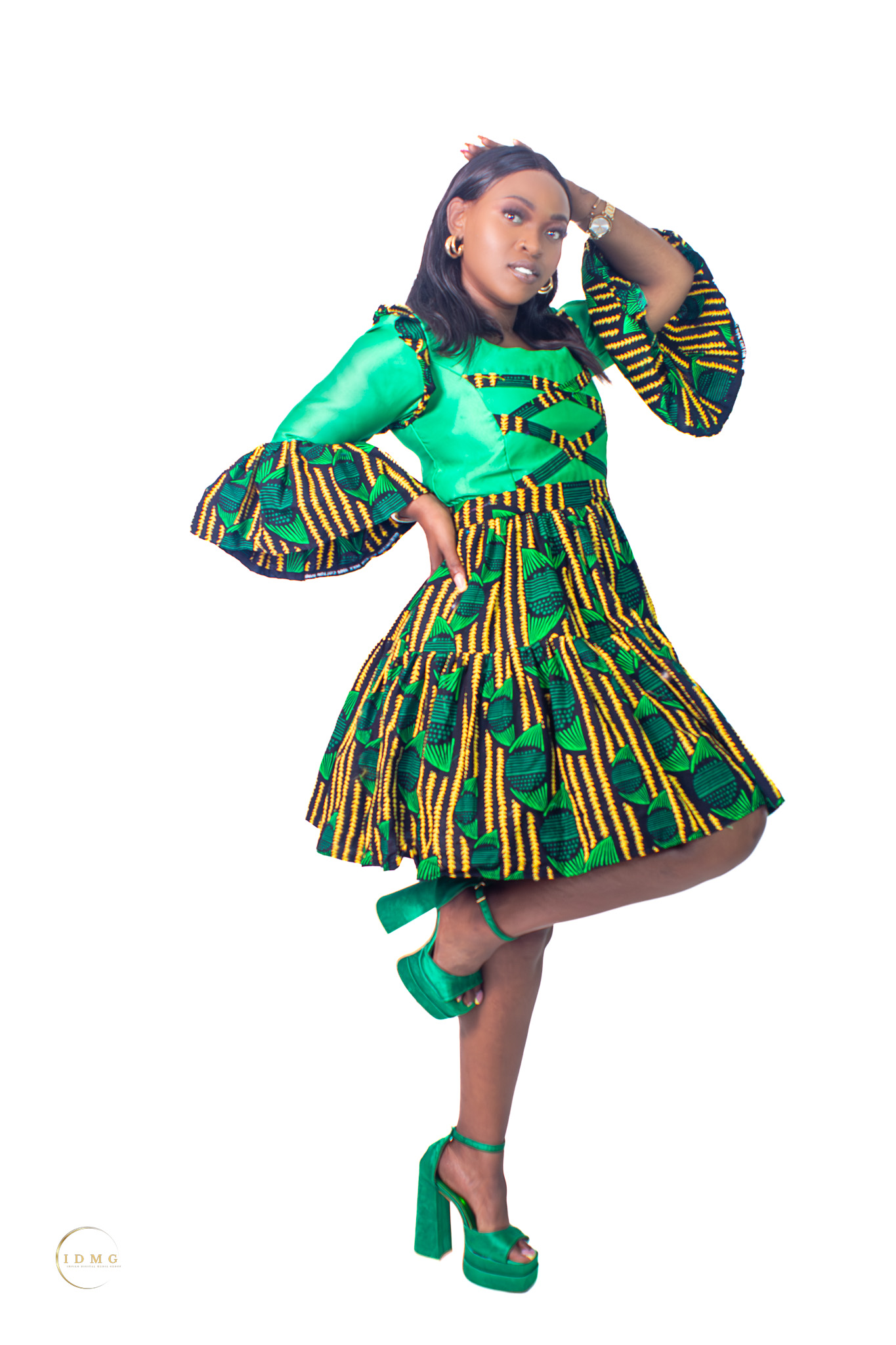
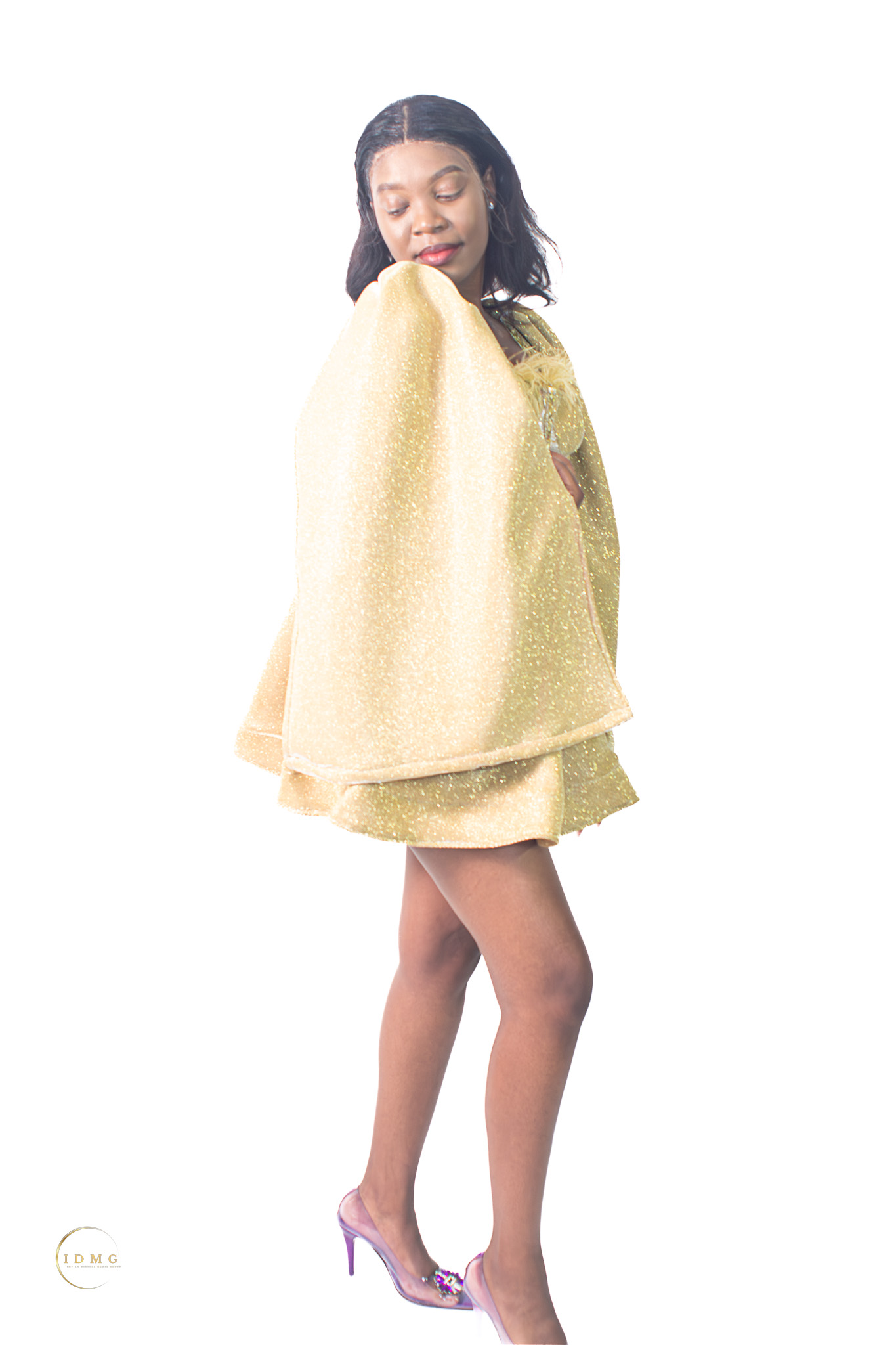
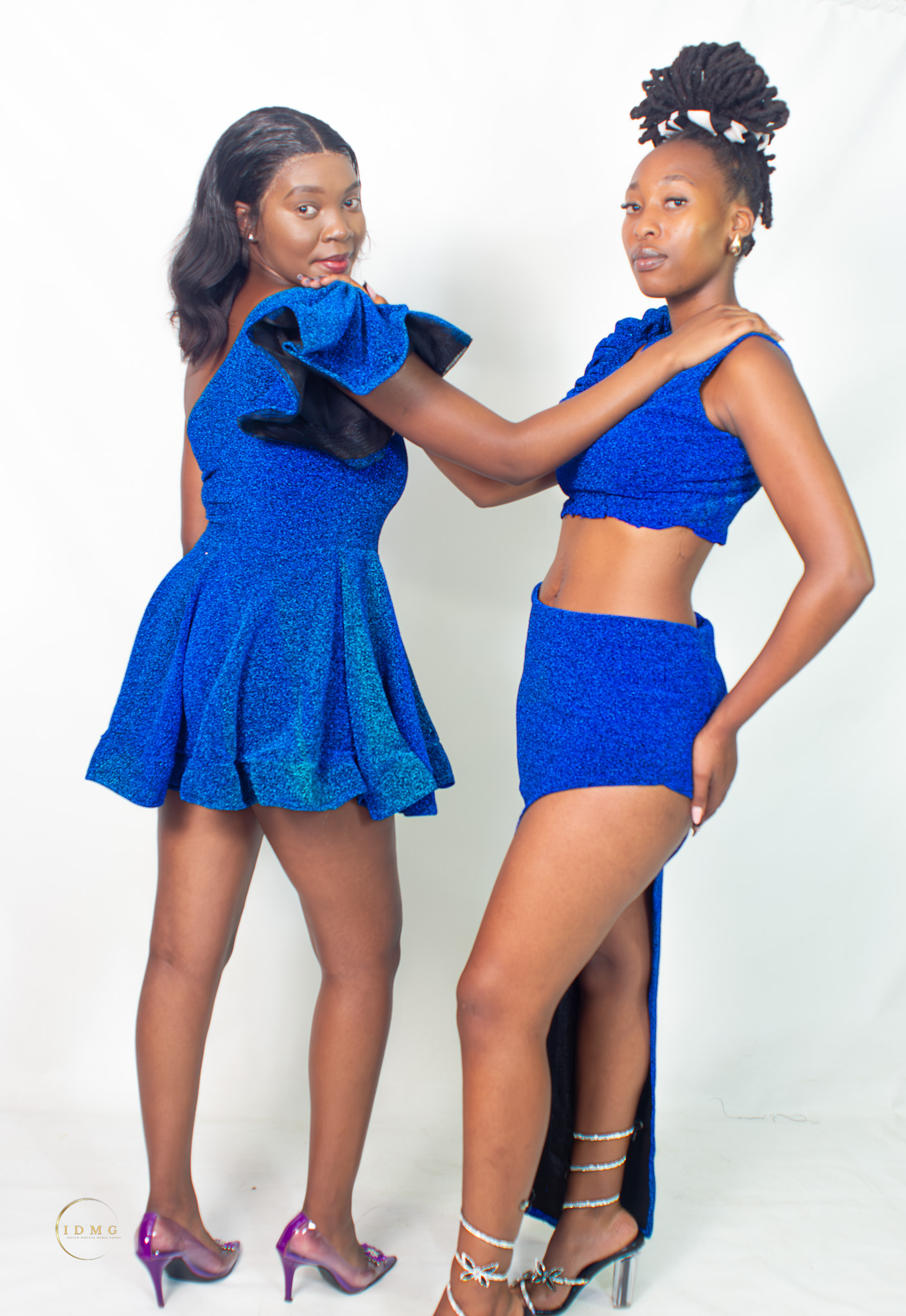
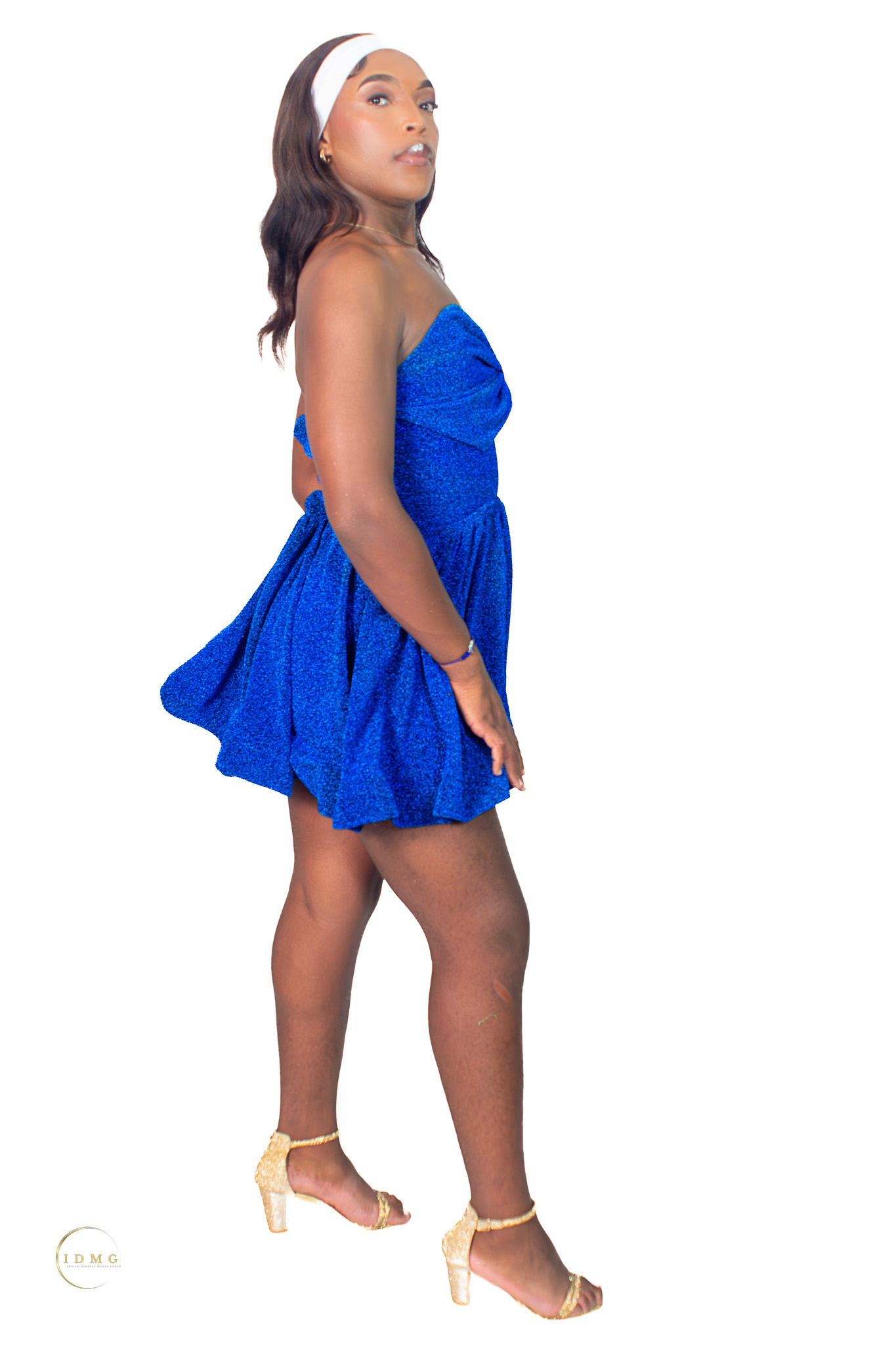
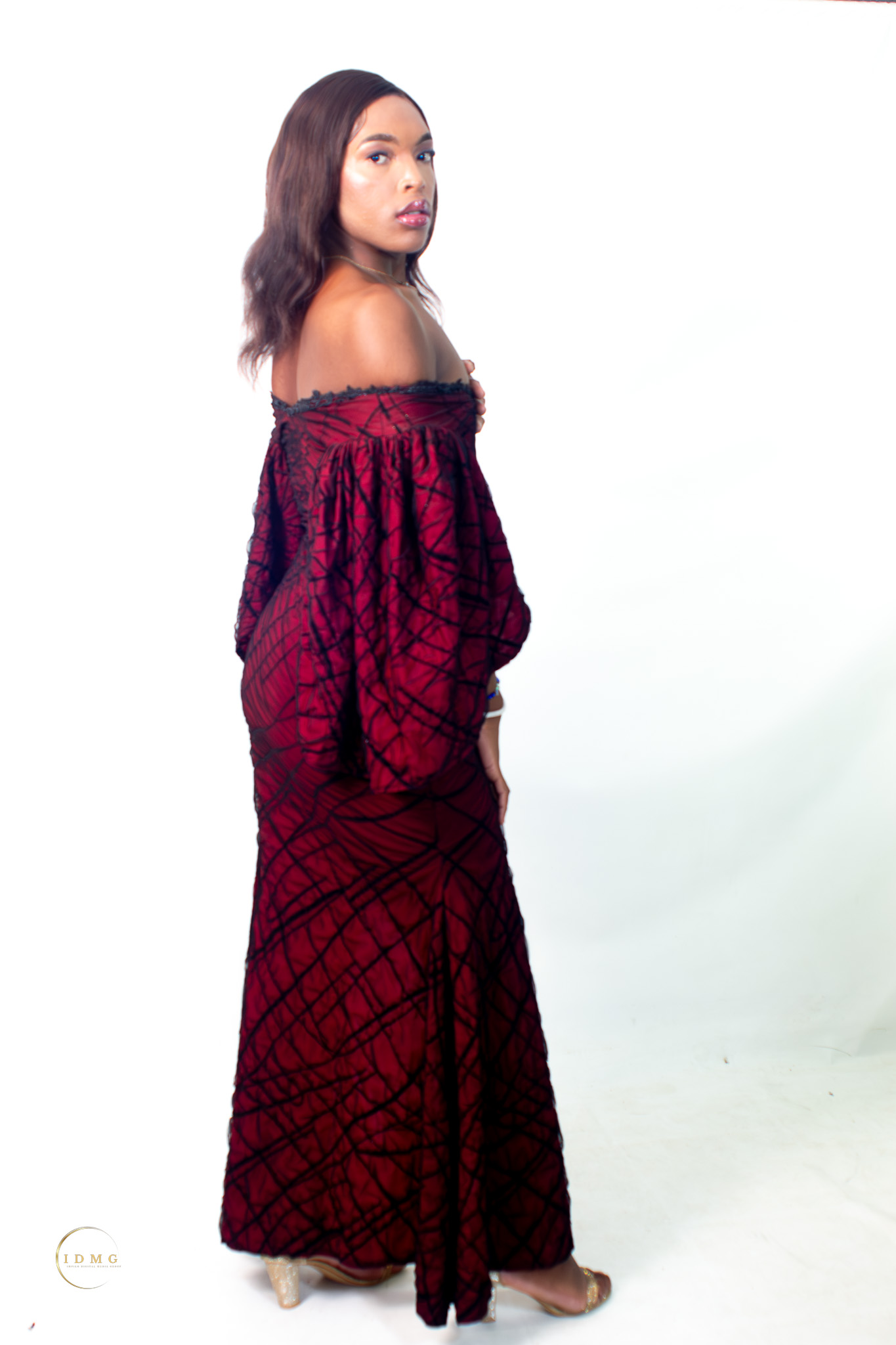
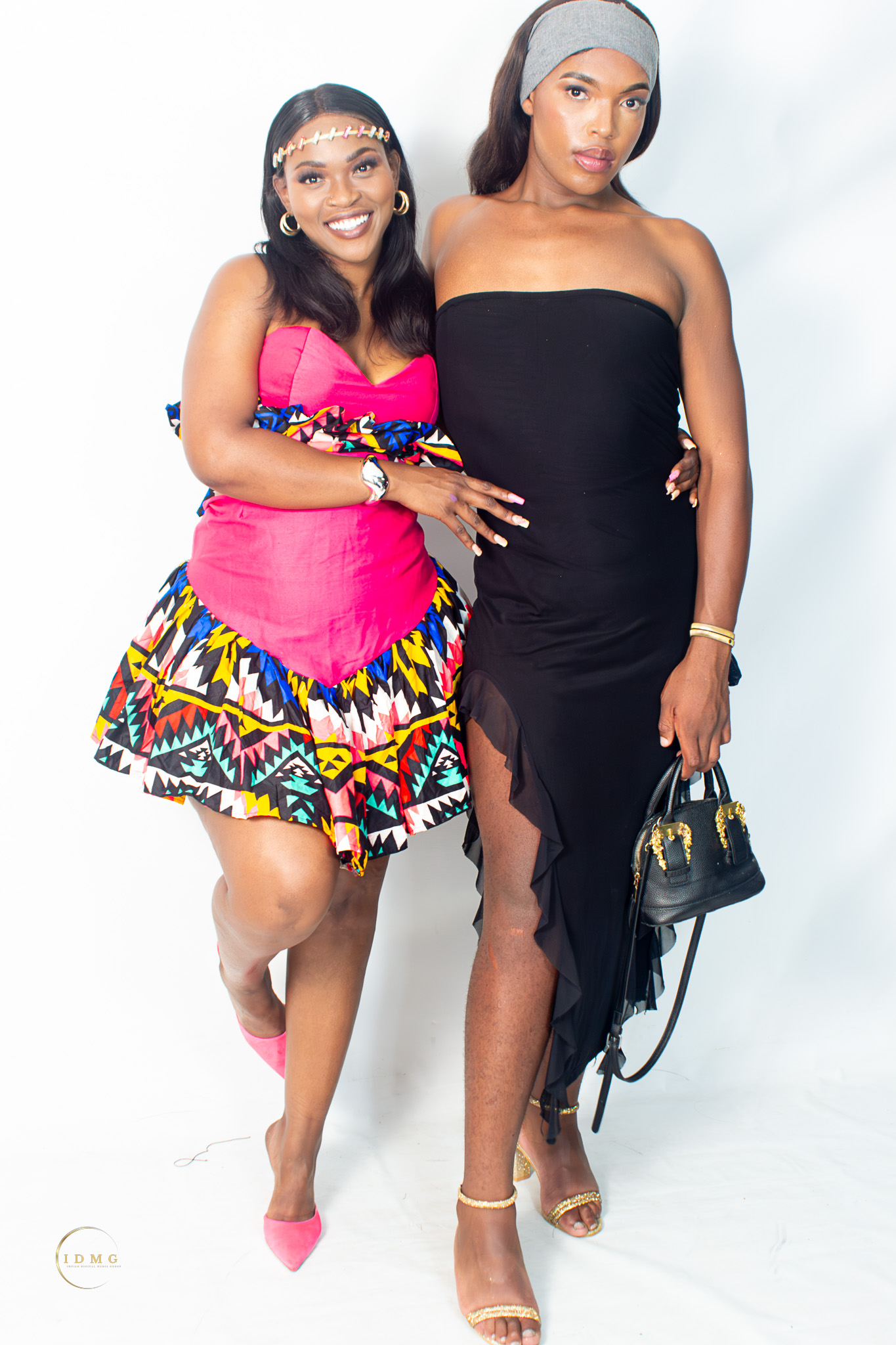
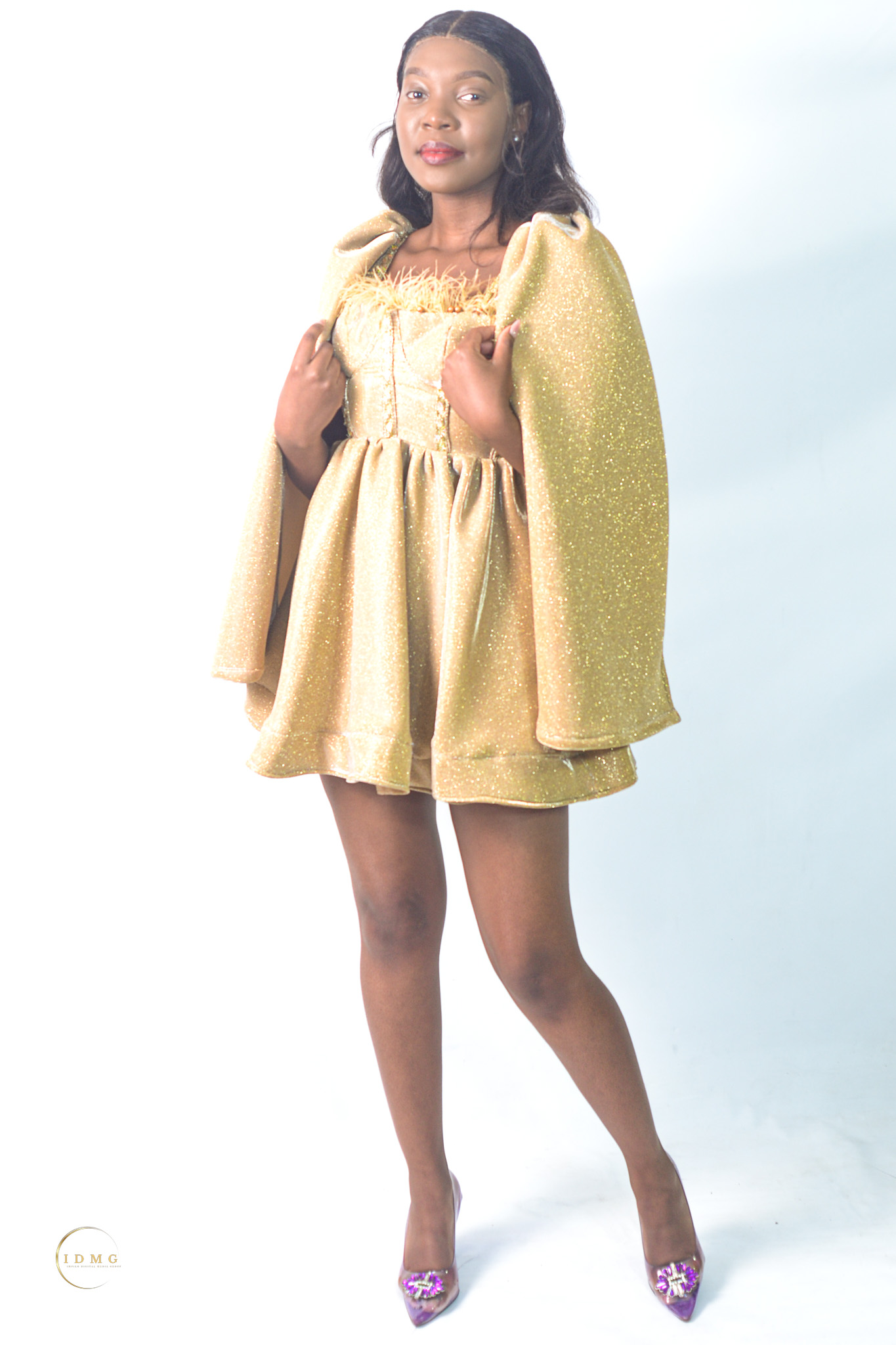
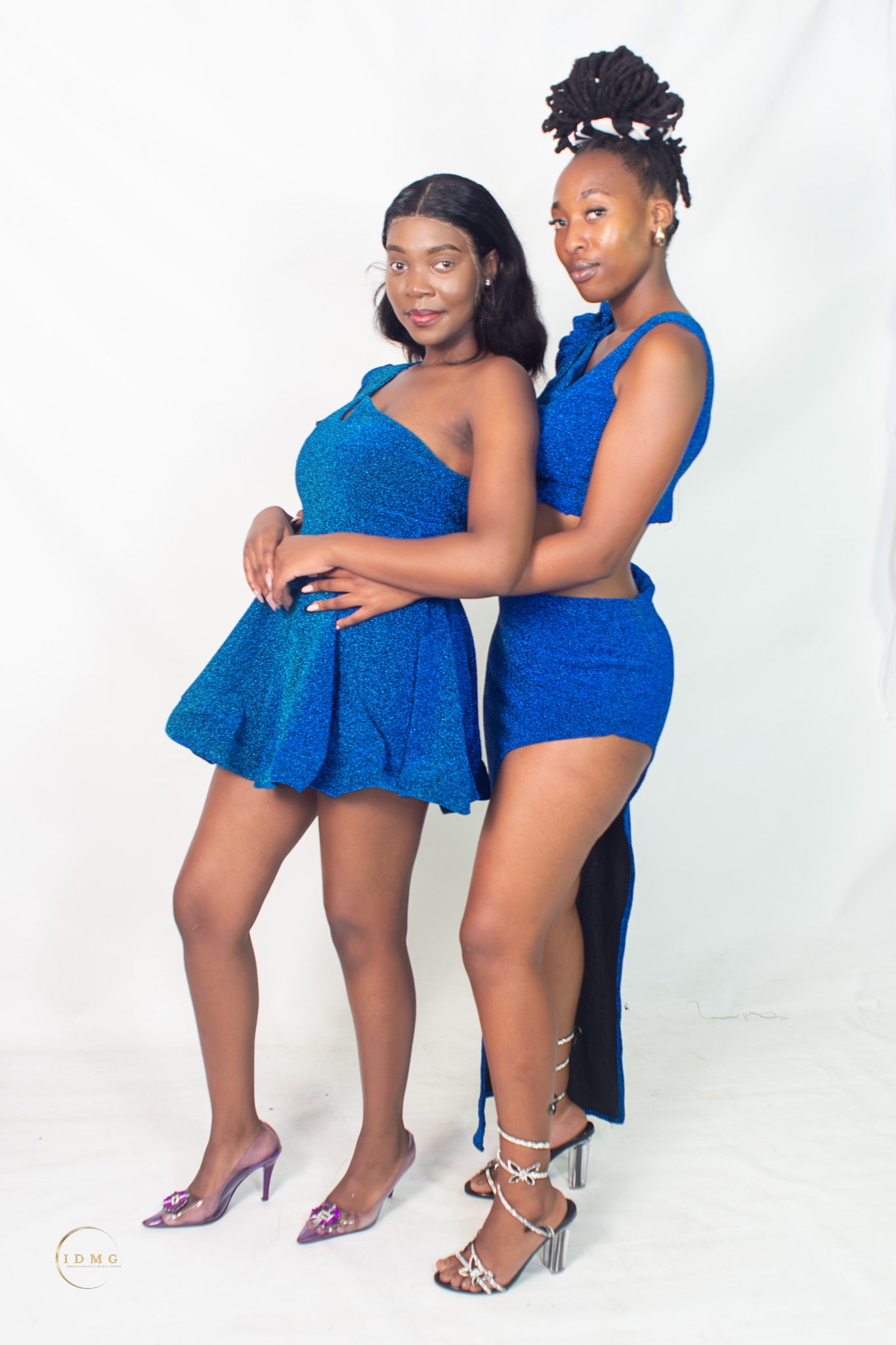
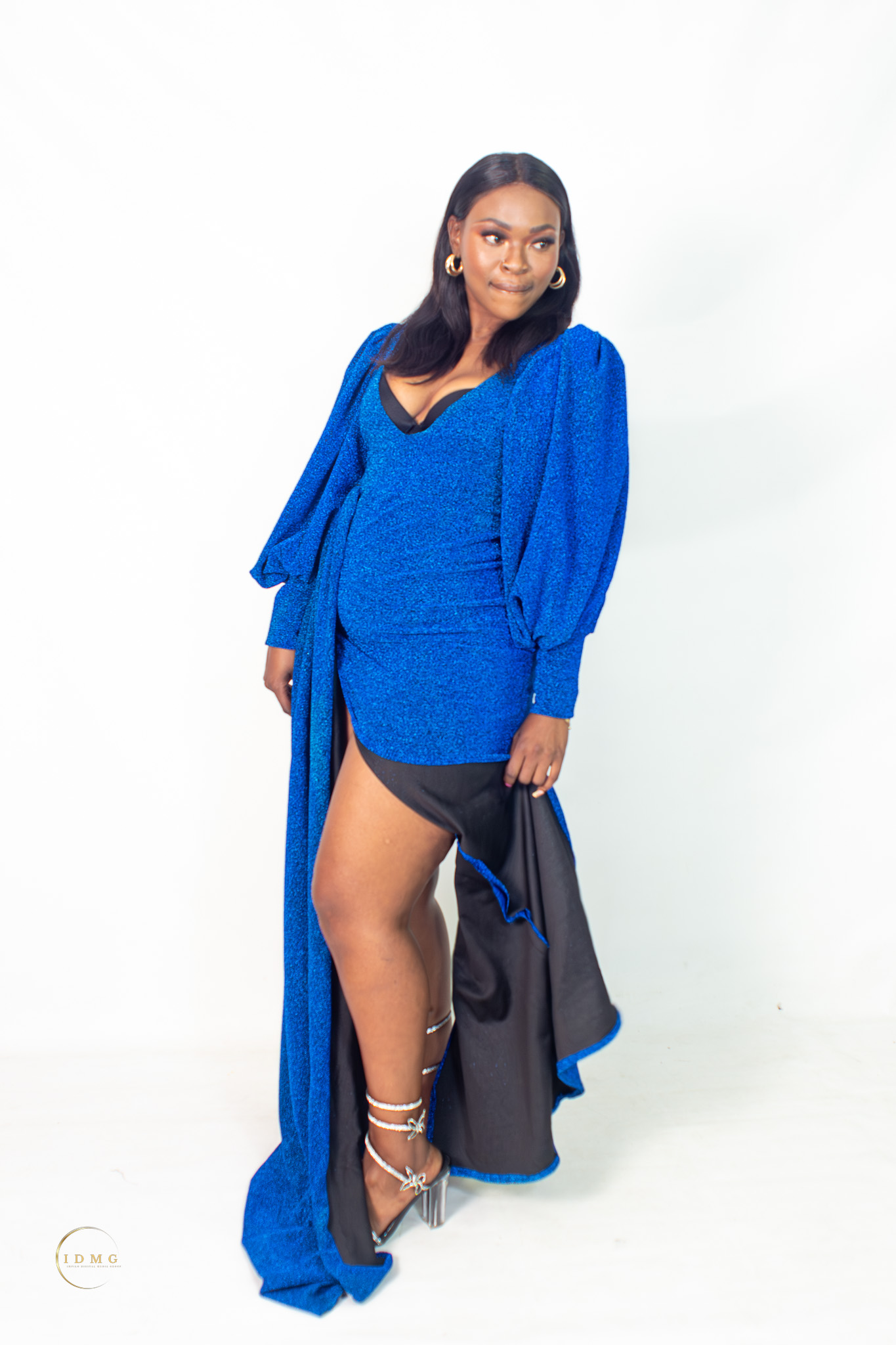
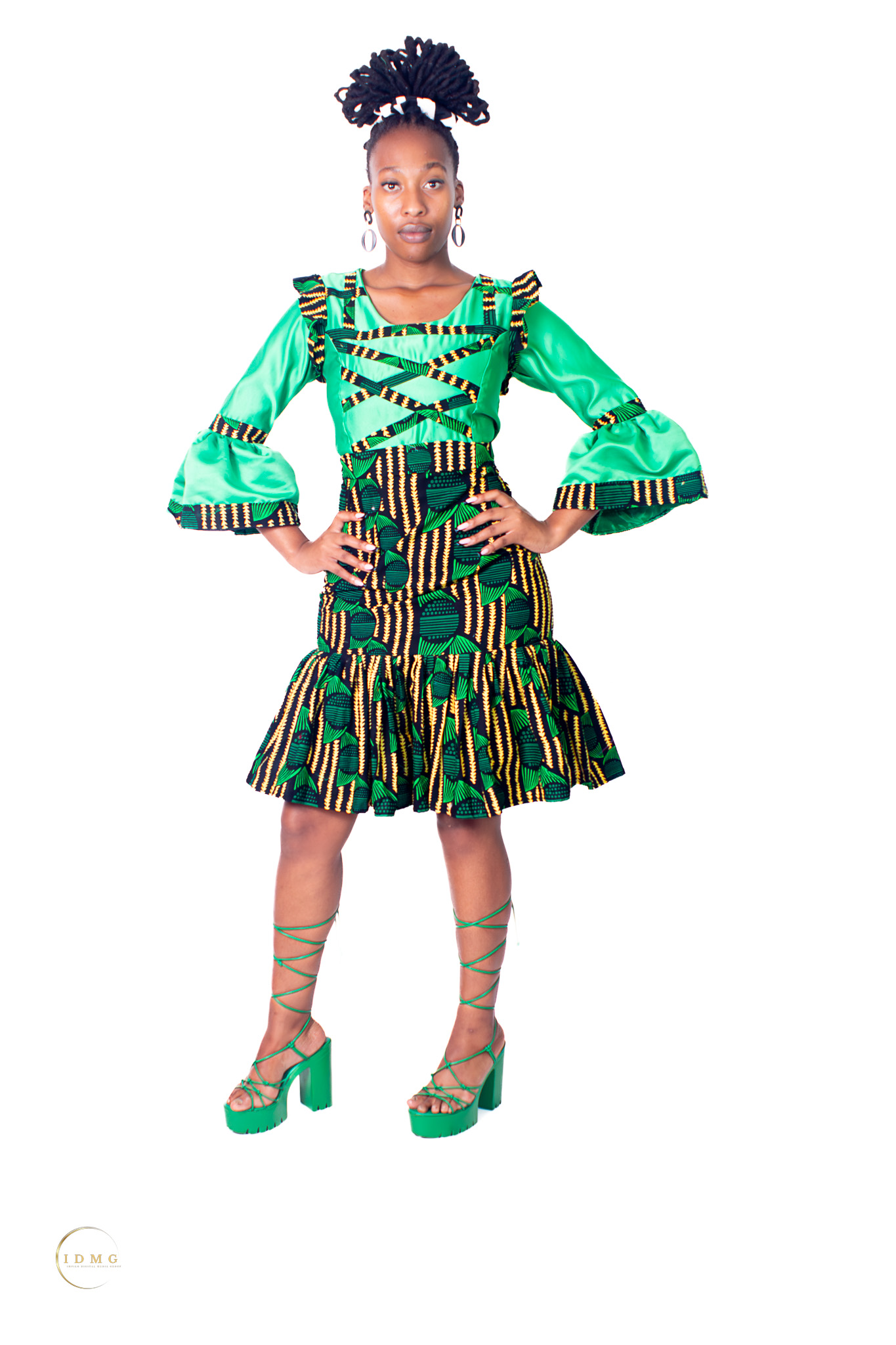
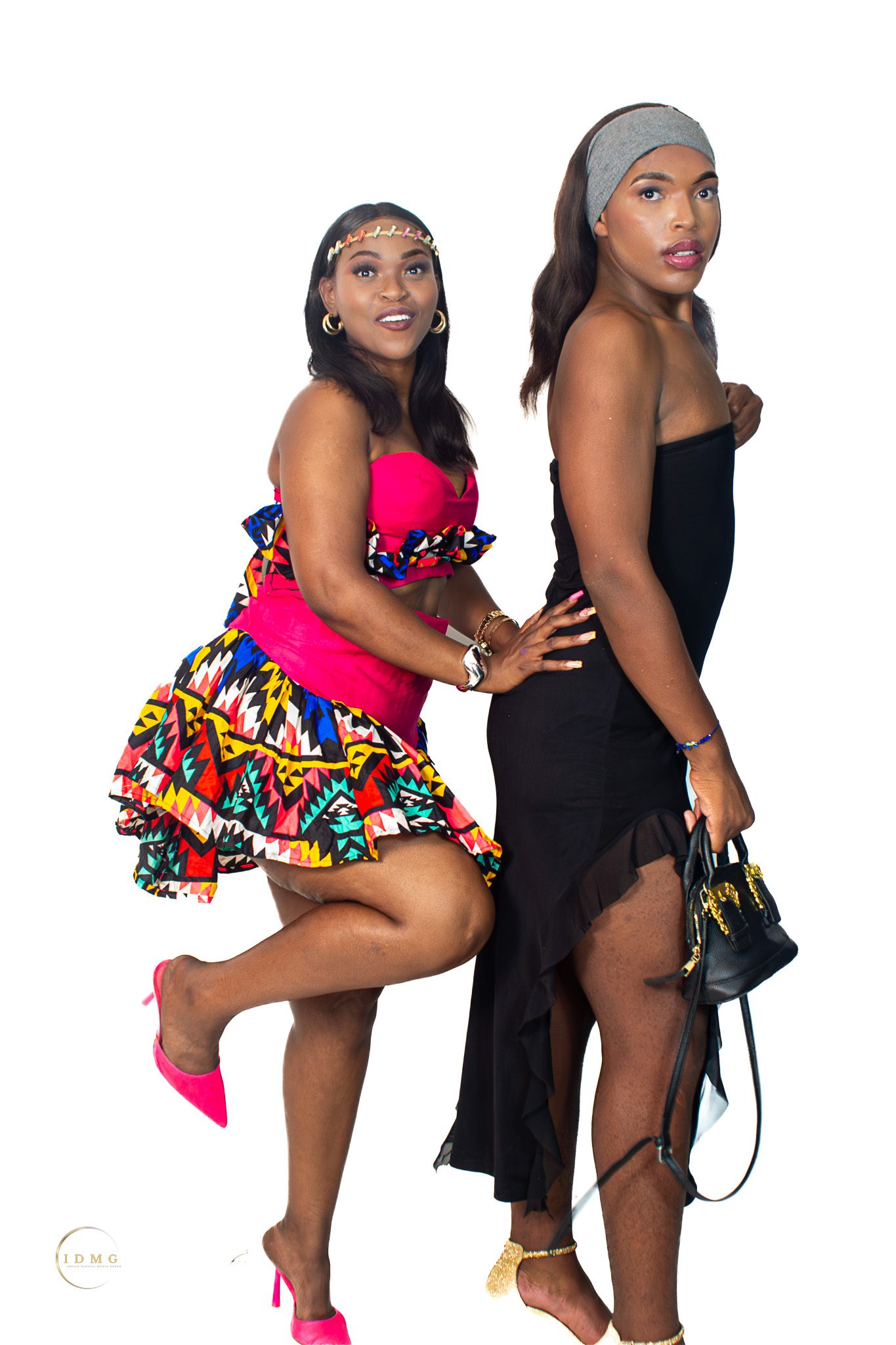
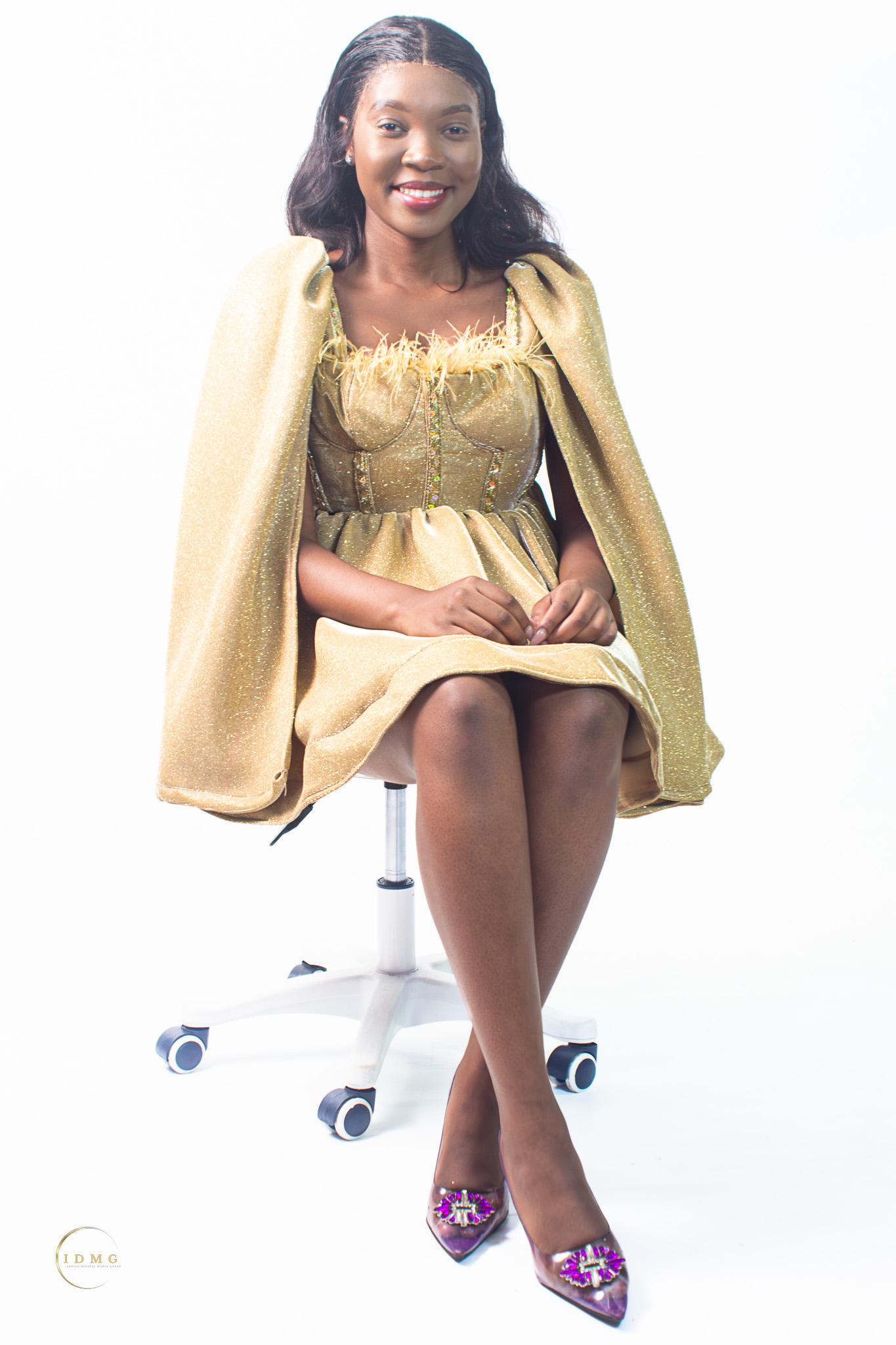

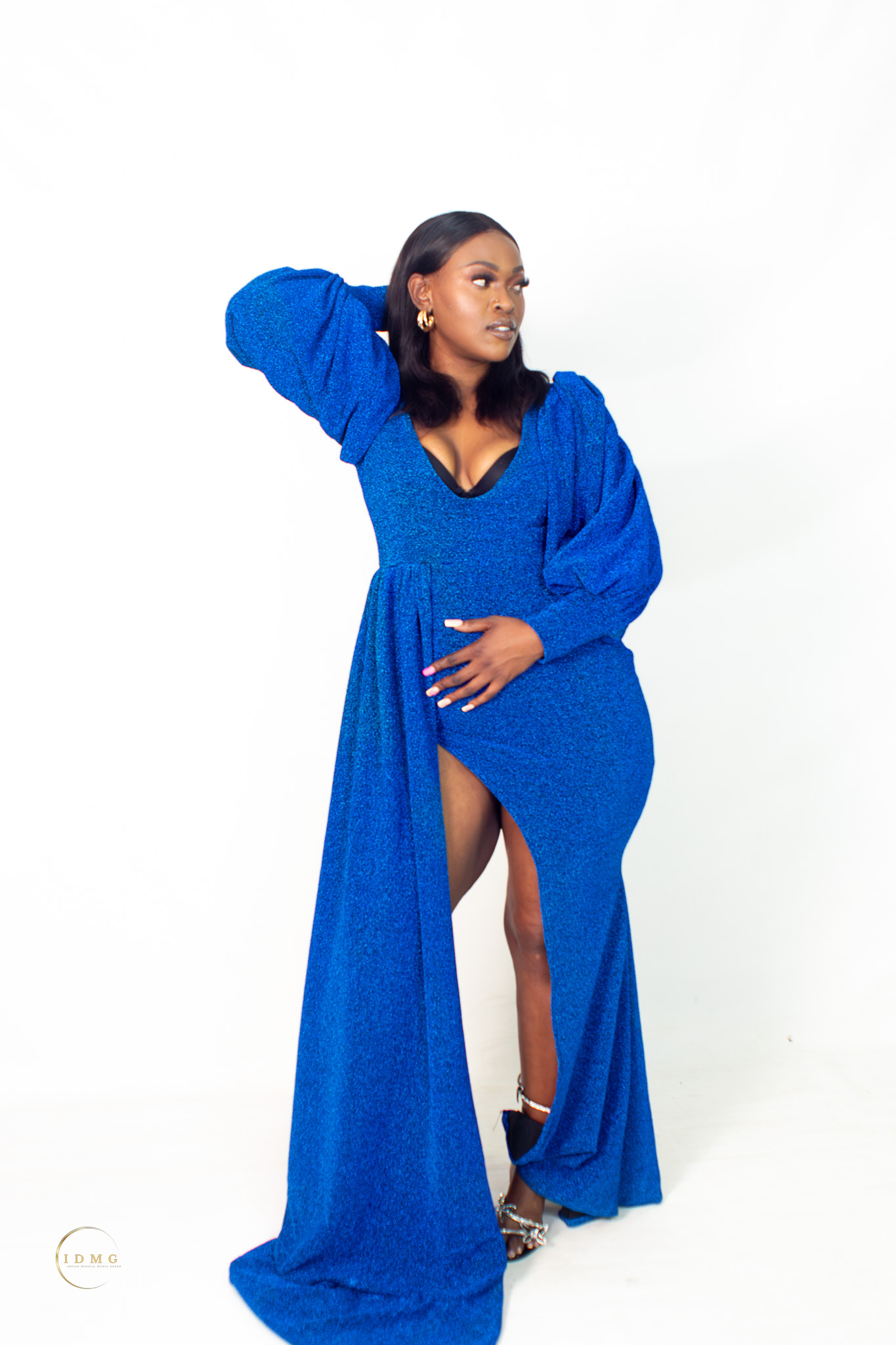
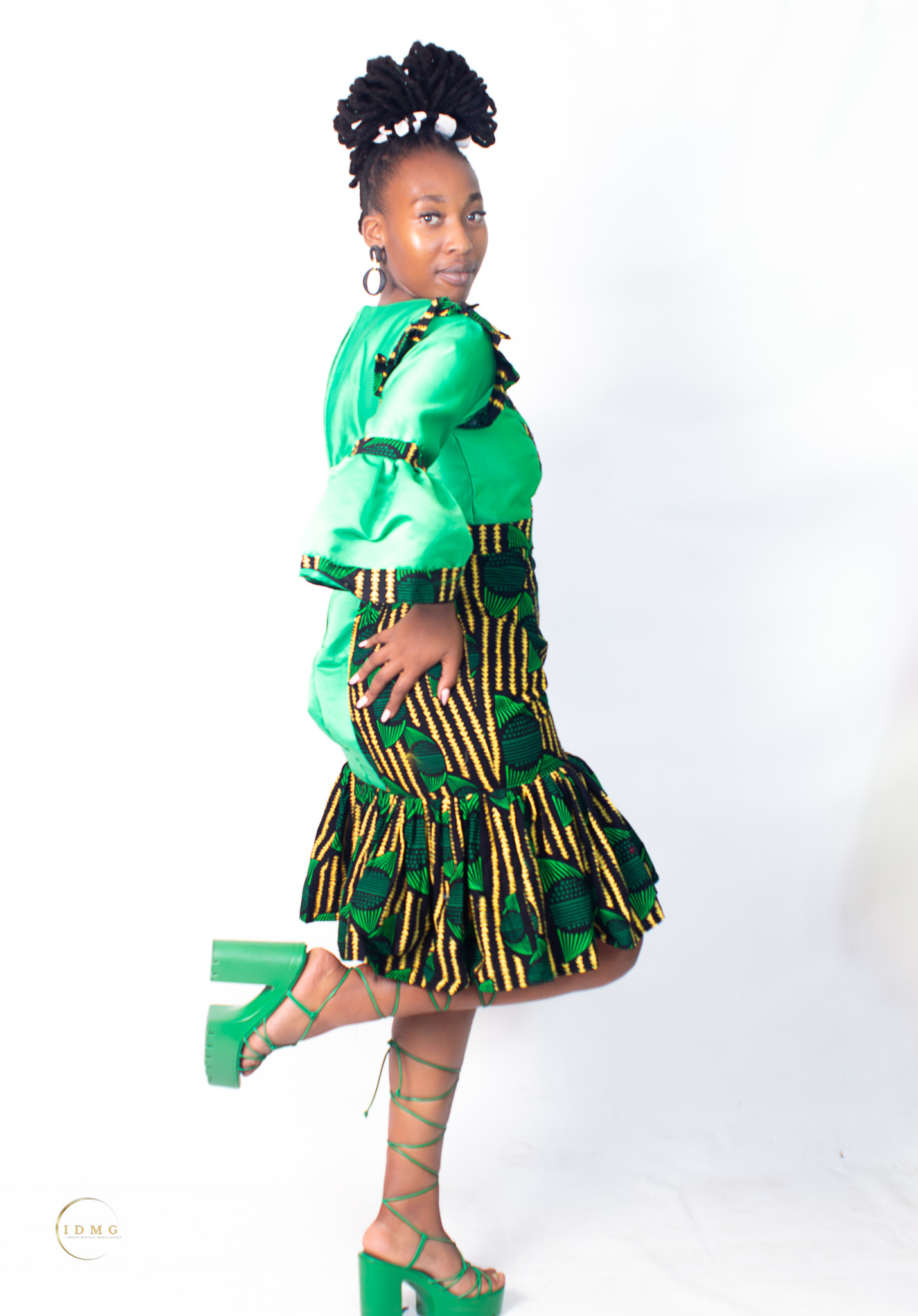
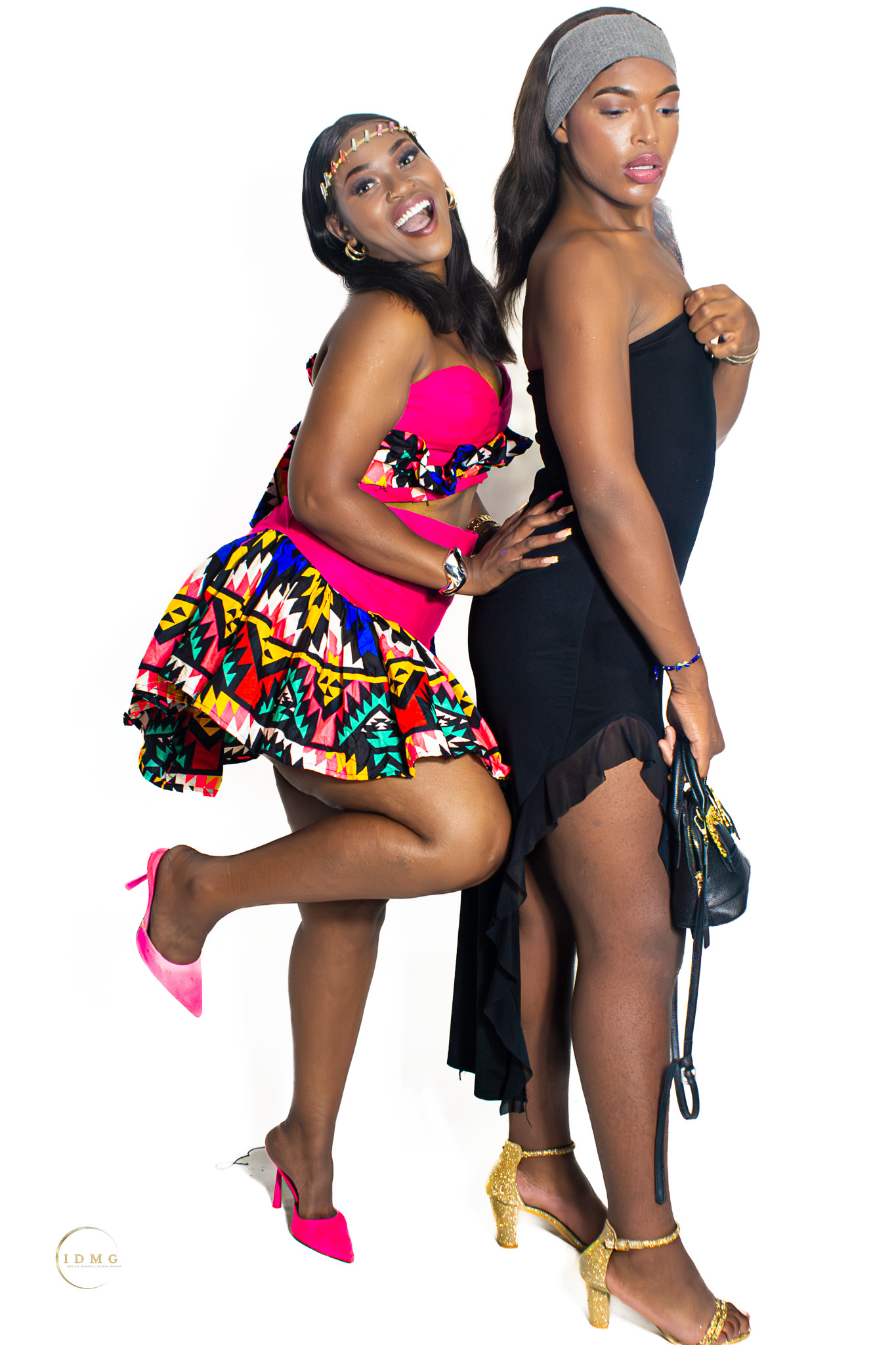
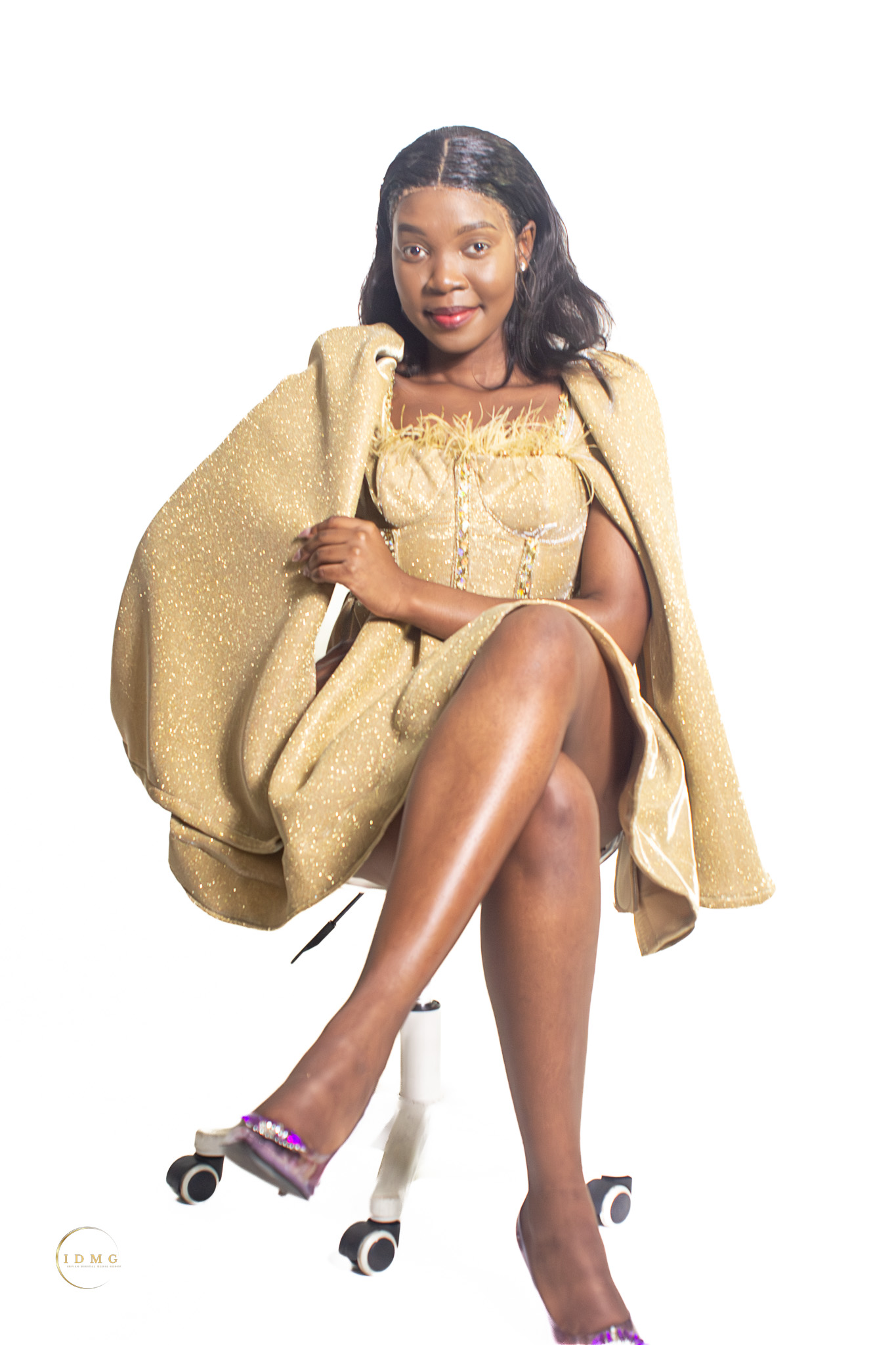
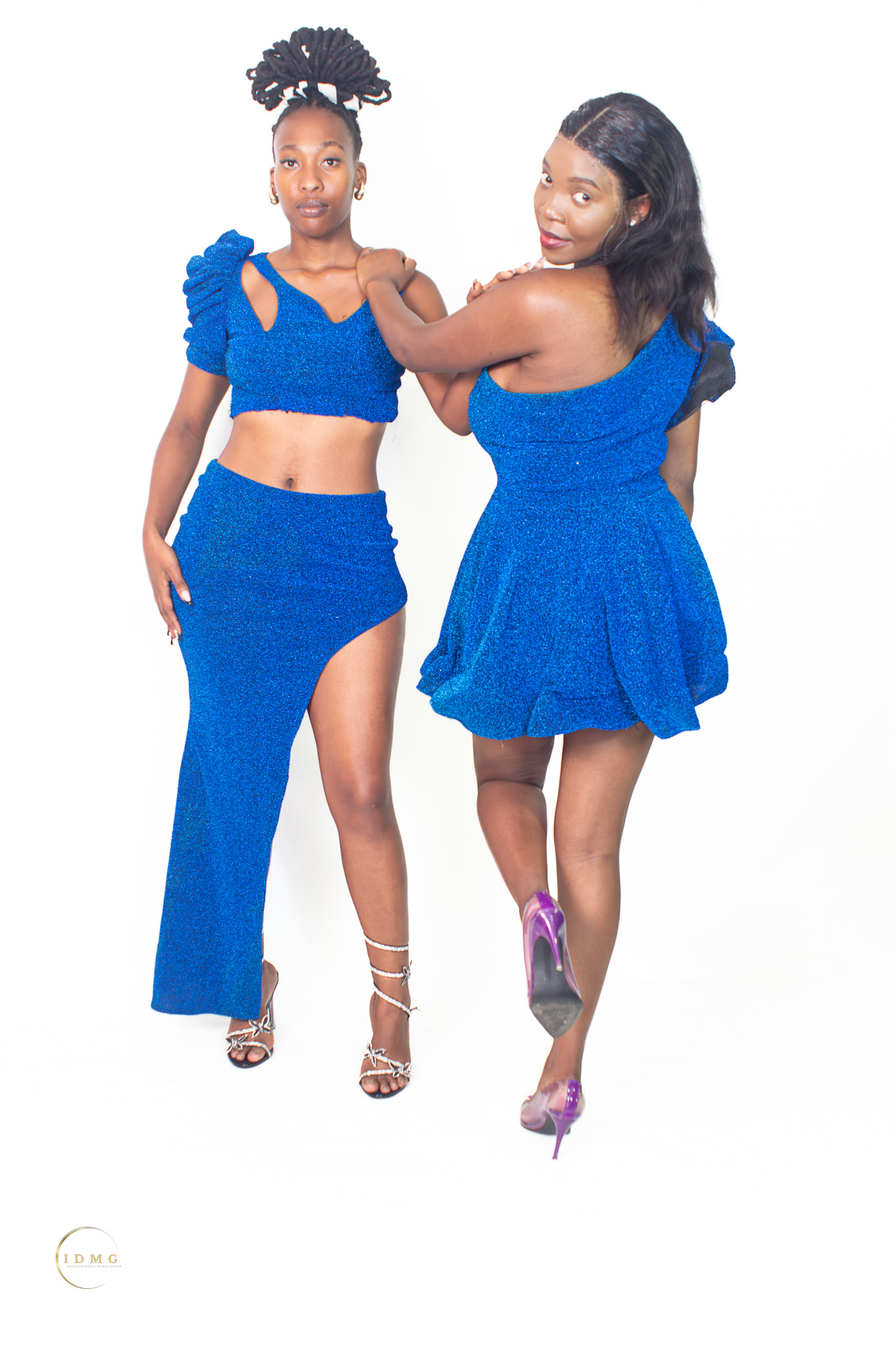
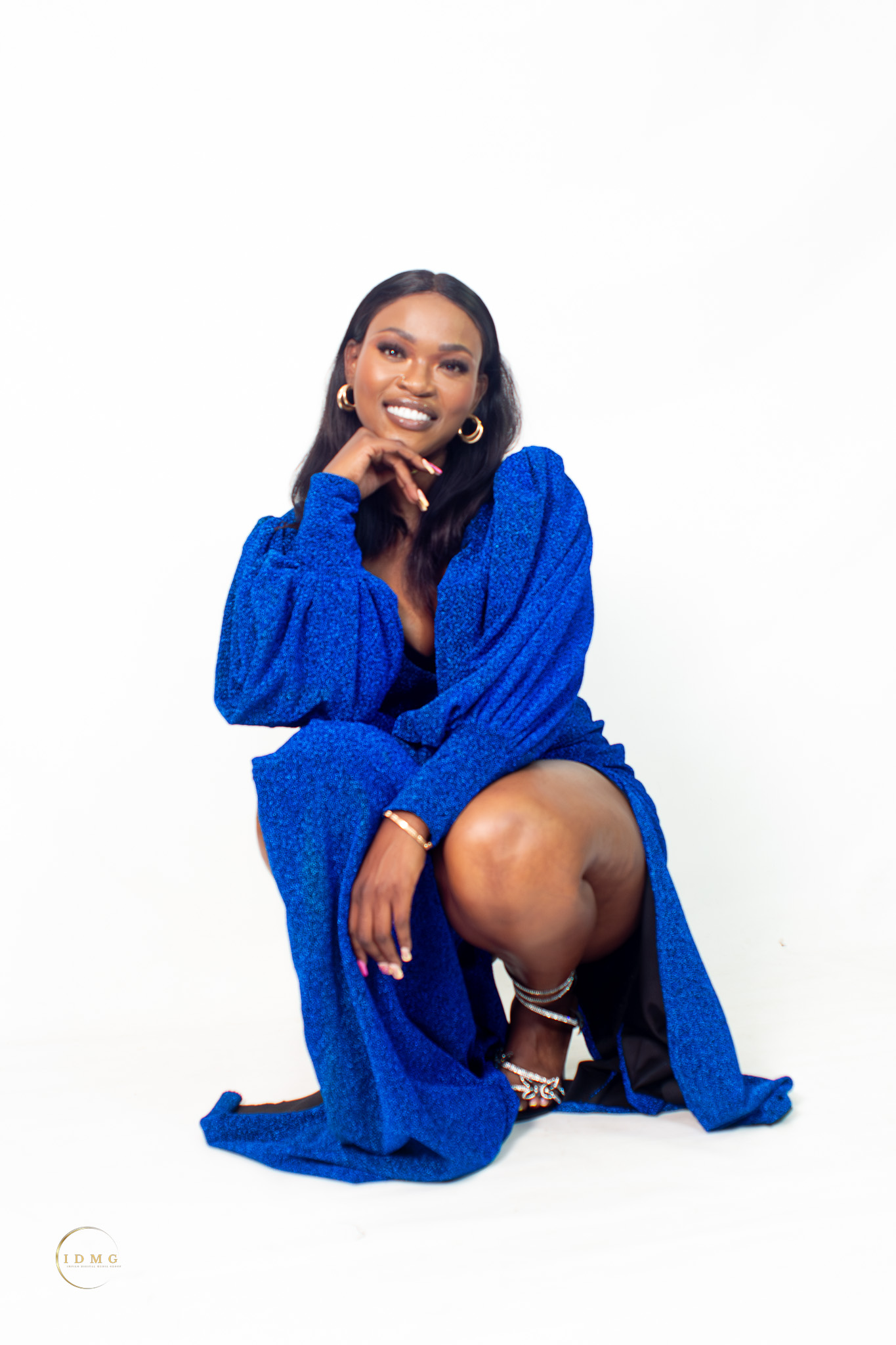
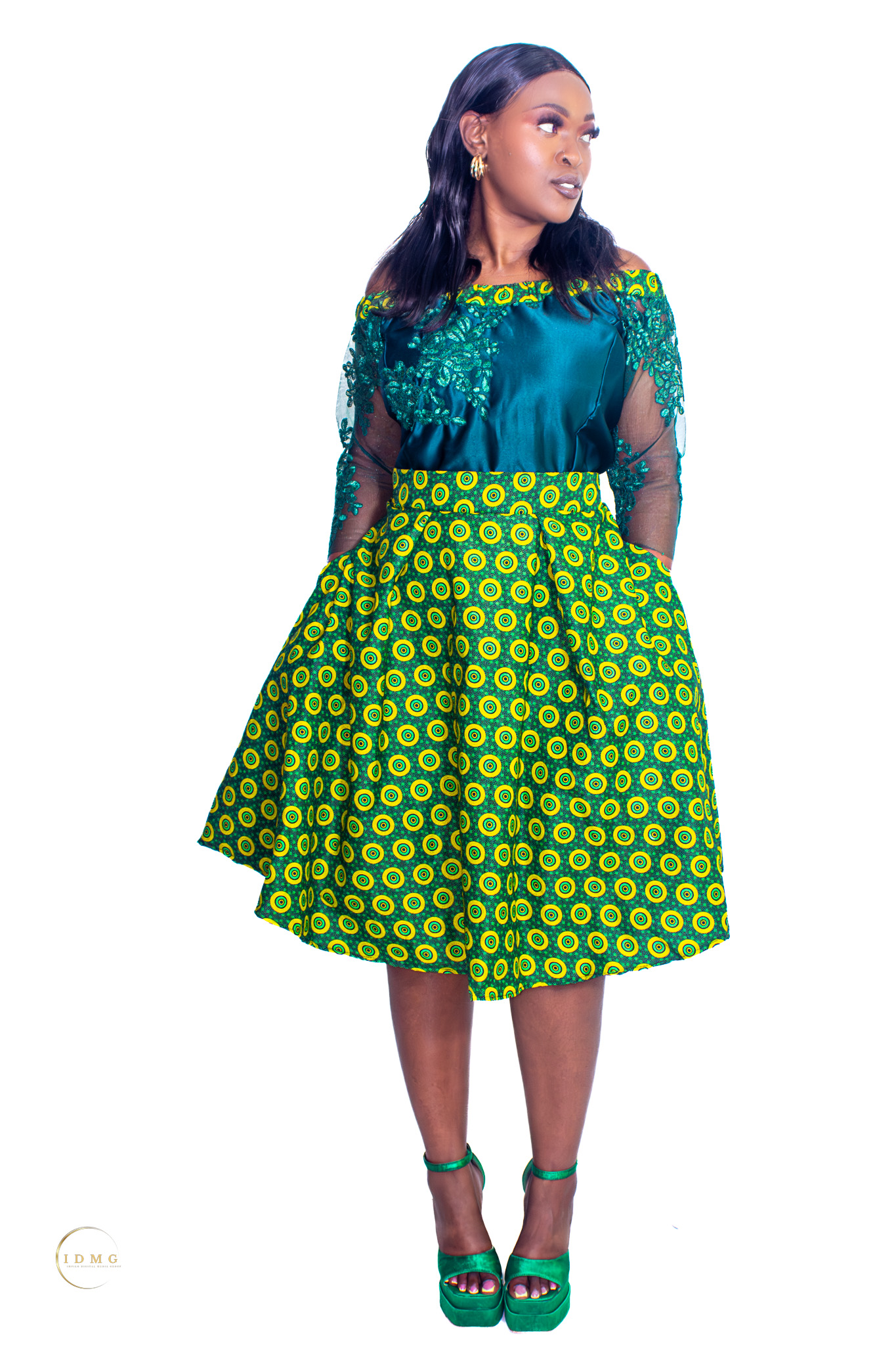

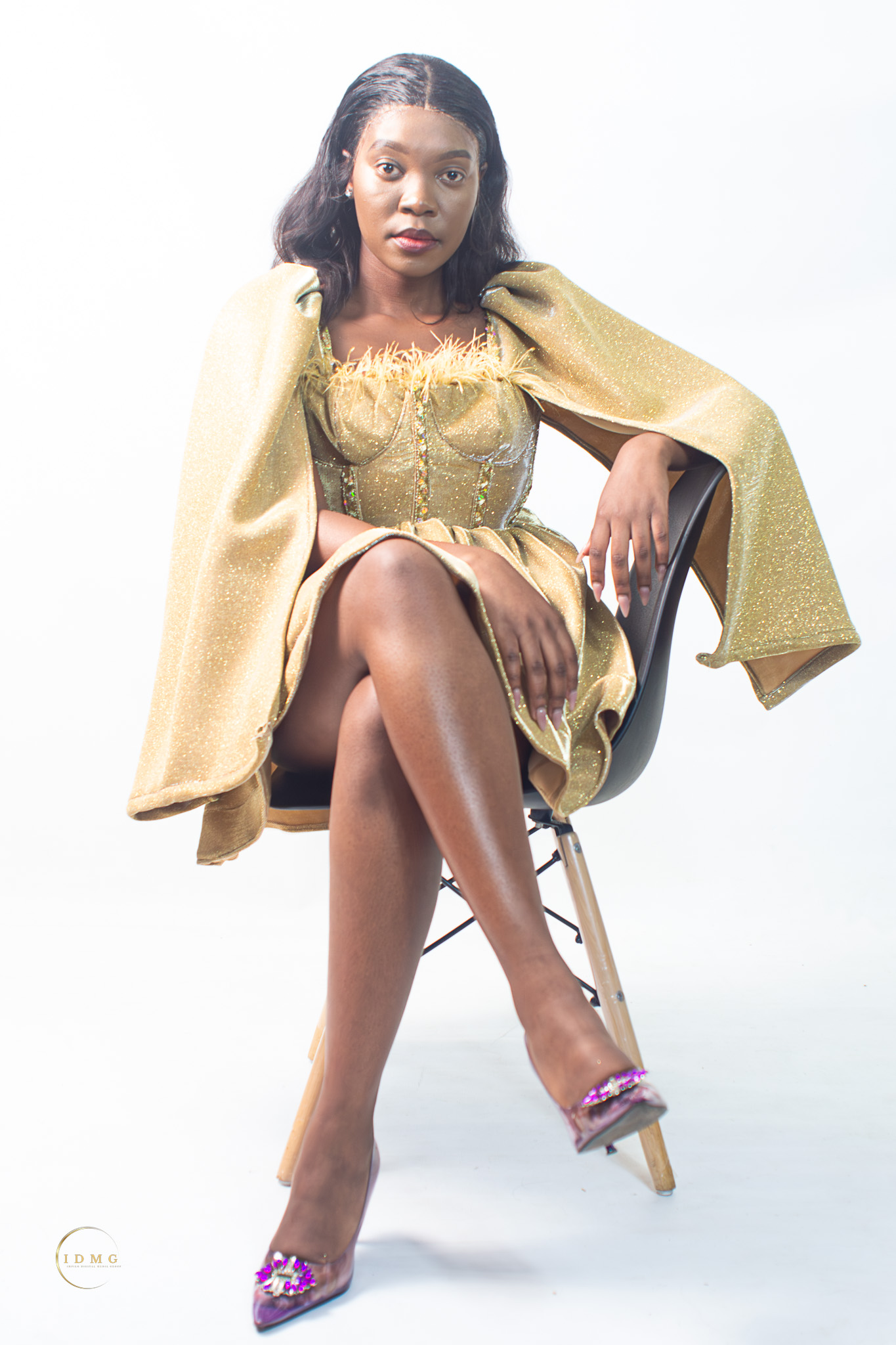

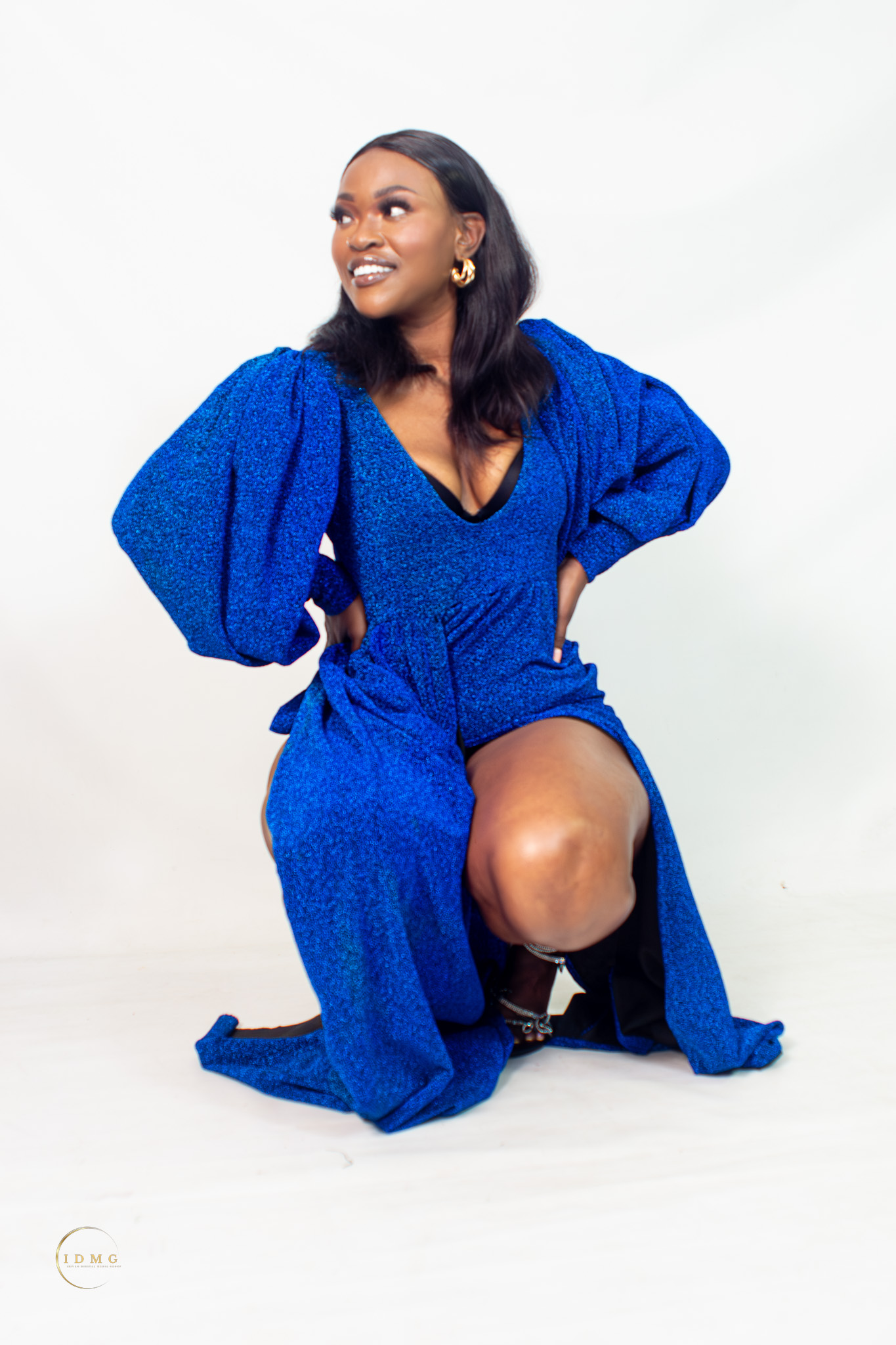
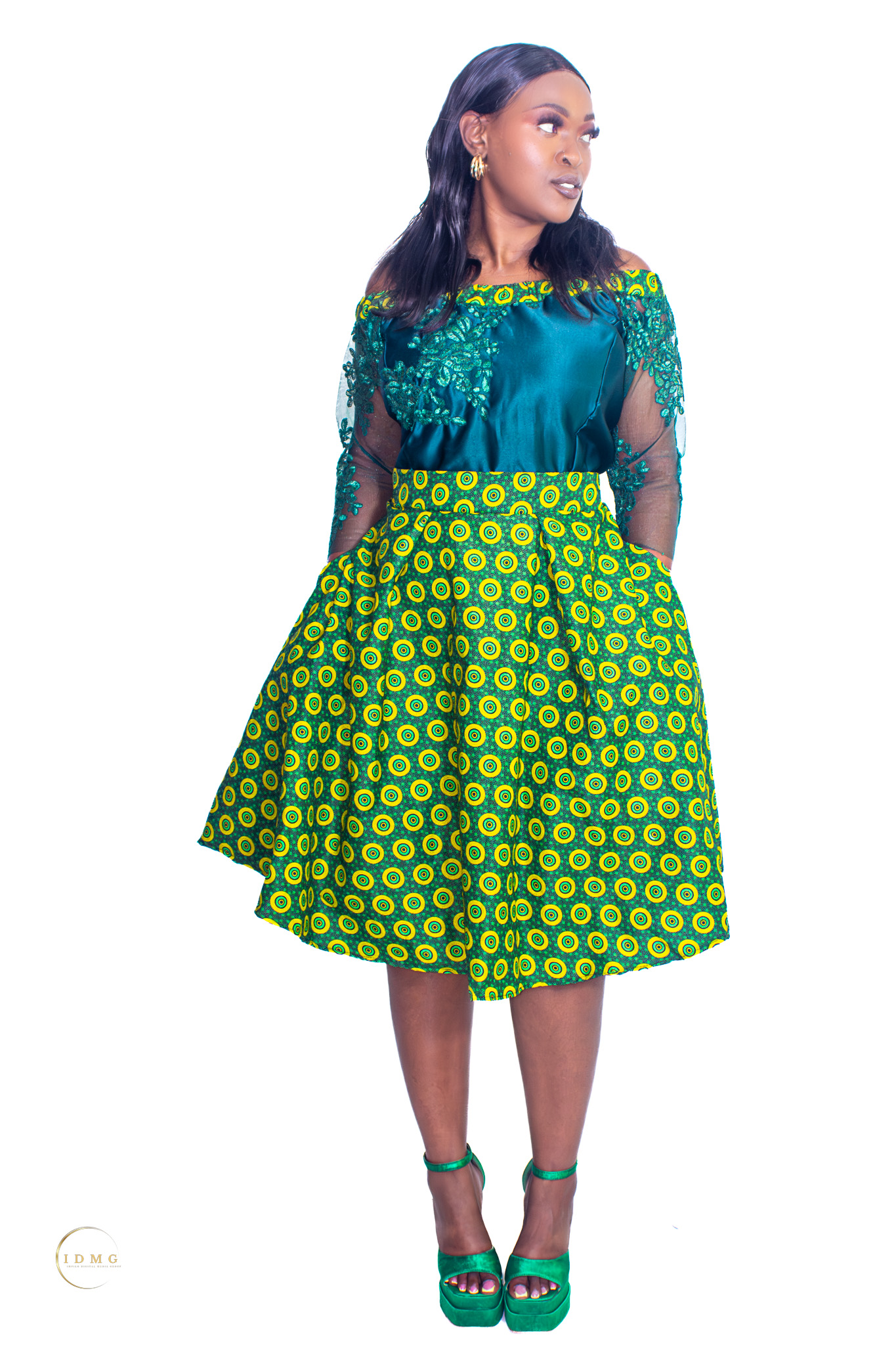
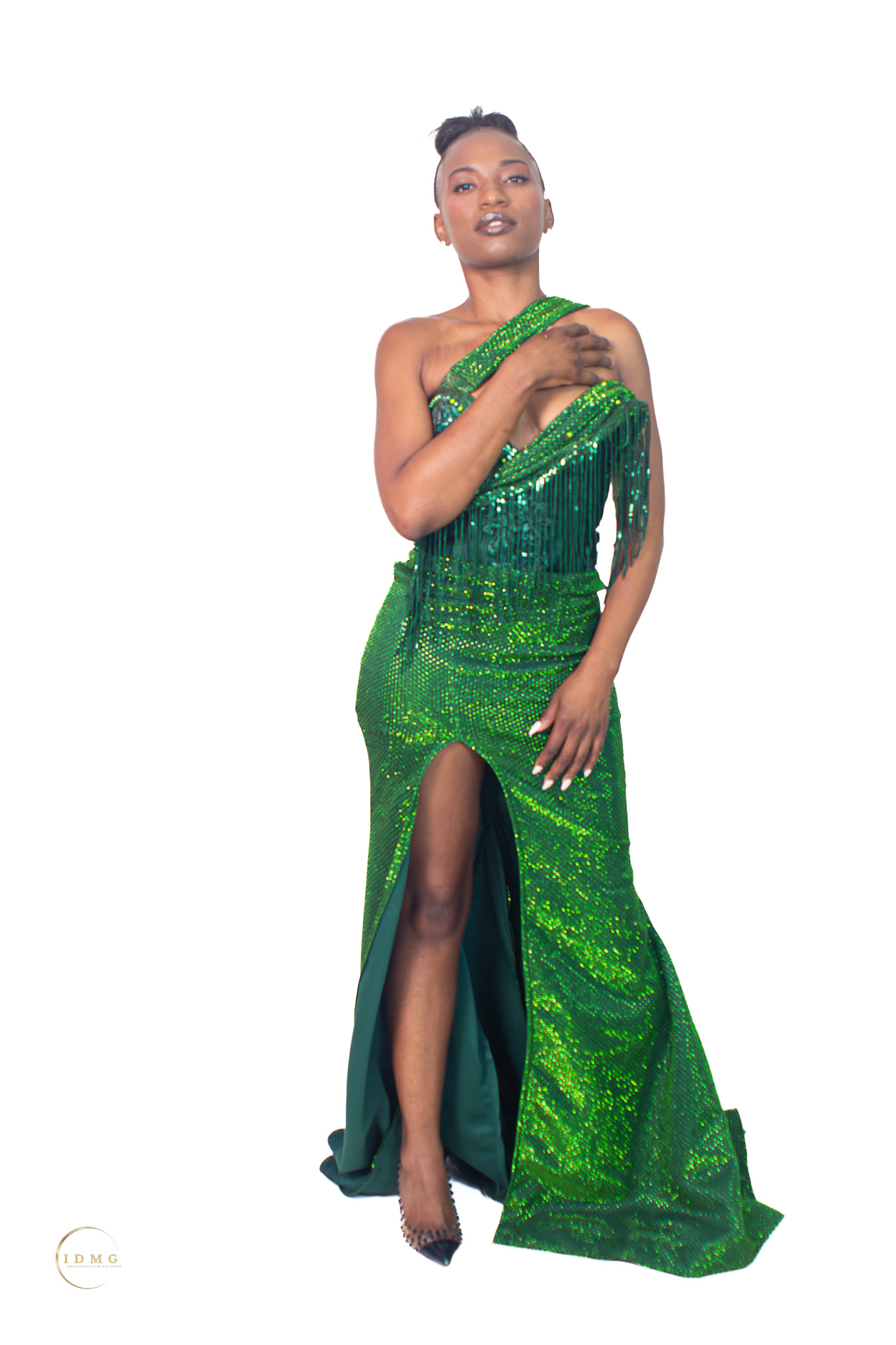
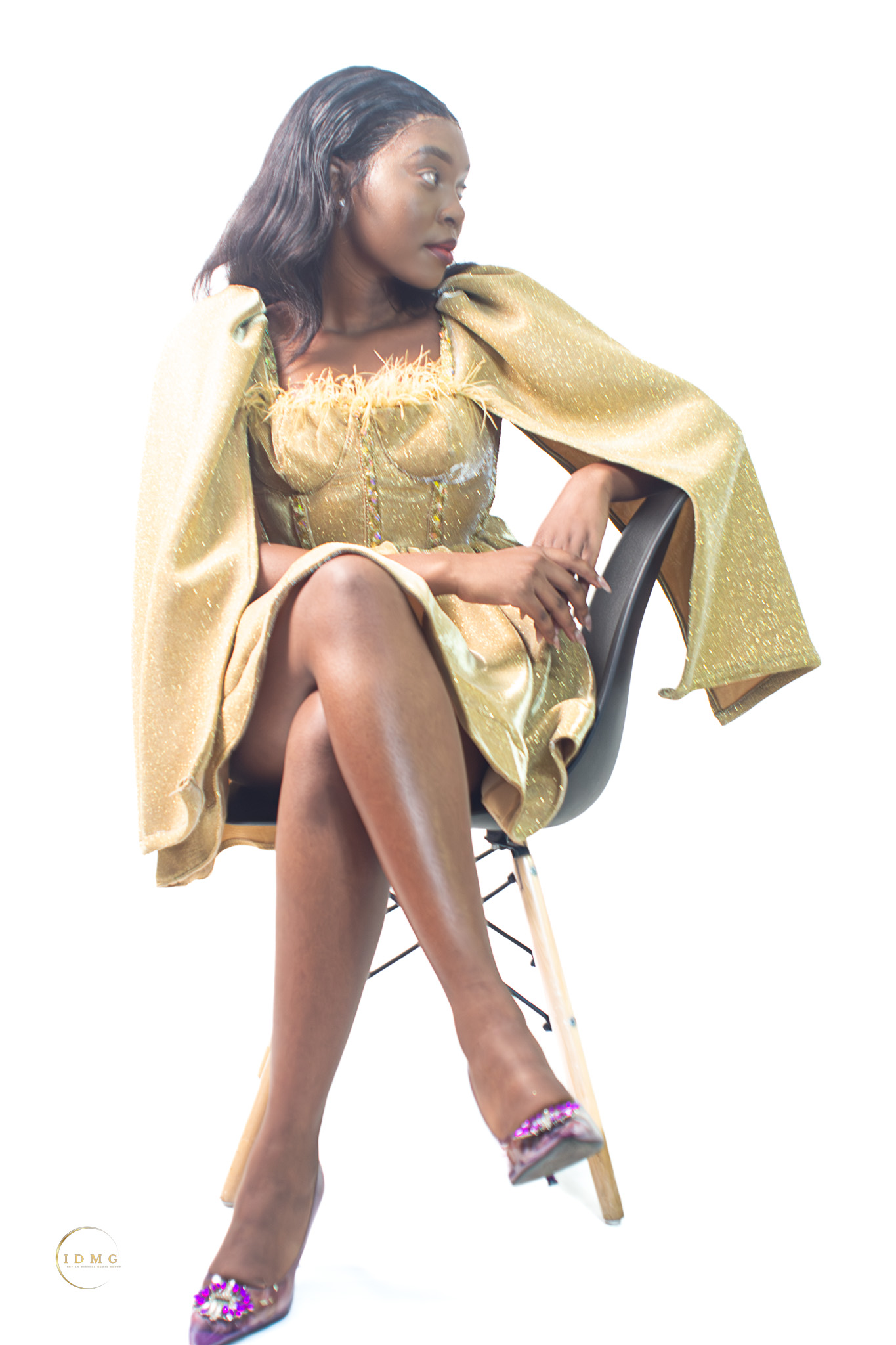
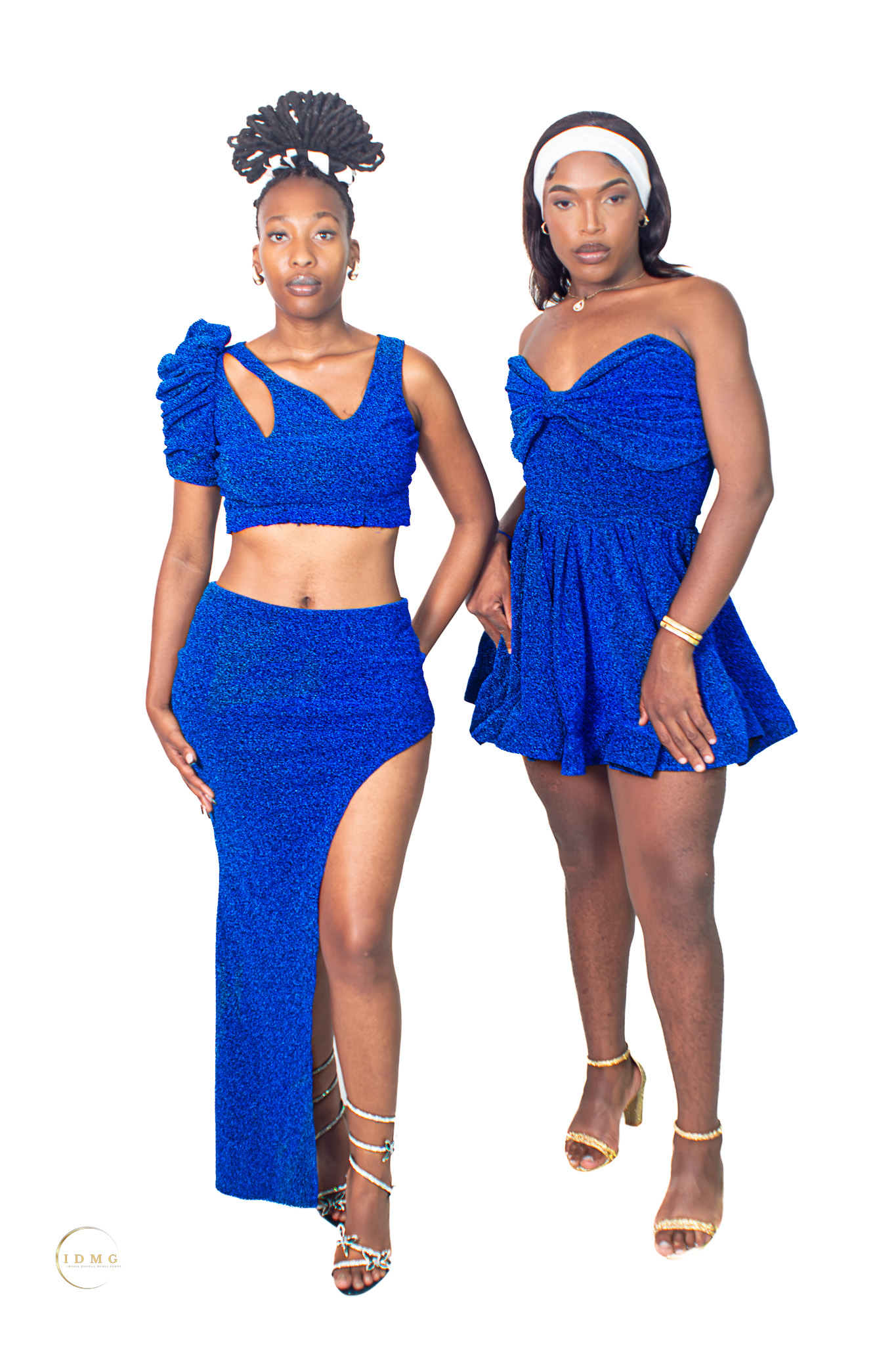
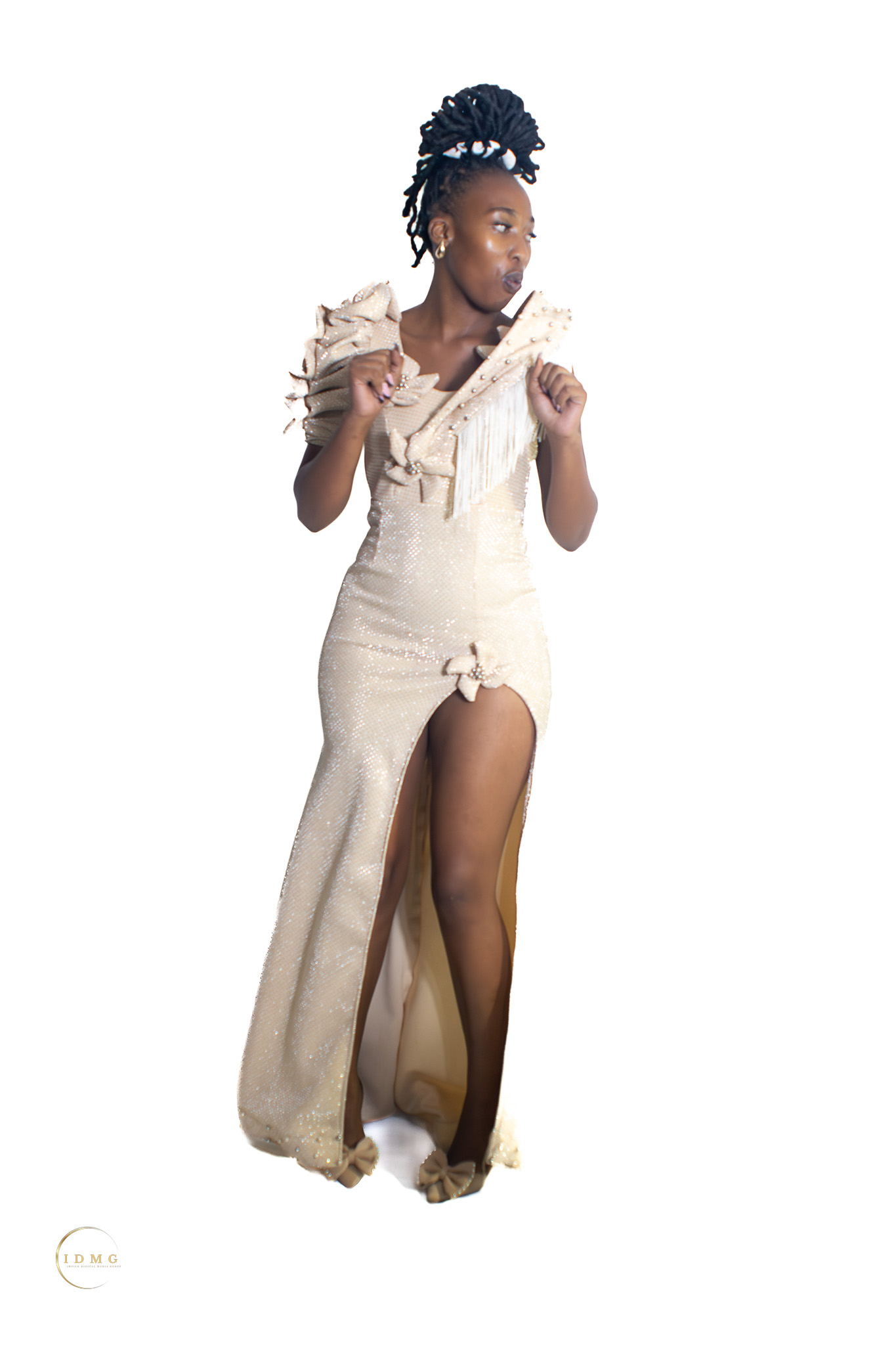
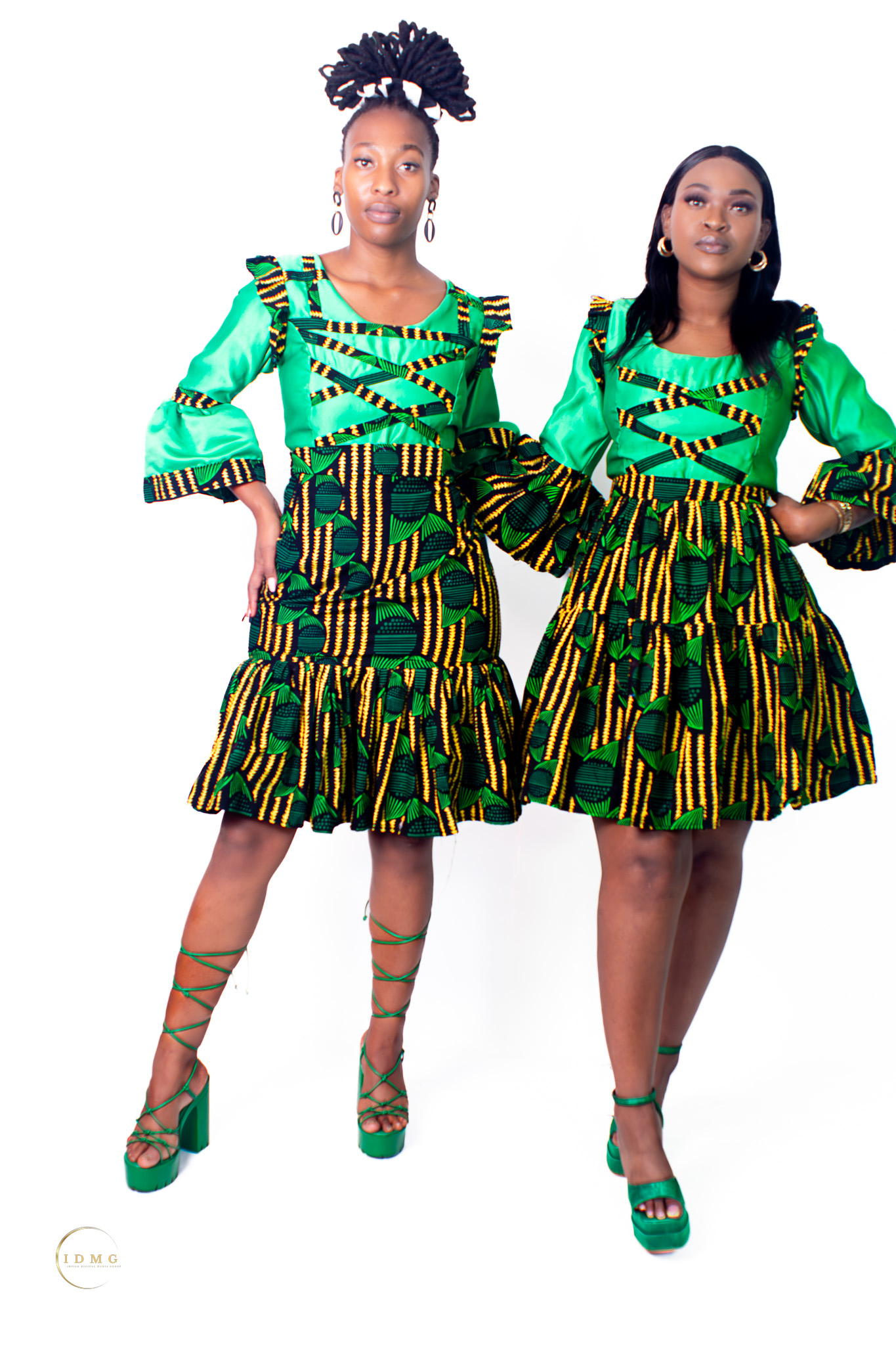
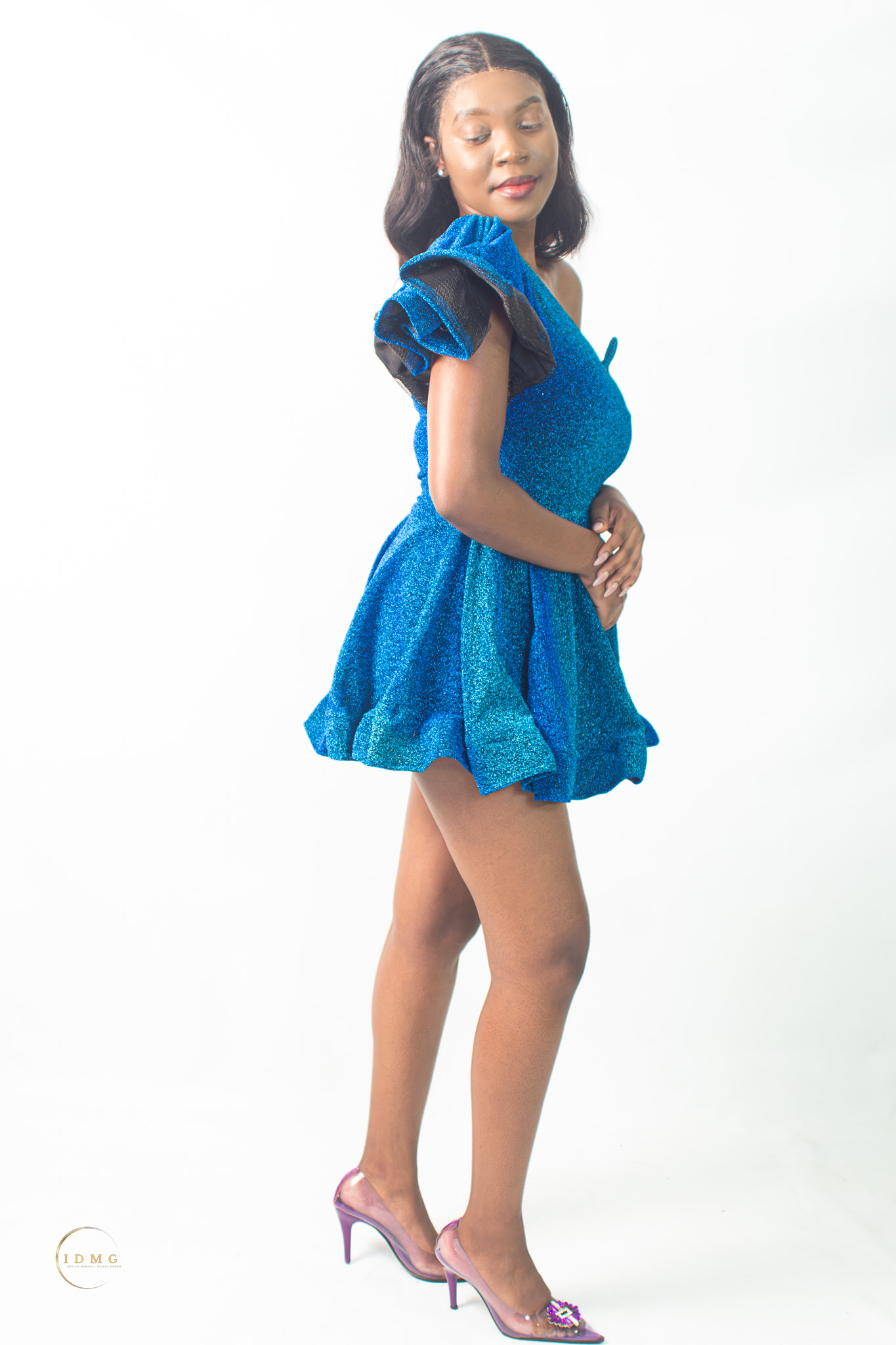

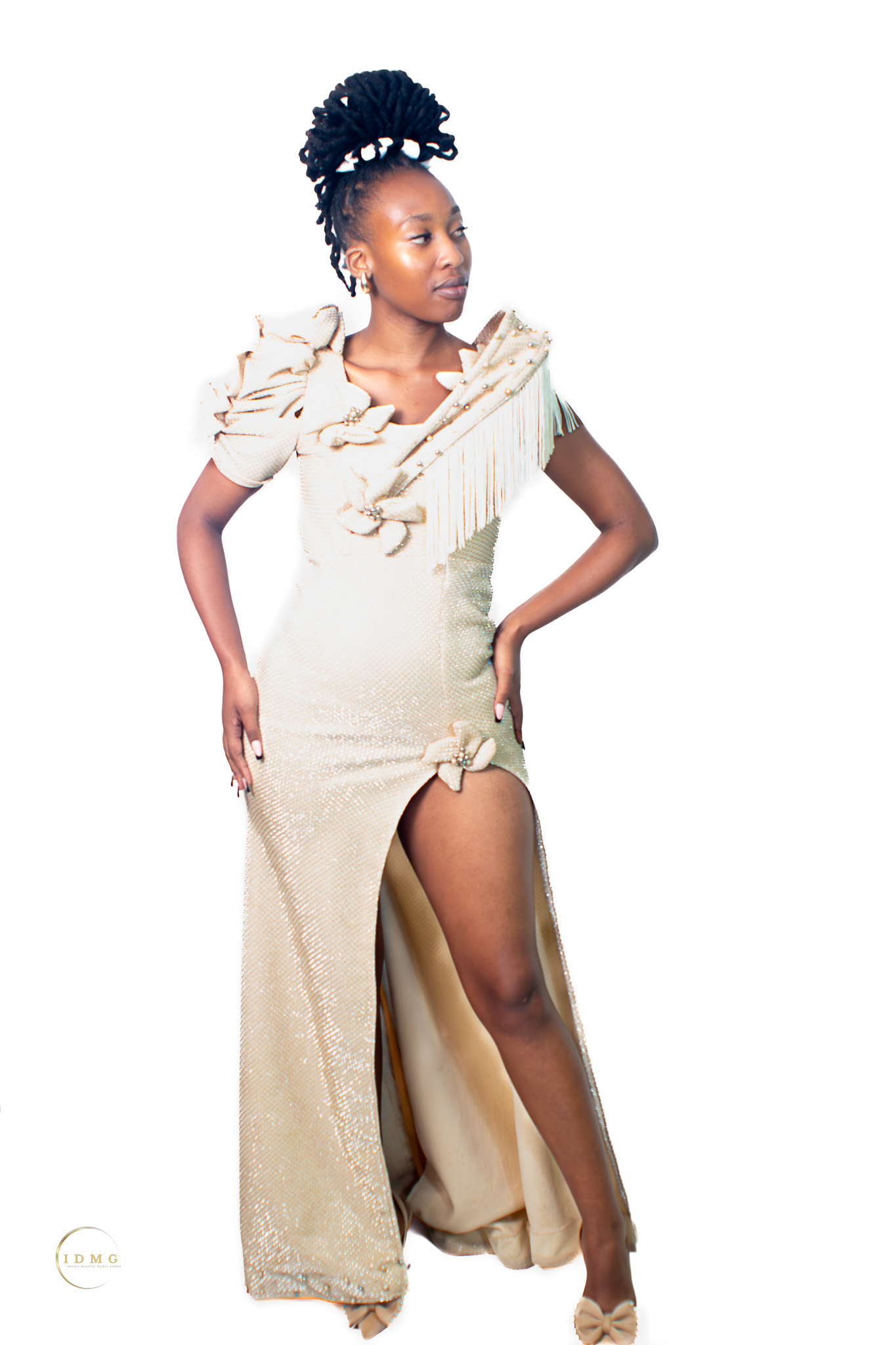
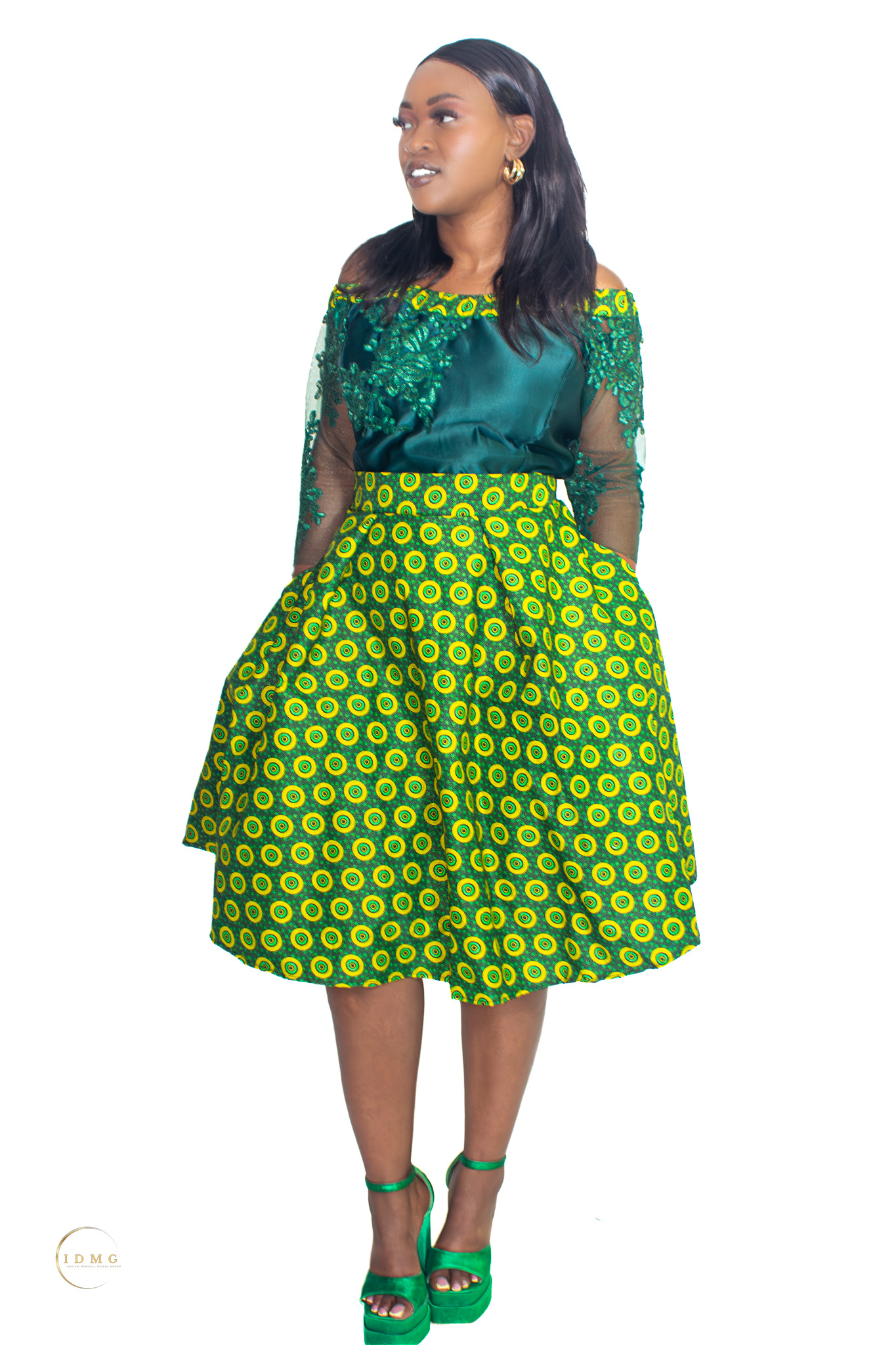
Culture · Ambition · South African Enterprise
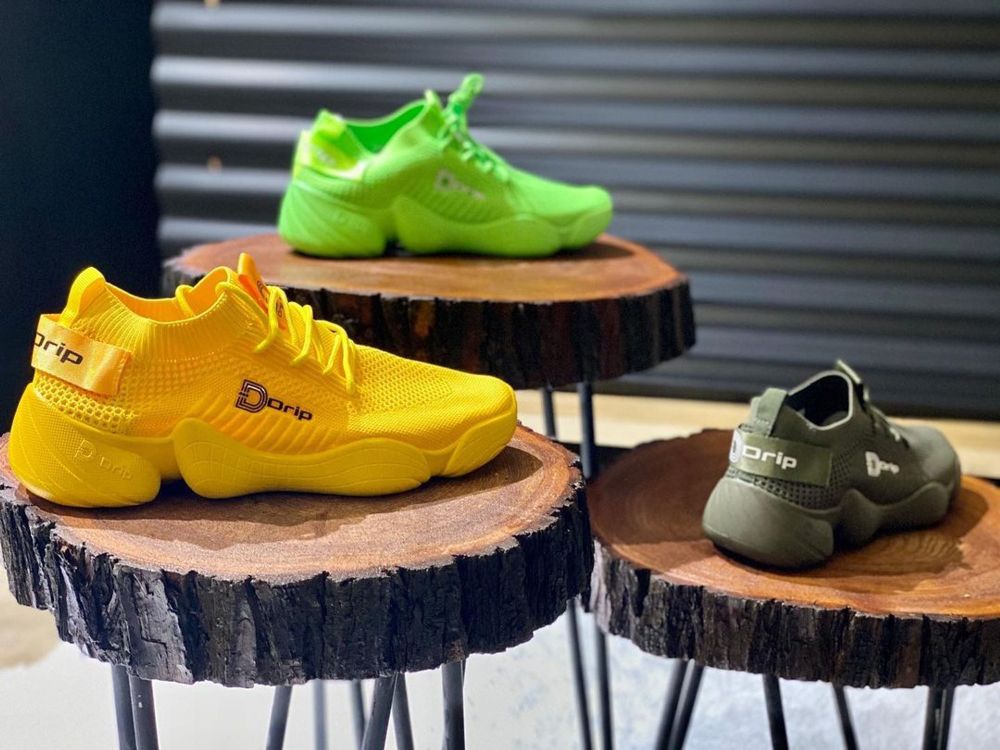
Drip Footwear was never just a sneaker brand. From its earliest days in Ivory Park, Johannesburg, it symbolised something far greater — the possibility of ownership, self-definition, and success born from township reality rather than imported aspiration.
Founded in 2019 by entrepreneur Lekau Sehoana, Drip began as a response to exclusion. Global sneaker brands dominated shelves, narratives, and price points, leaving little room for local identity. Drip entered the market not as an imitation, but as a statement: South Africans could build brands for themselves, by themselves.
Early traction came organically. Social media amplified the story, while word-of-mouth in townships and urban centres turned the brand into a cultural talking point. Wearing Drip was not about trend — it was about alignment with a broader movement of economic participation and pride.
Drip wasn’t sold as footwear — it was sold as belief.
Within a short period, Drip became a visible presence in malls, pop-ups, and media platforms. For many young South Africans, it stood as proof that ambition could translate into tangible enterprise.
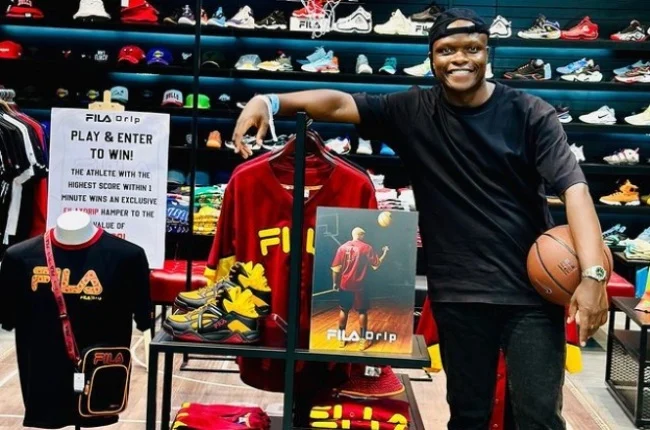
As Drip expanded, the brand moved from cultural momentum into the demanding realities of retail business. Multiple store openings, mall rentals, staffing, logistics, and supply chains introduced a level of financial complexity that few young brands survive unscathed.
Unlike digital-first or made-to-order models, Drip relied heavily on physical retail — a space with high fixed costs and thin margins. Manufacturing dependencies, currency fluctuations, and inventory cycles placed additional strain on cash flow.
To the public, expansion signalled success. Internally, it required constant capital movement and operational discipline. Any delay — in sales, imports, or payments — risked cascading consequences.
Visibility can mask vulnerability.
By 2022 and into 2023, warning signs began surfacing. Reports of delayed supplier payments, unpaid rent, and strained partnerships suggested that the pace of growth may have outstripped the company’s financial resilience.
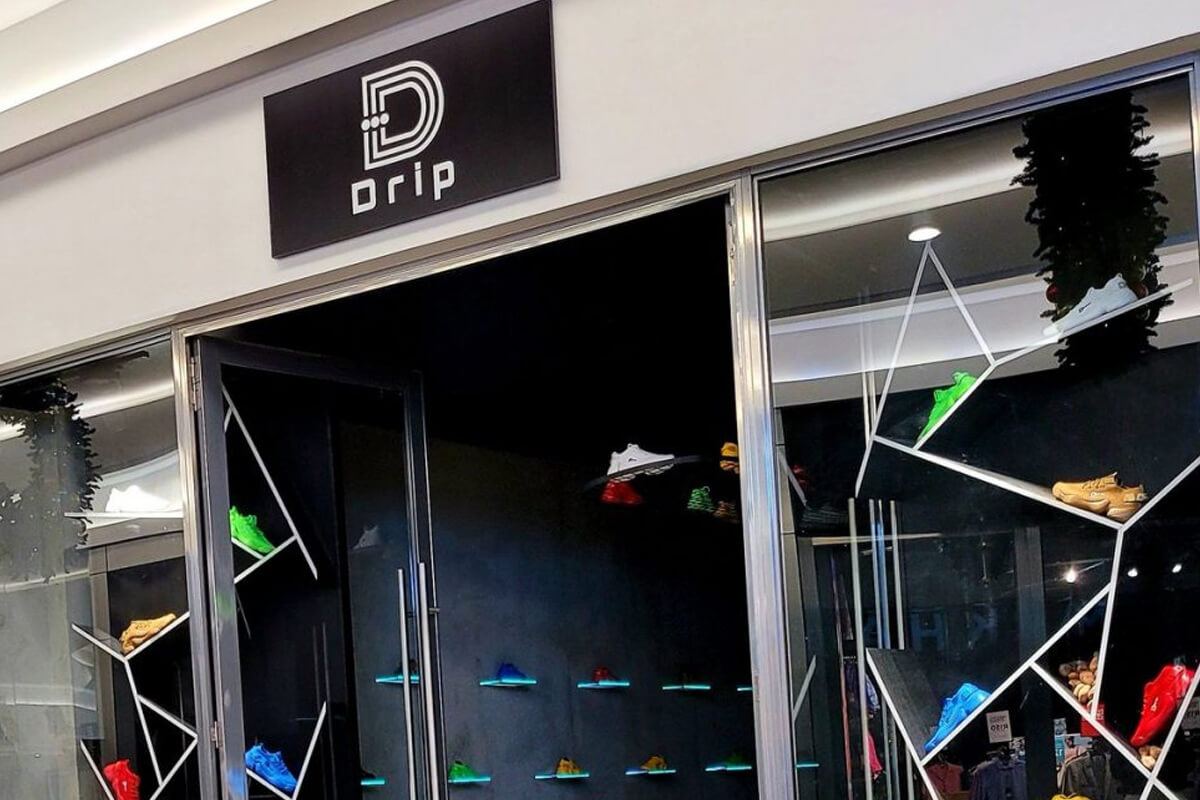
In late 2024, Drip Footwear entered liquidation following mounting creditor claims and unresolved financial obligations. Store closures followed shortly thereafter, and employees were laid off — bringing a sudden halt to one of South Africa’s most visible homegrown sneaker brands.
Public reaction was swift and emotional. Supporters mourned the loss of a symbol, while critics questioned the sustainability of the business model from the outset. What became clear, however, was that cultural success does not exempt a brand from financial fundamentals.
Liquidation is rarely caused by a single failure. It is often the result of cumulative pressure — rising costs, slowed revenue, constrained liquidity, and limited access to emergency capital.
Belief can build momentum, but only structure sustains it.
Drip’s collapse exposed a wider truth within South Africa’s startup ecosystem: many culturally powerful brands struggle to transition from symbolic success into operational longevity.
Rise · Expansion · Strain · Liquidation
Drip Footwear is founded in Ivory Park by Lekau Sehoana, introducing a locally owned sneaker brand.
Brand gains rapid cultural traction through township communities and social platforms.
Drip opens multiple mall stores nationwide, marking peak expansion.
Operational strain emerges as overheads increase and margins tighten.
Reports surface of unpaid suppliers and store closures.
Drip Footwear enters liquidation. All retail stores close.
Despite its financial outcome, Drip’s legacy remains significant. It shifted narratives around who gets to build, own, and lead in the South African fashion economy.
For emerging entrepreneurs, Drip serves as both inspiration and cautionary tale — proof that vision must be paired with governance, financial buffers, and long-term planning.
The brand’s rise sparked conversations that continue today: How do local brands scale responsibly? How can cultural momentum be converted into sustainable enterprise? And what support structures are necessary for homegrown success?
Drip did not fail culture — it challenged the system around it.
In this way, Drip’s story does not end with liquidation. It lives on as a blueprint, a warning, and a benchmark — shaping how the next generation of South African brands will build.
Understanding consent, copyright, and professional obligations in the digital era
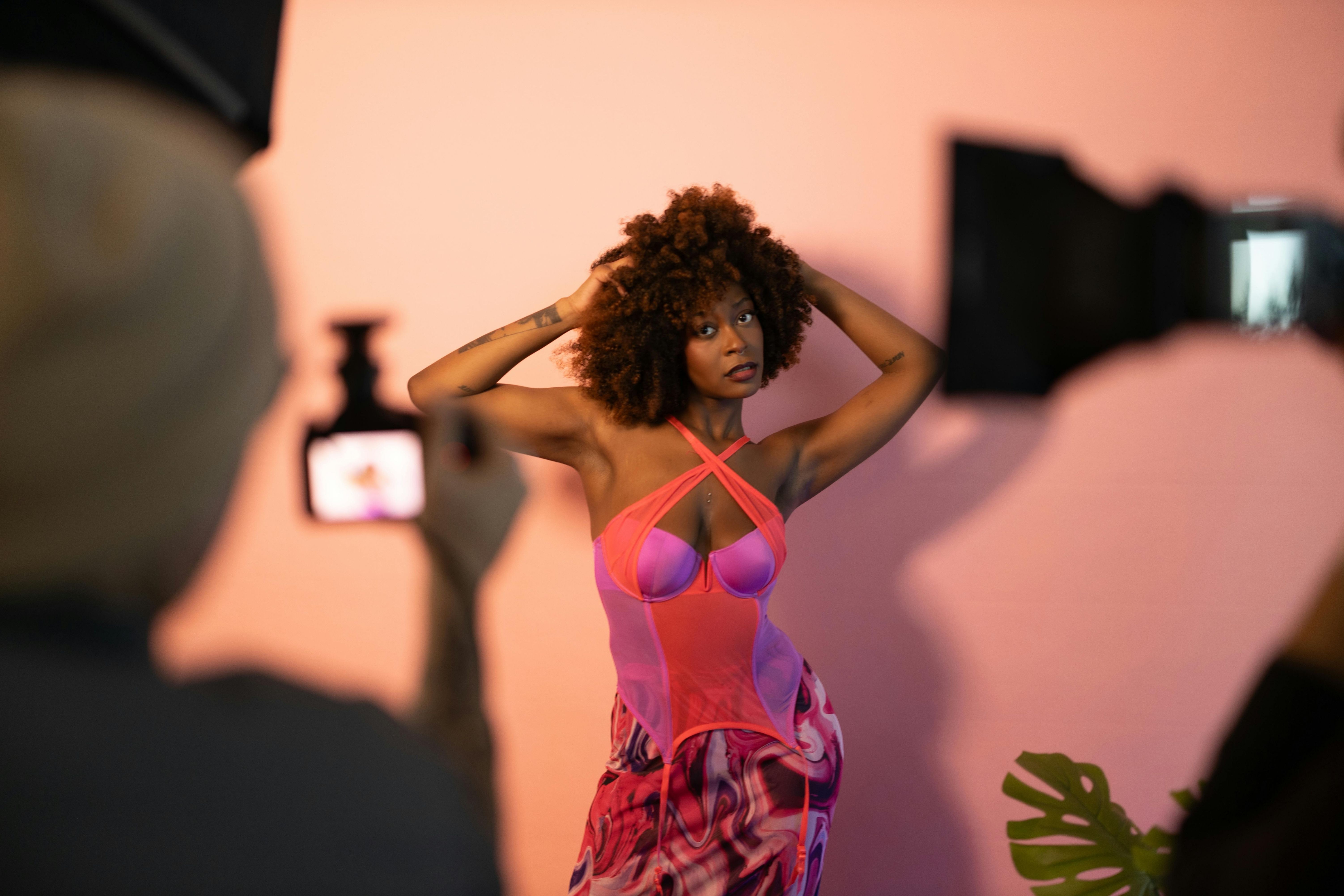
Photography is more than capturing light and composition — it is a craft intertwined with legal and ethical responsibility. Every image carries personal information, intellectual property rights, and potential commercial value. In South Africa, the Protection of Personal Information Act (POPIA) reminds creatives that images identify real people and must be handled responsibly.
“A photograph tells a story — but that story carries responsibilities and rights.”

Consent is more than a signature. Verbal or informal approvals no longer meet professional standards. Model release forms, location permissions, and property releases must clearly define where the image will be used, for how long, and for which platforms. Without this, photographers risk legal issues and reputational harm.
Scenario: A lifestyle photographer shares images on social media without confirming consent for online distribution. Even if the campaign was local, this can create disputes and violate POPIA.
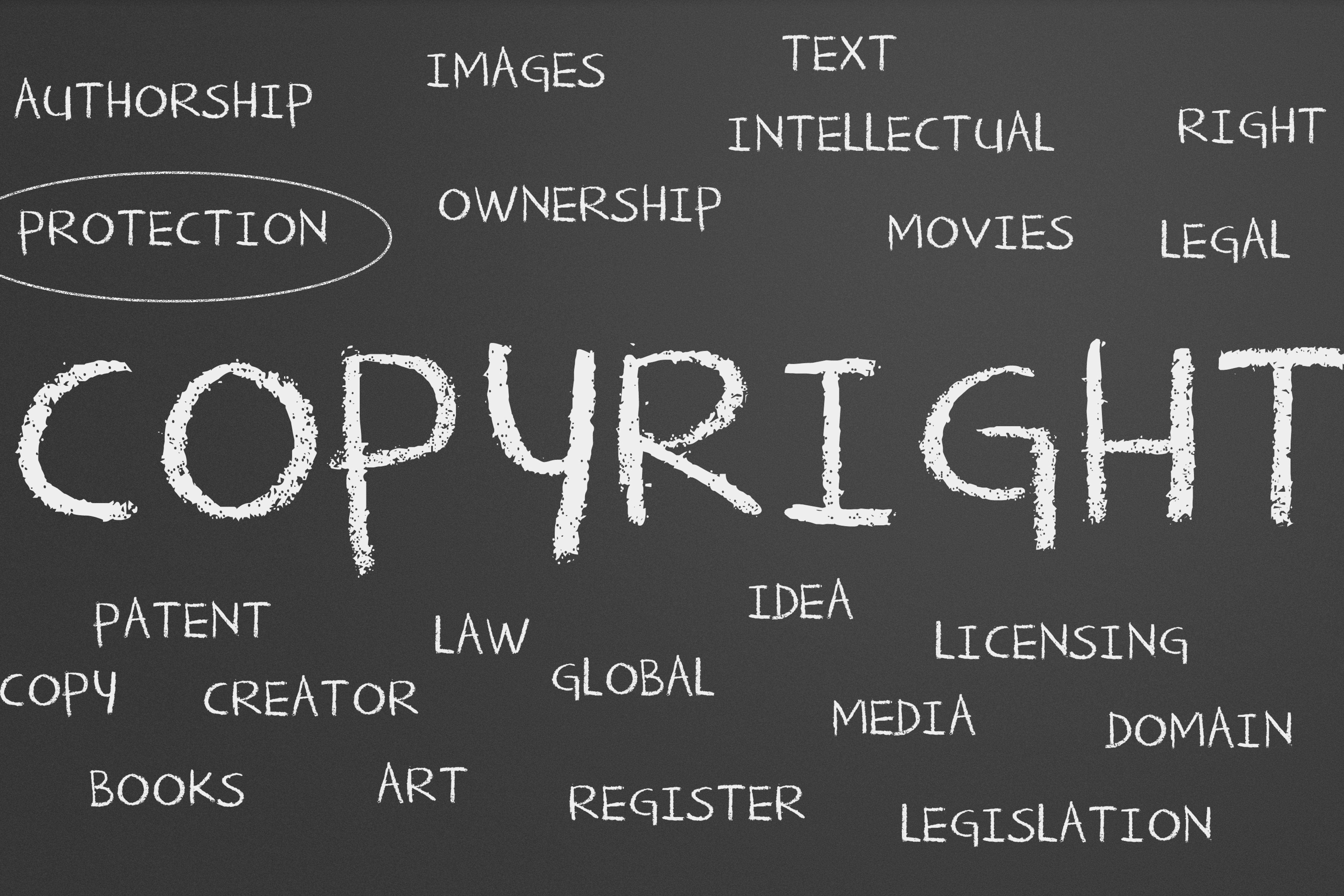
Copyright protects creative expression. Licensing agreements define how images may be used by brands, agencies, or stock platforms. Misuse can result in fines or litigation. Getty Images, Shutterstock, and Adobe Stock enforce strict copyright rules, requiring verified consent and licensing before commercial use.
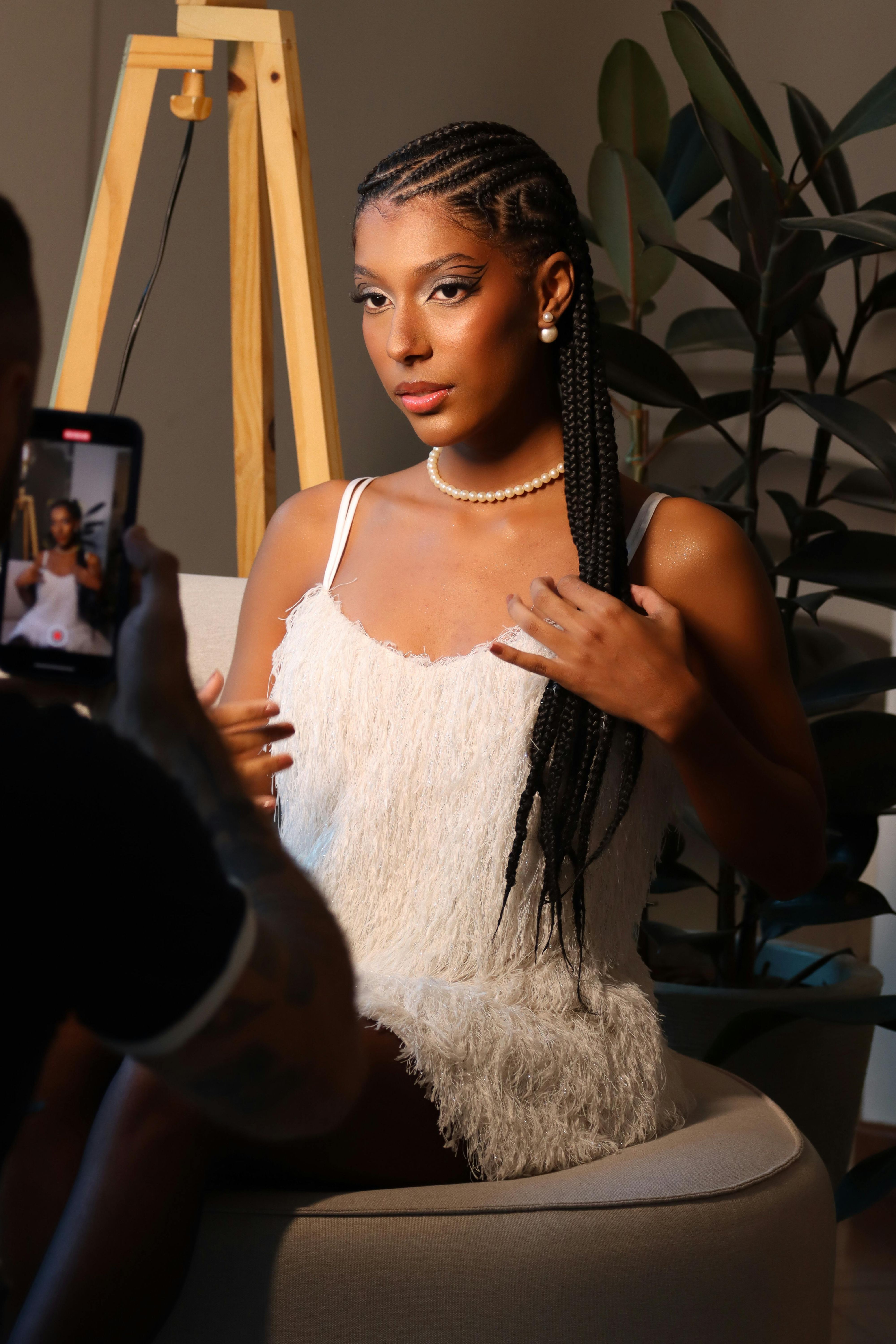
Social media instantly amplifies visibility. Instagram, YouTube, and TikTok posts are effectively publications. Mislabeling, reposting without permission, or exceeding consent scope can result in disputes. Clear guidelines for platform use and compliance with licensing are essential.
“Digital visibility multiplies responsibility — every post matters.”
Archiving content carries risks. Old campaigns may have expired consent or altered usage rights. Ethical archiving involves reviewing all stored content, verifying consent, and updating documentation. Content without verifiable consent should be restricted or anonymized to protect both subjects and brand reputation.
Scenario: A brand wishes to reuse a 2019 photoshoot in 2025. Without checking consent, using these images can result in violations or claims. Proper archives ensure transparency and compliance.
“Archiving responsibly is as important as capturing the perfect shot.”
“Ethical photography safeguards creativity, talent, and professional reputation.”
Ensuring clarity, accountability, and professional trust in campaigns and social media
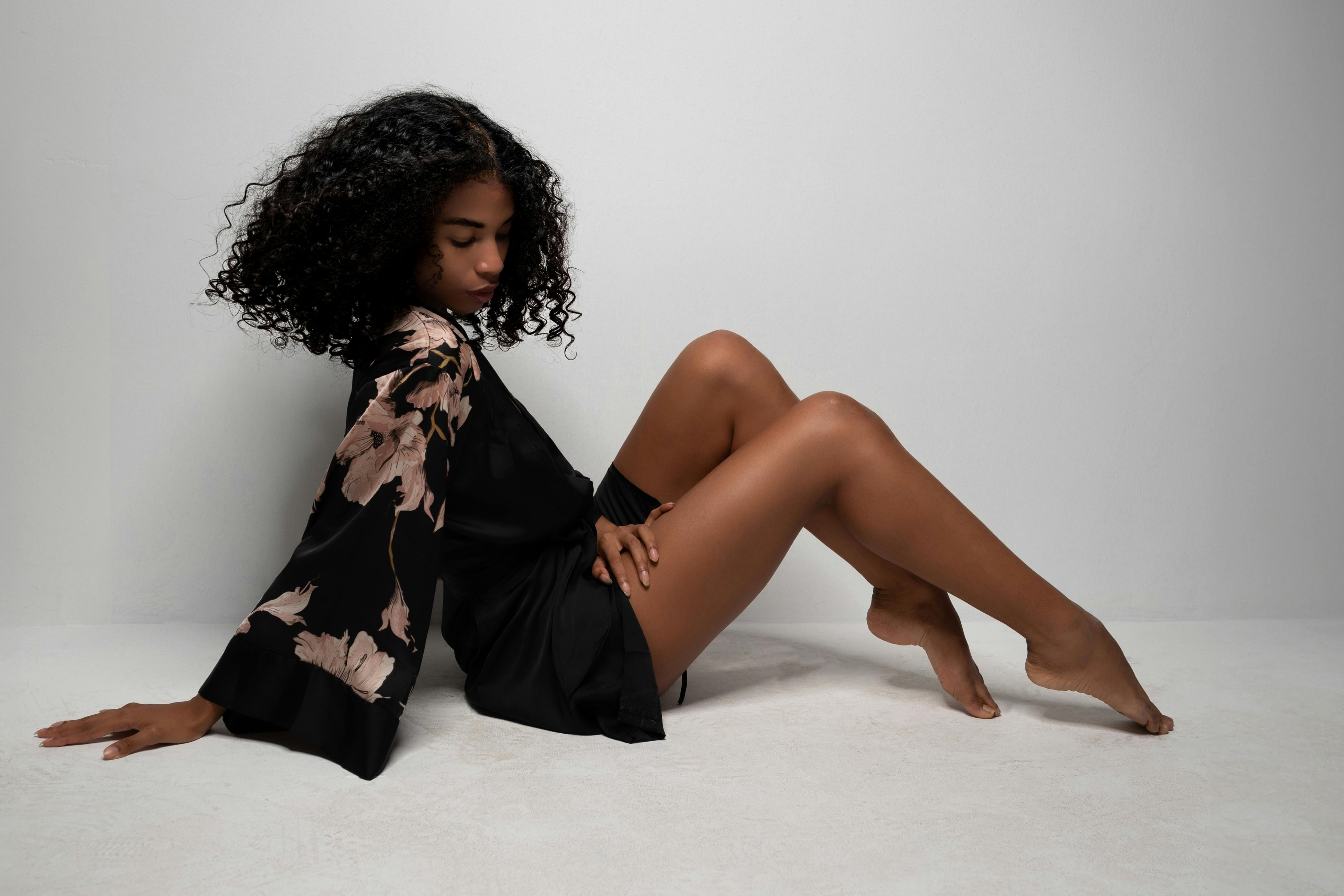
Modelling is a profession built on visibility and collaboration. Yet in the digital age, visibility comes with responsibility. Every photoshoot, campaign, or social media post involving a model is subject to legal, ethical, and professional standards. Consent is no longer a formality — it is the foundation of trust and integrity.
“Consent is the invisible contract that protects both model and brand.”

The model release form is the cornerstone of consent. It should clearly outline:
Without formal agreements, even minor social media posts can lead to disputes or violations under POPIA and intellectual property law. This is especially critical for campaigns with multiple channels or international reach.
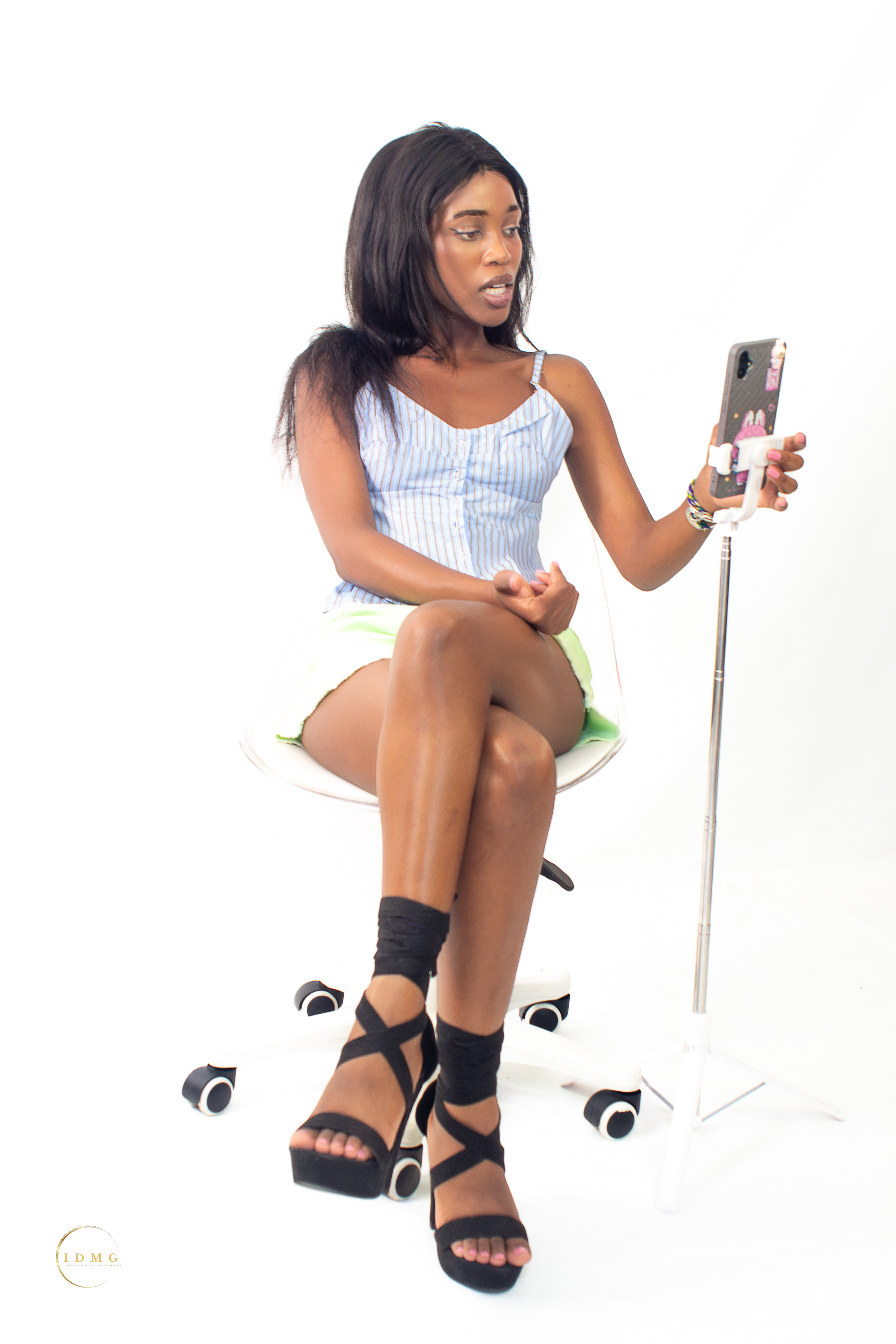
Social media amplifies both exposure and risk. Influencers and models sharing content must ensure their posts comply with consent agreements. Misuse, unauthorized reposts, or content repurposing can result in legal action or reputational damage.
Scenario: A TikTok influencer posts behind-the-scenes images from a photoshoot. If consent covered only official campaign channels, this may breach the agreement. Proper oversight and communication prevent such violations.
“Transparency with models builds trust that lasts beyond a single campaign.”

Global campaigns require attention to international regulations. Different countries have varying privacy and image laws. South African agencies must comply with POPIA, while campaigns in Europe may need GDPR adherence.
Historical example: A South African model featured in an EU campaign had to sign additional releases to meet GDPR standards, highlighting the need for jurisdiction-specific agreements.
“Proper consent is a sign of respect, professionalism, and foresight.”
Building authentic engagement, ethical content, and measurable impact

Content creation in the digital era is both an art and a strategy. From photography, video, and written content to live streams and short-form media, every piece shapes perception and builds connection with audiences. A deliberate strategy ensures creativity is amplified while respecting ethical standards and platform rules.
“Content without strategy is noise; content with purpose builds influence.”
Creators must balance quality, frequency, and platform-specific requirements. Each platform, from Instagram to TikTok, has unique audience behaviors and content formats. Scenarios include scheduling posts for peak engagement, repurposing behind-the-scenes footage ethically, and maintaining brand consistency across multiple channels.
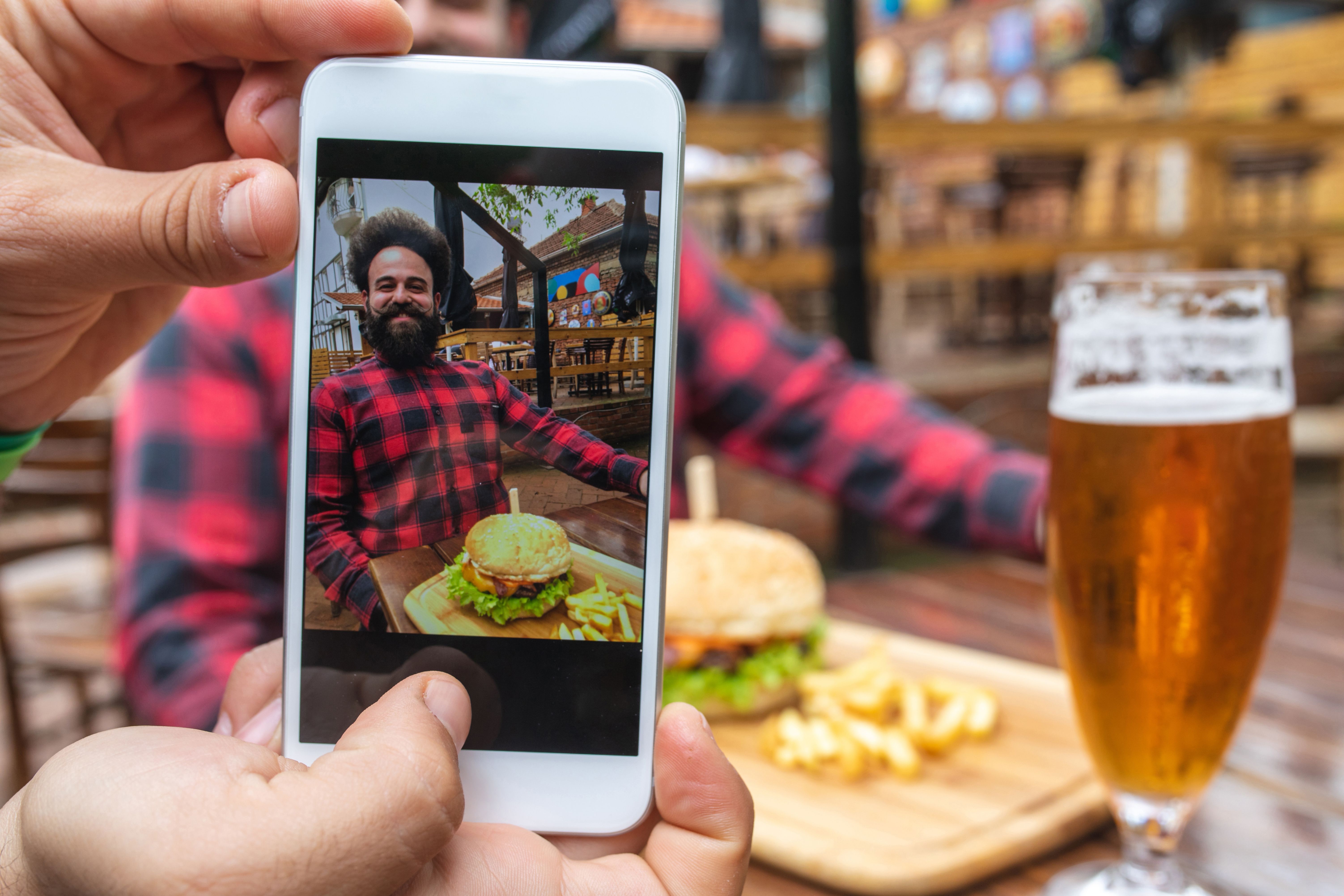
Influencer collaborations can expand reach and credibility but require clarity. Contracts should specify post types, platforms, content usage, and disclosure of sponsorship. Scenario: A model posts behind-the-scenes content; unless explicitly permitted, this may violate campaign agreements. Clear communication builds trust and protects all parties.
“Collaborations thrive on clarity, trust, and respect for rights.”

Understanding platform analytics ensures content reaches the right audience. Metrics such as impressions, engagement, reach, and conversions inform strategy and guide future content decisions. Scenario: A campaign underperforms on Instagram but excels on LinkedIn; adapting content style for platform-specific audiences optimizes results.
“Content strategy without ethics is short-lived; trust ensures longevity.”
“Ethical, measured, and purposeful content builds sustainable digital influence.”
Legal and ethical responsibilities in digital, stock, and influencer-driven campaigns
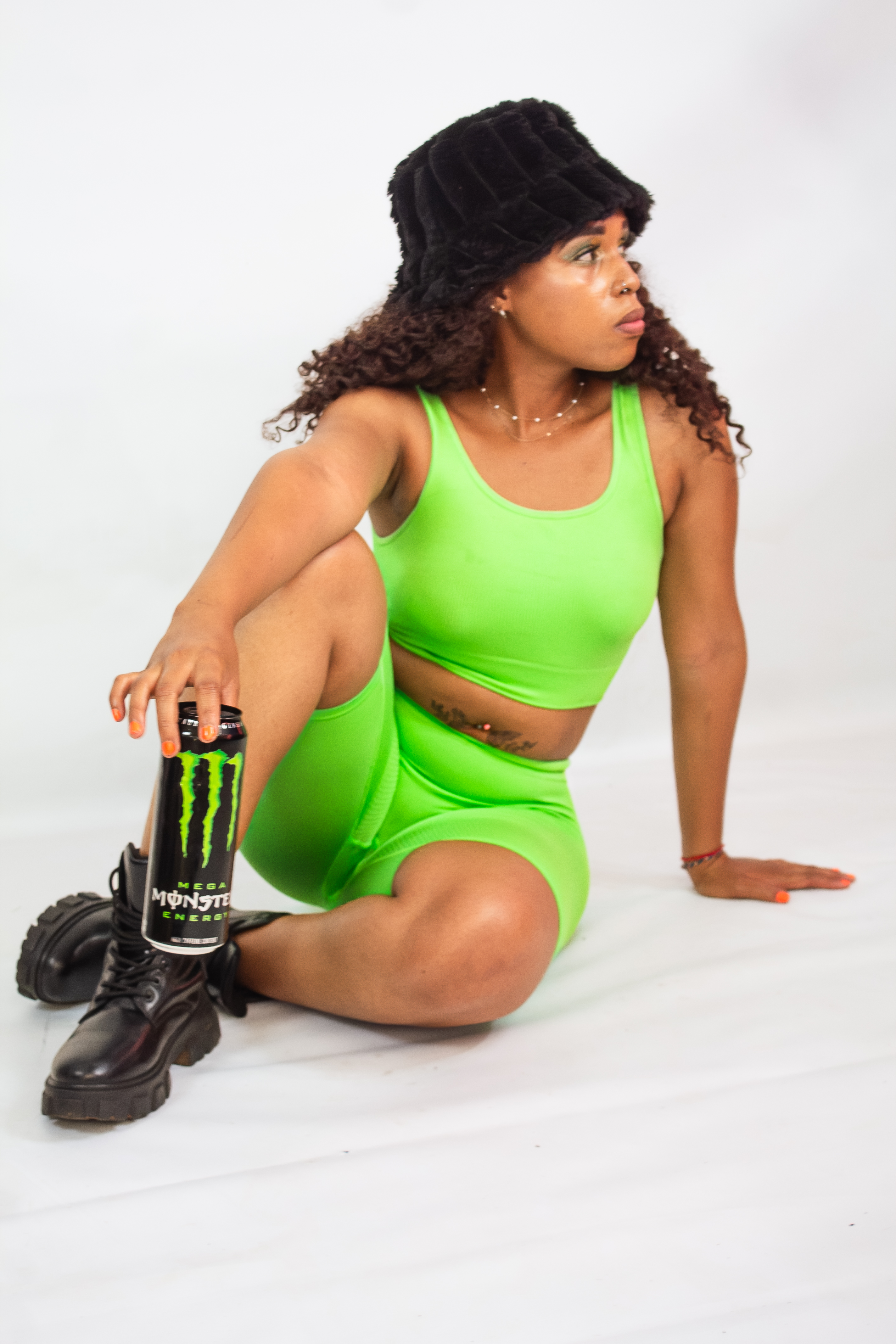
Advertising campaigns are the lifeblood of brands, shaping perception and driving engagement. In today’s media-saturated world, creatives must manage content ethically and legally. Every image, video, or design carries potential commercial and legal implications, affecting both the people depicted and the brand’s reputation.
“Creativity is powerful, but compliance safeguards that power.”

Campaign planning should integrate legal and ethical checks at every stage. Brands must identify:
Proper planning ensures authorized use and clear understanding by all participants. Briefings should include contract review and compliance with laws such as POPIA and intellectual property regulations.
“Every campaign is a reflection of the brand — and a legal responsibility to those involved.”
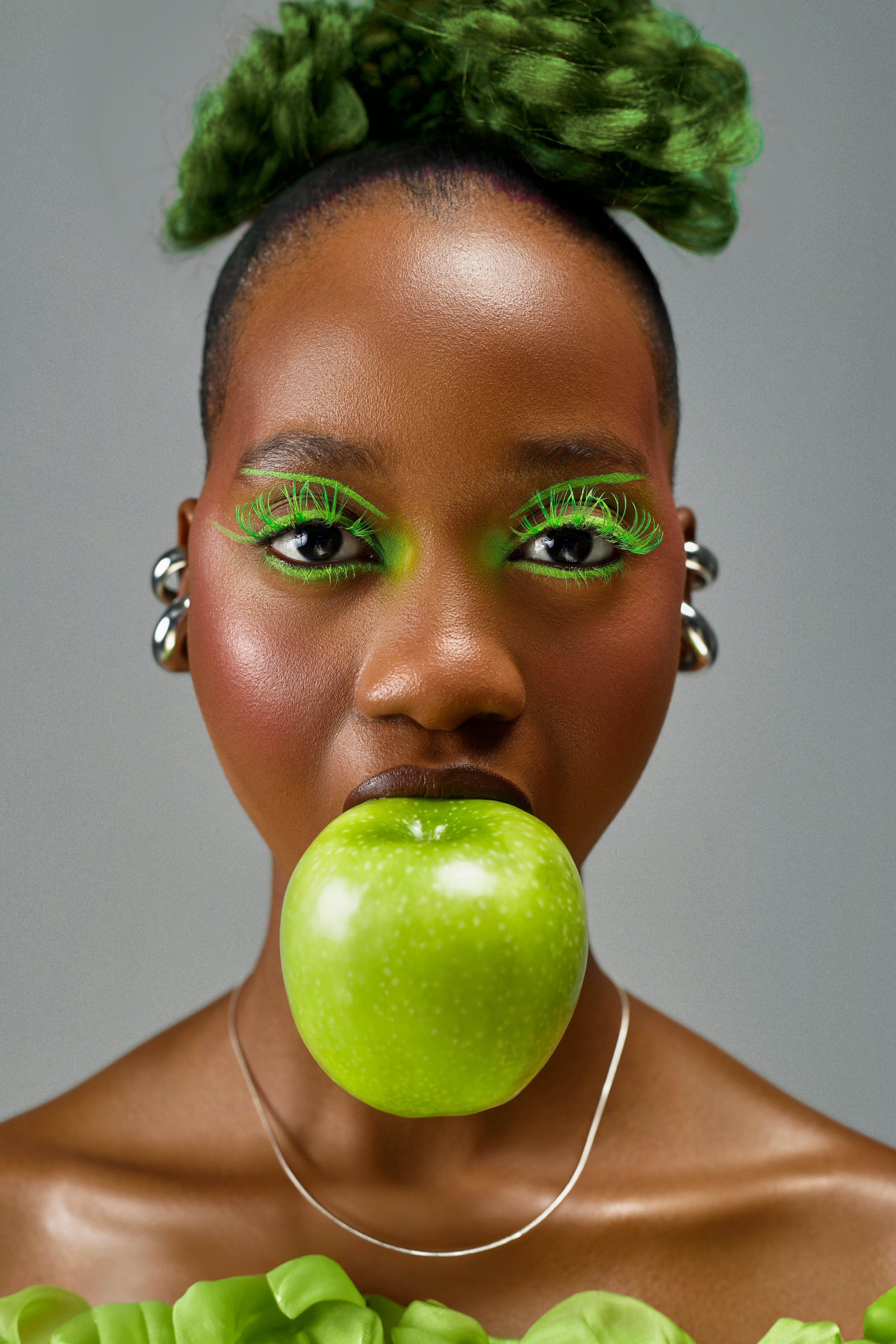
Modern campaigns span multiple channels: social media, websites, print, outdoor, and digital marketplaces. Each platform has unique rules and audience expectations. Maintaining consistency while staying legally compliant is critical. Creatives must ensure proper resolution, context, captions, and usage rights to avoid misrepresentation.
Collaborations with influencers require clarity on compensation, content ownership, disclosure, and advertising standards. Transparency protects both the influencer and the brand.
“A well-executed campaign communicates trust as clearly as it communicates a message.”
“Responsible campaigns protect creativity, brand reputation, and the people you feature.”
Advertising campaigns are powerful tools for engagement and storytelling, but with that power comes responsibility. Integrating consent management, licensing verification, and ethical standards ensures campaigns inspire, resonate, and comply legally. Trust, transparency, and professionalism are the cornerstones of modern advertising.
Navigating stock photography, licensing, and ethical content creation in modern digital media
Stock photography platforms like Getty Images, Shutterstock, and Adobe Stock have transformed content creation. They allow photographers, brands, and creatives to distribute images globally and monetize their work. But these platforms also introduce legal and ethical responsibilities. Misunderstanding licenses or failing to manage model consent can create serious risks, from legal penalties to reputational harm.
“Every stock image represents real people, rights, and responsibilities.”
Stock images are governed by licenses that specify permitted uses. Most platforms distinguish between editorial, commercial, and extended commercial licenses. Editorial images may only be used in news or journalistic contexts, while commercial licenses allow advertising and promotional use. Misusing stock content by exceeding its license can lead to legal disputes, financial penalties, and removal of content from platforms.
Photographers contributing to stock libraries must ensure model and property releases are in place. Each asset uploaded should include proper documentation that verifies consent for commercial or public use.
The following guidelines help maintain ethical and legal standards across all forms of content creation:
“Proper consent, licensing, and documentation are the pillars of professional credibility.”
Social media amplifies both opportunity and risk. Images uploaded to platforms like Instagram, Facebook, and TikTok can spread instantly, crossing borders and contexts. Creatives must ensure that stock content is used in line with licenses, consent, and intended purposes. Attribution may also be required depending on the platform and license.
Influencer collaborations or brand campaigns that integrate stock content should include licensing checks and proper documentation in contracts. Transparency with all parties ensures that the brand and the creative remain protected.
Integrating ethical practices into workflows protects both the creative and the subjects depicted. A recommended approach includes:
“Ethical workflows are the backbone of sustainable creative careers.”
Stock platforms, social media, and advertising offer creatives unprecedented reach and revenue potential. But without attention to licensing, consent, and ethical practices, that opportunity becomes a risk. By following clear do’s and don’ts, maintaining records, and respecting rights, creatives can protect themselves, their subjects, and their clients, ensuring long-term credibility and success.
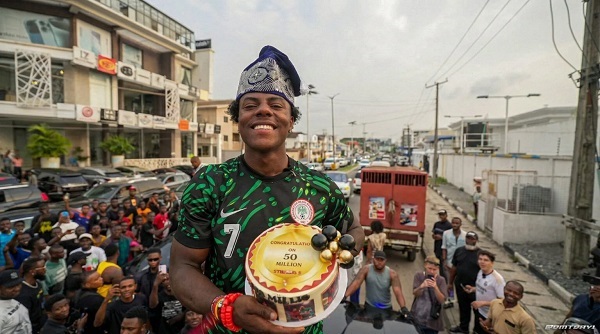
iShowSpeed arrived in Africa not as a passive observer, but as a **digital influencer with unprecedented reach**. With millions of followers watching, his every step, reaction, and interaction was magnified across borders. Through his lens, the continent was suddenly reframed — not through curated tours or press releases, but raw, dynamic, and immediate.
Perspective is active. Each time iShowSpeed smiled at a fan, reacted to a street performance, or navigated a crowded market, he was curating content that would travel the globe instantly. For his audience, Africa was no longer a distant idea; it became **experience mediated by influence**, and the consequences of that perspective were powerful.
The algorithm does not discriminate. It amplifies extremes, humor, and engagement. Through iShowSpeed, moments that might have been unnoticed suddenly became **global phenomena**. A single gesture, joke, or reaction could trend internationally, creating new narratives for a continent often misrepresented or ignored.
This is the power of modern digital influence. Traditional media once dictated perspective; now, one streamer can redefine it in real time. iShowSpeed’s energy, spontaneity, and personality combined with the algorithm’s reach created **a feedback loop where reality, perception, and viral engagement collided**.
The implications extend beyond entertainment. Perspective, when amplified by algorithms, becomes a tool — capable of shifting cultural narratives and breaking preconceptions. iShowSpeed, intentionally or not, **participated in reshaping how Africa is viewed globally**, showing the continent’s vibrancy, complexity, and humanity.
Perspective is power. And when combined with digital influence, it is **global power**. Audiences can see, react, and participate simultaneously, creating a **real-time cultural exchange**. Africa wasn’t performing; it was living. The algorithm merely carried the story further, faster, and more dynamically than ever before.
For influencers like iShowSpeed, the responsibility is immense. Every movement can be amplified, every reaction interpreted, every scene disseminated. Yet this same power enables **unfiltered representation**, allowing viewers to witness nuance, spontaneity, and authenticity that traditional media cannot always provide.
The arrival of a single influencer can ripple across continents, changing perception instantly. Perspective no longer waits for newspapers, documentaries, or curated exhibitions. Through iShowSpeed’s stream, Africa’s streets, communities, and energy reached millions, **highlighting the true power of digital influence paired with human experience**.
In this moment, perspective, influence, and algorithmic amplification converged. Africa was seen not as a passive backdrop but as **an active participant in global storytelling**, facilitated by the presence of an influential voice. For millions, this wasn’t just entertainment — it was a profound lesson in how digital platforms can reshape perspective in real time.
iShowSpeed demonstrated that influencers can be catalysts for perception, bridging continents, cultures, and audiences. His stream highlighted not only the vibrancy of African streets but also the **transformative power of perspective when amplified by algorithms**. This is where influence becomes impact.
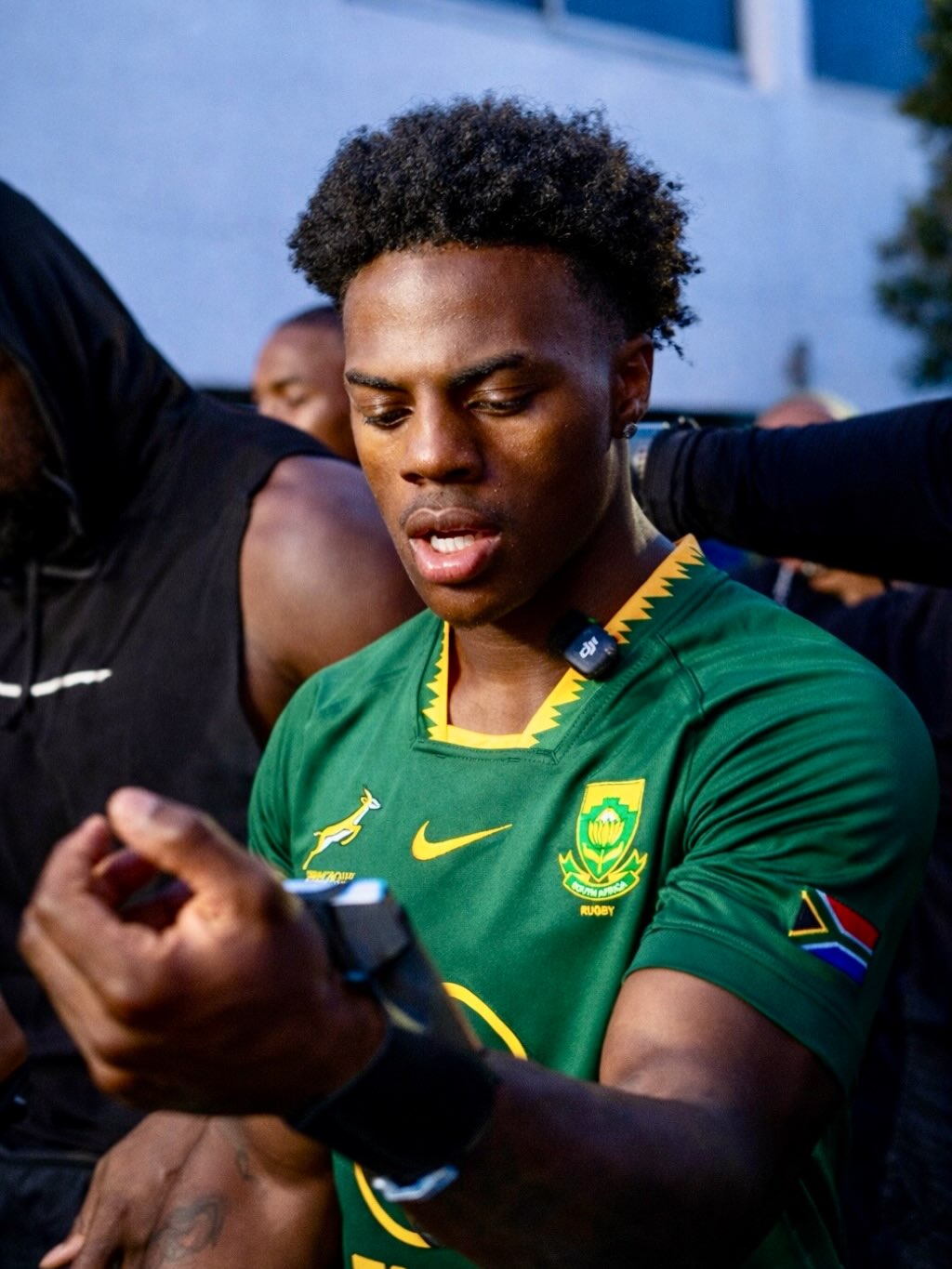
Algorithms are powerful, neutral, and unrelenting. They do not interpret nuance, historical context, or cultural complexity. They reward immediacy, surprise, and engagement. In the case of iShowSpeed’s Africa tour, the algorithm became a global amplifier — transforming ordinary street moments into viral content seen by millions.
The collision between the algorithm and reality produced a fascinating phenomenon. Moments of humor, cultural interaction, or local improvisation were instantly amplified and recontextualized for global audiences. A joke on the street, a gesture toward a local fan, a brief reaction — all became content with a life of its own, detached from context but full of impact.
Africa’s streets, communities, and youth culture were not being curated. They were **participating in the algorithm**, influencing the feed, challenging assumptions, and breaking stereotypes in real time. The result was a **dynamic narrative** in which stereotypes about African cities, people, and culture were contested with every frame.

Traditional media often frames Africa through selective lenses: crisis, poverty, or curated tourism. These narratives produce limited engagement and reinforce pre-existing propaganda. In contrast, algorithm-driven platforms allow audiences to see the continent as it is — chaotic, vibrant, unpredictable, and alive.
The algorithm, however, is impartial. It elevates extremes, engagement, and reaction — sometimes distorting reality in the process. Yet in this distortion, **truth leaks through**. Africa becomes visible in ways that are raw, unedited, and participatory. The very same algorithm that amplifies chaos also empowers authenticity, creating an ecosystem where global audiences can witness complexity rather than a single curated story.
The algorithm amplifies extremes, but reality always pushes back.
The Gen-Z digital audience plays a crucial role in this ecosystem. Young Africans do not passively consume content; they create, respond, and redirect. In livestream interactions, their reactions are immediately incorporated into the narrative. Laughter, protest, improvisation, and humor shape what goes viral, challenging stereotypes and redefining how Africa is perceived.
iShowSpeed, as an influencer, acts as both lens and amplifier. His reactions, choices, and engagement become **filters through which the algorithm interprets reality**. Yet, the power is mutual. Audiences co-create content by reacting in real time, turning the influencer into a participant rather than an observer. Africa’s digital culture influences the algorithm just as much as the algorithm broadcasts it globally.
This interaction breaks long-standing narratives. Global audiences see beyond curated tourist imagery or crisis media. They encounter cities, neighborhoods, and people with **agency, creativity, and voice**. Propaganda and preconceived notions are disrupted by the **co-authorship between influencer, audience, and algorithm**.
Ultimately, the algorithm’s power is dual-edged. It can exaggerate, distort, or sensationalize. But it also provides unprecedented visibility and participation. Africa is no longer passively observed; it participates actively in the narrative formation. The algorithm becomes both tool and stage, iShowSpeed becomes lens and performer, and audiences become co-creators.
In the Collision Course between algorithm and reality, **stereotypes are contested, propaganda is disrupted, and culture is amplified authentically**. The stream demonstrates a new paradigm where influence, technology, and lived experience converge, producing content that is chaotic yet truthful, viral yet culturally grounded, and unpredictable yet impactful.
Algorithms do not replace reality — they magnify it. And in this amplification, Africa is no longer a background to the global narrative. It is an active, participatory presence that shapes its own representation. Through the lens of digital influence and algorithmic power, global audiences experience Africa **as it truly exists**: complex, dynamic, and profoundly human.
Lessons, impact, and the lasting power of algorithm-driven cultural exchange
The conclusion of iShowSpeed’s African tour leaves a powerful aftershock in both the digital and real world. What started as a viral livestream evolved into a global case study in **how algorithms shape perception**, how influencers amplify culture, and how audiences actively participate in narrative creation.
The immediate impact is visible: millions of viewers worldwide now see African cities, communities, and youth culture in real time. The livestream created authentic exposure, contrasting sharply with curated tourist imagery or media-driven narratives. Africa was no longer passive content — it became **co-authored by participants, influencer, and algorithm alike**.
This experiment highlights the dual power of algorithms. On one side, they **amplify extremes**, rewarding chaos, humor, and immediacy. On the other, they **create visibility**, allowing stories and realities that might otherwise be ignored to reach global audiences. iShowSpeed’s influence was central — his energy and choices guided millions through an unfiltered lens, while audiences reacted, contributed, and redirected narrative momentum in real time.
Beyond immediate viewership, the aftermath signals deeper implications. Cultural representation is no longer mediated solely by institutions or legacy media. Algorithms, when combined with influencer participation and engaged audiences, **create a participatory global culture**, where voices previously marginalized can shape their own narrative. Africa’s presence in the digital ecosystem has been permanently redefined.
For Gen-Z audiences, the livestream exemplifies how digital literacy and agency enable **active authorship of culture**. Young Africans demonstrated intuition in shaping viral content, ensuring that their reality — humor, energy, improvisation — was preserved even as the algorithm magnified it worldwide.
iShowSpeed’s role as a global influencer also underscores a new model of cultural mediation. Unlike traditional celebrity ambassadors, who operate under PR teams and curated experiences, his unfiltered approach **entrusted the audience with co-authorship**. The stream became a live experiment in participatory storytelling, where influencer, algorithm, and audience co-exist as creators, curators, and amplifiers simultaneously.
The aftermath raises questions about responsibility and representation. Viral moments can mislead or distort if not contextualized. Propagation of stereotypes remains a risk, even as the livestream simultaneously dismantled others. The duality of algorithmic amplification is clear: while reality can shine, exaggeration, misinterpretation, or simplification may occur. Nevertheless, this tension is part of what makes the medium so potent.
Influence, algorithm, and culture intersect — producing visibility, unpredictability, and impact.
Long-term, the tour demonstrates that **digital power is now inseparable from cultural representation**. Influencers like iShowSpeed are not merely entertainers — they are catalysts, amplifiers, and intermediaries between local experience and global perception. Algorithms do not just broadcast content; they shape how societies are understood, and influencers become the lens through which millions interpret that content.
Africa, once mediated through selective narratives, now exists as a **live, participatory presence** in the global digital ecosystem. Communities, creators, and audiences actively define what is seen, shared, and celebrated. The influence of one individual, amplified by the algorithm and interpreted by millions, demonstrates the **transformative potential of digital platforms** for cultural exchange and global storytelling.
The lessons are clear: influence, perspective, and algorithms cannot fully control reality, but they can **reveal it in ways that were impossible before**. As the tour ends, the digital imprint remains — Africa has participated in its own storytelling, shaping global understanding through unfiltered, interactive, and algorithmically amplified exposure.
Protecting creative assets, innovation, and branding in the digital era
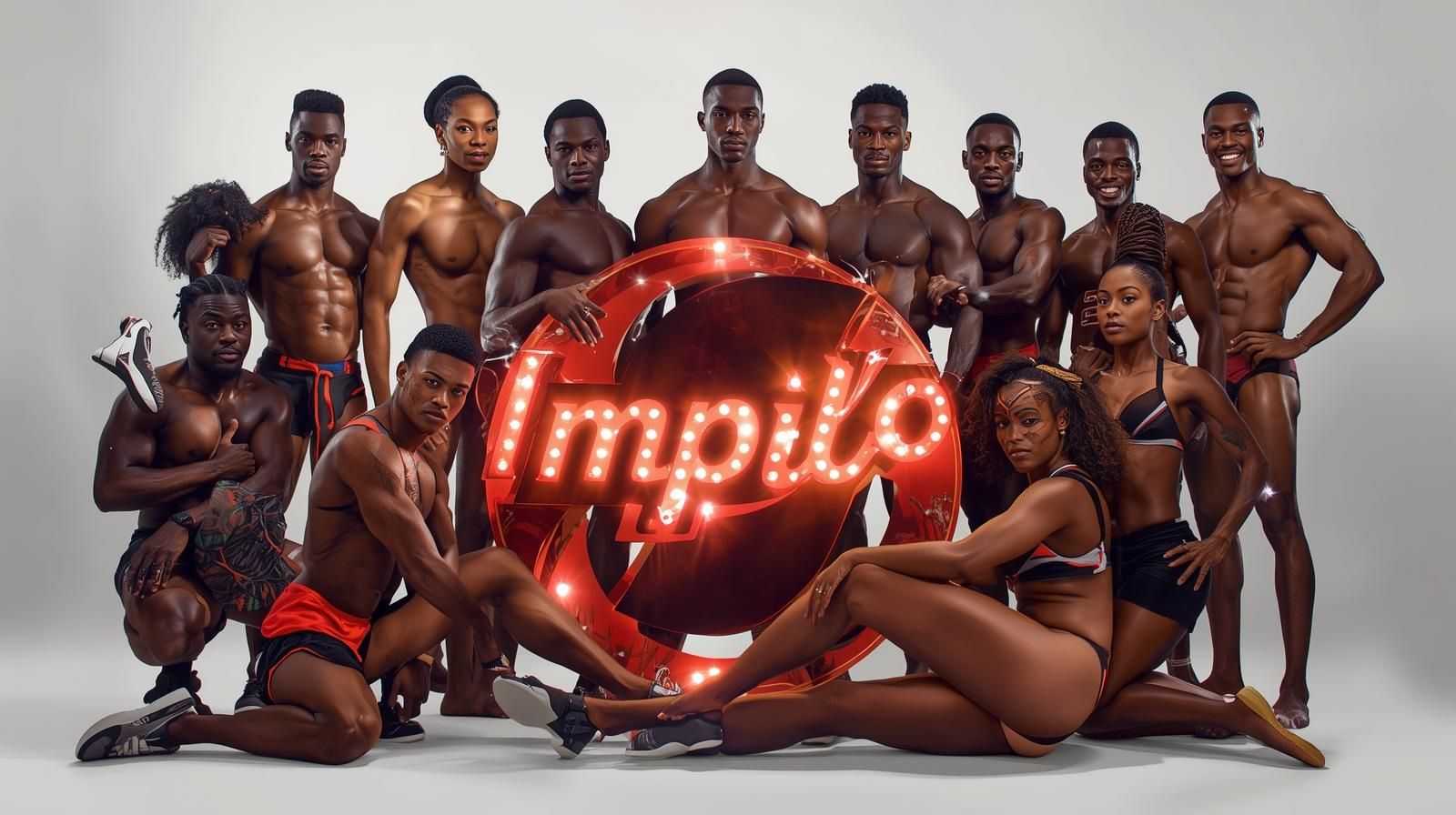
Intellectual property is the invisible backbone of media, innovation, and technology. From trademarks that protect brand logos to patents securing inventions, IP ensures creators and innovators retain ownership over their ideas. Throughout history, IP has shaped markets, from Thomas Edison’s patents in the 19th century to today’s viral digital campaigns.
“IP transforms ideas into assets — without it, innovation loses its value.”
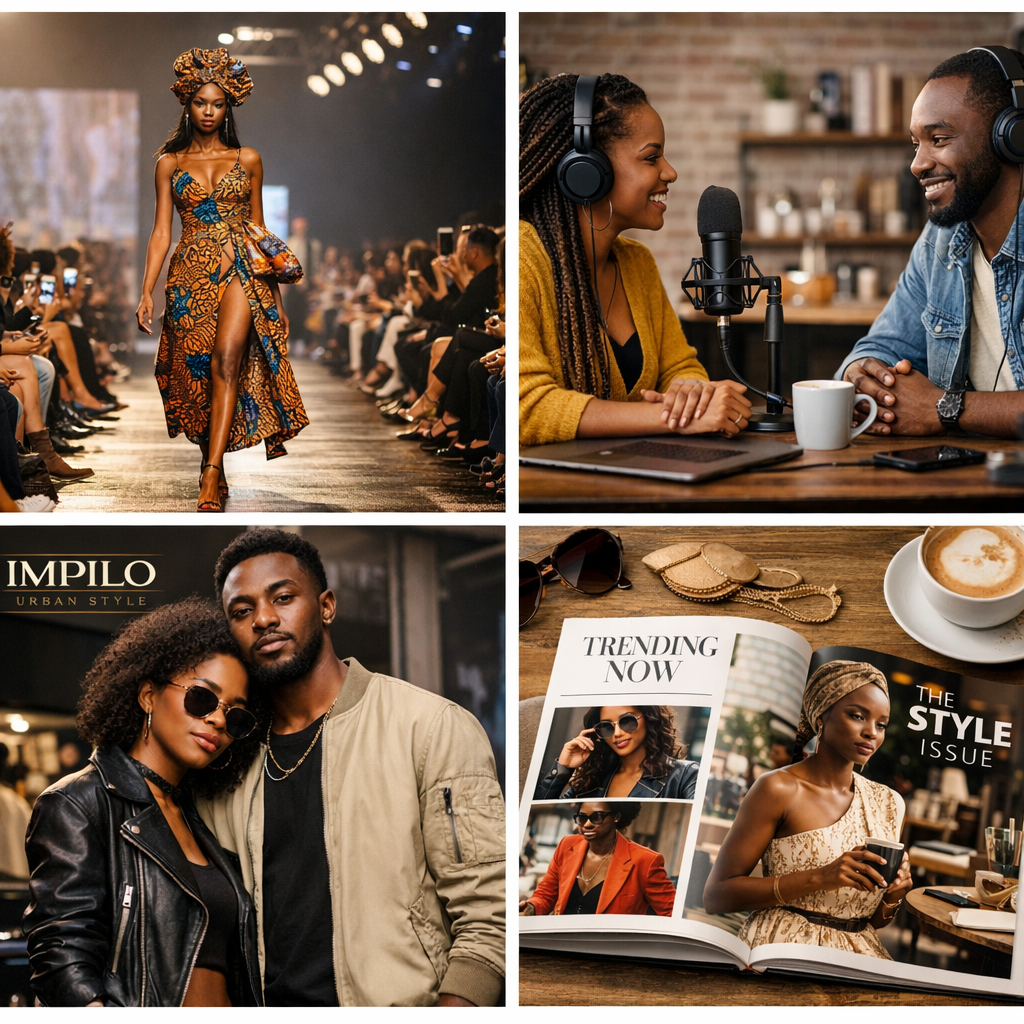
Trademarks identify brands and prevent competitors from creating confusion. In media campaigns, trademarks extend beyond logos to campaign titles, app interfaces, and even hashtags. Scenario: A fashion brand launches a campaign called “Runway Revolution.” If another company uses a similar title on social media, trademark registration allows legal protection and brand clarity.

Patents safeguard inventions, software, and product designs. For example, Spotify patented its recommendation algorithm to maintain competitive advantage. Historical reference: Thomas Edison’s patents for the lightbulb and phonograph show how IP can define industries. Today, strong patent portfolios attract investors and protect startups from imitation.
“Patents are the shield behind which innovation flourishes.”
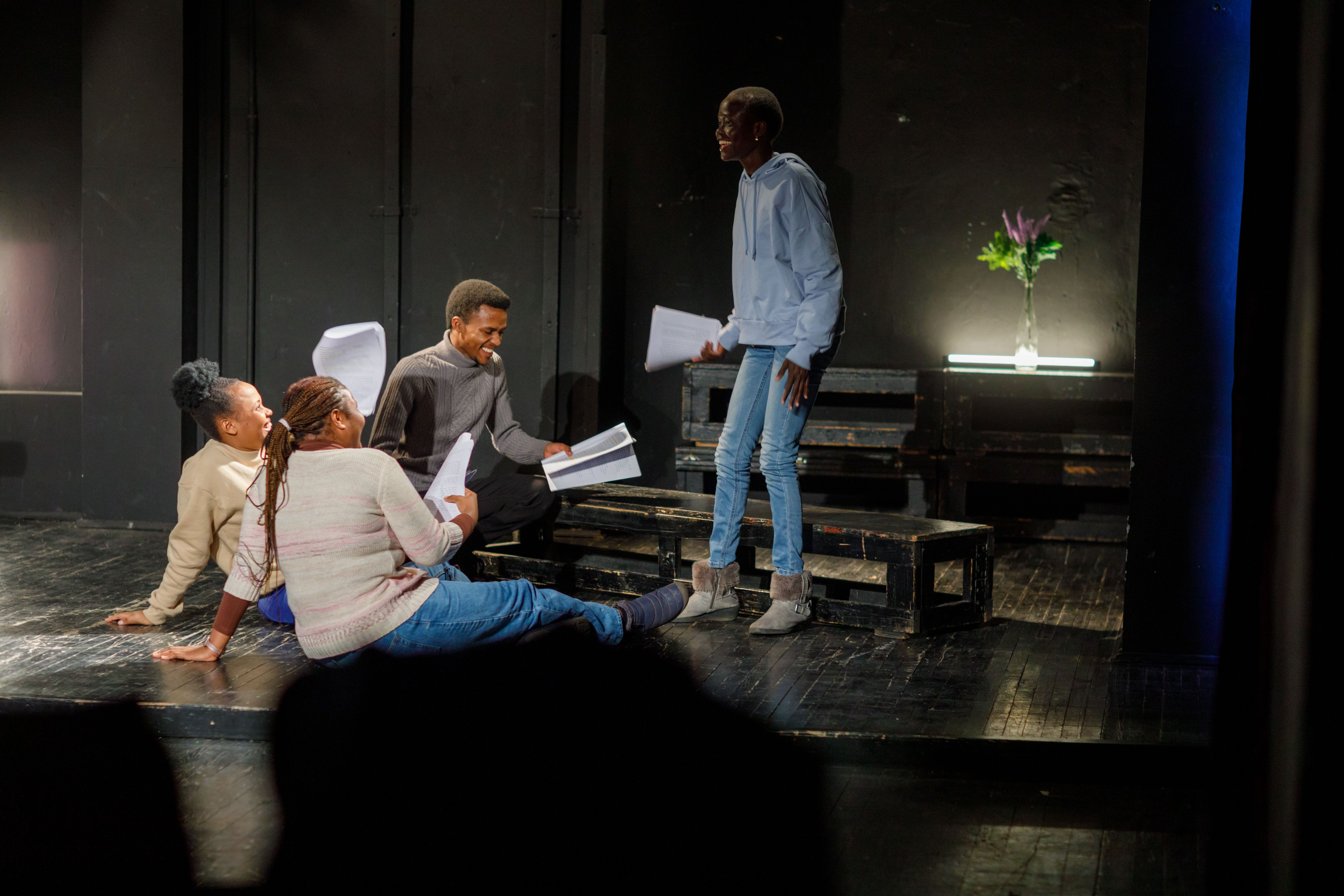
Copyright protects creative content in tangible form: photography, video, music, writing, and software. Media companies and digital creators must secure rights for every asset they use. Platforms like YouTube, Instagram, and TikTok have automated systems to flag copyright violations, resulting in content removal or fines if compliance fails.
Scenario: A digital campaign reuses stock footage without permission. Even if it appears minor, this can lead to infringement claims. Historical note: The Berne Convention of 1886 standardized international copyright, showing the long-standing global importance of protecting creative work.
“Copyright ensures creators maintain control and receive recognition for their work.”
“IP, when respected, enables creativity; when ignored, it destroys trust.”
Combine Sudoku with RPG mechanics! Gain XP, level up, and manage your HP as you complete the grid.
Level: 1 | XP: 0 | HP: 100
Gain XP, and level up! Hints reveal letters one at a time . Solve the crossword.
Hints: Fashion, Tech & Gaming
Letters solved: 0 / 111 | Hints used: 0

Back in 2021, discussions around digital privacy were gaining momentum as people began questioning how their data was being used. Four years later, in 2025, the conversation has shifted from awareness to action — as new laws, technologies, and social attitudes redefine what it means to stay private online.
The rollout of AI-driven analytics, biometric identity systems, and connected devices has made privacy protection more complex than ever. Governments worldwide have implemented new frameworks inspired by the EU’s GDPR and Africa’s POPIA Act, emphasizing consent, transparency, and accountability.
However, even with stronger regulation, the volume of data we share continues to grow — through smart homes, wearable health devices, and integrated digital ecosystems that track everything from shopping habits to emotional responses.

The idea of data ownership has evolved into what experts now call digital dignity — the right to control, retract, and even monetize one’s personal information. Decentralized platforms and blockchain-based privacy tools are empowering users to decide who accesses their data and for what purpose.
Leading tech firms in Africa and beyond are introducing user-centric privacy dashboards, giving people real-time visibility into how their data is being used. Meanwhile, startups are building ethical AI systems designed to process data without directly identifying individuals.
Despite technological progress, the biggest threat to privacy often remains human behavior — oversharing, poor password habits, and lack of skepticism toward phishing attempts. Education and awareness campaigns continue to play a key role in bridging the gap between policy and personal responsibility.
Schools and universities have also begun incorporating digital literacy and cybersecurity ethics into their curricula, ensuring the next generation understands both the value and the vulnerability of data.
As we move deeper into the era of AI and immersive realities, privacy will no longer be a setting — it will be a design philosophy. The challenge lies not only in protecting personal data, but in creating a digital world where privacy and innovation coexist harmoniously.
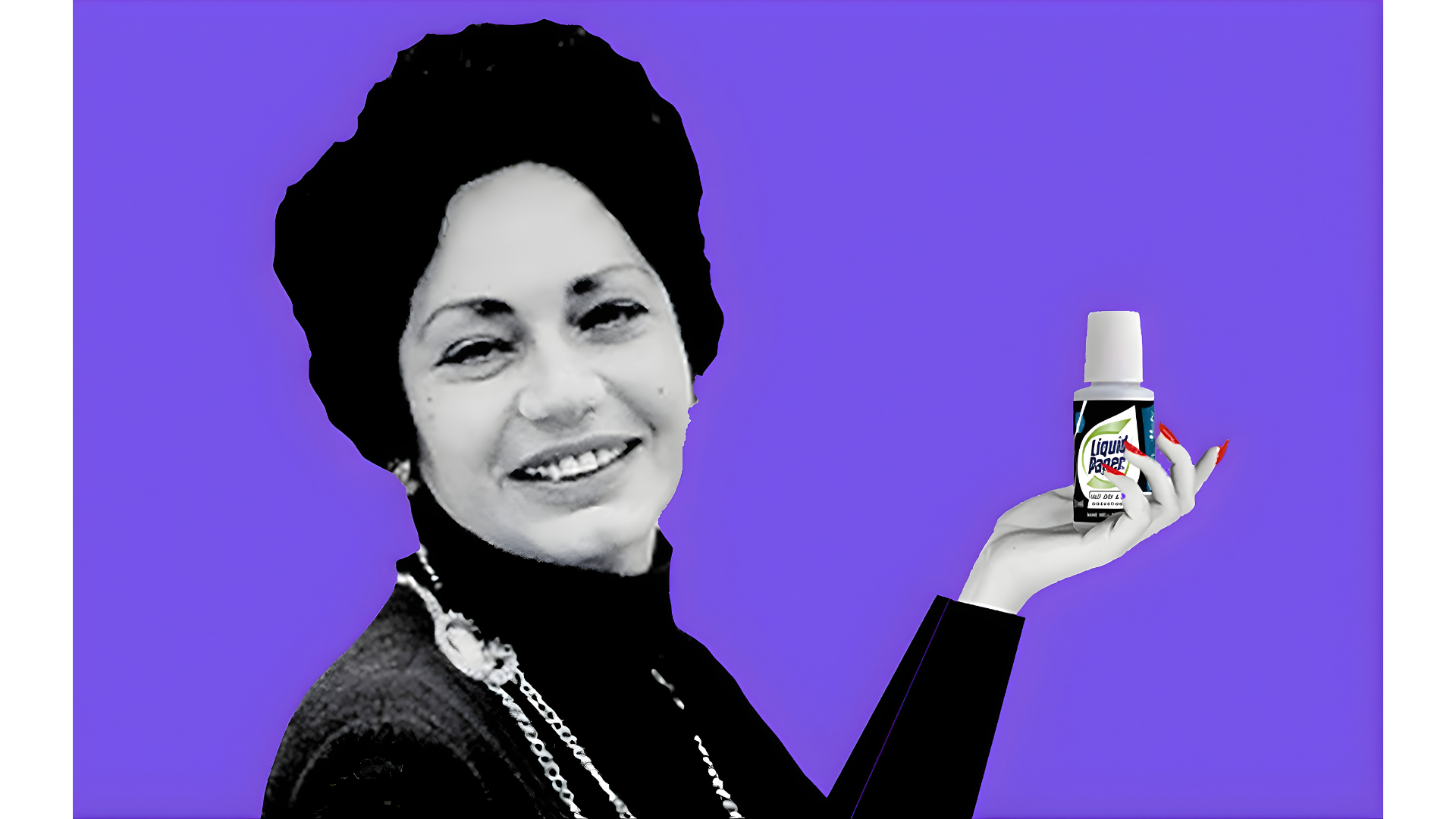
“From a secretary to the accidental invention of Liquid Paper, today we know it as Tipp-Ex.” Bette Nesmith Graham’s story exemplifies persistence, creativity, and entrepreneurship — qualities central to an innovative mindset.
Bette Nesmith Graham initially created her correction fluid using a kitchen blender, filling nail polish containers and hiding them in her desk to avoid scrutiny from a disapproving boss. Eventually, her invention would become ubiquitous in offices worldwide.
Born March 23, 1924, in Dallas, Texas, Bette was the daughter of Christine Duval, an artist and businesswoman, and Jesse McMurray, a worker in an automotive parts store. She pursued painting and sculpting but left school at 17 to become a secretary.
While supporting herself and her young son, Michael Nesmith (later of The Monkees), Bette struggled with typographical errors on new typewriters. Inspired by painters who corrected mistakes with paint, she created a white tempera mixture to cover errors — the first prototype of Liquid Paper.
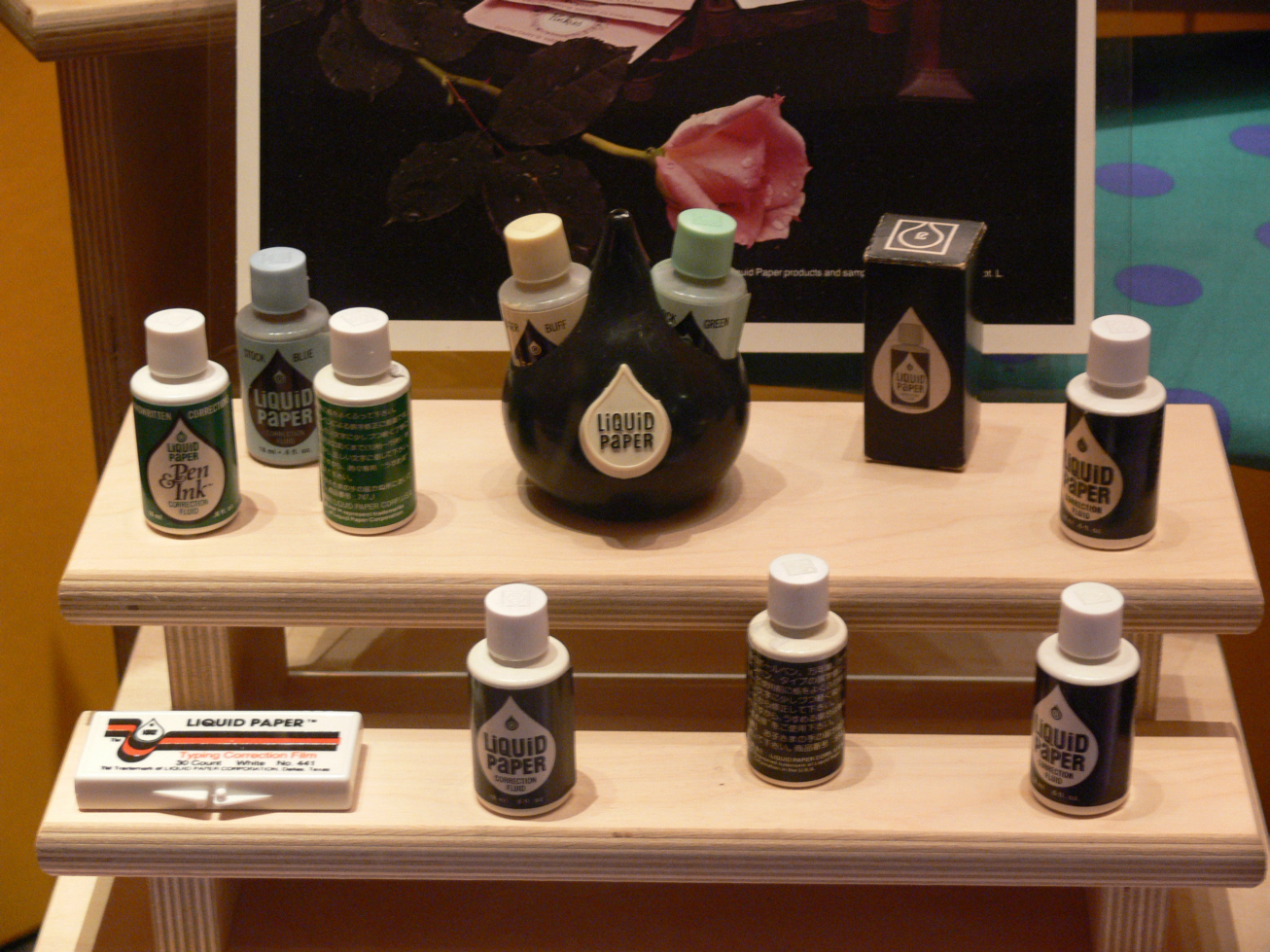
In 1958, after being fired for using her invention at work, Bette founded the Liquid Paper Company. With her son and friends as her first employees, she filled bottles in her kitchen. The company grew steadily, eventually moving into dedicated facilities and automated plants, producing 25 million bottles annually by 1975.
Bette’s success allowed her to establish foundations supporting women in business and the arts, including the Gihon Foundation and Bette Clair McMurray Foundation.
Bette faced setbacks during her second marriage, when her husband Robert Graham temporarily barred her from company decisions. Despite this, she regained control and ultimately sold Liquid Paper to Gillette for $47.5 million in 1979, securing royalties and ensuring her legacy.
Bette Nesmith Graham passed away on May 12, 1980. Her story remains a testament to resilience, creativity, and determination in business innovation.

People will pass on, but their work will remain. Celebrating the life and achievements of Dr. Richard Maponya.
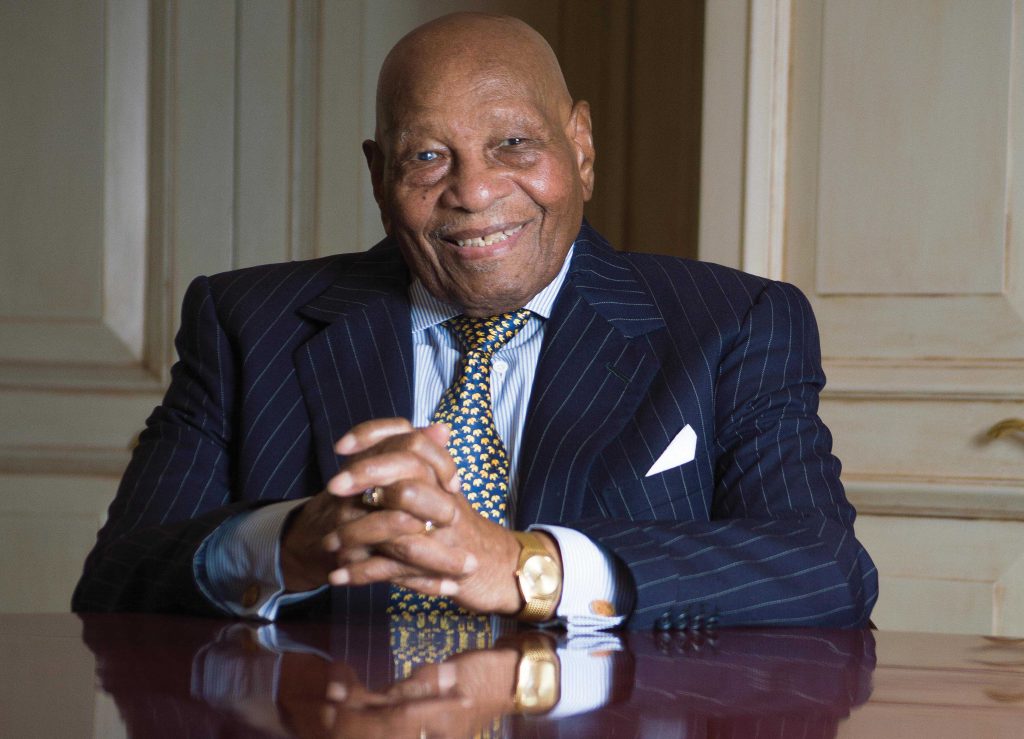
Widely respected as the doyen of black business, Dr. Richard Maponya passed away on 6 January 2020, just days after celebrating his 99th birthday. His life was a testament to perseverance, innovation, and vision, spanning decades of building businesses under the harsh restrictions of apartheid, while leaving a lasting legacy for future generations.
“Heroes may fall, but the impact of their work lives forever.”
At age 24, Maponya was a teacher who took a job as a stock taker at a clothing manufacturer. Spotting opportunity in adversity, he resold soiled clothing and offcuts in Soweto, laying the foundation for a lifelong commitment to business innovation. Eventually, he saved enough capital to open his own clothing retailer in Soweto, overcoming legal hurdles under apartheid, even hiring the law firm of Mandela and Tambo to secure his license.
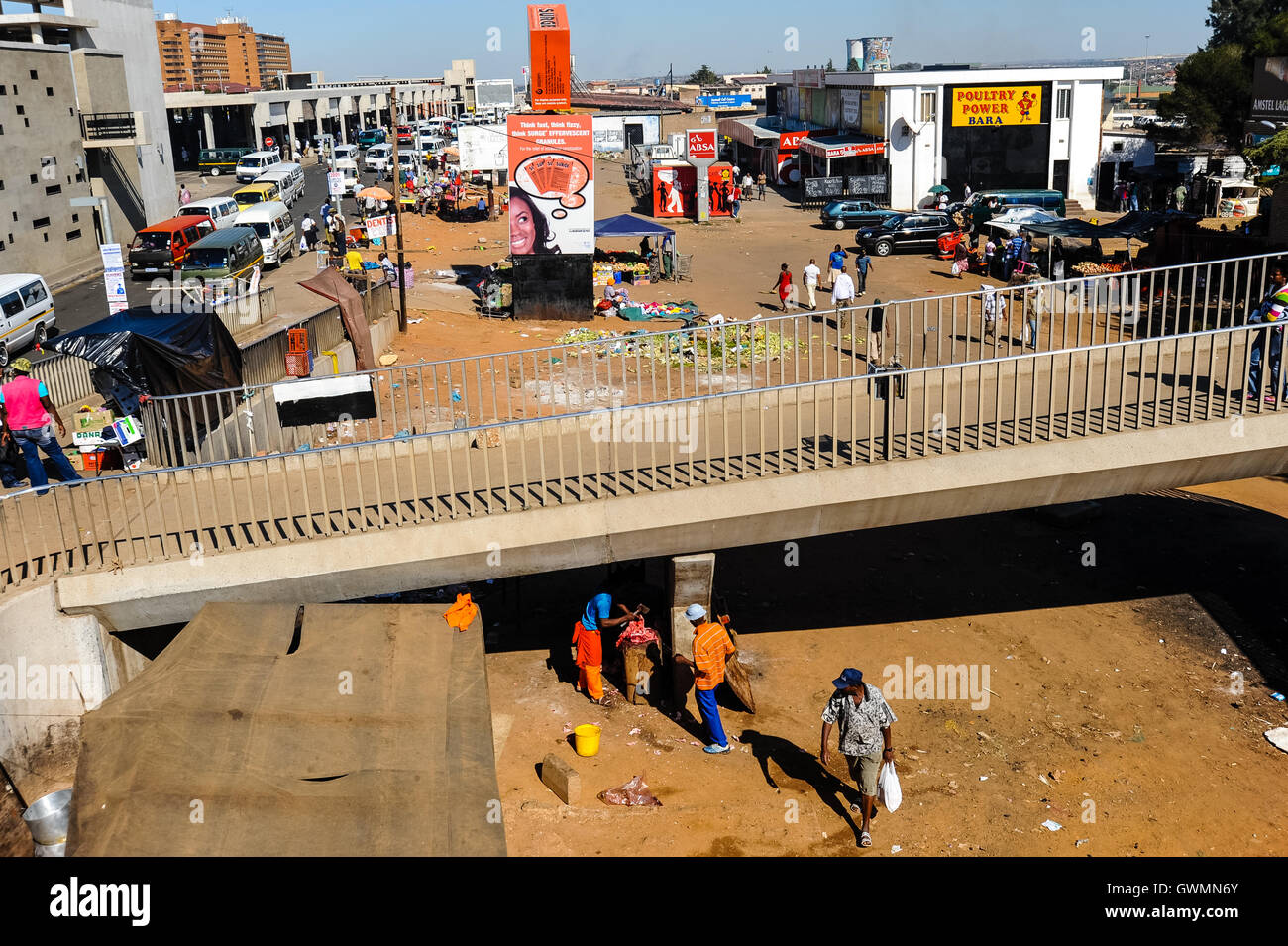
In the early 1950s, Maponya and his wife Marina established the Dube Hygienic Dairy, delivering milk to residents who lacked electricity or refrigeration. This initiative not only met a vital community need but also created employment opportunities for local youth, demonstrating his commitment to social upliftment alongside entrepreneurship.
By the 1970s, Maponya’s clothing business expanded into general stores, car dealerships, and filling stations. The most iconic of his achievements was Soweto’s Maponya Mall. Securing the land in 1979 with a 100-year lease, Maponya ultimately acquired it outright in 1994, culminating in one of the country’s largest shopping centers, officially opened by Nelson Mandela on 27 September 2007.
“Vision, persistence, and community focus transformed a mall into a landmark of Soweto’s economy.”
Maponya continued to grow Soweto’s business landscape through Maponya Motor City in Orlando East, including Volkswagen and Toyota dealerships. This development was celebrated by then-Deputy President Kgalema Motlanthe as “another milestone for Soweto by the Maponya Group,” cementing his role in building sustainable, world-class enterprises in the township.
Dr. Maponya was not just an entrepreneur; he was a **visionary leader** and mentor. As a founding member and first president of the National African Federated Chamber of Commerce (Nafcoc) and chairman of the African Chamber of Commerce, he shaped the path for countless black business owners, advocating for economic empowerment and structural change in post-apartheid South Africa.
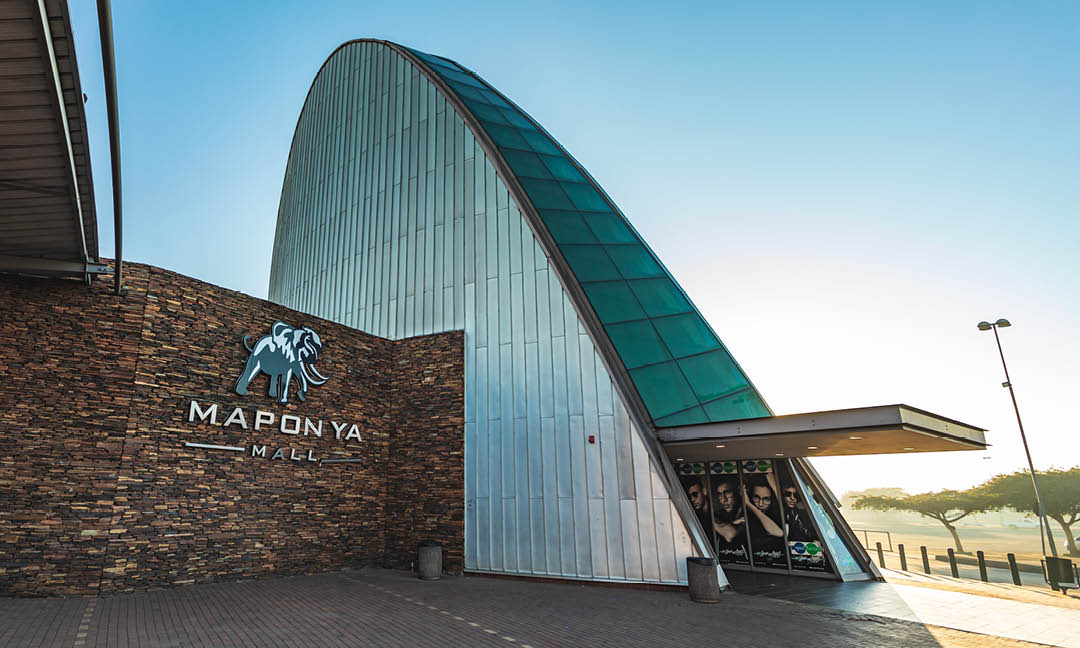
Today, the Maponya Group includes property development, retail, automotive sales, horse racing, and liquor stores — all testament to his enduring influence. His story serves as an inspiration for generations of entrepreneurs: **heroes pass on, but their work continues to shape society.**
“People will pass on, but their work will remain — and in that work, they live forever.”
A journey through the milestones and enduring influence of Dr. Richard Maponya
Born Richard John Pelwana Maponya in Lenyenye, Limpopo, he trained as a teacher before entering business.
Started as a merchandise buyer and resold offcuts in Soweto, eventually opening his own ventures despite apartheid restrictions.
Established with his wife Marina, delivering milk without refrigeration using bicycle couriers in Soweto.
Founding president of the National African Federated Chamber of Commerce (NAFCOC), advocating for economic empowerment.
Secured land first on a 100‑year lease, later acquiring it outright — a dream 28 years in the making.
Opened by Nelson Mandela, Maponya Mall became Soweto’s largest shopping centre with over 200 outlets.
Awarded the prestigious Grand Counsellor of the Order of the Baobab for his contribution to entrepreneurship and society.
Recipient of an Honorary Doctorate from Durban University of Technology for his service and legacy.
Passed away on 6 January 2020 at age 99; his vision continues to inspire entrepreneurship and community growth.
Family and community celebrated his centenary with calls to continue his legacy through entrepreneurship.
“Heroes may leave the world, but their vision continues to shape generations.”

For much of the last decade, the default view was simple: “leave.” Over the last six months, the data has started to suggest another word: “return.”
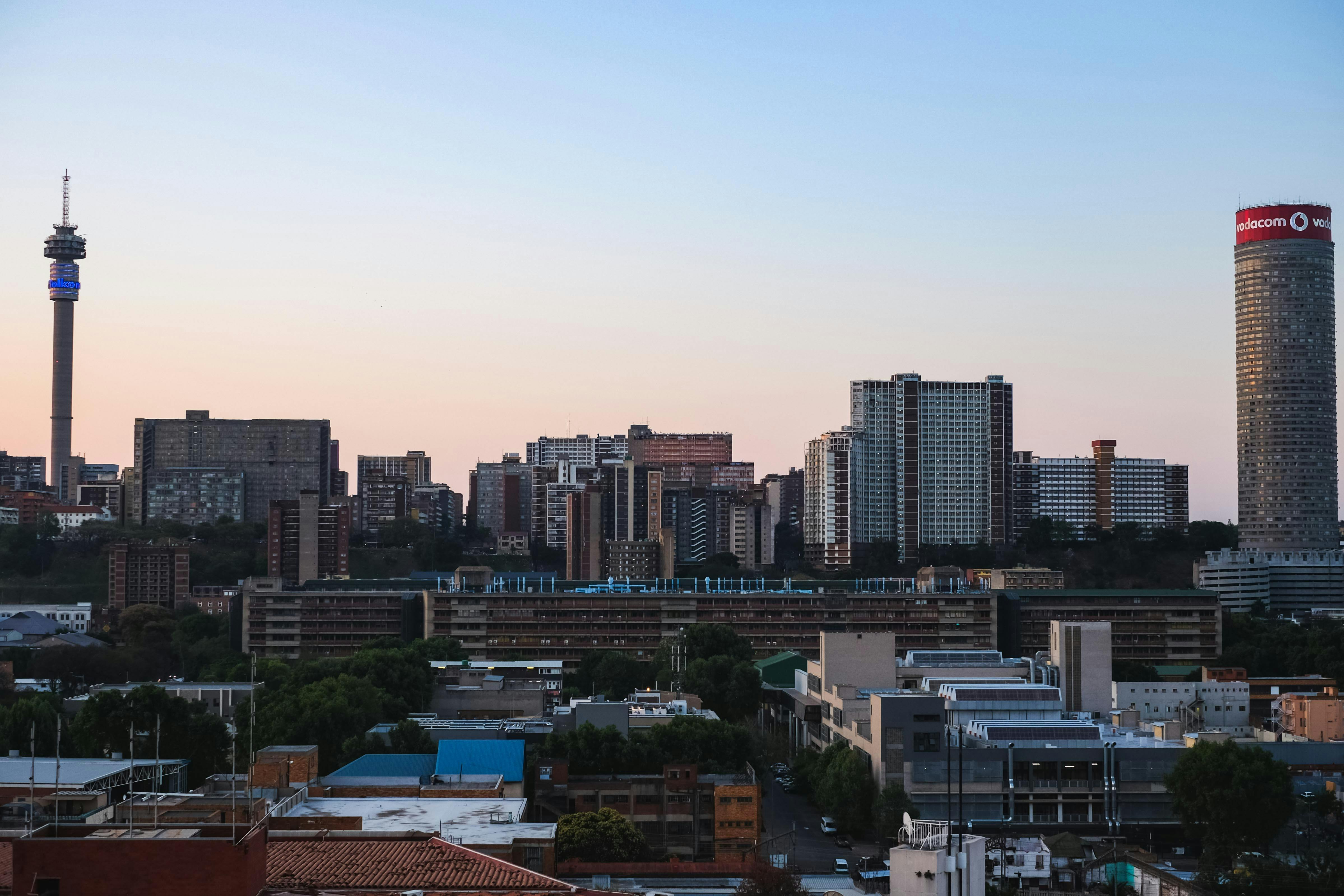
For the last ten years, South Africa has often been framed through a single lens: outflow. Outflow of skills, capital, and confidence. The economic conversation centred on downgrade risk, fiscal pressure, and structural failures.
In the last six months, however, a different set of indicators has started to gain weight. Without fanfare, a number of macro and market-level signals have shifted from “ deterioration ” to “gradual improvement.” The story is not one of a sudden boom, but of a slow, data-driven turnaround.

A momentum shift in an economy rarely starts with sentiment. It starts with a few stubborn numbers that no longer fit the old narrative. Today, several of those numbers in South Africa look different:
Analysts who once consistently described South Africa in terms of decline — including names like Moody’s and Goldman Sachs — have begun to adjust their language towards “improvement,” “stabilisation” and “upside risk.” The tone has not flipped to euphoria, but it has clearly moved away from “uninvestable.”
The emerging momentum is not a single policy win or a one-off windfall. Instead, it reflects a combination of incremental improvements:
Together, these factors create the basis for what can be termed a “momentum return”: not a boom, but a shift from negative drift to slow, measurable repair.
The idea of a “phoenix rise” is often used in a dramatic, almost romantic way. In South Africa’s case, it works better as an economic metaphor than a slogan.
The “ashes” are well documented: years of state capture, weak growth, high unemployment, and fragile institutions. The current phase is not about forgetting that history; it is about observing how policy, markets, and institutions behave after the shock.
In a phoenix-type recovery:
Saying “South Africa is waking up” in economic terms means watching a specific set of indicators over time rather than reacting to isolated events. Among the most important:
Framed this way, the current moment is less about patriotic slogans and more about macro data alignment. For a decade, the story was dominated by exit, downgrade, and erosion. Recent signals point instead to slow stabilisation, selective return of capital, and cautious re-pricing of risk.
The narrative is changing — not in speeches, but in balance sheets, yield curves, and investment decisions. That is what makes this a momentum return rather than a marketing campaign.
“For years, South Africa’s numbers confirmed the story of decline. Today, the same numbers are beginning to tell a quieter, more technical story — one of gradual repair and returning momentum.”
How a forgotten petri dish, a curious scientist, and a decade of persistence reshaped modern medicine.

In the annals of medical history, few events have had as profound an impact on human health as the discovery of penicillin. Often called the first true antibiotic, it transformed how we treat bacterial infections and ushered in a new era in medicine.
Yet this world-changing breakthrough did not begin in a gleaming, meticulously planned high-tech facility. It began with a messy lab bench, a forgotten petri dish, and a scientist who refused to ignore something unusual.
The story opens in 1928 at St. Mary's Hospital in London. Scottish bacteriologist Alexander Fleming was studying influenza and working with plates of Staphylococcus bacteria.
Before leaving for a two-week vacation, Fleming left one petri dish uncovered on his workbench. When he returned, he noticed something strange: a blue-green mold had contaminated the plate — and around it was a clear halo where the staph bacteria had been destroyed.
The contaminant was later identified as Penicillium notatum. Fleming deduced that this mold produced a substance that inhibited bacterial growth. He named this mysterious antibacterial compound penicillin.

In 1929, Fleming published his findings in a scientific journal. The paper described penicillin's ability to kill certain bacteria and suggested its possible medical use. However, the compound was unstable and difficult to isolate.
To many of his contemporaries, penicillin was an interesting laboratory phenomenon — nothing more. Funding was scarce, techniques were limited, and the world was not yet ready to bet on a mold that refused to behave reliably in the lab. For nearly a decade, penicillin remained where it started: on the fringes of scientific curiosity.


In the late 1930s, at the University of Oxford, Florey, Chain, Heatley, and their team revisited Fleming's neglected discovery. Using new techniques and relentless experimentation, they managed to isolate and purify penicillin in a form that could be safely given to animals and humans.
By 1941, early clinical trials on patients with severe bacterial infections showed remarkable results. Infections that once spiraled toward death began to recede. Wounds cleared. Fevers broke. A laboratory curiosity had become a potential life-saving medicine.
World War II turned penicillin from a promising treatment into a strategic necessity. Battlefield infections — from bullet wounds to shrapnel injuries — were claiming the lives of soldiers even after they survived the initial trauma.
Recognising its potential, the Allied forces partnered with pharmaceutical companies and U.S. scientists to unlock large-scale manufacturing. New fermentation techniques, factory-scale production, and government support meant that by 1944, as the D-Day invasion unfolded, penicillin was being shipped in mass quantities to the front.
Deaths from infected wounds dropped dramatically. Amputations that once felt inevitable could be avoided. Penicillin became more than a drug — it was a quiet weapon reshaping survival in war.

The success of penicillin opened the floodgates. Drug companies and researchers around the world began searching for new antibiotics, each targeting different bacteria. Diseases that had once been devastating — pneumonia, sepsis, syphilis, rheumatic fever — could now be treated quickly and effectively.
The ripple effect was enormous. Surgery became safer. Childbirth became less deadly. Everyday injuries no longer carried the same risk of catastrophic infection. Penicillin changed not just how doctors treated illness, but how they planned procedures and imagined possibilities.
In 1945, Fleming, Florey, and Chain were awarded the Nobel Prize in Physiology or Medicine for their roles in the development of penicillin.
During his Nobel lecture, Fleming issued a remarkably prescient warning: if penicillin were used carelessly or in insufficient doses, bacteria could become resistant. The miracle could be undone by misuse.
Today, as antibiotic resistance grows into a global health crisis, Fleming's caution feels less like a footnote and more like a prophecy. The miracle of penicillin is powerful — but not invincible.
The discovery of penicillin is, at its heart, a story about attention and collaboration. A scientist noticed something odd on a neglected dish and chose curiosity over convenience. Other scientists, years later, saw potential where others had shrugged and did the painstaking work to make it useful for humanity.
What began as a contaminated petri dish became a revolution in medicine — one that has saved millions of lives and continues to do so nearly a century later.
“The accidental miracle of penicillin reminds us that history doesn't only change in moments of grand design — sometimes it turns on a speck of mold, a curious gaze, and the decision to ask, ‘What if this matters?’”
Exploring regenerative biology, scientific discoveries, and lessons from nature’s ultimate healers.

Reptiles have fascinated scientists and naturalists for centuries, not just for their diversity and adaptation, but for their unique ability to self-heal. From tails that regrow to skin that recovers from injuries, these creatures offer living blueprints for resilience and regeneration. This section delves into the biology, scientific research, and potential applications of their extraordinary healing powers.
“Nature heals, and we are only beginning to understand its instructions.”
How reptiles regrow lost appendages and what it teaches scientists about resilience
Tail and limb regeneration is one of the most extraordinary abilities in the animal kingdom. Certain lizards and skinks can completely regenerate a lost tail, restoring cartilage, muscle, skin, and sometimes even nerve tissue. This process begins immediately after injury, with specialized cells at the wound site reprogramming themselves into a mass of regenerative tissue known as a blastema.
Scientists studying this phenomenon have discovered that cellular signaling pathways, including Wnt and FGF proteins, orchestrate regrowth in a highly organized manner. Observing these processes provides insight not only into reptilian biology but also into potential therapeutic approaches for humans, such as tissue regeneration and scar reduction.

Beyond the cellular mechanics, the evolutionary advantage is clear: a lost tail can distract predators while the animal escapes, and the ability to regrow it ensures long-term survival. This combination of defense and repair is a remarkable example of adaptation and resilience in nature.
“A lizard’s tail is more than a limb — it’s a blueprint for resilience.”
Researchers continue to study the limits of this regenerative capacity, comparing species, developmental stages, and environmental influences. Every discovery adds to a growing understanding of how life itself adapts and recovers from injury.
How reptiles repair and regenerate skin — lessons for science and resilience
Reptilian skin is an incredible model of repair and adaptation. Unlike mammals, many reptiles can recover from deep abrasions or infections with minimal scarring. This ability is facilitated by unique skin cell structures and regenerative pathways that promote rapid healing while maintaining functionality and protection.
Shedding (ecdysis) is another fascinating aspect of reptile skin biology. As reptiles grow, old skin layers are replaced, effectively “resetting” the surface and healing minor injuries in the process. This natural turnover system has inspired research into **wound healing, scarless repair, and skin regeneration** in humans.
Environmental adaptation also plays a role. Reptiles in harsh climates develop tougher, more resilient skin, while those in humid regions prioritize flexibility and moisture retention. Understanding these adaptive mechanisms gives scientists insight into how cells and tissues respond to external stressors.
“Skin is nature’s first line of defense — and its first experiment in regeneration.”
Research in reptile skin regeneration has opened doors to biomedical applications, including **developing biomaterials, tissue engineering, and regenerative therapies**. Each discovery provides both practical applications and inspiration for resilience — a reminder that even nature’s smallest creatures can offer profound lessons.
How scientists study reptiles to unlock the secrets of natural regeneration

Scientists are increasingly fascinated by reptiles’ regenerative capabilities. Research focuses on cellular reprogramming, stem cell activation, and genetic signaling pathways that enable appendages and tissues to regrow. Key species in these studies include geckos, anoles, and skinks — all known for rapid tail or limb regeneration.
Using advanced microscopy and molecular biology, researchers observe blastema formation, immune responses, and tissue patterning. Studies have revealed that regenerative processes involve **a delicate balance of inflammation, cell proliferation, and extracellular matrix remodeling**, offering insights into wound healing and regenerative medicine in humans.

Historical lessons from early zoologists, such as Thomas Hunt Morgan, highlight the long journey of studying regenerative species. Today, interdisciplinary teams combine genetics, developmental biology, and biomimetics to uncover regenerative principles that may someday be applied in **human therapies, prosthetics, and tissue engineering**.
“Nature writes the code — scientists are learning to read it.”
Ongoing research also explores the influence of environment, age, and metabolic rate on regenerative success. Insights from these studies have implications for **aging, wound recovery, and even organ regeneration**, bridging the gap between biology and medicine.