The Power of Perspective
How influencer iShowSpeed reshaped Africa through real-time digital engagement
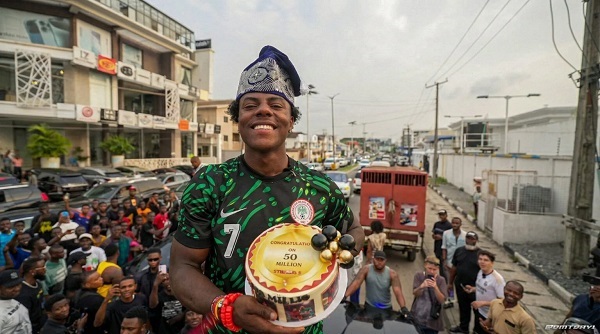
iShowSpeed arrived in Africa not as a passive observer, but as a **digital influencer with unprecedented reach**. With millions of followers watching, his every step, reaction, and interaction was magnified across borders. Through his lens, the continent was suddenly reframed — not through curated tours or press releases, but raw, dynamic, and immediate.
Perspective is active. Each time iShowSpeed smiled at a fan, reacted to a street performance, or navigated a crowded market, he was curating content that would travel the globe instantly. For his audience, Africa was no longer a distant idea; it became **experience mediated by influence**, and the consequences of that perspective were powerful.
The algorithm does not discriminate. It amplifies extremes, humor, and engagement. Through iShowSpeed, moments that might have been unnoticed suddenly became **global phenomena**. A single gesture, joke, or reaction could trend internationally, creating new narratives for a continent often misrepresented or ignored.
This is the power of modern digital influence. Traditional media once dictated perspective; now, one streamer can redefine it in real time. iShowSpeed’s energy, spontaneity, and personality combined with the algorithm’s reach created **a feedback loop where reality, perception, and viral engagement collided**.
The implications extend beyond entertainment. Perspective, when amplified by algorithms, becomes a tool — capable of shifting cultural narratives and breaking preconceptions. iShowSpeed, intentionally or not, **participated in reshaping how Africa is viewed globally**, showing the continent’s vibrancy, complexity, and humanity.
Perspective is power. And when combined with digital influence, it is **global power**. Audiences can see, react, and participate simultaneously, creating a **real-time cultural exchange**. Africa wasn’t performing; it was living. The algorithm merely carried the story further, faster, and more dynamically than ever before.
For influencers like iShowSpeed, the responsibility is immense. Every movement can be amplified, every reaction interpreted, every scene disseminated. Yet this same power enables **unfiltered representation**, allowing viewers to witness nuance, spontaneity, and authenticity that traditional media cannot always provide.
The arrival of a single influencer can ripple across continents, changing perception instantly. Perspective no longer waits for newspapers, documentaries, or curated exhibitions. Through iShowSpeed’s stream, Africa’s streets, communities, and energy reached millions, **highlighting the true power of digital influence paired with human experience**.
In this moment, perspective, influence, and algorithmic amplification converged. Africa was seen not as a passive backdrop but as **an active participant in global storytelling**, facilitated by the presence of an influential voice. For millions, this wasn’t just entertainment — it was a profound lesson in how digital platforms can reshape perspective in real time.
iShowSpeed demonstrated that influencers can be catalysts for perception, bridging continents, cultures, and audiences. His stream highlighted not only the vibrancy of African streets but also the **transformative power of perspective when amplified by algorithms**. This is where influence becomes impact.