Dr. Richard Maponya
Tribute · Legacy of LeadershipHero May Fall, But Legacy Lives On
People will pass on, but their work will remain. Celebrating the life and achievements of Dr. Richard Maponya.
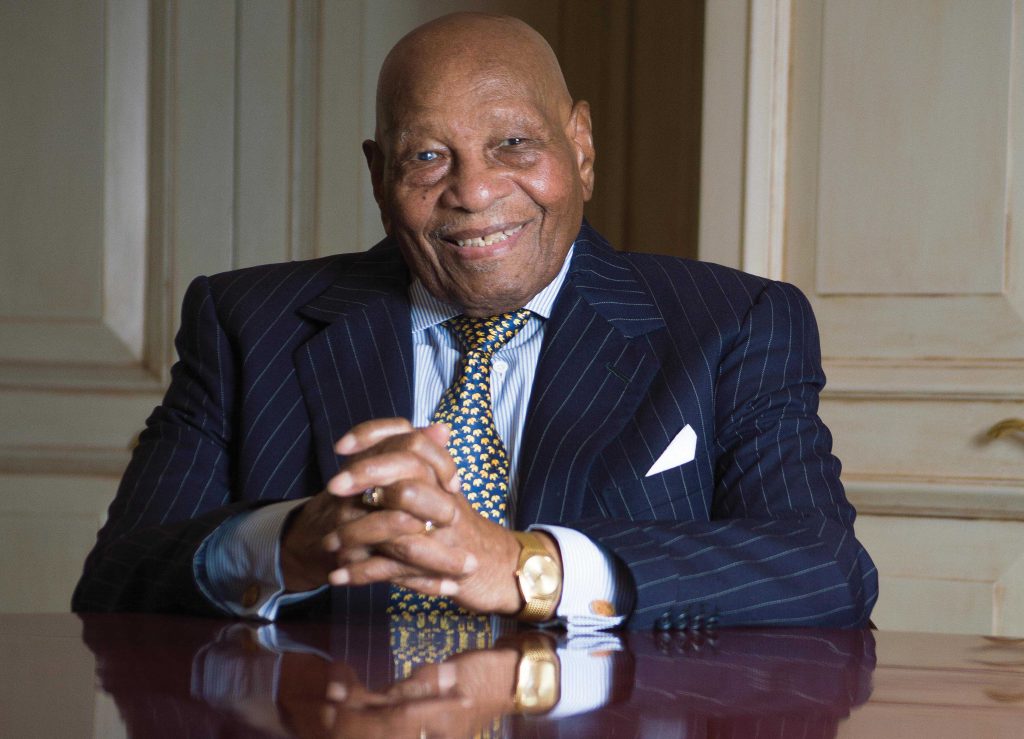
Widely respected as the doyen of black business, Dr. Richard Maponya passed away on 6 January 2020, just days after celebrating his 99th birthday. His life was a testament to perseverance, innovation, and vision, spanning decades of building businesses under the harsh restrictions of apartheid, while leaving a lasting legacy for future generations.
“Heroes may fall, but the impact of their work lives forever.”
From Humble Beginnings to Entrepreneurial Vision
At age 24, Maponya was a teacher who took a job as a stock taker at a clothing manufacturer. Spotting opportunity in adversity, he resold soiled clothing and offcuts in Soweto, laying the foundation for a lifelong commitment to business innovation. Eventually, he saved enough capital to open his own clothing retailer in Soweto, overcoming legal hurdles under apartheid, even hiring the law firm of Mandela and Tambo to secure his license.

In the early 1950s, Maponya and his wife Marina established the Dube Hygienic Dairy, delivering milk to residents who lacked electricity or refrigeration. This initiative not only met a vital community need but also created employment opportunities for local youth, demonstrating his commitment to social upliftment alongside entrepreneurship.
Transforming Soweto’s Economy
By the 1970s, Maponya’s clothing business expanded into general stores, car dealerships, and filling stations. The most iconic of his achievements was Soweto’s Maponya Mall. Securing the land in 1979 with a 100-year lease, Maponya ultimately acquired it outright in 1994, culminating in one of the country’s largest shopping centers, officially opened by Nelson Mandela on 27 September 2007.
“Vision, persistence, and community focus transformed a mall into a landmark of Soweto’s economy.”
Maponya continued to grow Soweto’s business landscape through Maponya Motor City in Orlando East, including Volkswagen and Toyota dealerships. This development was celebrated by then-Deputy President Kgalema Motlanthe as “another milestone for Soweto by the Maponya Group,” cementing his role in building sustainable, world-class enterprises in the township.
Legacy Beyond Business
Dr. Maponya was not just an entrepreneur; he was a **visionary leader** and mentor. As a founding member and first president of the National African Federated Chamber of Commerce (Nafcoc) and chairman of the African Chamber of Commerce, he shaped the path for countless black business owners, advocating for economic empowerment and structural change in post-apartheid South Africa.
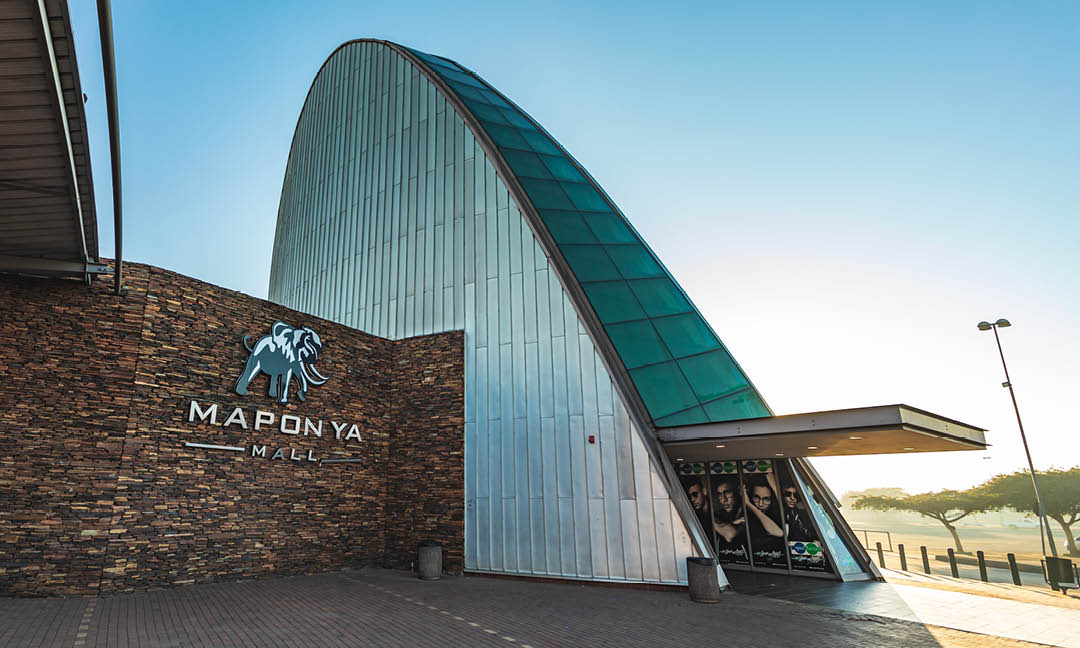
Today, the Maponya Group includes property development, retail, automotive sales, horse racing, and liquor stores — all testament to his enduring influence. His story serves as an inspiration for generations of entrepreneurs: **heroes pass on, but their work continues to shape society.**
“People will pass on, but their work will remain — and in that work, they live forever.”