DRIP FOOTWEAR
Culture · Ambition · South African Enterprise
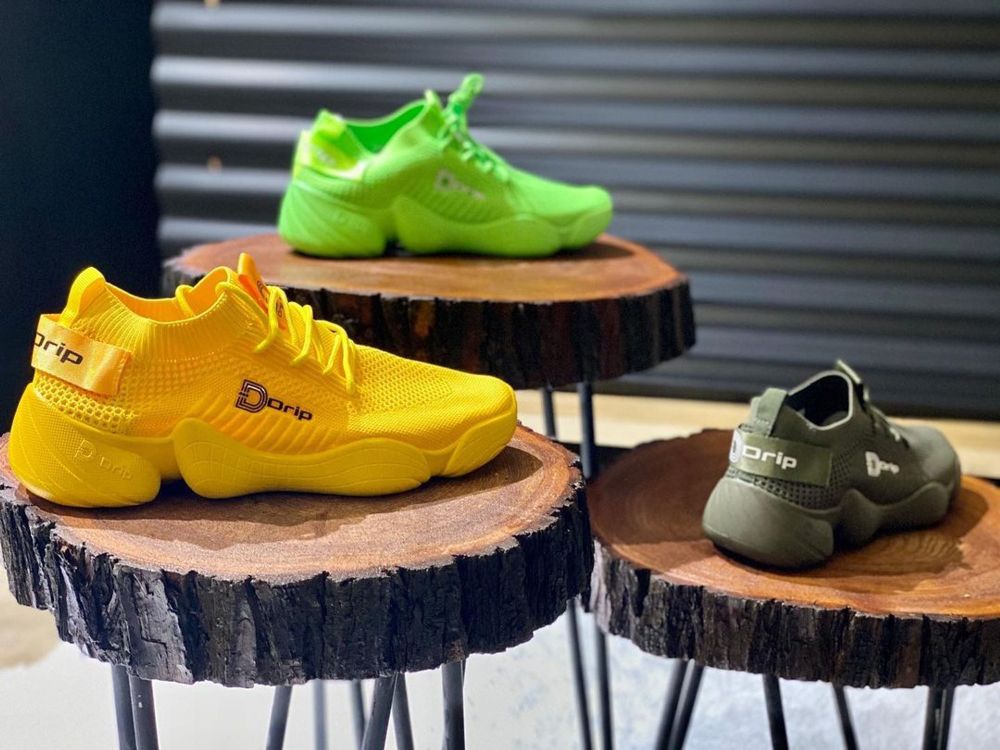
Drip Footwear was never just a sneaker brand. From its earliest days in Ivory Park, Johannesburg, it symbolised something far greater — the possibility of ownership, self-definition, and success born from township reality rather than imported aspiration.
Founded in 2019 by entrepreneur Lekau Sehoana, Drip began as a response to exclusion. Global sneaker brands dominated shelves, narratives, and price points, leaving little room for local identity. Drip entered the market not as an imitation, but as a statement: South Africans could build brands for themselves, by themselves.
Early traction came organically. Social media amplified the story, while word-of-mouth in townships and urban centres turned the brand into a cultural talking point. Wearing Drip was not about trend — it was about alignment with a broader movement of economic participation and pride.
Drip wasn’t sold as footwear — it was sold as belief.
Within a short period, Drip became a visible presence in malls, pop-ups, and media platforms. For many young South Africans, it stood as proof that ambition could translate into tangible enterprise.